

Antique Plate Glass Mirror
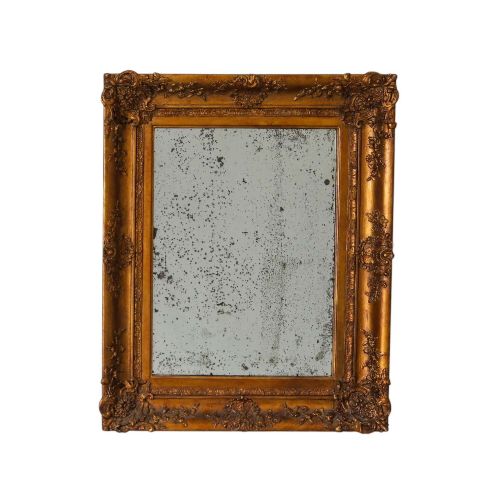
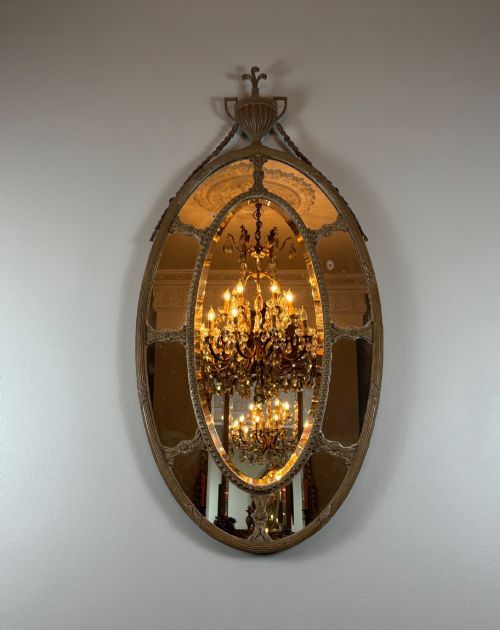
An antique plate glass mirror brings depth to a room through genuine period mercury glass and hand-carved giltwood frames.
Antique Plate Glass Mirror
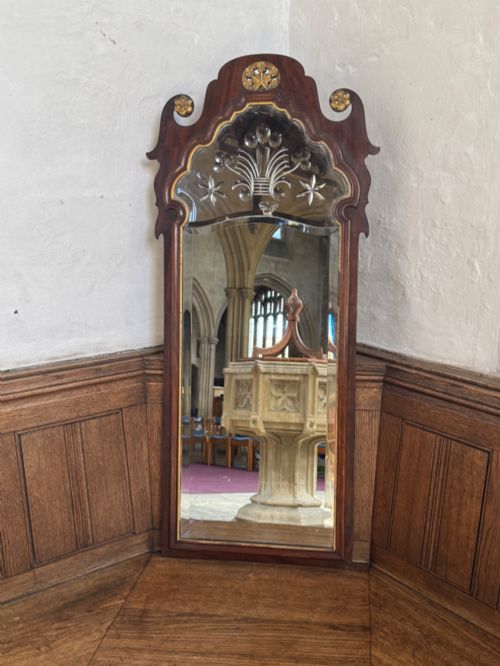
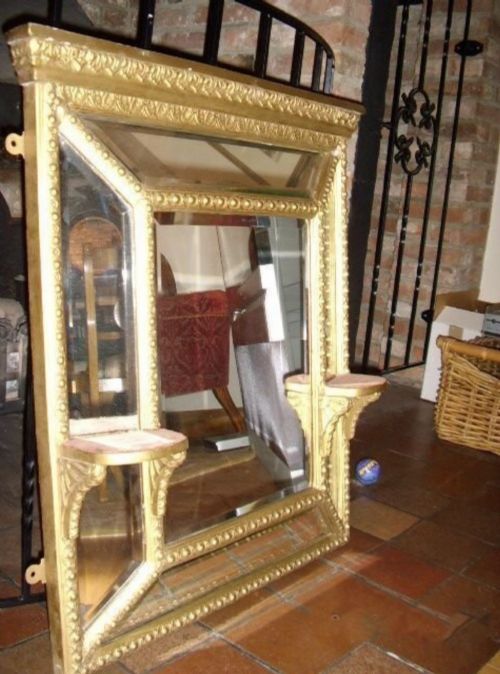
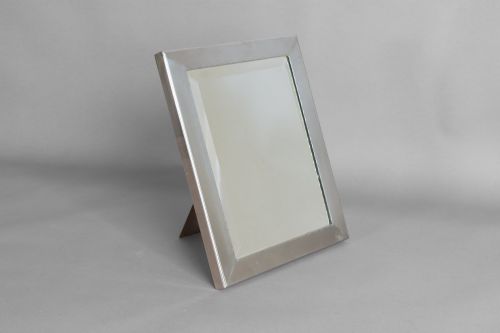
An antique plate glass mirror encompasses wall-hanging and overmantel formats shaped by periods ranging from the eighteenth century through to the Edwardian era. You encounter grand architectural pier mirrors alongside smaller dressing table pieces and vanity items.
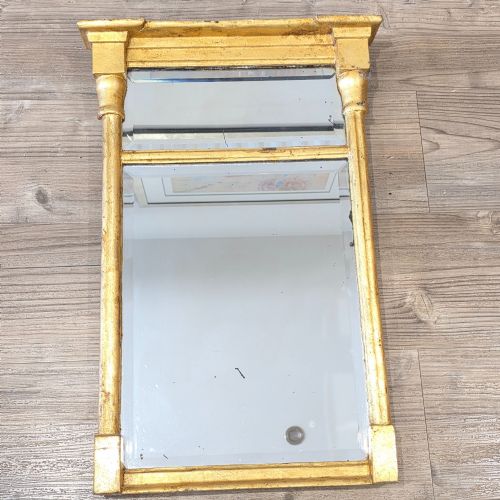
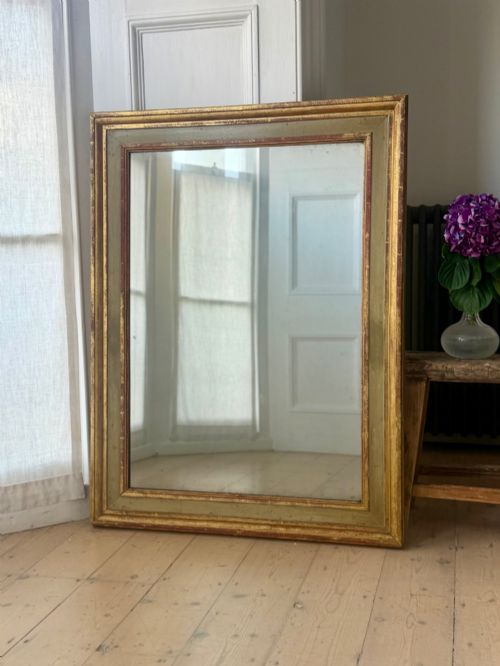
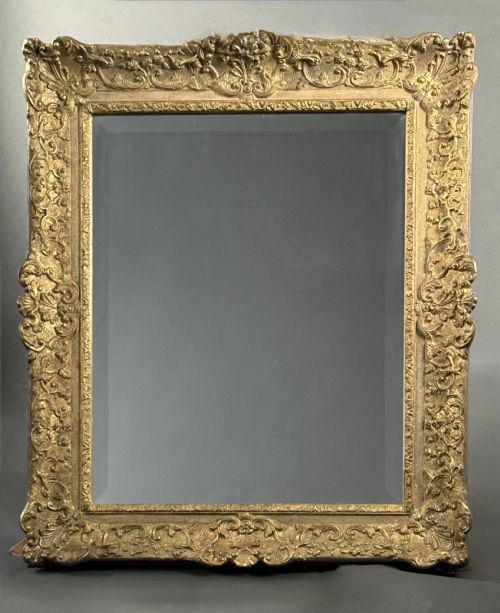
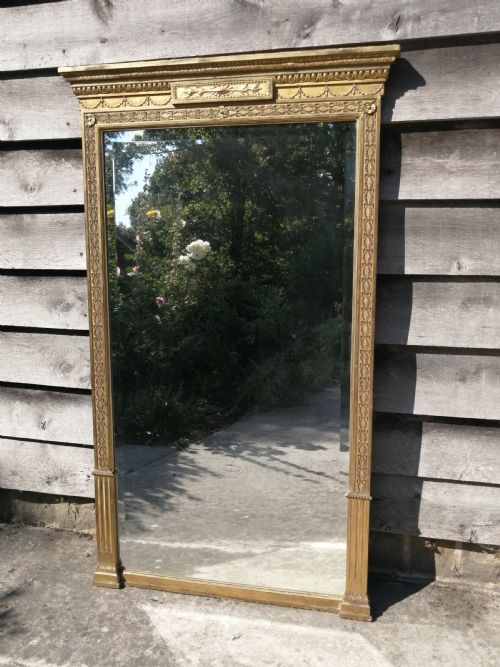
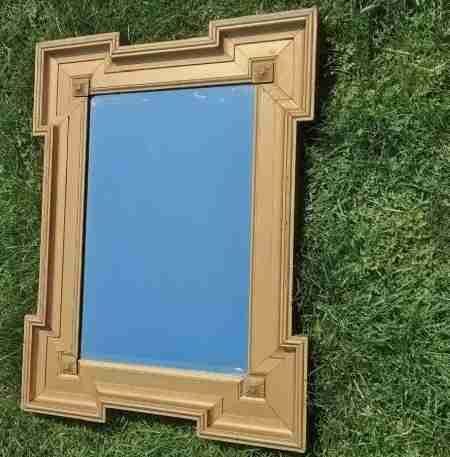
The specimens on this page reflect diverse stylistic origins, including Regency, French Rococo, Georgian, and Italian design. Many examples utilise original glass plates housed within wooden, gesso, or gilded frames.
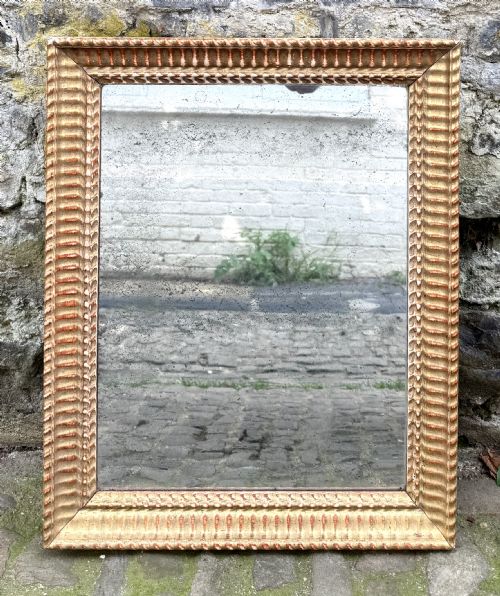
Buyers seek these objects for their historic surfaces and decorative presence within interiors. The selection spans straightforward mahogany or rosewood frames to elaborate giltwood creations adorned with carved details.
How they were made
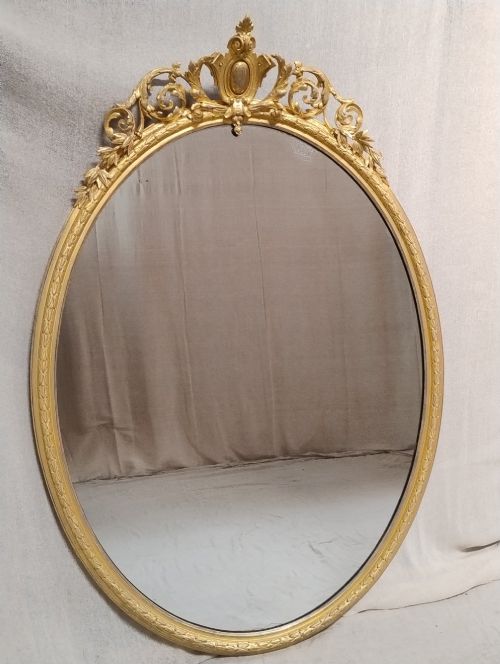
Frames rely upon timber foundations such as wood, walnut, rosewood, and ebonised wood, layered with gesso and gold leaf or oil gilt. Carvers shaped intricate motifs including urns, swags, and cartouche designs directly into the composition.
Mirror plates were produced using traditional techniques, resulting in historic mercury glass or early bevel-cut and reverse-cut variations. Artisans secured these heavy glass panels within substantial overmantel and pier mirror constructions.
Listings feature eighteenth-century and nineteenth-century pieces alongside Regency, Victorian, and Edwardian examples utilising giltwood, brass, and ebonised wood.
What varies in quality
The distinction rests upon the retention of original components, such as whether the mirror plate and gilding remain untouched since manufacture. Period pieces displaying authentic mercury backing or early hand-carved gesso carry distinct character compared to later adaptations.
Proportion and scale dictate the visual weight of each piece, from grand architectural trumeau frames to compact wall mirrors. The crispness of the carving and the depth of the original gilding separate standard production from superior craftsmanship.
Ciceri and Co
The Antique Plate Glass Mirror Glossary
- Mercury glass
- An early type of mirror plate produced by pouring a liquid mercury and tin amalgam behind glass. This method creates characteristic dark spots and a deep reflective quality.
- Giltwood
- Timber carved and coated with gold leaf or metallic powder applied over a gesso ground. It forms the lustrous surface seen on many period frames.
- Pier mirror
- A tall, narrow mirror designed to hang on the wall space between windows. These pieces often feature matching console tables or decorative brackets beneath.
- Overmantel mirror
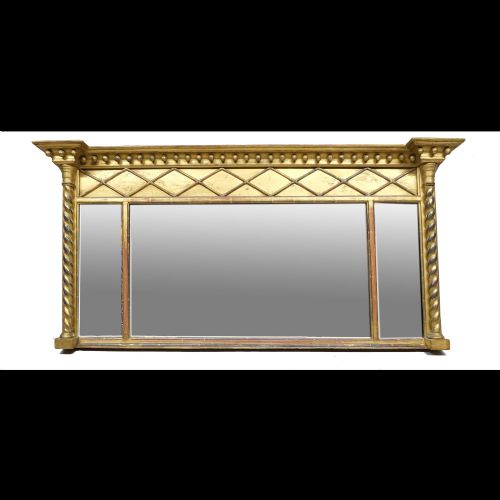
- A wide horizontal mirror scaled to fit directly above a fireplace mantelpiece. They frequently incorporate compartmentalised or triptych glass plates.
- Foxed plate
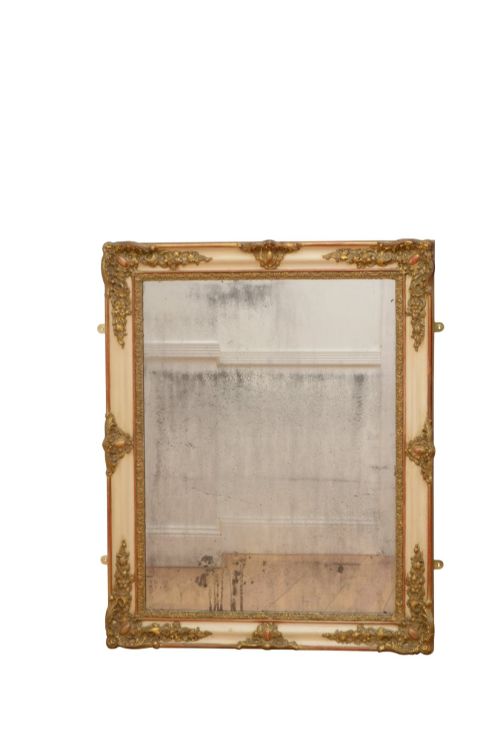
- Mirror glass showing natural degradation and oxidation over time. This age-related ageing creates cloudy patches and distinctive dark speckling across the surface.
Antique Plate Glass Mirror: Frequently Asked Questions
What is an antique plate glass mirror?
An antique plate glass mirror is a historic looking glass featuring traditional glass production methods set within period frames of wood, gesso, or giltwood. These items date from earlier centuries and reflect the aesthetic styles of periods like the Regency and Georgian eras.
They serve both functional purposes and decorative roles within a home, offering genuine historical material that differs from modern mass-produced alternatives.
How do I identify mercury glass?
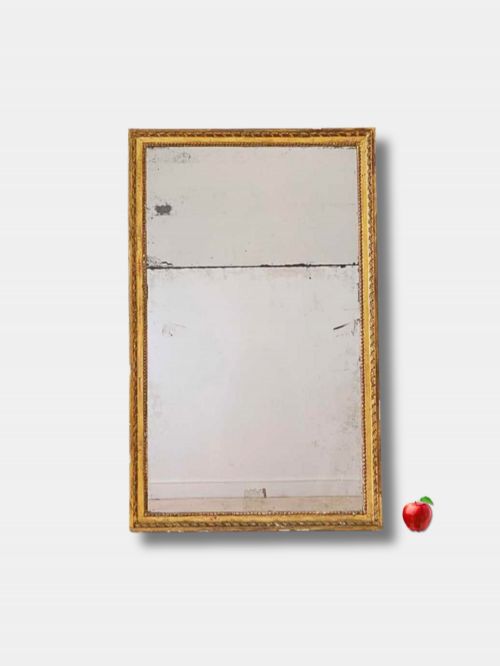
Mercury glass typically displays irregular dark speckling, uneven reflectivity, and soft oxidation across the plate rather than uniform modern clarity. These visual traits result from the historic amalgam backing process used before nineteenth-century silvering techniques took over.
Examining the edges of the glass plate often reveals the thickness and hand-finished nature characteristic of older manufacturing methods.
Where should I hang an overmantel mirror?
An overmantel mirror is traditionally mounted directly above a fireplace mantelpiece to anchor the room's focal point. Its wide proportions are specifically scaled to balance the width of the hearth below.
Ensure the wall fixings are secured safely into structural studs, as these large gilded frames and heavy glass plates possess considerable weight.
What is a pier mirror?
A pier mirror is a tall, vertical looking glass designed specifically for the narrow wall space situated between two windows. This placement maximises natural light reflection deep into the room during daylight hours.
They frequently feature elongated wooden or giltwood frames that complement architectural proportions from the eighteenth and nineteenth centuries.
How do I clean an antique mirror?
Clean antique mirrors gently using a soft, dry microfibre cloth to remove dust from the frame and glass surface. Avoid spraying liquids directly onto the mirror plate, especially near the edges where moisture can seep behind the backing.
If liquid is necessary, apply a minimal amount of distilled water or mild cleaner to the cloth rather than the glass to protect fragile mercury or silvered surfaces.