



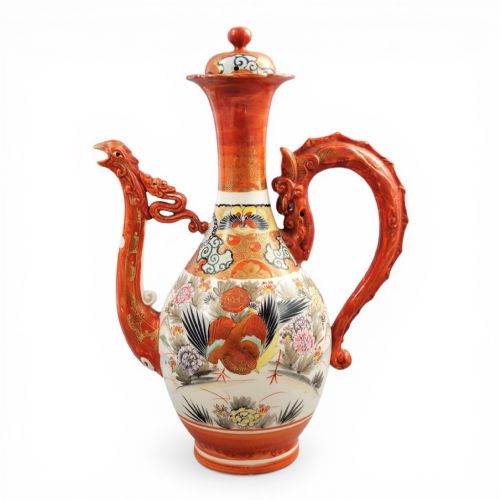

Antique Pitcher Vase
An antique pitcher vase brings sculptural form and fluid utility together, offering collectors a striking vessel for display.
Antique Pitcher Vase
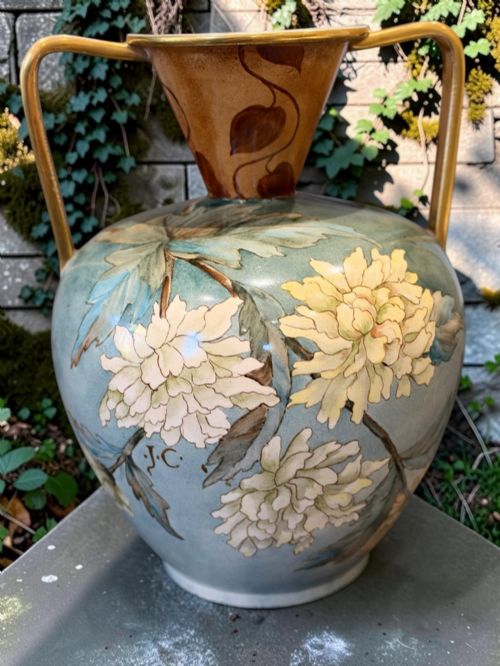
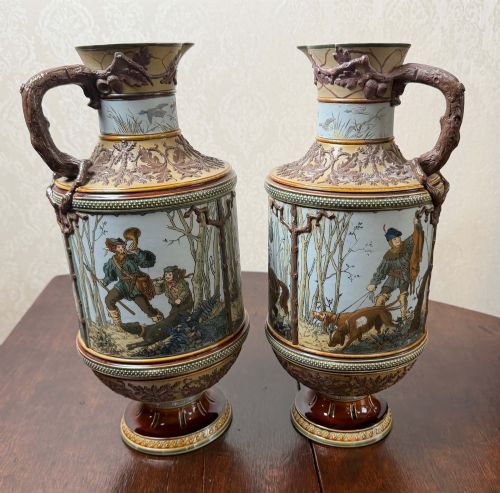
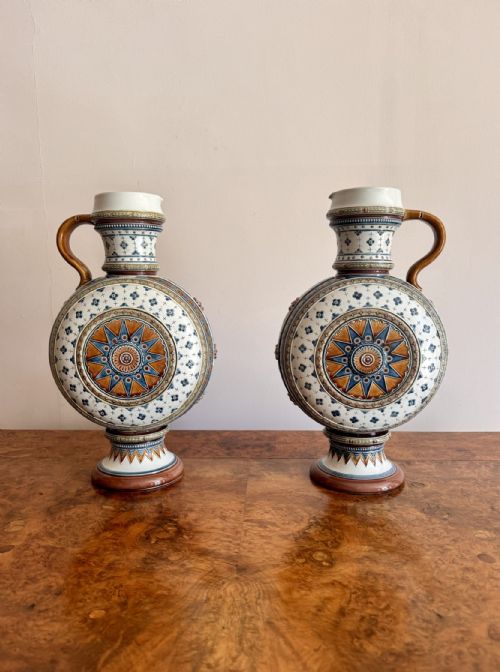
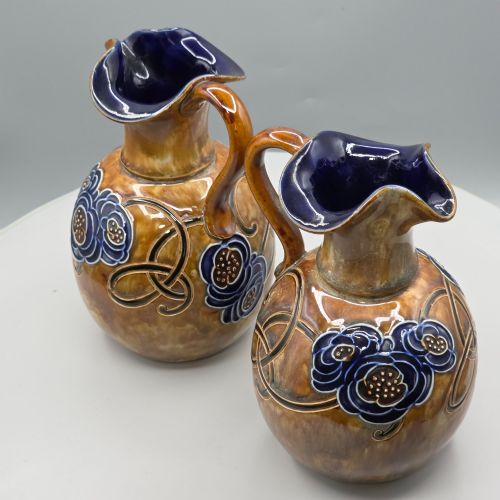
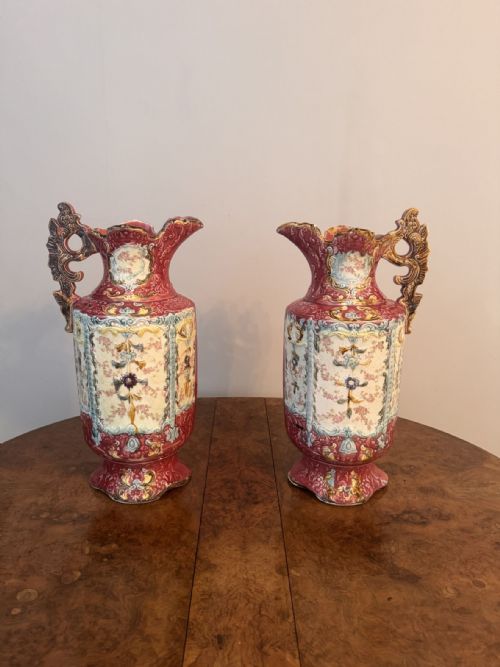
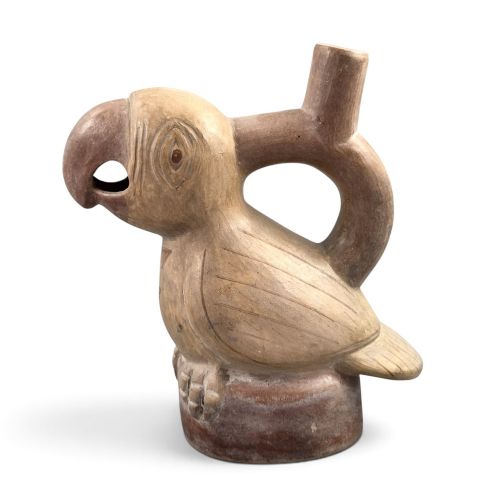
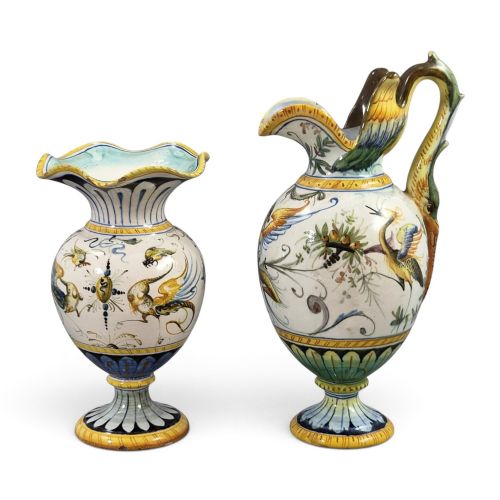
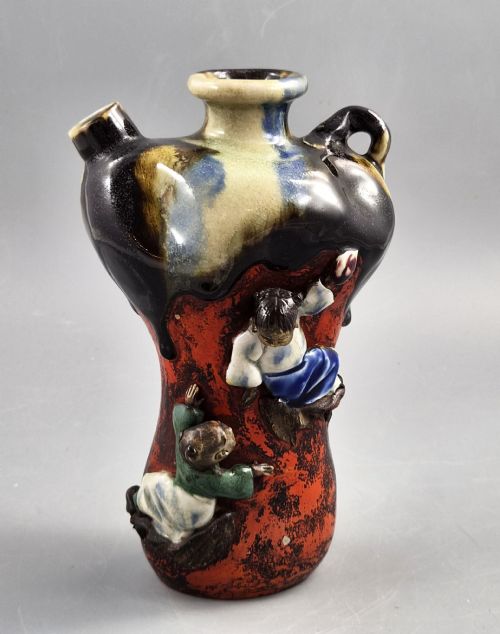
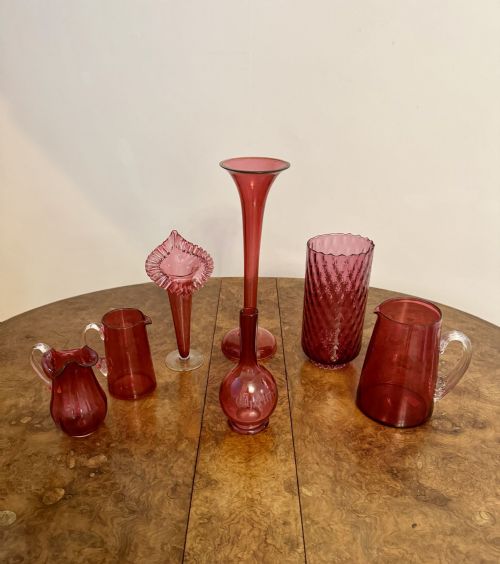
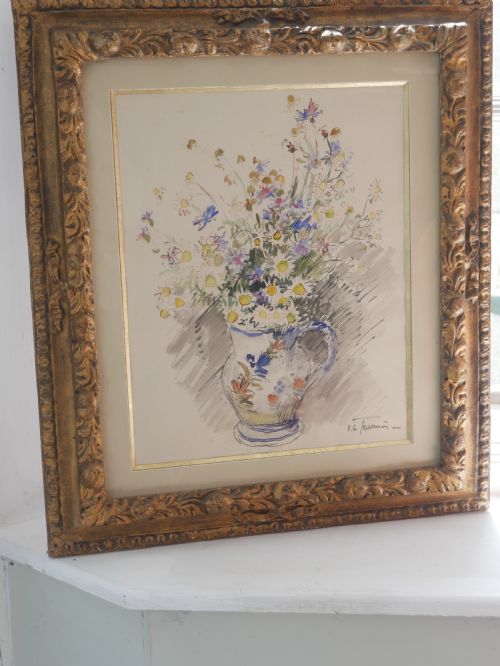
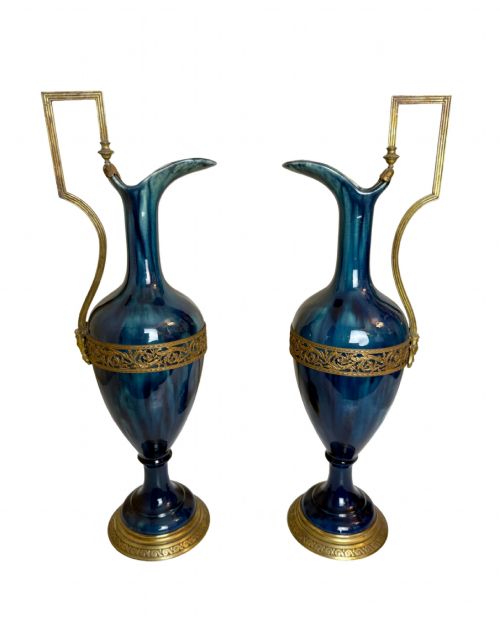
An antique pitcher vase appears across diverse ceramic, glass, and metal forms on this page, encompassing decorative ewers, graceful jugs, and classical vessels. These pieces emerge from periods spanning the Victorian era through the early twentieth century, alongside distinct regional movements.
Makers shaped these items for both display and pouring, utilising handles, spouts, and ornamented bodies that reflect specific stylistic revivals. The listings present everything from monumental exhibition stoneware to delicate porcelain ewers bearing intricate gilt decoration.
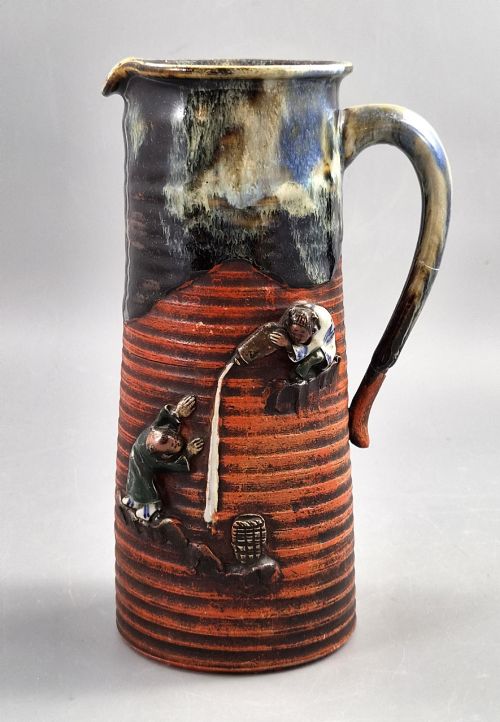
Japanese pottery and European earthenware dominate the selections, demonstrating how global aesthetics influenced domestic interiors during the nineteenth and early twentieth centuries. Buyers frequently encounter pieces associated with major potteries like Royal Doulton, Doulton Lambeth, and Royal Worcester.
Materials and Technique
Potters and metalsmiths relied on traditional forming methods, shaping earthenware, porcelain, and stoneware on the wheel or through complex moulding. Glazes, enamel, and salt glazing provided durable surface finishes, while subsequent gilding or gold leaf added high-relief detail.
Bronze and copper elements often accompanied ceramic bodies, joined by cast figural handles and mounts depicting mythological or natural motifs. Artisans also employed hand wheel engraving on glass and reticulated piercing on porcelain to achieve complex textures.
Antique Pitcher Vase Retail Price Guide 2026
Typical asking prices for pitcher vase among the pieces listed under this phrase on Sellingantiques today, from the lower quarter to the upper quarter. They describe what is for sale here now, not the wider market.
Bacchus and dolphins frequently peer from handles, reminding us that historical table service enjoyed a healthy dose of sea-monster drama.
Judging Quality
Quality rests upon the crispness of the modelled relief and the precision with which decorative glaze or enamel is applied. Superior examples exhibit balanced proportions between body, spout, and handle, avoiding clumsy transitions or heavy-handed casting marks.
The sophistication of the surface decoration largely determines the standing of a piece, whether through hand-painted floral panels signed by known artists or intricate slip-raised ornamentation. Finer works display an integration of material and form where the decorative scheme enhances the underlying silhouette.
Royal Doulton·Doulton Lambeth·Royal Worcester·Royal Crown Derby·Cantagalli Florence·Grainger Worcester·Inoue Ryosai·Charlotte Rhead
The Antique Pitcher Vase Glossary
- Ewer
- A large jug with a wide spout and a curved handle, traditionally used for holding water but frequently produced as an ornamental display piece. These vessels often feature classical silhouettes influenced by Renaissance and Grand Tour designs.
- Gilding
- The application of gold leaf or powdered gold paint to the surface of ceramics or metalwork. This technique highlights raised motifs, rims, and handles.
- Reticulated
- Describes ceramics featuring openwork patterns formed by cutting or piercing the clay body before firing. This delicate technique creates a lace-like ceramic structure.
- Salt Glazed
- A ceramic finish achieved by throwing common salt into the kiln during the high-temperature firing process. This creates a distinct pebbled, orange-peel texture across the stoneware surface.
- Stoneware
- A robust, vitrified ceramic body fired at high temperatures until non-porous. It accepts salt glazes and heavy relief ornamentation readily.
Antique Pitcher Vase: Frequently Asked Questions
What is an antique pitcher vase used for?
These vessels served diverse functions historically, acting as functional water jugs, decorative mantle ornaments, and grand display centerpieces in formal rooms. Many were paired with basins for washing, while others were created purely for aesthetic enrichment.
Today, collectors primarily display them as sculptural focal points on sideboards, tables, and cabinets. Their varied forms allow them to function beautifully as standalone decorative objects or as containers for dried and fresh botanical arrangements.
How do I identify a Victorian ewer?
Victorian ewers frequently display eclectic stylistic revivals, drawing inspiration from Gothic, Renaissance, and Classical Greek or Roman aesthetics. Look for heavy cast bronze mounts, ornate figural handles depicting mythological figures, and rich glazes.
Maker marks stamped into the ceramic base or foundry signatures on metal components often confirm the period. Examining the weight of the piece and the complexity of the surface decoration also helps distinguish authentic nineteenth-century manufacturing from later reproductions.
Are antique pitcher vases waterproof?
Many ceramic, glass, and metal examples remain entirely water-resistant and capable of holding fresh flowers without issue. However, pieces featuring unglazed earthenware bodies or delicate internal repairs require careful handling.
It is advisable to inspect the interior of older ceramic and stoneware vessels before filling them. Placing a small glass container inside an antique pitcher vase protects porous interiors while allowing safe use with water.
How should I clean my antique pitcher vase?
Dusting gently with a soft, dry cloth is the safest routine maintenance for most ceramic, glass, and metal surfaces. Avoid using harsh commercial chemical cleaners, abrasive scouring pads, or submerging pieces with delicate gilt decoration.
If washing is necessary for glazed ceramics or glass, use lukewarm water and mild soap, drying the piece immediately with a lint-free towel. Metal mounts should be kept dry to prevent tarnishing or degradation of the underlying material.