







Antique Pistol Grip
These items of antique pistol grip design span centuries of craftsmanship, offering collectors functional firearms, pocket pieces and walking canes crafted from durable materials.
Antique Pistol Grip
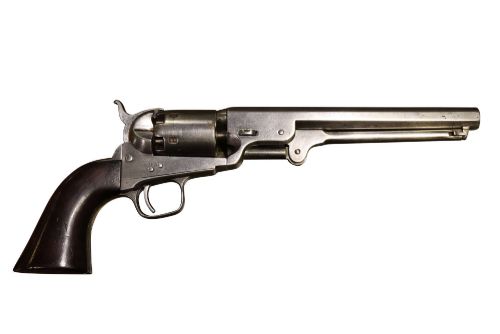
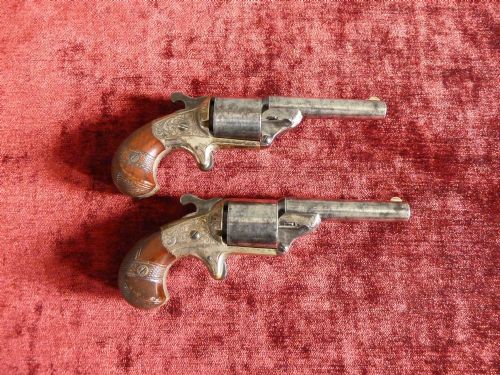
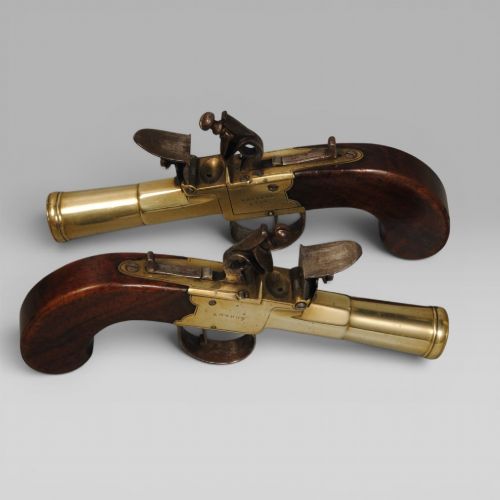
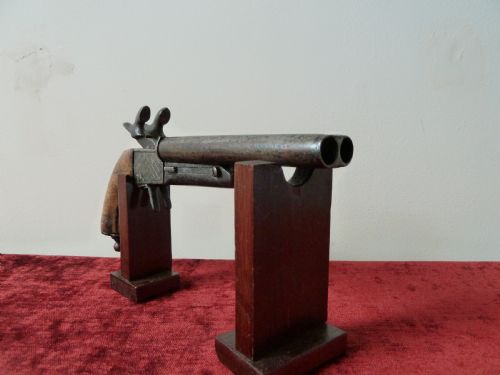
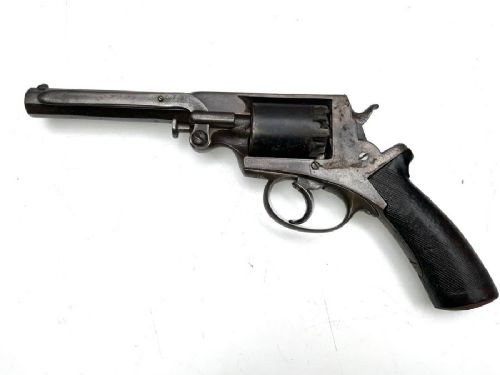
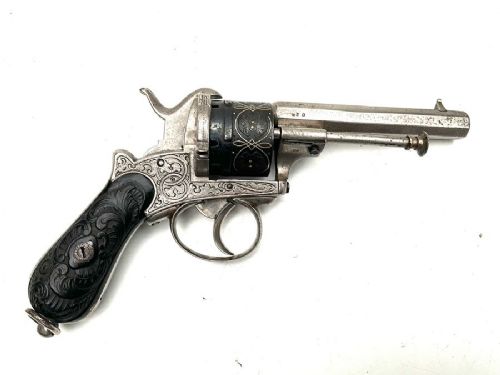
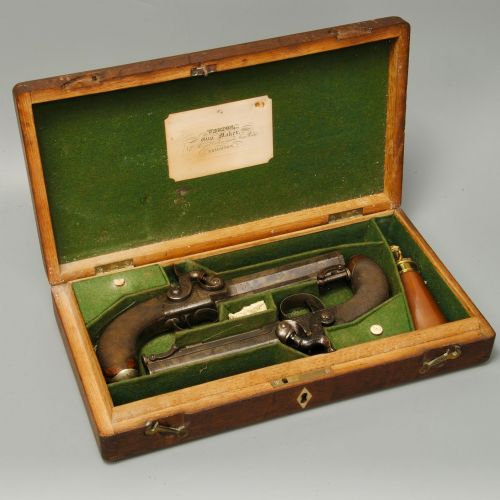
When you search for antique pistol grip, you examine firearms, canes and sidearms dating from the eighteenth century through to the Edwardian era. The selection ranges from flintlock holster pistols and percussion revolvers to walking sticks featuring sculpted handles.
The most common pieces met on this page are nineteenth century percussion revolvers and eighteenth century flintlock pocket pistols. These domestic and military arms display various grip shapes fashioned to fit the hand securely during use.
Materials and construction methods
Makers shaped stocks and handles primarily from dense woods such as walnut, ebony and palm wood, frequently embellishing them with silver wire inlay or grotesque butt caps. Metal components utilise steel, brass, iron and silver, combining forged barrels with intricately cast frames.
Assembly involved precise fitting of internal lock mechanisms alongside exterior woodwork. Gunsmiths secured grips using pins, screws or silver mounts to ensure structural stability during firing or carrying.
Antique Pistol Grip Retail Price Guide 2026
Typical asking prices for pistol grip among the pieces listed under this phrase on Sellingantiques today, from the lower quarter to the upper quarter. They describe what is for sale here now, not the wider market.
Listings span the eighteenth century, the nineteenth century, the Victorian era and the Edwardian period, utilising steel, walnut, brass, iron, silver, wood, ebony and baize.
Separating standard pieces from exceptional examples
The distinction between standard items and top tier pieces rests upon the crispness of maker signatures, the depth of metal engraving and the integrity of the wooden or silver components. Original matching serial numbers on revolvers elevate a piece significantly.
Ergonomic balance and the preservation of original finishes, such as intact silver wire inlay on walnut stocks, separate ordinary arms from superior collector items.
Colt·Allen And Thurber·J R Cooper·Deane Adams And Deane·Auguste Francotte·John Manton·R Willoughby·J Robinson·Barber Of Newark
The Antique Pistol Grip Glossary
- Flintlock
- An ignition mechanism utilising a flint struck against a steel frizzen to create sparks that ignite gunpowder. This system dominated firearms from the seventeenth to the early nineteenth century.
- Percussion cap
- A small metal cup containing priming powder placed on a nipple to ignite the main charge when struck by the hammer. It replaced the flintlock system in the nineteenth century.
- Boxlock
- A firearm action where the lock mechanism is integral with the breech block or frame rather than mounted on a separate sideplate. This design provides a compact profile for pocket pistols.
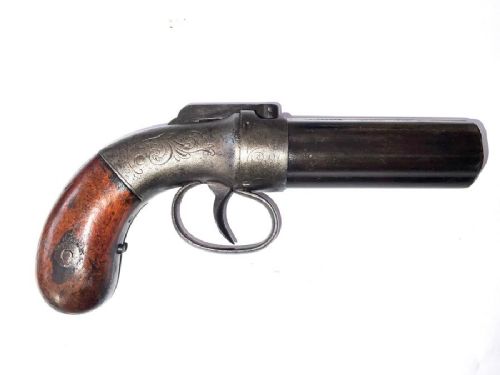
- Pepperbox
- A multi barrel firearm that rotates to fire successive shots without a separate revolving cylinder. Popular nineteenth century models feature several barrels clustering around a central axis.
- Cartouche
- An ornamental panel or tablet, often oval, used for engraving initials or heraldic crests onto pistol stocks. It provides a decorative focal point on wooden grips.
Antique Pistol Grip: Frequently Asked Questions
How do I date an antique pistol?
Dating relies on proof marks, patent dates, mechanical systems such as flintlock versus percussion, and maker signatures stamped on the barrel or frame. Historical records for specific makers provide narrower production windows.
Stylistic shifts in grip shape and metal engraving also help assign pieces to specific decades between the eighteenth and nineteenth centuries.
What is the difference between flintlock and percussion?
Flintlock arms use a piece of flint striking steel to generate sparks into a pan of priming powder. They represent earlier technology chiefly from the eighteenth century and earlier.
Percussion arms utilise an external hammer striking a small detonating cap placed on a nipple, a system developed in the nineteenth century for faster and more reliable ignition.
How were walking sticks made with pistol grips?
Walking canes and sticks incorporate carved handles shaped like traditional pistol grips, fashioned from materials such as bone, palm wood or metal. These combined fashion with a familiar ergonomic handhold.
Some incorporate hidden mechanisms or sword blades within the wooden shaft beneath the grip handle.
Are these pieces safe to handle?
Most antique arms listed are sold as collector items or display pieces rather than modern functional firearms. Proper care involves gentle handling of delicate wooden grips and metal surfaces without using abrasive cleaners.
Consulting a specialist helps determine the mechanical status of internal locks and triggers.