



Antique Pique Work
Antique pique work brings together tortoiseshell, gold, and silver in intricate inlaid patterns that collectors treasure for their miniature detail.
Antique Pique Work
Antique pique work encompasses small personal items and decorative pieces adorned with delicate metal inlay. The materials span from the Georgian era through to the Edwardian period and the early twentieth century.
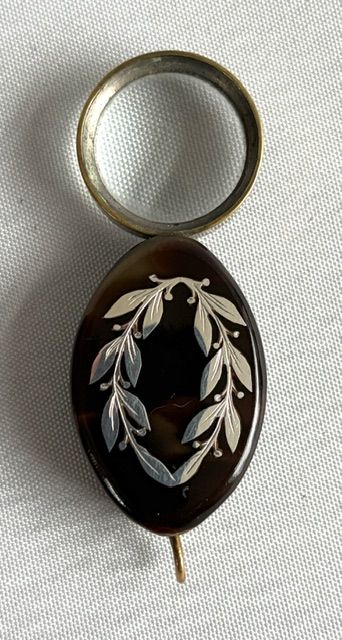
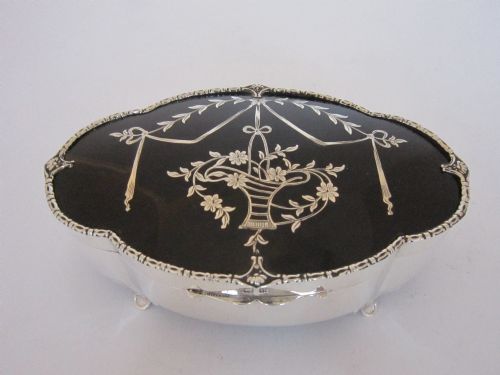
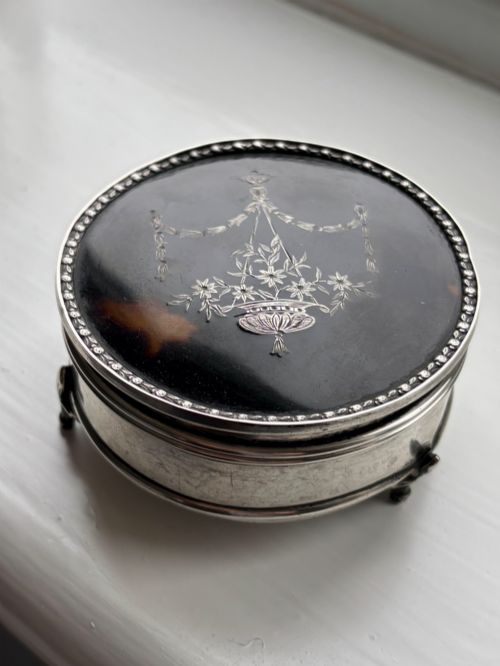
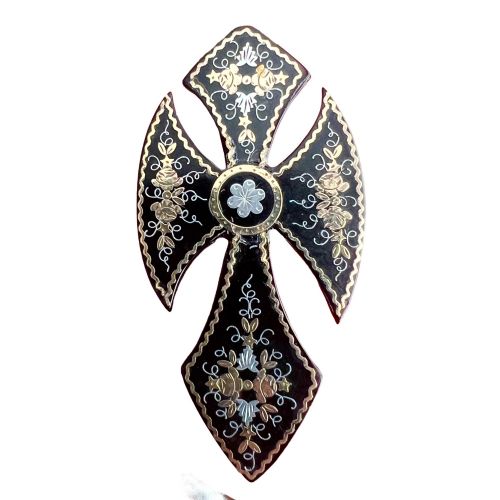
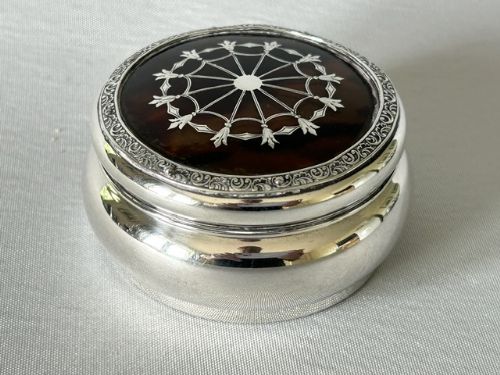
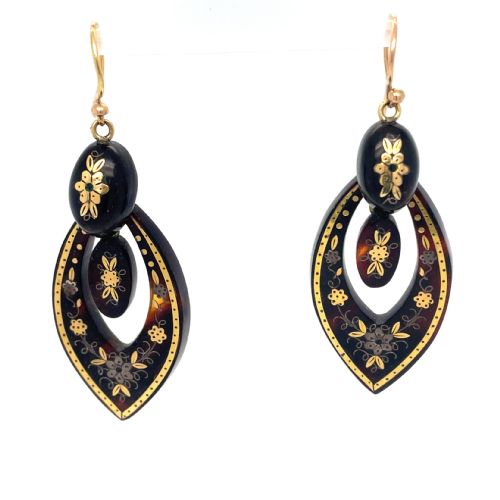
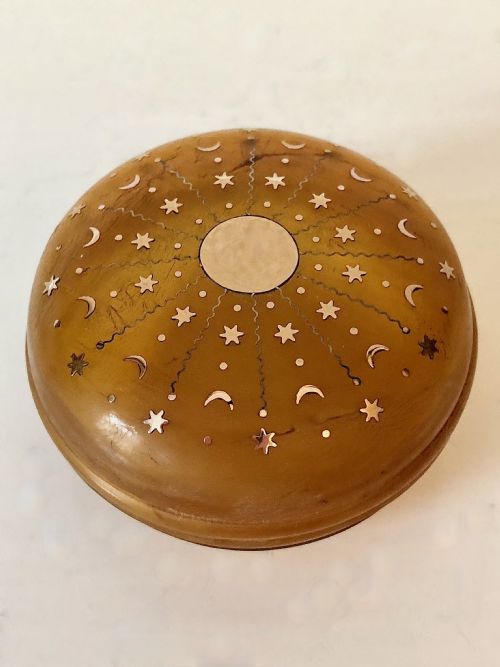
Buyers encounter items such as snuff boxes, dressing table boxes, trinket boxes, brooches, earrings, and perfume bottles. These pieces showcase tortoiseshell or faux tortoiseshell inlaid with gold and silver.
The objects reflect distinct stylistic eras, including Georgian, Victorian, and George V designs. Each period brings particular shapes and inlay motifs to the pieces.
How antique pique work was made
Craftsmen utilised organic shell, specifically tortoiseshell and blond tortoiseshell, as the primary base material for these delicate items. They shaped this material into small boxes, shoe forms, and jewellery mounts.
Makers heated and pressed tiny pieces of gold, silver, brass, and occasionally diamonds into the softened shell surface to create intricate foliage, flowers, and geometric patterns. The metal pins and strips cooled to form a permanent, flush mosaic.
Antique Pique Work Retail Price Guide 2026
Typical asking prices for pique work among the pieces listed under this phrase on Sellingantiques today, from the lower quarter to the upper quarter. They describe what is for sale here now, not the wider market.
What varies in quality
The fineness of the metal inlay separates standard examples from exceptional pieces, particularly where the gold and silver pins form dense, continuous botanical motifs. Precision in the placement of every single pin determines the visual impact of the surface.
The clarity and tone of the underlying tortoiseshell, whether rich brown or blond, affect the overall depth of the object. Heavier mountings in sterling silver or gold add substantial weight and permanence to boxes and brooches.
Ollivant & Botsford·Asprey & Co.
The Antique Pique Work Glossary
- Pique work
- A decorative technique involving the inlay of gold, silver, or other metals into tortoiseshell or ivory. The metal is heated and pressed into the surface to form patterns.
- Tortoiseshell
- A mottled brown and yellow material derived from the shell of certain sea turtles, utilised extensively in Georgian and Victorian boxes and jewellery. It provides a warm, translucent background for metal inlay.
- Sterling silver
- A silver alloy containing substantial pure silver alongside other metals to increase durability. It frequently forms the hinges, mounts, and structural frames of dressing table boxes and perfume bottles.
- Snuff box
- A small container designed to hold powdered tobacco, popular during the Georgian and Victorian periods. Many examples utilise tortoiseshell and pique work to display status.
- Blond tortoiseshell
- A lighter, rarer golden-yellow variety of tortoiseshell prized for its pale translucency. It creates a striking contrast against yellow gold inlay.
Antique Pique Work: Frequently Asked Questions
What is pique work?
Pique work is a decorative technique where tiny pins and strips of gold, silver, or brass are inlaid into tortoiseshell. Artisans heat the metal to secure it into the shell, creating detailed patterns.
This method was particularly popular for small luxury items during the Georgian and Victorian eras.
How do I care for tortoiseshell?
Tortoiseshell requires gentle handling and should be kept away from direct sunlight, heat sources, and harsh chemicals. Store items in stable temperature environments to prevent warping.
Clean the surface only with a soft, dry cloth without using liquid cleaners or polishes.
How can I tell the period?
Dating relies on the object shape, metal mounts, and the style of the inlay work. Georgian pieces often feature shoe forms and blond tortoiseshell, while Victorian and Edwardian examples lean towards dressing table boxes and brooches.
Silver hallmarks on the metal mounts provide exact decade markers for later items.
Were these items used daily?
Yes, snuff boxes and dressing table boxes served practical functions in daily toilette and social custom. People carried snuff boxes or kept trinket boxes on dressing tables for daily jewellery storage.
Perfume bottles were filled with scents for personal grooming and evening wear.