

Antique Pink Table Lamp
An antique pink table lamp brings a warm, rosy glow and period charm to a room, combining practical illumination with decorative glass and ceramic vessels.
Antique Pink Table Lamp
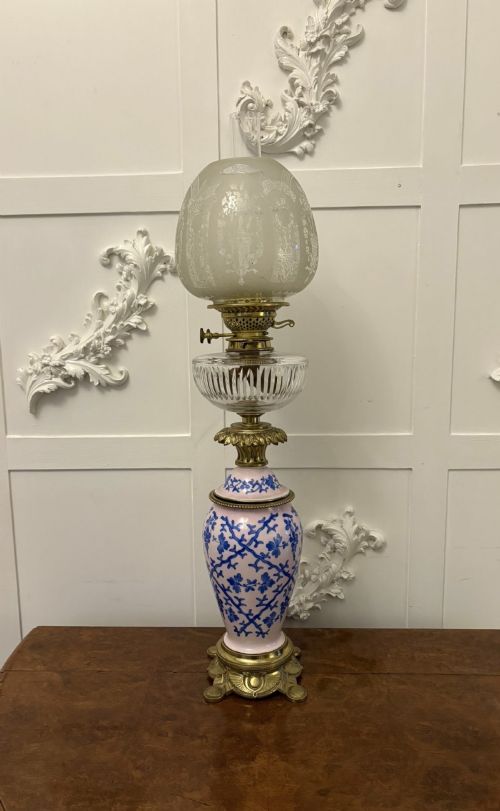
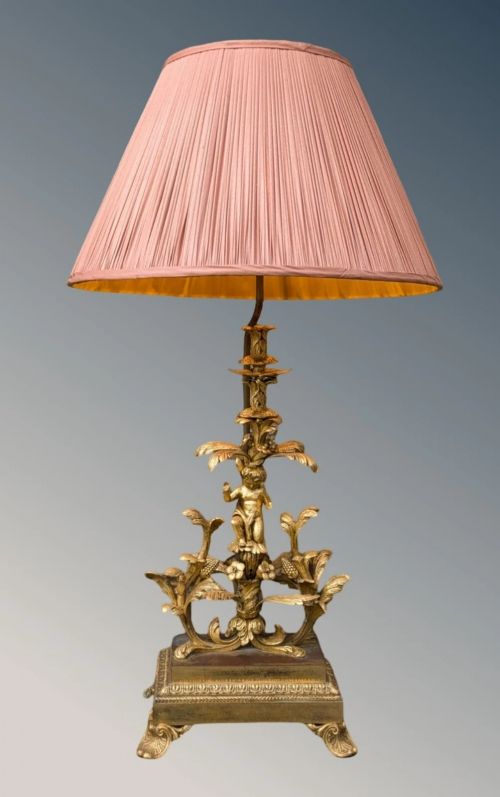
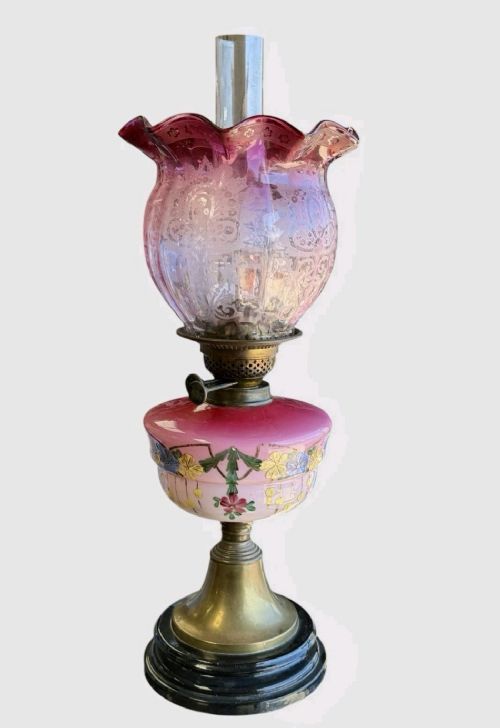
When you search for an antique pink table lamp, you encounter pieces that span the nineteenth century and the early decades of the twentieth, often originating as converted oil lamps or decorative lighting from the Victorian and Edwardian eras. The most common forms on this page feature pink glass, porcelain, or marble fonts and vessels paired with brass or gilt mounts, reflecting the tastes of the eighteen-eighties through to nineteen-twenties.
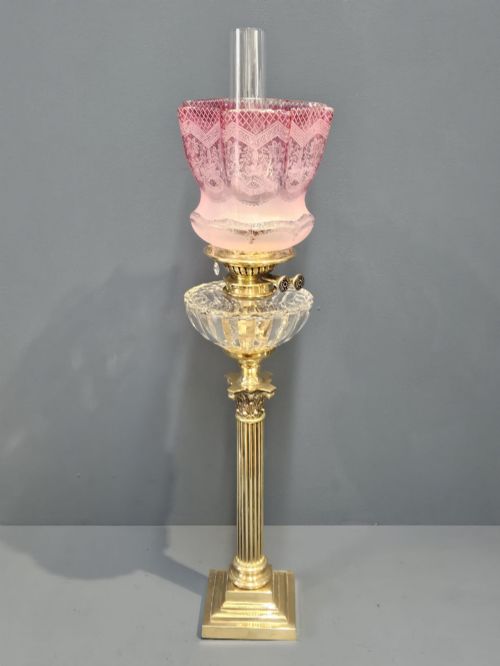
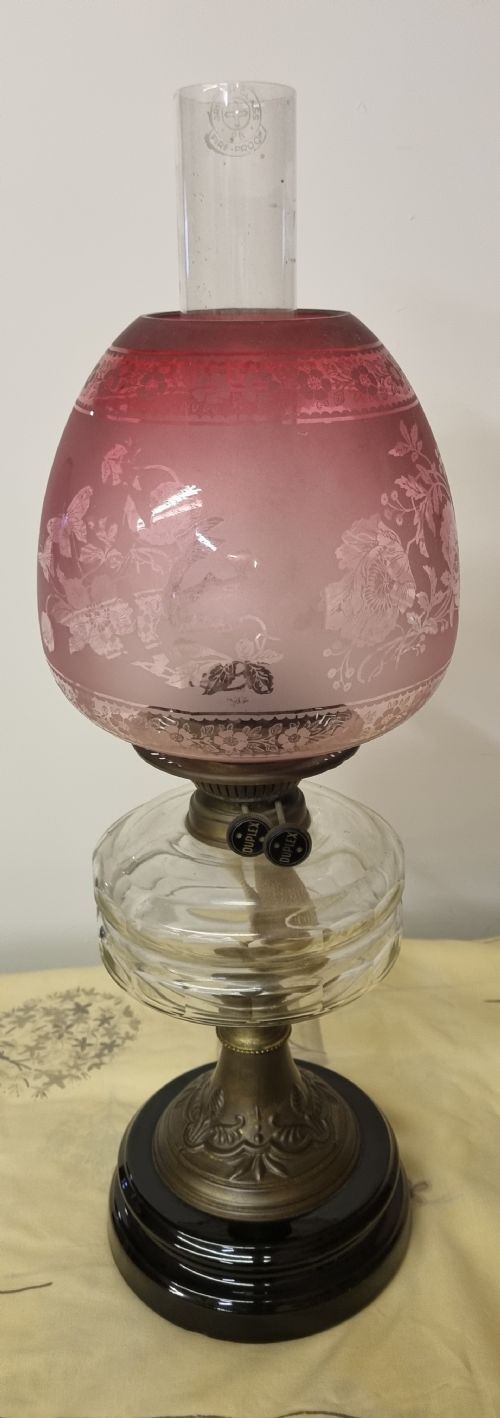
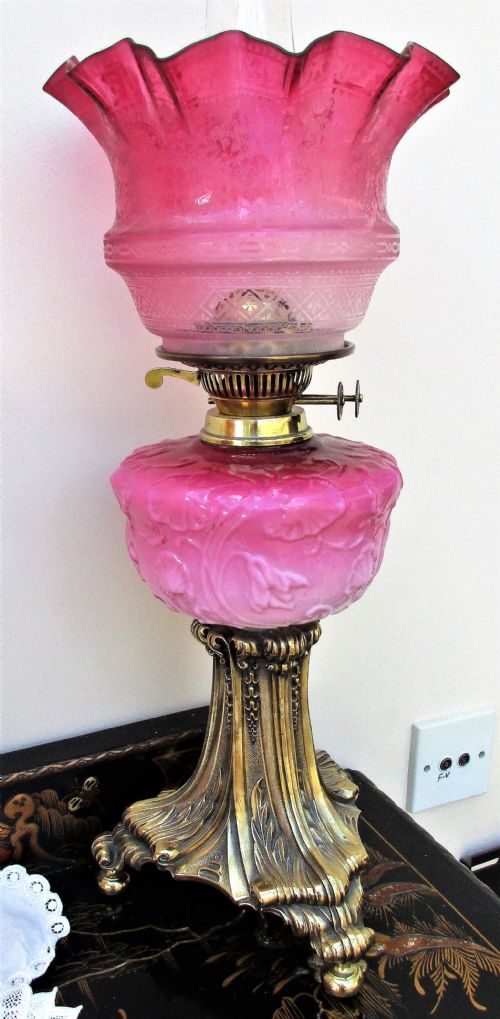
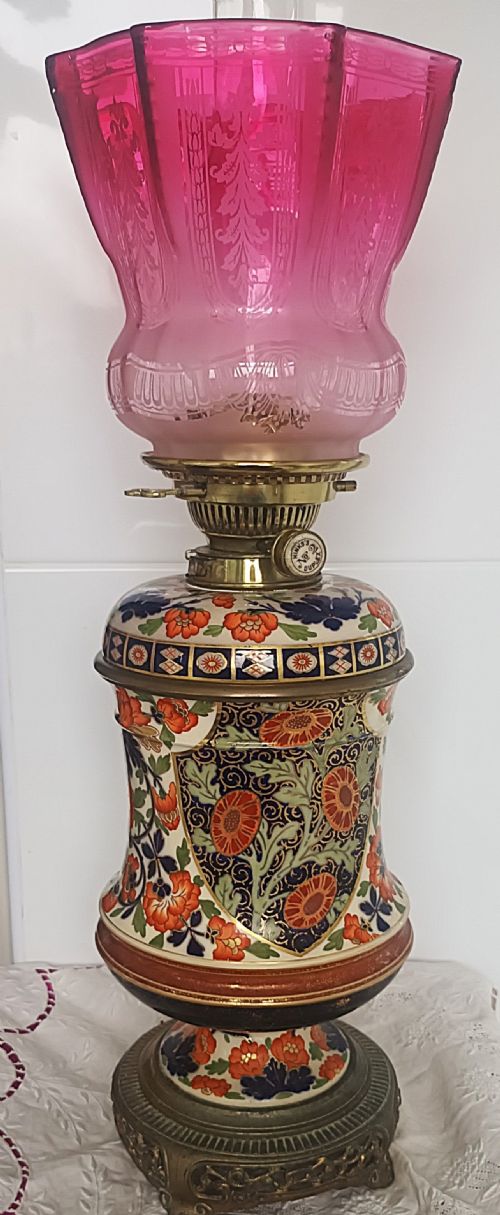
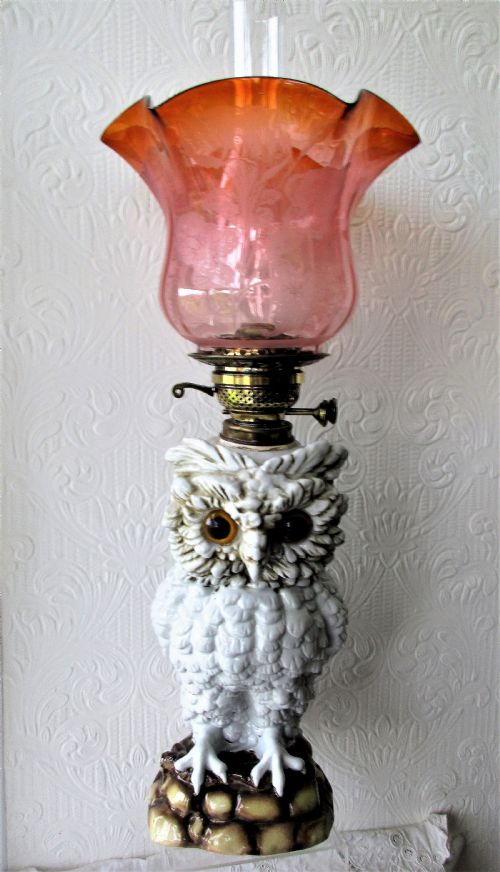
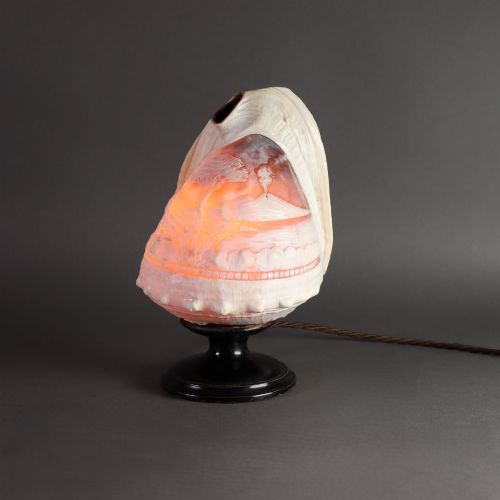
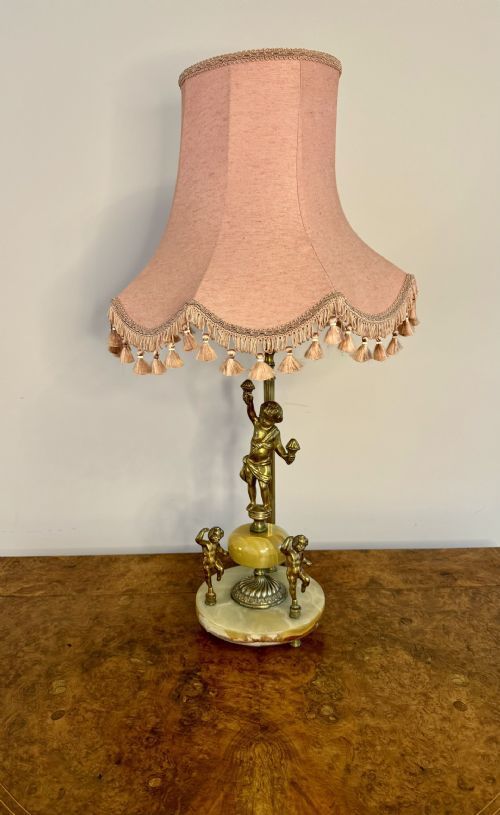
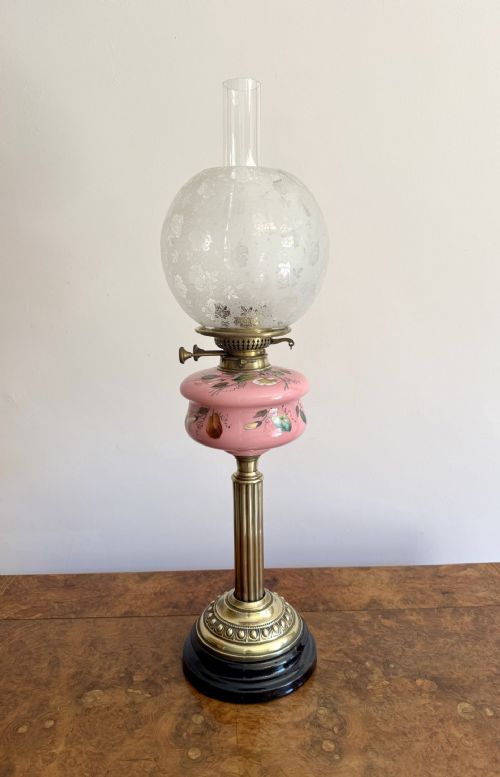
The selection ranges from tall Victorian oil lamps with hand-painted ceramic or cranberry glass reservoirs to Art Deco mood lighting and French porcelain designs. Many pieces began life burning paraffin before conversion to electricity, retaining their original burners, columns, and decorative shades.
Materials and construction methods
Makers utilised brass, gilt bronze, and cast metal for the structural columns and bases, often combining them with hand-blown glass or moulded porcelain reservoirs tinted in shades of pink and cranberry. Ceramic bodies frequently display hand-painted floral motifs or gilt decoration applied before a final glaze firing.
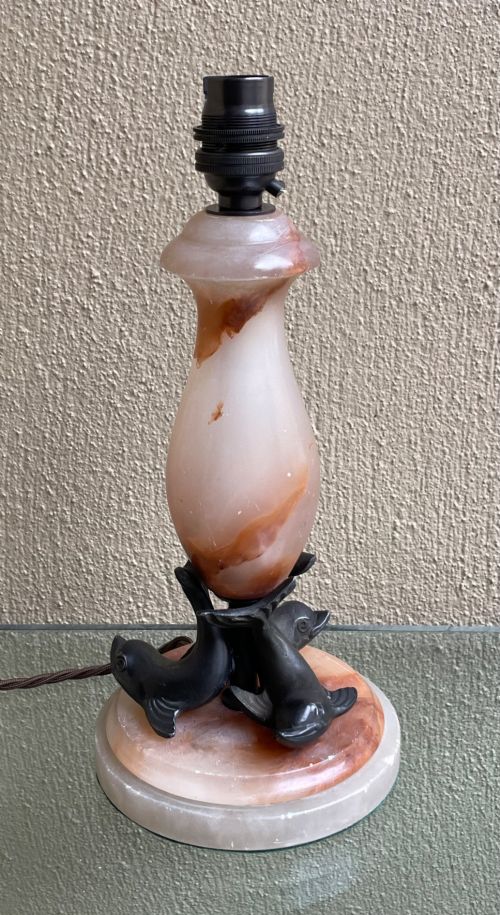
Sturdier models incorporate marble or onyx plinths to provide stability for taller font assemblies, while brass components are typically cast, turned, and occasionally cold-painted or parcel-gilt to achieve a finished ornamental effect.
Listings feature brass, glass, porcelain, and marble materials across Victorian, Edwardian, and Art Deco periods.
Distinctions in quality and execution
Quality in these lamps rests on the crispness of the metal casting, the weight and clarity of the glass or porcelain, and the intricacy of any hand-painted decoration. Finer examples display well-defined Corinthian capitals, substantial brass collars, and deeply etched or layered glass shades rather than simple pressed moulds.
The balance between the base and the vessel also marks the standard of the piece, with better workshops ensuring robust construction in the internal weighting and secure mounting of the burner or bulb holder.
Sitzendorf·Taylor Tunnicliff·Hinks·Argilor
The Antique Pink Table Lamp Glossary
- Cranberry glass
- A rich pinkish-red glass produced by adding gold chloride to the molten batch during manufacture in the nineteenth century.
- Ormolu
- Gilded bronze mounts and decorative fittings cast and chased to embellish nineteenth-century porcelain and marble lamp bases.
- Corinthian column
- A classical architectural column style frequently utilised for the tall brass or bronze stems of Victorian oil lamps.
- Spelter
- A zinc alloy commonly cast into decorative figures and bases for French and English lamps during the late nineteenth and early twentieth centuries.
Antique Pink Table Lamp: Frequently Asked Questions
Were all antique pink table lamps originally electric?
Most older examples started as oil lamps burning paraffin or kerosene during the Victorian and Edwardian periods. They were subsequently converted to run on electricity by feeding wire through the central column.
This conversion process preserves the decorative glass font and brass burner assembly while updating the piece for modern domestic use.
How do I date an antique pink glass lamp?
Dating relies on examining the manufacturing techniques of the glass, the style of the brass burner or collar, and any registration marks stamped into the metal. Victorian pieces from the eighteen-eighties often feature hand-painted details and heavy brass bases.
Later Edwardian and nineteen-twenties examples tend to show simpler geometric lines or different proportions associated with Art Deco design.
Can I replace the lampshade safely?
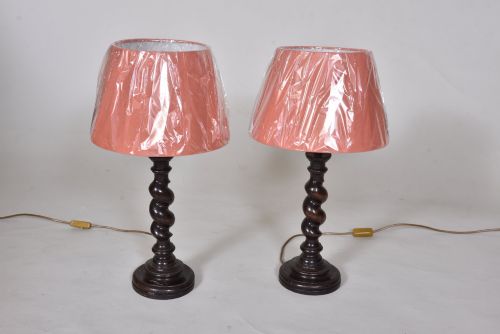
Replacement shades are widely used to match the pink tones of the glass or ceramic base, provided the fitter size matches the original brass gallery. Many collectors pair antique bases with period-appropriate fabric or etched glass shades.
Ensure that any new shade allows adequate clearance for modern low-heat bulbs.
How should I clean a painted porcelain lamp base?
Cleaning requires a soft, dry cloth to remove dust from delicate hand-painted surfaces and gilt highlights. Avoid using chemical cleaners or abrasive sponges that might damage the nineteenth-century glaze or coloured glass.
Care must also be taken around old wiring and vintage brass fittings to keep moisture away from electrical components.