


Antique Pink Porcelain
When you search for antique pink porcelain, you encounter pieces spanning the eighteenth through the twentieth centuries, from delicate teawares to grand decorative clocks.
Antique Pink Porcelain
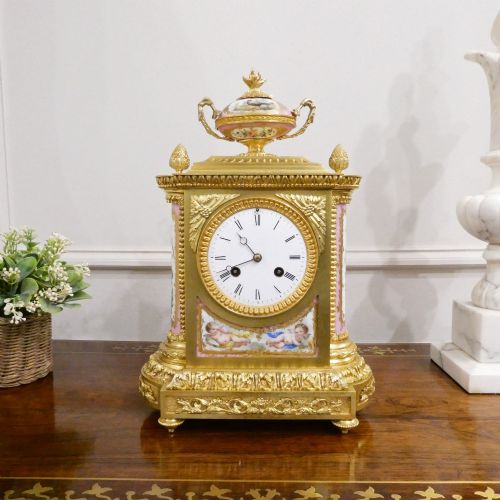
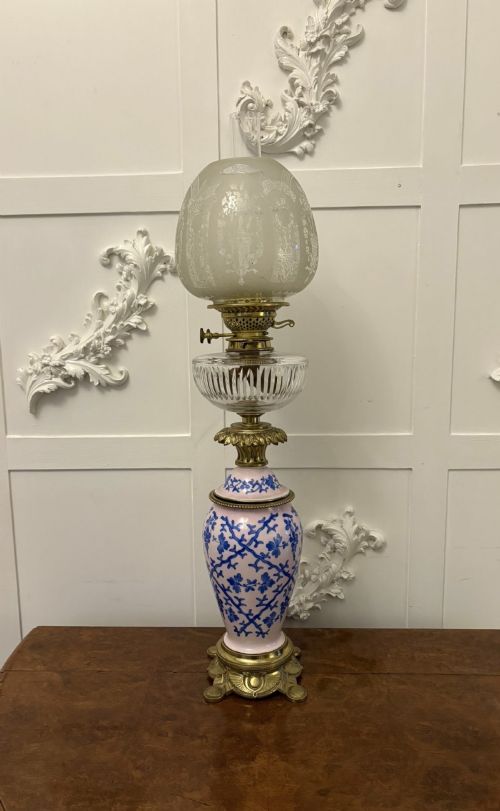
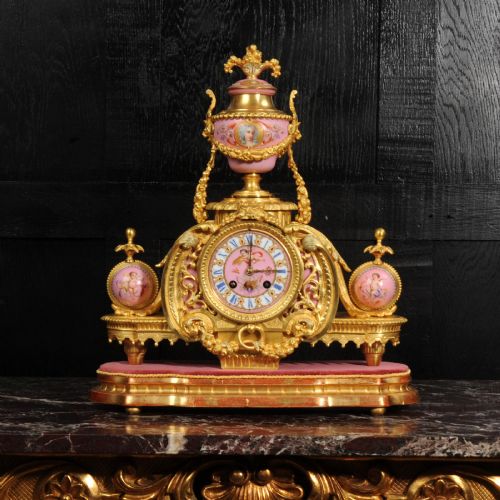
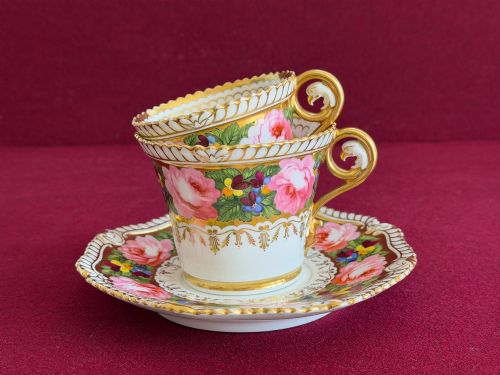
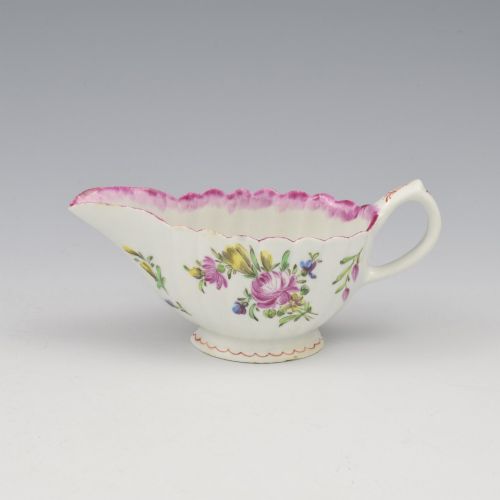
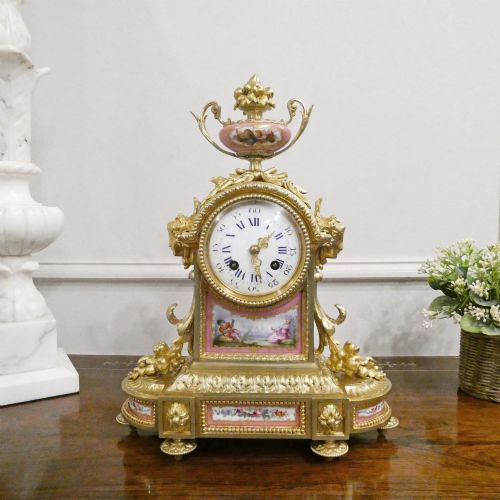
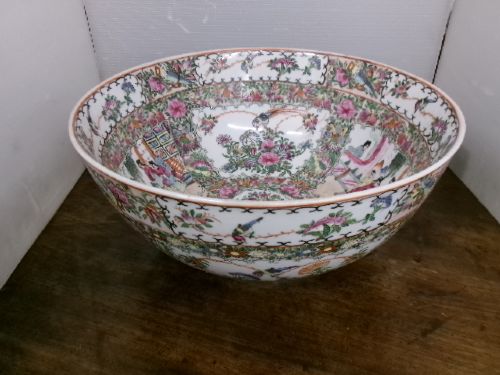
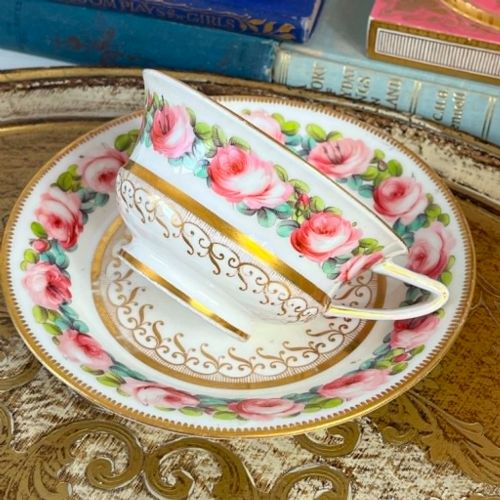
The antique pink porcelain on this page encompasses a diverse array of utilitarian and decorative objects, ranging from early English teacups and saucers to Chinese export bowls and French mantel clocks. You will frequently find eighteenth-century domestic ceramics alongside nineteenth-century European vases and figures.
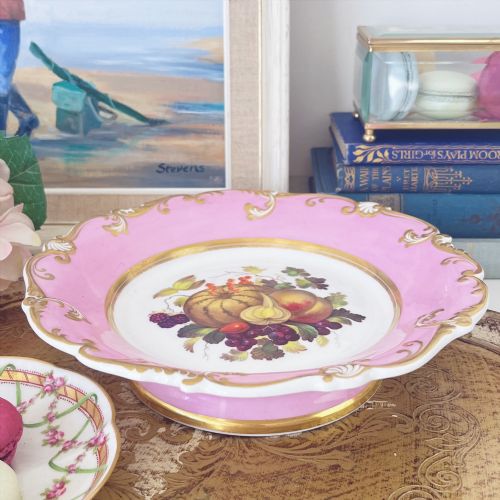
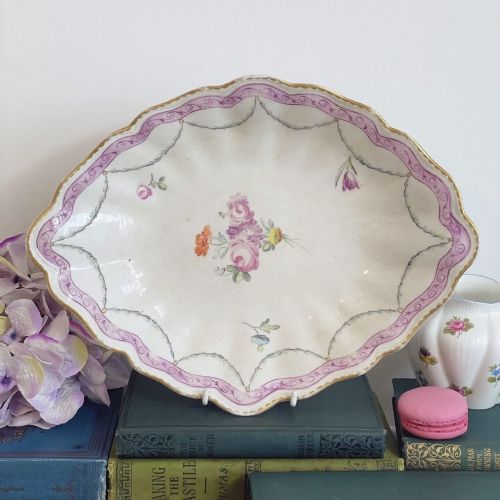
The selection includes specific forms such as teapots, comports, sweetmeat stands, and figurines alongside larger decorative vessels like jardinières and moon flasks. Makers and manufacturers from England, France, Germany, and China are represented across various periods.
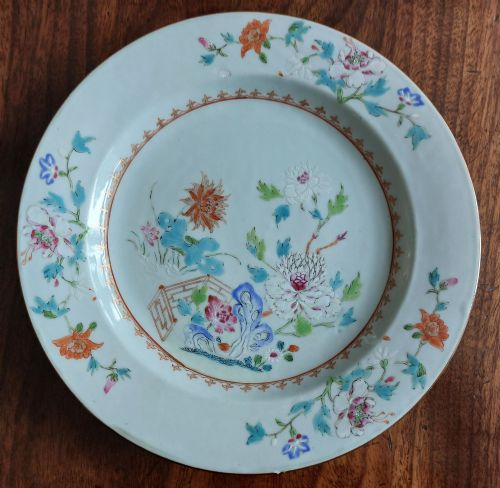
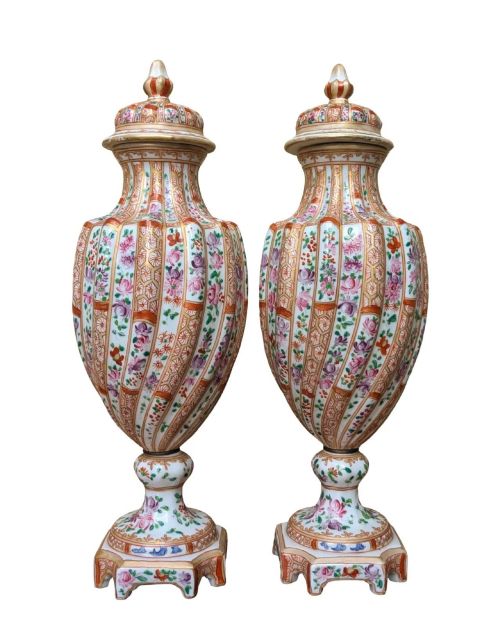
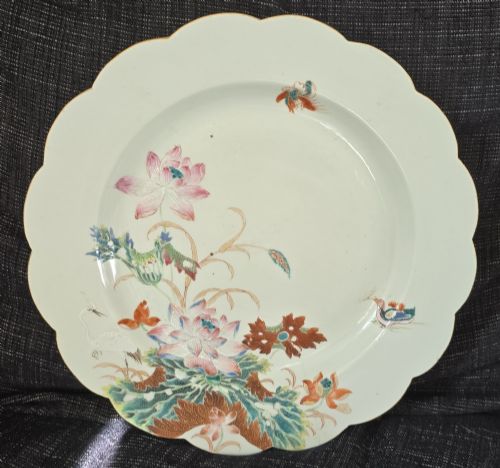
Many items feature handpainted floral motifs or distinct coloured grounds, including rose pompadour and Canton palettes, reflecting the shifting tastes of the Georgian, Victorian, and Edwardian eras.
What varies in quality
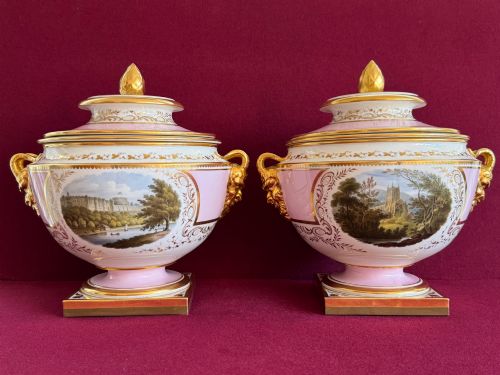
The integration of materials also defines the standard, seen in the crispness of the porcelain moulding, the richness of the gilding, and the quality of associated ormolu mounts or metalwork.
The listings span the eighteenth, nineteenth, and twentieth centuries, incorporating materials from standard porcelain and soft-paste to earthenware, enamel, and gold leaf.
H and R Daniel·Achille Brocot·Royal Doulton·Derby Porcelain·Chamberlain Worcester·Bow Porcelain·Japy Freres·Grainger Worcester·Coalport Porcelain·Sitzendorf·New Hall·Cauldon Ltd·Royal Dux Bohemia·Bourdois and Bloch·Meissen·Spode·Vion and Baury
The Antique Pink Porcelain Glossary
- Soft-paste porcelain
- A ceramic material composed of clay and glass frit, fired at lower temperatures than hard paste. It was widely used by eighteenth-century English factories before true porcelain formulas became standard.
- Gilding
- The application of gold leaf or powdered gold to the surface of ceramics or metal mounts. This technique highlights rims, handles, and decorative motifs.
- Ormolu
- Cast bronze that has been mercury-gilded, commonly used for decorative mounts on French clocks and porcelain vessels. It provides a bright golden accent to the ceramic body.
- Famille Rose
- A palette of opaque enamels dominated by pink, introduced to Chinese ceramics during the Qing dynasty. It appears on export porcelain chargers, vases, and punch bowls.
- Comport
- A raised decorative dish or bowl used for serving fruit or sweets at the dining table. They frequently feature footed bases or handles.
Antique Pink Porcelain: Frequently Asked Questions
How do I date antique pink porcelain?
Dating relies on identifying factory marks, stylistic periods such as Georgian or Victorian, and the specific composition of the ceramic body. Examining the handpainted decoration and colour palette also offers clues to the era of manufacture.
Changes in manufacturing techniques, from eighteenth-century soft-paste methods to later industrial processes, help narrow down the production window.
What is Chinese export porcelain?
Chinese export porcelain refers to wares made in China specifically for Western markets, often featuring Famille Rose decoration. These pieces were shipped to Europe and beyond, blending Eastern potting traditions with Western decorative preferences.
They include large punch bowls, vases, and plates brought over during the eighteenth and nineteenth centuries.
How should I display these ceramics?
Displaying antique porcelain requires stable placement away from direct sunlight and areas subject to sudden temperature fluctuations. Cabinets or flat surfaces with adequate support prevent accidental knocks.
Items with delicate elements, such as lace groups or protruding figural details, need careful clearance from high-traffic zones.
Are these pieces functional or decorative?
Many items, such as teacups, saucers, and teapots, were originally created for domestic dining and beverage service. Others, including mantel clocks, figurines, and comports, served primarily ornamental roles in period interiors.
Over time, even utilitarian teawares often transition into display pieces due to their age and delicate condition.