
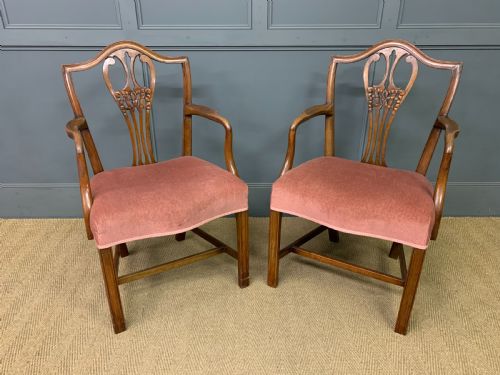
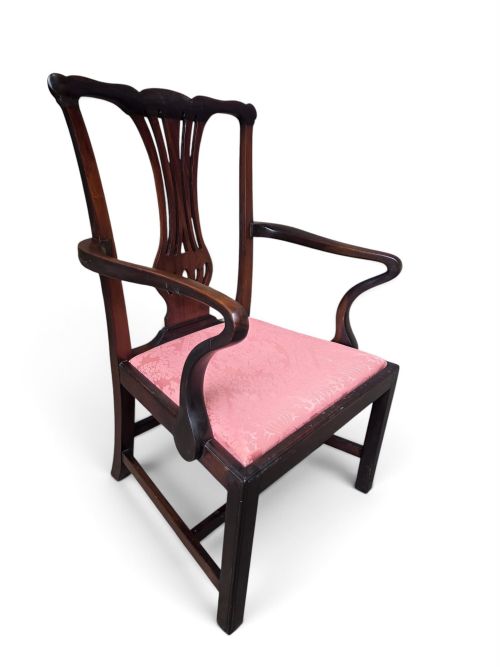


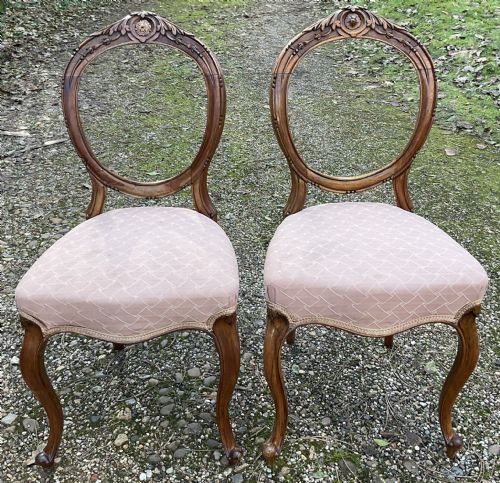


Antique Pink Desk Chair
An antique pink desk chair brings a distinct splash of colour and period character to a study.
Antique Pink Desk Chair
The selection ranges from robust carver chairs and library armchairs to delicate bedroom and salon chairs. Each piece shows the craftsmanship of earlier centuries, blending sturdy timber frames with decorative upholstery.
How they were made
Carpenters and cabinet makers shaped these chairs from solid hardwoods including mahogany, walnut, and satinwood. Frames frequently feature traditional joinery, carved details, barley twists, or marquetry inlay.
Upholstery relies on traditional textiles such as velvet, damask, and woven fabric secured over sprung or padded seats. Brass fittings and hand-painted decorations occasionally accent the timber structures.
Periods represented span from Georgian and Victorian times through Edwardian and 1920s designs.
What varies in quality
The standard of a chair rests on the crispness of its timber carving, the selection of figured veneers like satinwood, and the integrity of the frame's construction. Pieces with intricate marquetry inlay or sophisticated revival styles naturally sit higher in the tier.
Condition of the wooden structure and the quality of the textile upholstery dictate the overall appeal. Original timber surfaces with good patination distinguish finer examples from heavily restored or lesser pieces.
The Antique Pink Desk Chair Glossary
- Carver chair
- An armchair, often designed for the head of a dining table or for a desk, featuring supportive armrests.
- Marquetry
- Decorative inlay work using various coloured wood veneers to create intricate patterns on surfaces like chair backs.
- Barley twist
- A carved spiral woodworking technique popular on Victorian furniture legs and stretchers.
- Satinwood
- A durable, lustrous timber from tropical trees utilised for fine cabinet making and decorative stringing.
- Damask
- A reversible figured fabric traditionally woven with patterns visible on both sides.
Antique Pink Desk Chair: Frequently Asked Questions
Can I use an antique armchair at a modern desk?
Many buyers successfully pair antique carvers and bedroom chairs with contemporary desks, provided the seat height allows comfortable legroom. Checking the specific dimensions of the chair ensures proper clearance beneath a modern workspace.
Adding a cushion can adjust the seating height if necessary, though historic chairs often match standard ergonomic needs surprisingly well.
How do I care for antique wood furniture?
Maintaining wooden frames involves keeping them away from direct heat sources and strong sunlight to prevent the timber from drying out. Occasional dusting with a soft, dry cloth preserves the finish without damaging the patina.
Applying specialised beeswax periodically helps nourish older hardwoods like mahogany and walnut, maintaining their natural lustre over decades of daily use.
How do I identify a Victorian chair?
Victorian seating often displays darker hardwoods, robust carving, and distinctive details such as barley twist legs or button-backed upholstery. The styling frequently borrows from earlier eras, resulting in revival designs like Rococo or Neoclassical.
Examining the construction methods underneath, including hand-cut screws or traditional joinery, helps confirm the nineteenth-century origin of the piece.
What is a salon armchair?
Salon armchairs were lighter, decorative seats intended for entertaining guests in a formal reception room rather than for heavy daily lounging. They frequently feature inlaid woodwork, delicate frames, and upholstered seats covered in fine textiles.
These pieces add distinct period elegance to modern bedrooms or quiet reading corners without dominating the floor space.
Are Edwardian chairs different from Victorian ones?
Edwardian furniture generally exhibits lighter proportions and brighter satinwood or mahogany timbers compared to the heavier walnut and dark finishes favoured during the Victorian era. Inlay work and Sheraton Revival influences appear frequently in Edwardian pieces.
The overall aesthetic shifts toward refined simplicity while retaining traditional craftsmanship and decorative marquetry.