

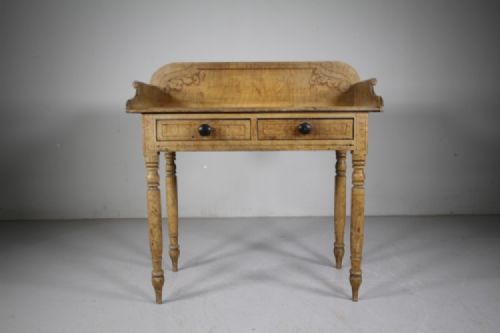


Antique Pine Vanity Table
An antique pine vanity table brings domestic warmth to a bedroom through honest timber and straightforward utility.
Antique Pine Vanity Table
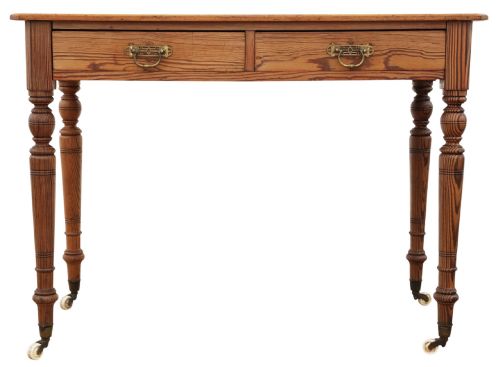
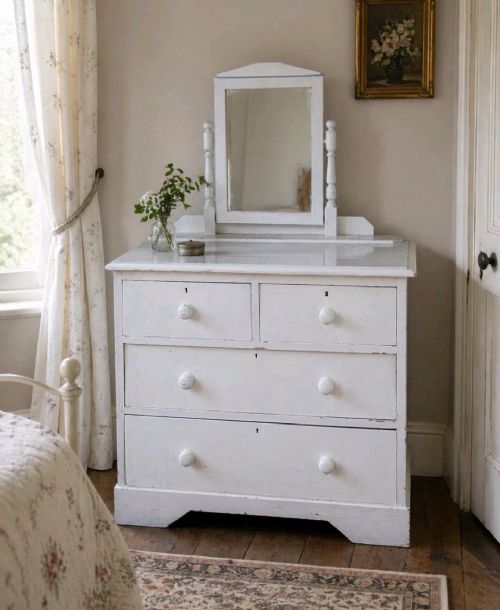
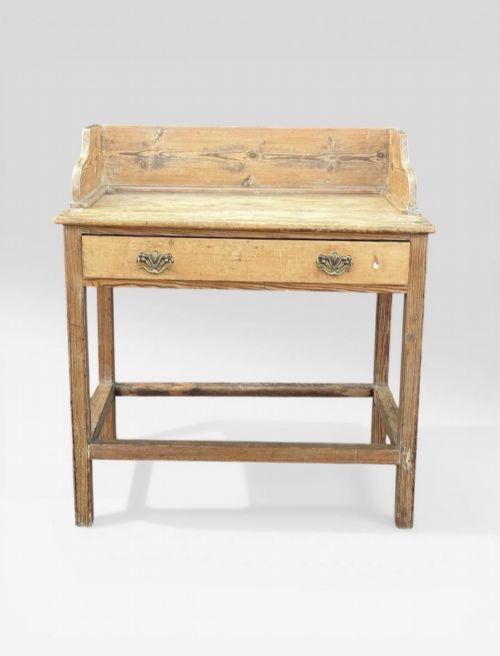
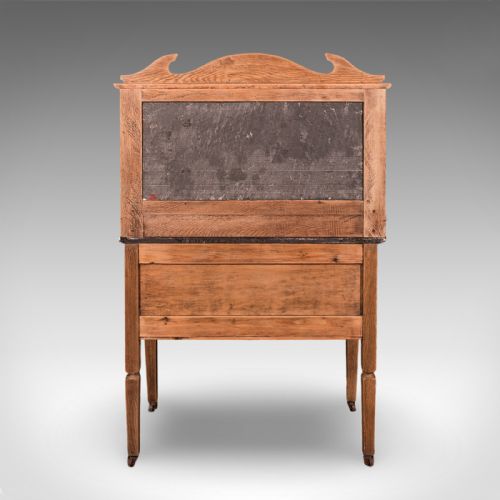
An antique pine vanity table serves as a functional dressing surface or washstand, combining softwood construction with practical drawers or basin housings. Pieces matching this description span the Georgian, Regency, Victorian, and Edwardian eras.
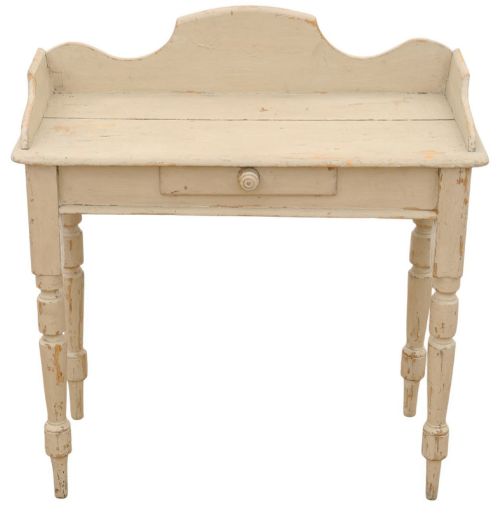
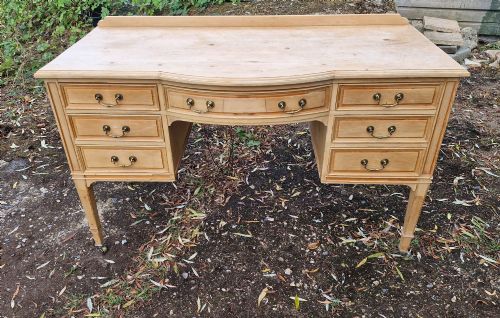
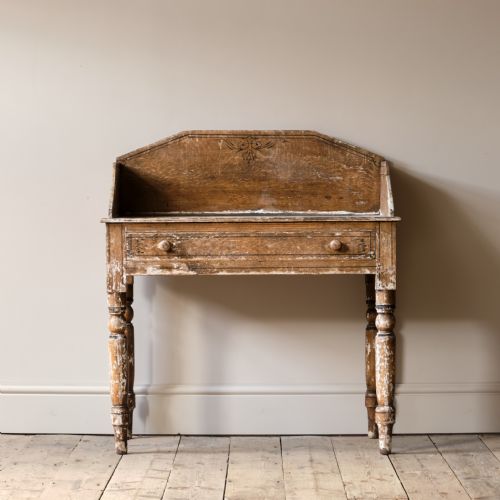
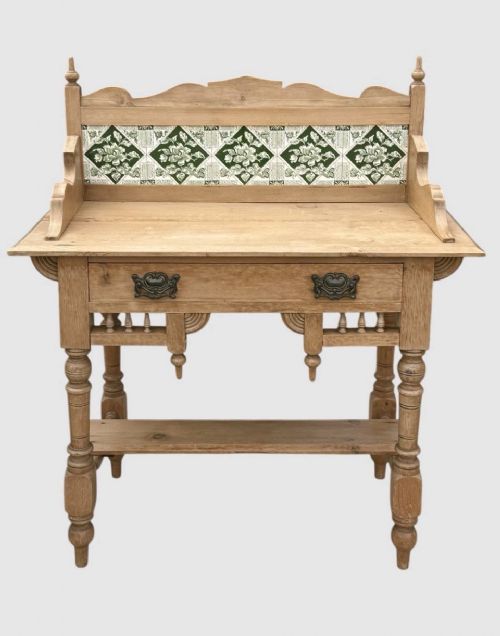
The versions most commonly met on this page include Victorian and Edwardian examples configured as dressing chests, kneehole writing tables, or washstands with tile gallery backs. These pieces range from rustic farmhouse forms to finer painted or scumble glazed variations.
How they were made
Makers utilised solid pine and pitch pine for carcases and tabletops, often pairing the timber with brass handles, glass mirrors, and ceramic or marble inserts. Construction relies on traditional joinery methods suited to utilitarian household furniture.
Surface treatments vary from plain scrubbed timber to painted finishes, original stencilled decoration, and scumble glazing that imitates rarer woods. Washstands frequently incorporate tile splashbacks and metal or earthenware basin components.
Some Victorian washstands survived decades of nursery service after being repurposed as sturdy baby changing units.
What varies in quality
Quality in these pieces depends upon the integrity of the timber selection and the retention of original surface finishes, such as stencilling or scumble glaze. Plain utility items differ from finer country house examples that feature sophisticated proportions and fitted drawer arrangements.
The presence of original hardware, mirrors, and tile gallery backs elevates an individual piece above heavily altered or stripped equivalents. Structural retention of joints and drawers marks the division between everyday utilitarian survivals and superior workshop productions.
The Antique Pine Vanity Table Glossary
- Pitch pine
- A dense, resinous variety of pine timber often used in nineteenth-century furniture for its distinct grain pattern and durability. It withstands heavy daily use better than standard softwoods.
- Scumble glaze
- A translucent decorative paint technique applied over a pale ground to simulate the appearance of figured hardwoods like oak or walnut. Craftsmen popularised this finish during the Victorian period.
- Tile gallery back
- A raised vertical barrier at the rear of a washstand inset with decorative ceramic tiles to protect walls from water splashes. These tiles frequently display floral or geometric Victorian transfer prints.
Antique Pine Vanity Table: Frequently Asked Questions
How do I clean an antique pine vanity table?
Dust the surface regularly with a dry or slightly damp lint-free cloth to prevent dirt build-up in the grain. Avoid modern chemical polishes that can degrade original painted or waxed finishes.
For waxed pine, apply a quality bees-wax periodically to nourish the timber and maintain a soft lustre. Painted or scumble-glazed surfaces require particular care to preserve the historical decoration.
Were these tables used for washing or dressing?
Pine vanity furniture served multiple domestic functions, operating interchangeably as dressing tables, writing desks, and washstands. Many washstand variants included space for a jug and bowl alongside drawer storage.
Makers adapted standard forms to suit bedrooms, nurseries, and dressing rooms according to household needs. Surviving hardware and internal fittings usually indicate the primary intended use of a specific piece.
How can I tell a Victorian table from an Edwardian one?
Victorian pieces frequently display heavier proportions, darker pitches of pine, and robust decorative details like stencilled motifs or tile gallery backs. Construction methods from this era emphasise utility and solid, heavy carcases.
Edwardian furniture tends towards lighter construction, simpler lines, and occasionally brighter painted surfaces or faux bamboo turnings. Examining the drawer linings and backboards helps confirm the manufacturing period.
Can I use an antique washstand as a modern basin unit?
Adapting a pine washstand for contemporary plumbing requires careful modification to accommodate modern pipes while protecting the historic timber from water damage. Many buyers prefer to utilise them as standalone side tables or hallway storage.
If plumbing installation is desired, a waterproof sealant or custom marble top can safeguard the antique structure. Original washstands retain their charm best when their surface patination remains respected.