
Antique Pine Side Desk
An antique pine side desk brings honest utility and warm grain to a room, serving as a practical workspace or hall surface.
Antique Pine Side Desk
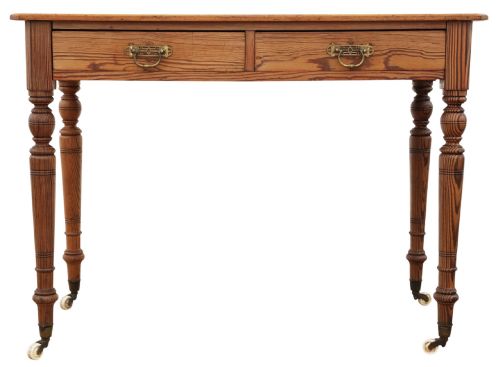
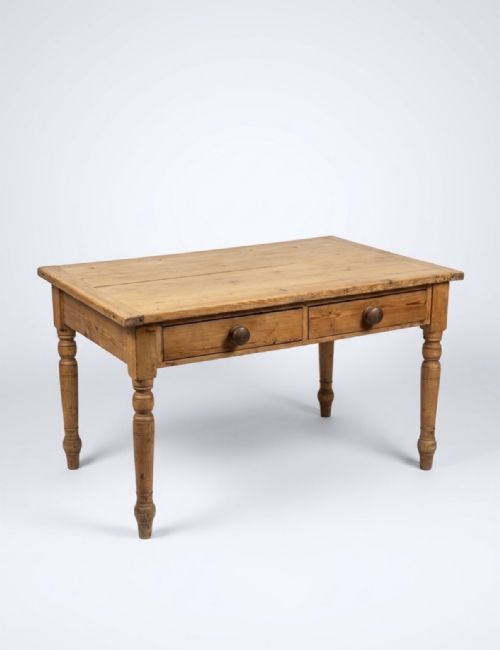
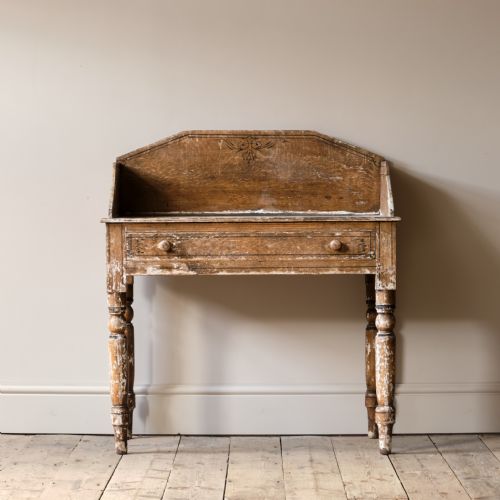
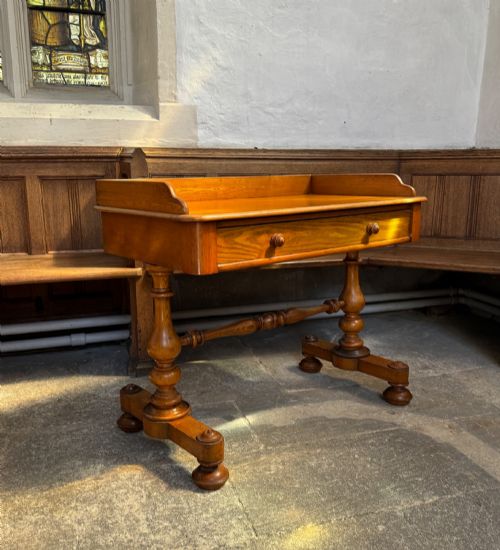
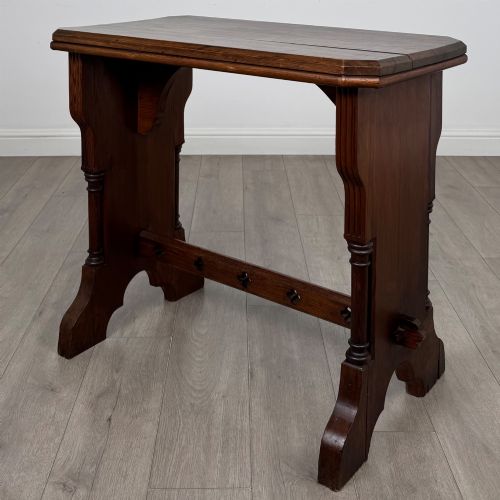
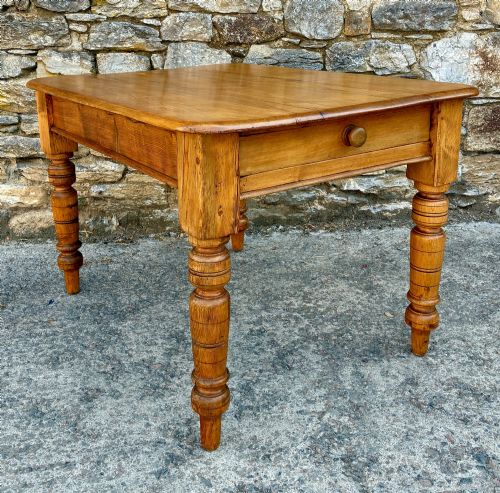
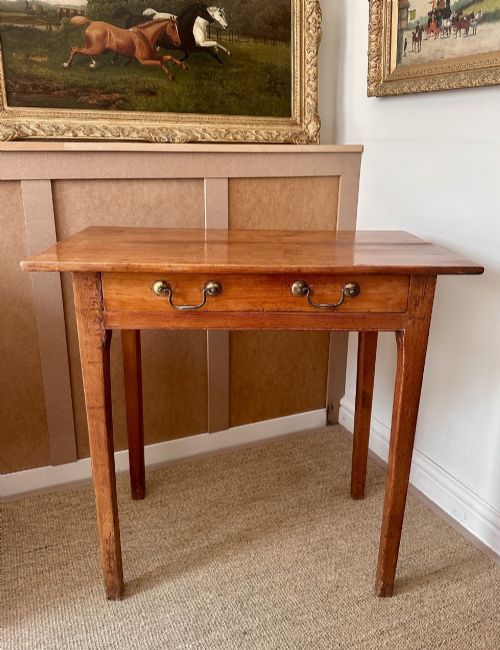
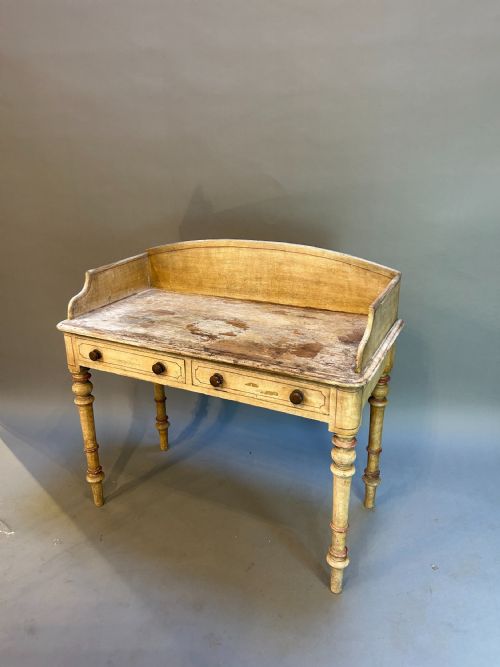
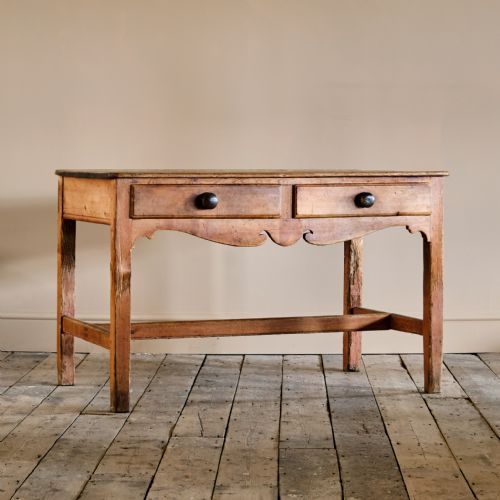
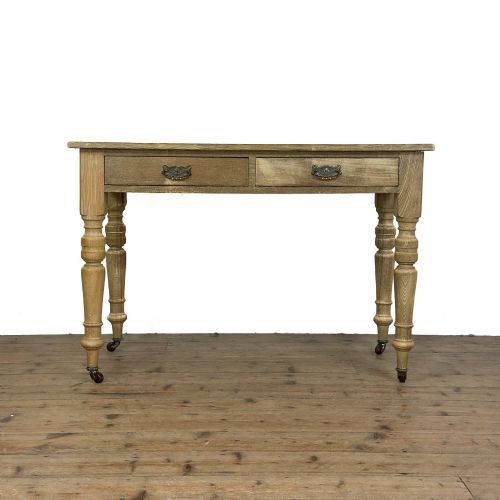
An antique pine side desk is fundamentally a utilitarian table designed for writing, serving, or simple daily tasks against a wall. The pieces seen here span the Georgian, Victorian, and Edwardian eras, appearing in forms such as writing tables, washstands, servers, and drawer-fitted side tables.
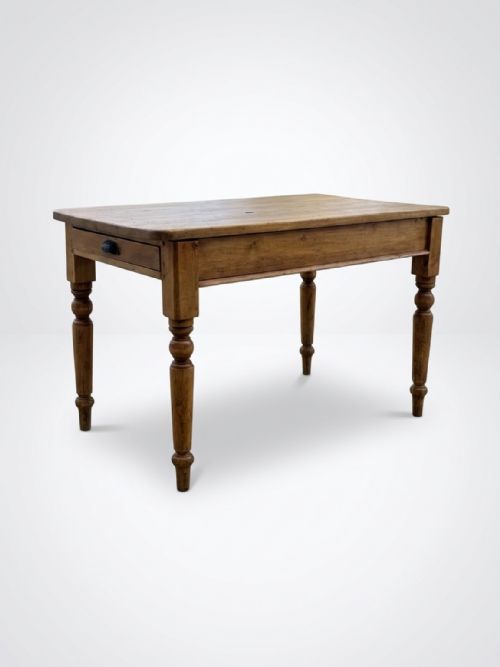
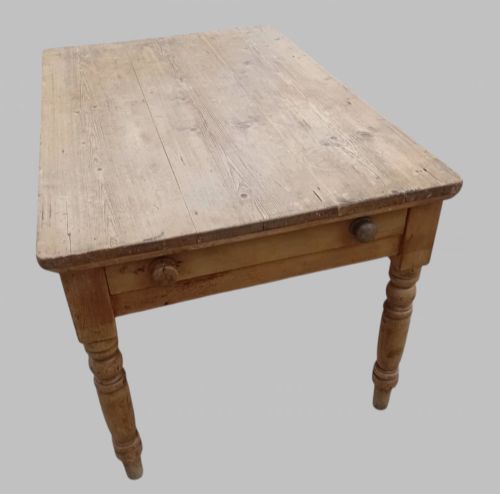
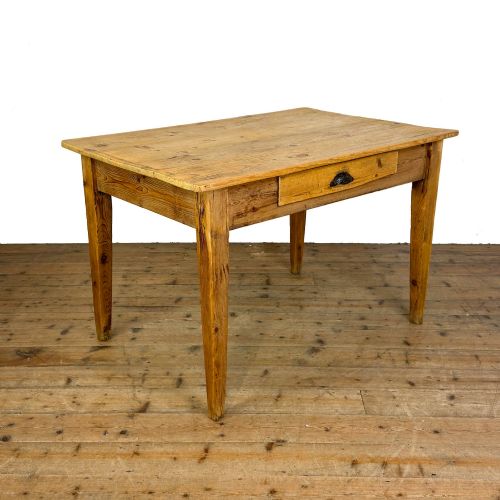
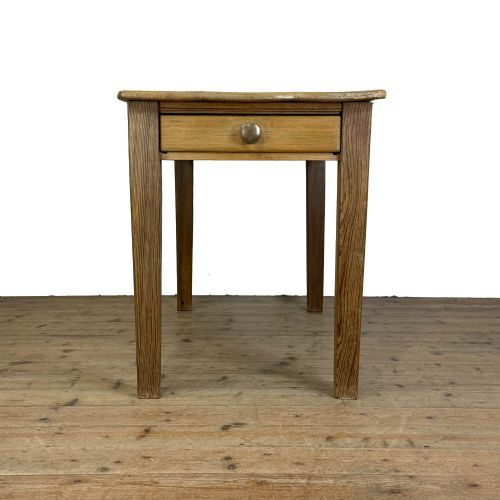
The most common version met on this page is the Victorian or nineteenth-century pine side table featuring a single drawer to the front frieze. These range from scrub-top farmhouse surfaces to painted Scandinavian and English country pieces.
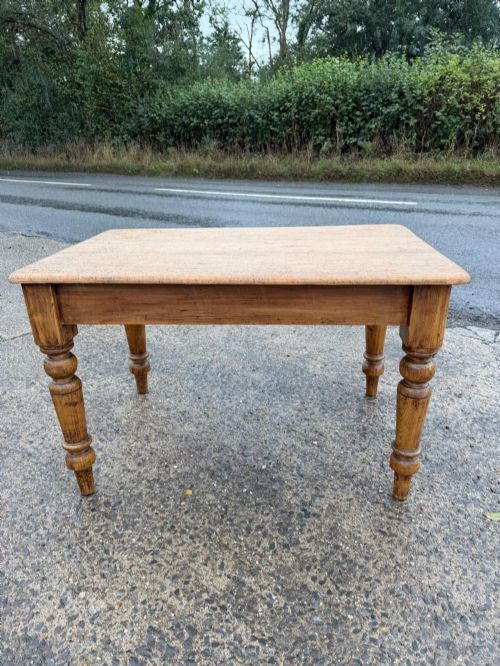
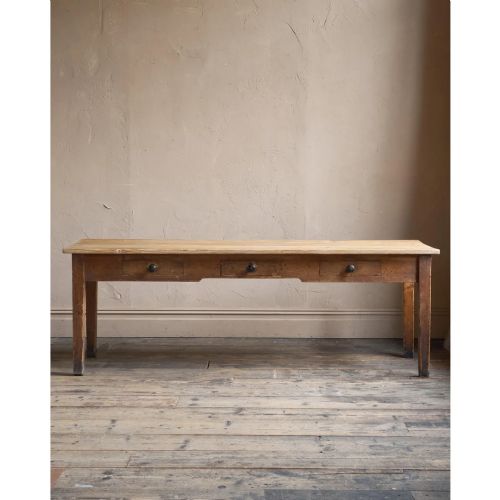
Proportions vary from small hall surfaces to long kitchen and scullery tables adapted for side use. The timber itself shows significant character, moving from standard pale pine to dense pitch pine and older fruitwood variants.
Materials and construction
Makers utilised softwoods predominantly, relying on standard pine and denser pitch pine for structural durability and flat working surfaces. Metal fittings such as brass handles and cast iron elements appear alongside ceramic components on washstands and drawers.
Surface treatments define many examples, featuring original painted finishes like Swedish Falu red or classic period paint alongside stripped and scrubbed timber tops. Construction methods prioritise straightforward joinery suited to domestic and institutional work furniture.
Object types range from side tables and writing desks to washstands, tavern tables, and large kitchen surfaces.
Judging quality and character
Quality rests in the integrity of the timber selection and the retention of original surfaces rather than heavy restoration. Dense pitch pine and well-figured standard pine show better grain definition and structural longevity.
The presence of original paintwork or untouched scrub-tops elevates a piece considerably compared to modern stripping. Original drawer construction, period brass hardware, and untouched joinery mark out the finer examples in this category.
The Antique Pine Side Desk Glossary
- Pitch pine
- A dense, resinous softwood variety prized for its durability and strong grain pattern. It was frequently utilised in nineteenth-century institutional and domestic furniture.
- Frieze
- The central horizontal section of a table directly beneath the top. This area often houses the single or multiple drawers found on these desks.
- Scrub-top
- A bare wooden tabletop designed to be scrubbed clean with water and sand. This finish is typical of utilitarian kitchen and scullery tables.
- Washstand
- A domestic piece designed to hold a basin and pitcher for washing. Many examples double effectively as narrow side tables today.
- Drop leaf
- A hinged tabletop flap that folds down to save space. This mechanism allows a side table to expand when needed.
Antique Pine Side Desk: Frequently Asked Questions
How were pine side desks used originally?
These tables served primarily as practical work surfaces in kitchens, sculleries, halls, and studies. They provided a stable area for writing, food preparation, or holding washing basins.
Their straightforward construction meant they moved easily between domestic rooms as household needs shifted over the decades.
How do I care for an antique pine surface?
Keep untreated or scrubbed pine away from direct heat sources and excessive moisture to prevent warping. A light application of appropriate wax helps nourish the dry timber over time.
For painted surfaces, dusting with a dry cloth is sufficient to preserve the historic finish without damaging the pigment.
How can I tell a Victorian pine desk from a Georgian one?
Georgian pieces generally display finer proportions, hand-cut dovetailing, and earlier timber ageing characteristics. They often feature original painted finishes or simpler, formal lines.
Victorian and later nineteenth-century examples frequently incorporate pitch pine, heavier drawer framing, and more robust country vernacular details.
Are these desks suitable for daily computer use?
Many of these side tables and writing desks offer sufficient surface area and height for modern laptops and notebooks. Check the internal knee clearance beneath the drawer frieze to ensure a comfortable fit for seating.
Adding a protective desk pad helps safeguard the historic wooden or painted surface from daily wear.