






Antique Pine Display Shelves
Antique pine display shelves bring practical storage and honest timber character to a room, spanning modest country pieces and refined painted cabinets.
Antique Pine Display Shelves
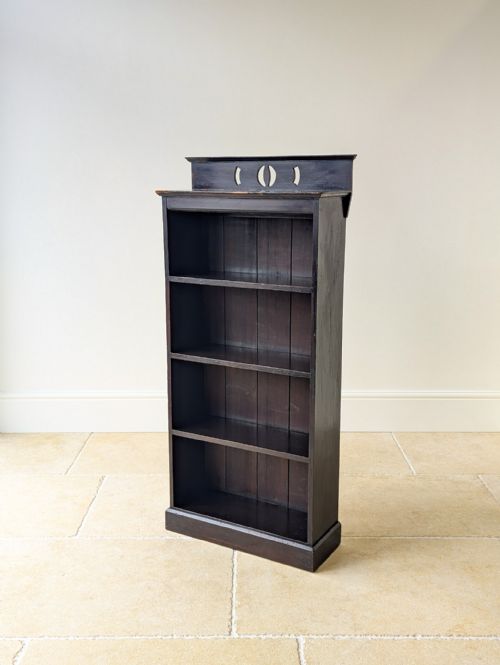
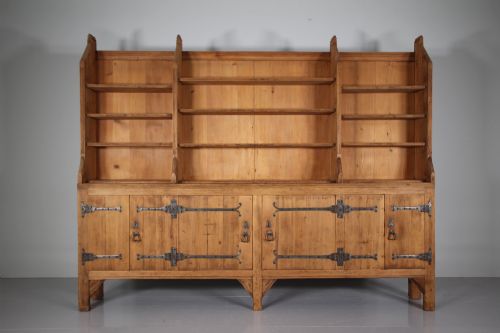
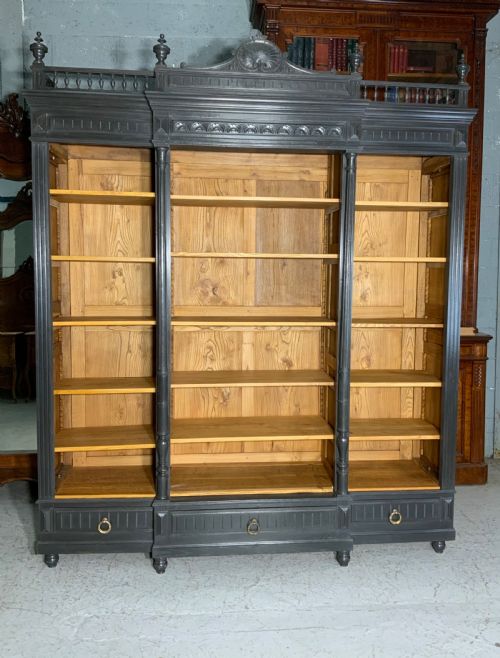
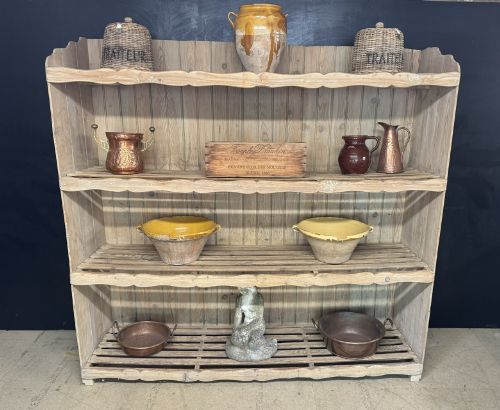
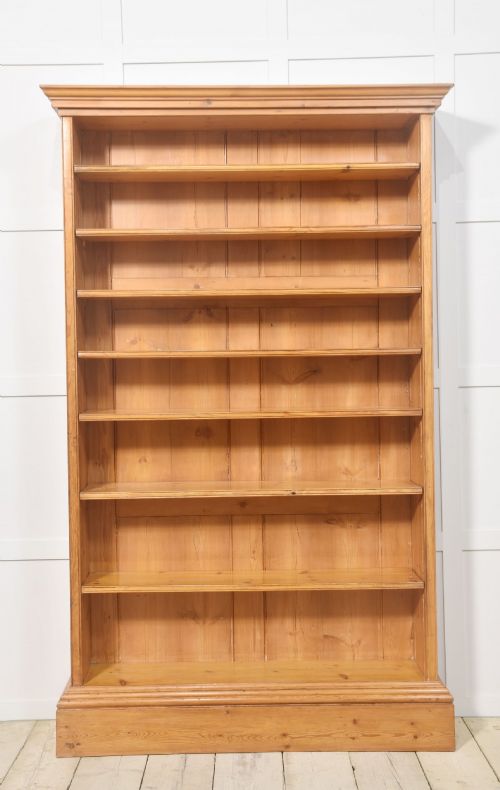
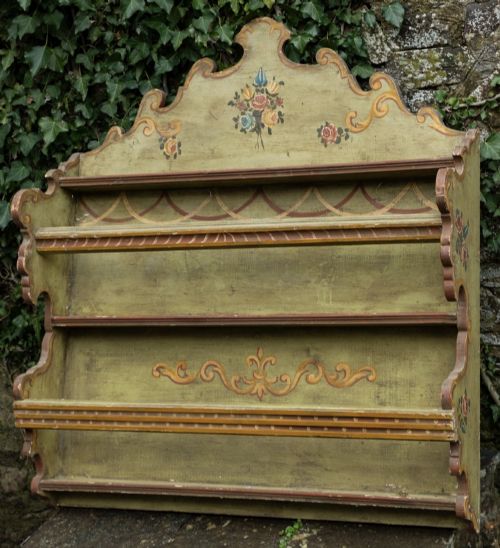
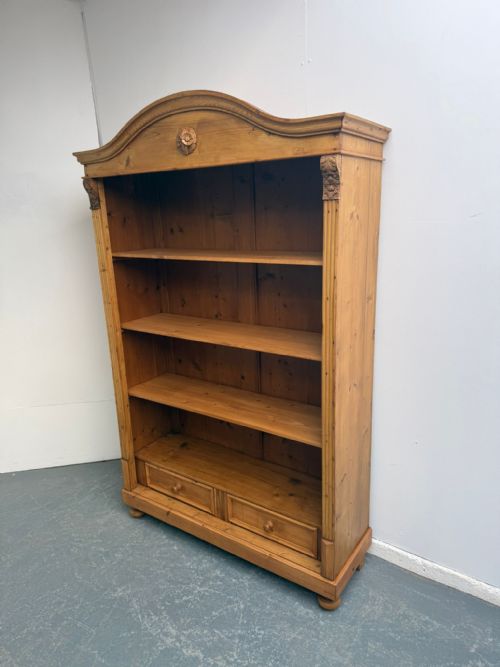
Antique pine display shelves encompass open bookcases, wall-hung units, corner cabinets, and upright dressers designed to exhibit books and household objects. These items range from simple 19th-century utility pieces to more decorative Victorian and continental examples.
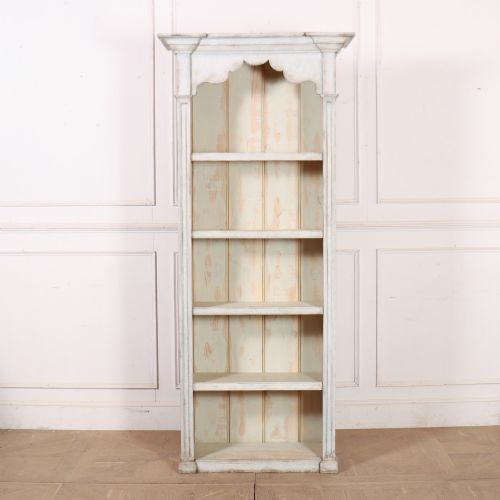
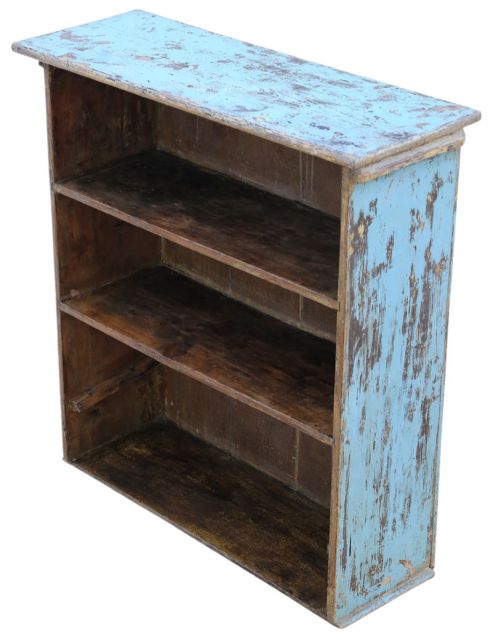
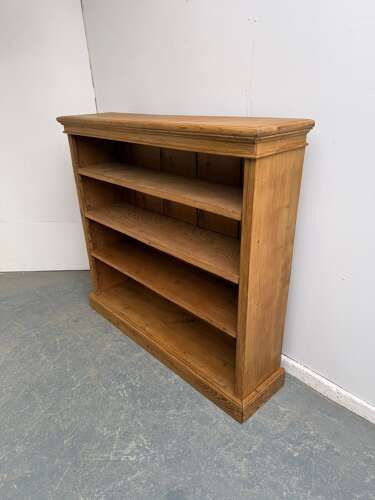
Buyers will most frequently encounter open bookcases and wall shelves originating from the 19th century and the Victorian period. These pieces often feature adjustable shelving, original waxed surfaces, or painted finishes.
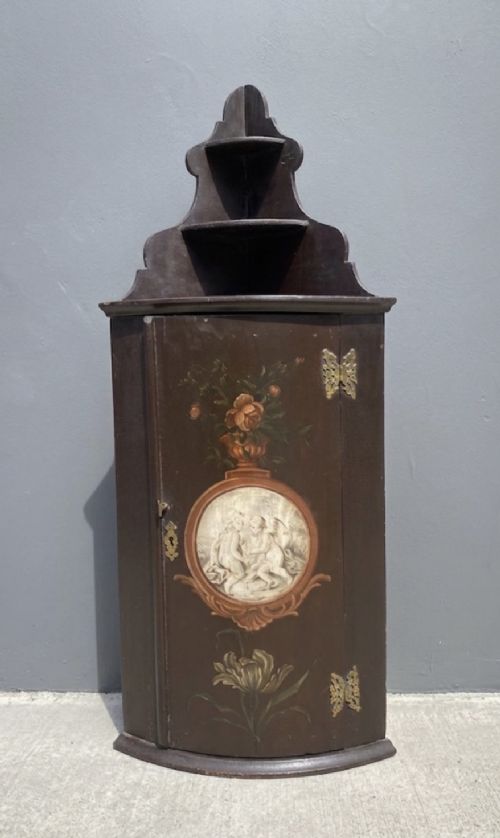
Formations also extend to corner cupboards and plate racks that combine enclosed storage with prominent display space. Regional variations span English country furniture through to French provincial and Swedish designs.
How they were made
Construction relies predominantly on solid pine and deal wood, sometimes paired with oak elements or wrought iron and brass fixings. Timbers were shaped using hand tools, resulting in visible joinery and pegged construction on earlier examples.
Surfaces were finished with wax to preserve the natural grain, or coated in traditional paints that have since aged and distressed naturally. Decorative treatments range from simple hand-painted details to carved architectural cornices.
Antique Pine Display Shelves Retail Price Guide 2026
Typical asking prices for pine display shelves among the pieces listed under this phrase on Sellingantiques today, from the lower quarter to the upper quarter. They describe what is for sale here now, not the wider market.
The listings show 19th-century pine display shelves frequently paired with painted finishes, waxed deal surfaces, and adjustable shelving.
What varies in quality
Quality rests on the integrity of the timber selection and the retention of original surfaces rather than a pristine appearance. Pieces that retain their early or original paint, waxed patina, and working adjustable wooden brackets command greater interest.
The Antique Pine Display Shelves Glossary
- Deal wood
- Fir or pine timber commonly used in British and European vernacular furniture. It provides a soft, workable surface that takes paint and wax readily.
- Delft rack
- Wall-mounted or dresser-integrated shelving specifically constructed to display plates and ceramics upright. They often feature narrow ledges and retaining grooves.
- Open bookcase
- A shelving unit without doors, designed for easy access to books and decorative objects. These units frequently incorporate adjustable side strips.
- Painted finish
- A decorative coating applied to the timber, which may show historic layers of colour and natural crackling over time. Original paint layers significantly affect character.
- Waxed finish
- A traditional protective coating rubbed into the pine to nourish the wood and create a soft sheen. This treatment deepens the tone of the timber over decades of handling.
Antique Pine Display Shelves: Frequently Asked Questions
How do I date antique pine shelves?
Dating relies on examining construction marks, nail types, and the method used to join the boards together. Hand-cut joints and older fixings generally point towards 18th-century or early 19th-century origins.
Secondary clues include the depth of the patina and whether the timber shows signs of hand-planing. Later Victorian and Edwardian pieces often display more uniform machine sawing and standard fittings.
Are pine shelves strong enough for heavy books?
Solid pine is a sturdy softwood capable of supporting substantial libraries, provided the boards are thick enough. Many traditional bookcases were built specifically for heavy volumes and remain robust.
Shelves with adjustable wooden supports or fixed dado grooves distribute weight securely. Regular redistribution prevents bowing in longer unvouched spans.
Should I strip painted pine furniture?
Retaining original or old painted surfaces is generally recommended because the weathered pigment adds historical value. Stripping removes the character and accumulated patina built up over generations.
If paint is flaking or applied recently, some owners choose to reveal the bare timber beneath. However, period-appropriate painted finishes are increasingly valued in their as-found state.
How do I care for waxed pine?
Maintain waxed pine by applying a traditional beeswax polish sparingly and buffing it with a soft cloth. Avoid placing these pieces near direct heat sources or strong sunlight, which can dry out the timber.
Moisture should be wiped away promptly to prevent water marks on the porous wood. Gentle, regular maintenance preserves both the colour and the protective surface.