



Antique Pillows
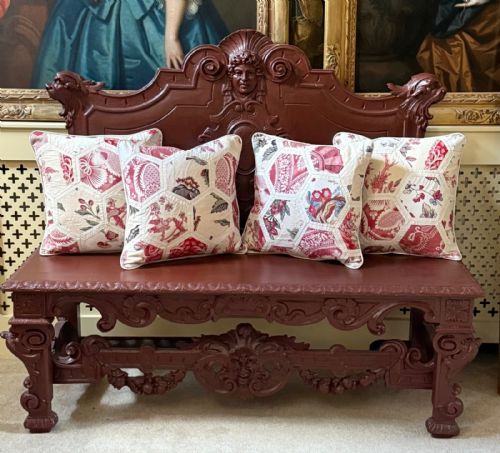
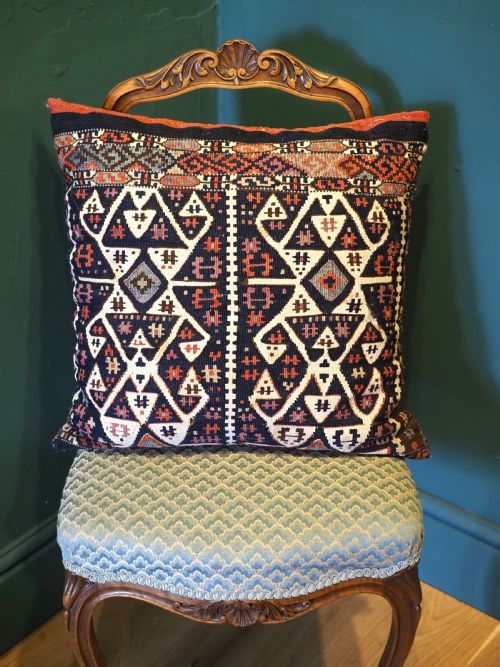
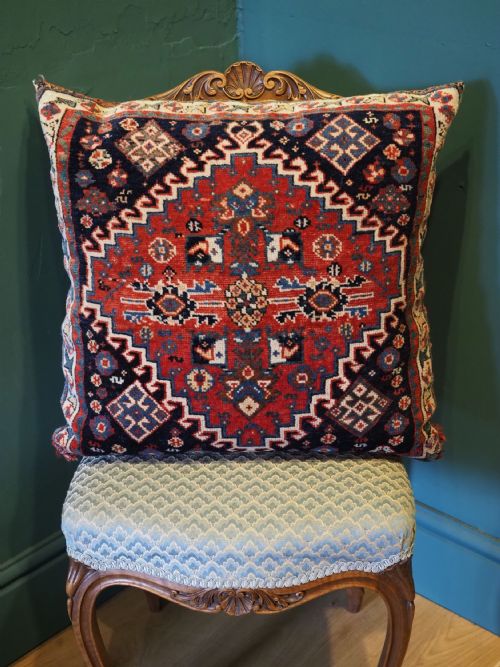
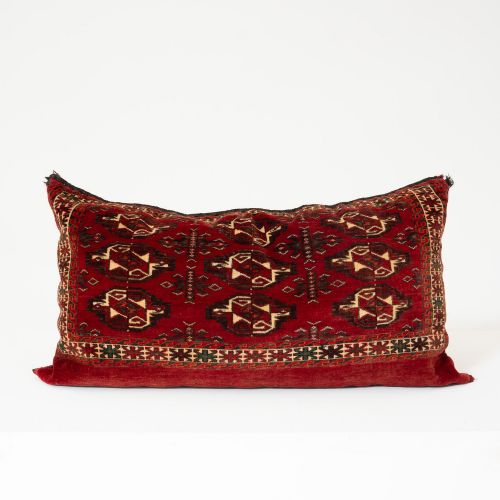
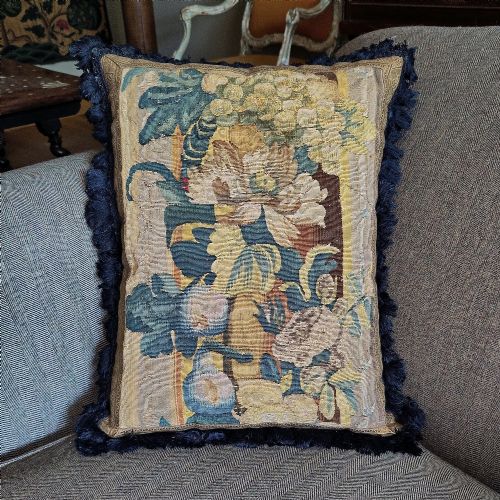
Antique pillows encompass everything from nomadic tribal bag faces and kilim cushions to French tapestries and Swedish embroideries.
Antique Pillows
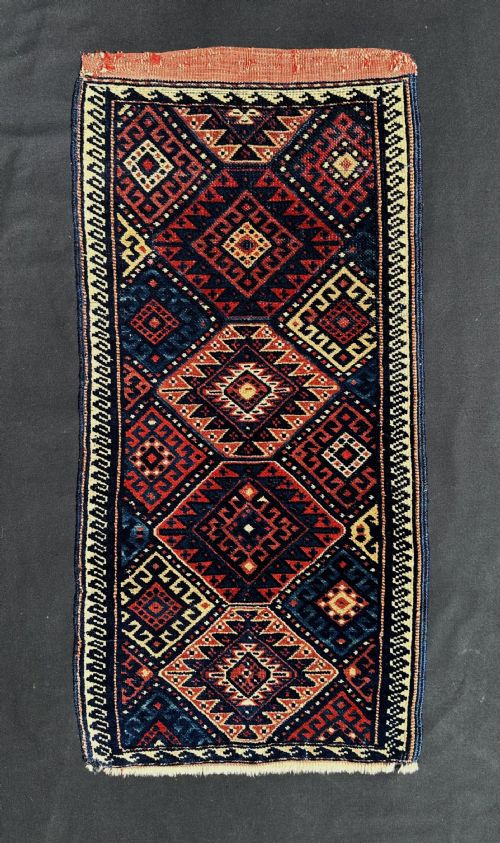
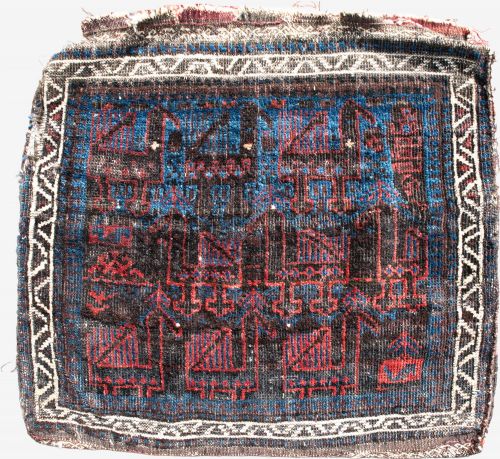
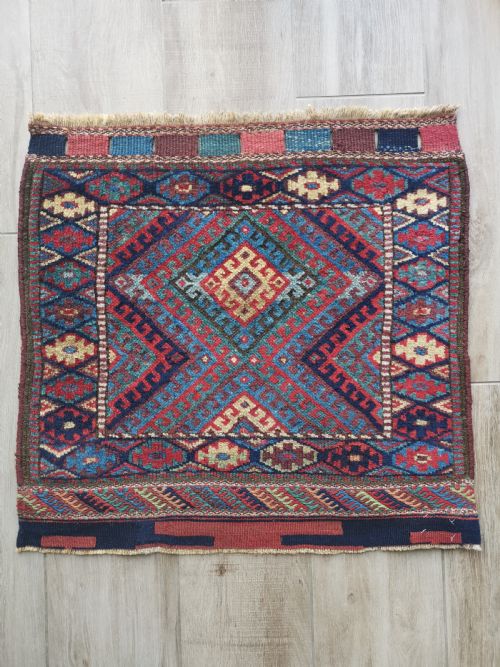
When searching for antique pillows, buyers encounter a diverse range of textiles, including cushions fashioned from saddle bags, torba faces, and carpet fragments. The selection spans the nineteenth and early twentieth centuries, drawing heavily from tribal weaving traditions and European decorative arts.
Tribal pieces often originate from Anatolian, Persian, and Turkmen groups, utilising portions of flatweaves, salt bags, and grain sacks. European examples lean toward French country and chateau aesthetics, incorporating toile, tapestry borders, and silk.
The most common form on this page is the kilim cushion, constructed from flattened nomad flatweaves and paired with textile backs. Alongside these sit carved bamboo headrests and specialised lacemakers pillow holders.
How they were made
The materials rely heavily on natural fibres such as wool, cotton, silk, linen, and hand-spun wool, often coloured with natural dyes. Artisans constructed tribal pieces through specialised weaving techniques like flatweaving, pile knotting, and embroidery.
Many items repurpose older utilitarian objects, such as converting saddle bags, torba faces, and rug fragments into functional cushions with new or period backs and feather inners. Wood and bamboo appear in rigid forms like carved headrests and lacemakers holders.
Antique Pillows Retail Price Guide 2026
Typical asking prices for pillows among the pieces listed under this phrase on Sellingantiques today, from the lower quarter to the upper quarter. They describe what is for sale here now, not the wider market.
French lace makers once relied on specialised pillow holders to keep their intricate bobbin work steady during long hours.
What varies in quality
Quality rests upon the integrity of the textile fragment and the precision of the original weaving. Tribal pieces with clear tribal motifs, balanced proportions, and well-preserved natural dyes command greater interest.
The standard of conversion matters significantly, particularly how cleanly a bag face or rug fragment integrates with its backing material and inner padding. Pieces retaining original backs and complete design medallions show higher artisanal consideration.
The Antique Pillows Glossary
- Kilim
- A flatwoven carpet or rug produced without a pile. These textiles form the foundation for many nomadic cushion covers.
- Torba
- A small storage bag made by Turkmen tribes. Their decorated faces frequently appear adapted into decorative pillows.
- Chuval
- A large Turkmen tent storage bag. The face of this bag often serves as the front panel for scatter cushions.
- Gul
- A medallion pattern used across Turkmen carpet designs. Each tribal group utilises distinct geometric motifs.
- Balisht
- A traditional tribal pillow or small bag. These items were originally utilised for sleeping or resting inside nomadic tents.
Antique Pillows: Frequently Asked Questions
What are antique pillows made from?
These items are constructed from natural textiles including wool, cotton, silk, and linen. Many utilise repurposed fragments of antique carpets, kilims, and nomadic bags.
Rigid examples incorporate materials like carved wood and bamboo. Interior padding typically consists of feather inners.
How do I clean an antique pillow?
Cleaning depends entirely on the delicate nature of the historical textiles involved. Professional textile conservation cleaning is recommended for fragile silk, tapestry, and hand-spun wool.
Avoid standard machine washing or harsh detergents to protect natural dyes and fragile flatweaves.
Are these pillows made from old rugs?
Many cushions utilise authentic fragments of older utility items such as saddle bags, torba faces, and kilims. Artisans repurpose these durable nomad weavings into functional home furnishings.
Other examples draw from European textile traditions, utilising antique tapestry borders, toile, and silk.
How do I date an antique pillow?
Dating relies on identifying the period of the textile fragment rather than the cushion assembly itself. Characteristics like natural dyes, hand-spun wool, and specific tribal motifs point to nineteenth and early twentieth century origins.
Construction methods and documentary evidence such as dated embroideries also help establish the timeline.