

Antique Pierced Bowl
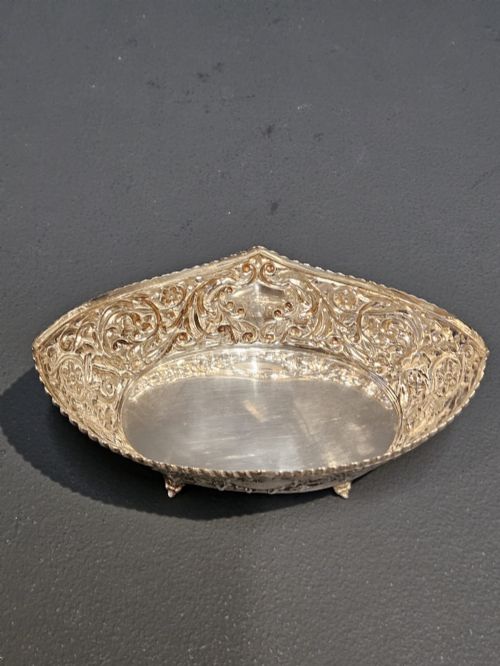
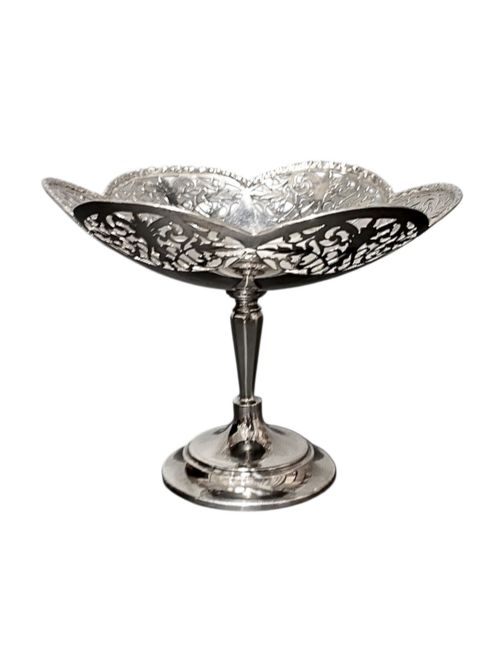
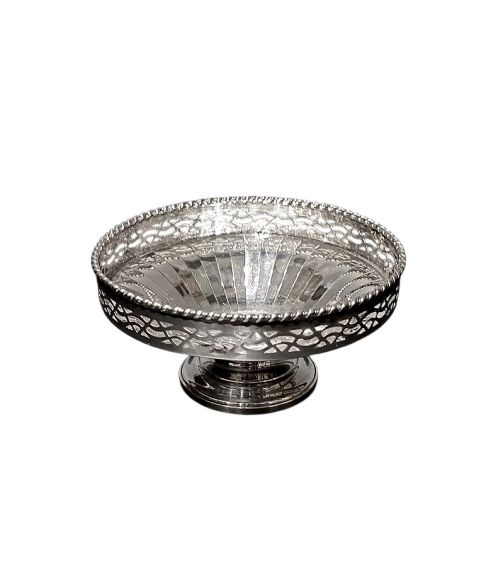
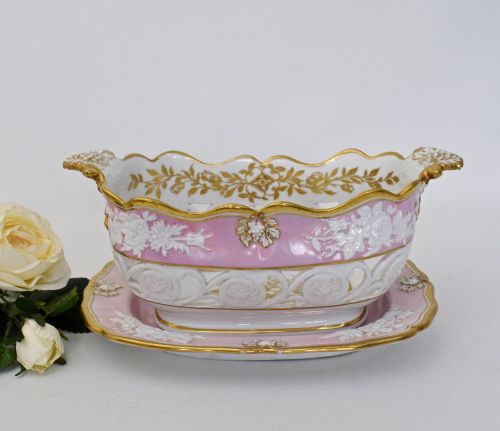
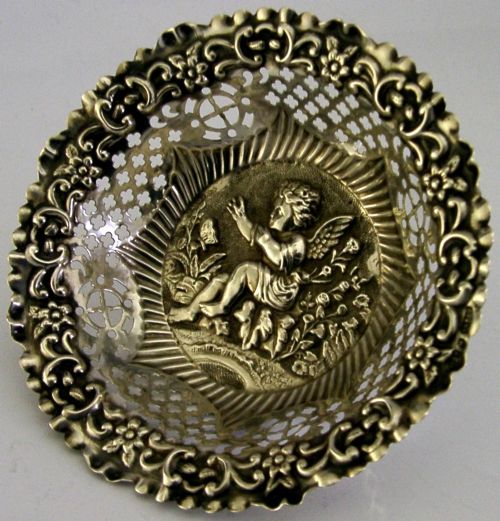
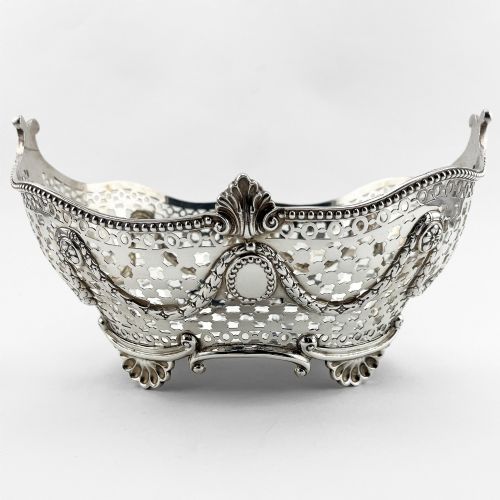
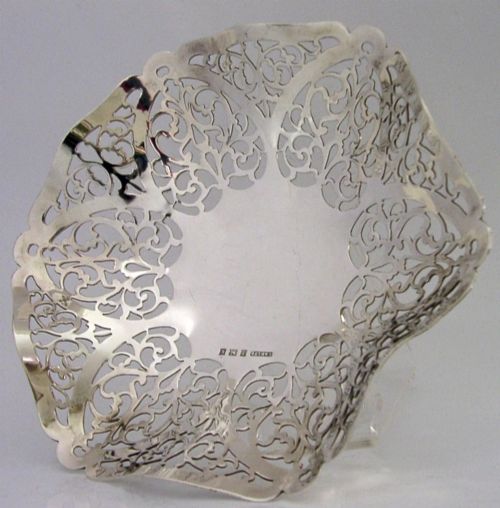
An antique pierced bowl brings openwork craftsmanship to a table, offering a decorative vessel designed to hold fruit, sugar, or potpourri.
Antique Pierced Bowl
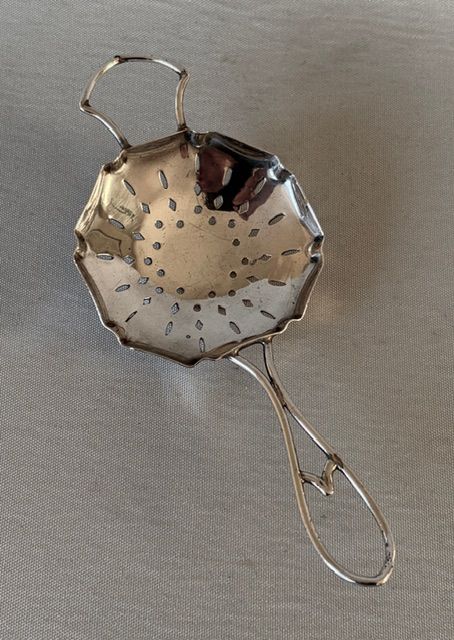
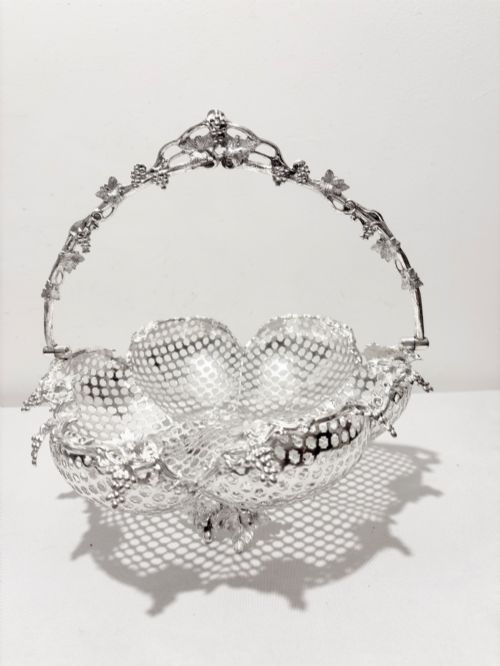
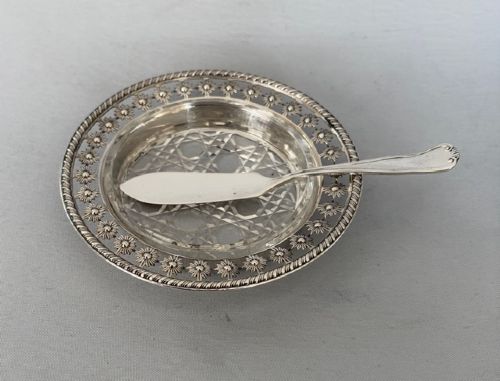
An antique pierced bowl encompasses a diverse group of openwork vessels designed for table service, storage, and display. When searching this phrase, a buyer encounters forms ranging from sugar baskets and bonbon dishes to fruit centerpieces and potpourri boxes.
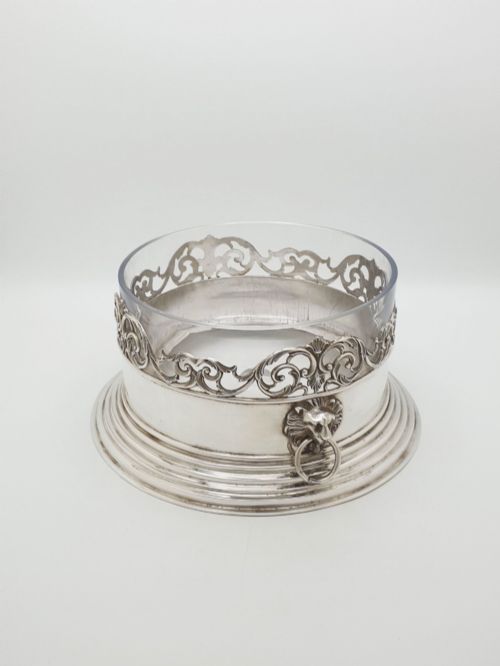
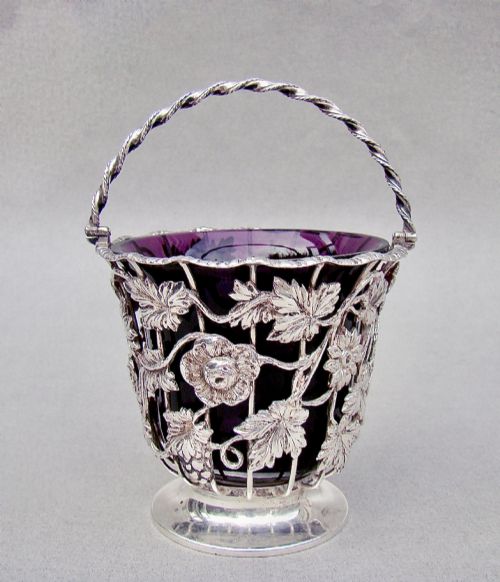
The selections span multiple centuries, including Georgian creamware, Victorian silver-plated fruit baskets, and Edwardian sterling silver pedestal dishes. Pierced patterns serve both ornamental and functional roles, permitting airflow for potpourri or revealing coloured glass liners placed inside.
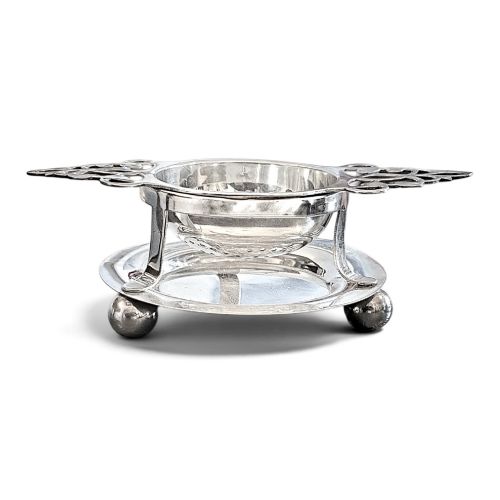
Originating from English, European, and Chinese workshops, these items reflect changing dining customs across the eighteenth, nineteenth, and early twentieth centuries. Sugar baskets with swing handles and small pin dishes appear frequently among the available inventory.
Materials and Method
Makers utilised sterling silver and silver plate for many domestic vessels, often piercing the metal sheet by hand or with mechanical saws to create geometric and floral lattice patterns. Glass liners in cobalt, cranberry, or ruby tones frequently accompany these metal frameworks.
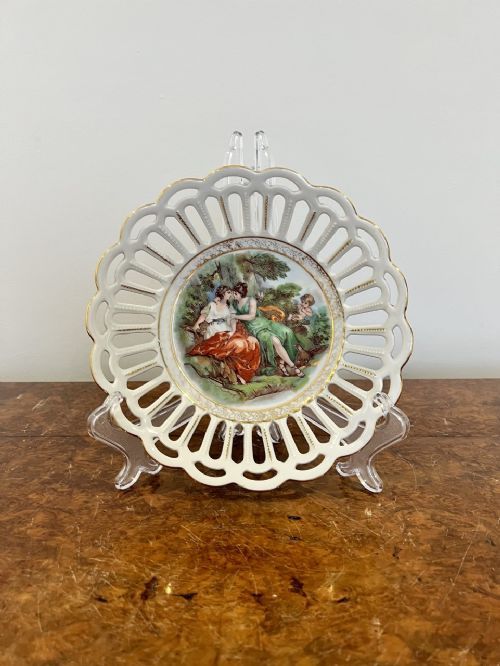
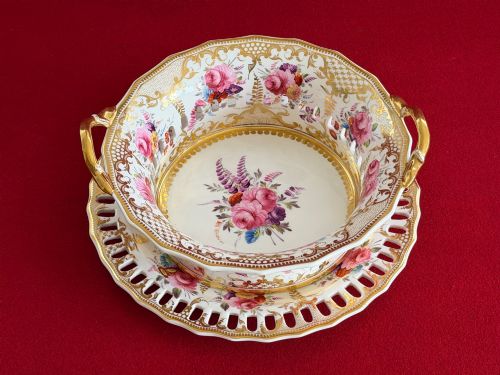
Ceramic examples rely on earthenware, creamware, and porcelain bodies, sometimes moulded into basketweave textures or pierced while the clay is wet. Copper and brass also appear in domestic metalwork, reflecting Arts and Crafts production methods alongside traditional smithing.
Antique Pierced Bowl Retail Price Guide 2026
Typical asking prices for pierced bowl among the pieces listed under this phrase on Sellingantiques today, from the lower quarter to the upper quarter. They describe what is for sale here now, not the wider market.
Assessing Craftsmanship
Quality rests upon the crispness of the openwork cutting and the structural integrity of the vessel under handling. Pierced metalwork with sharp, clean margins and symmetrical piercing demonstrates superior workshop execution compared to softer, hurried stamping.
For ceramics, the precision of reticulation and the preservation of underglaze transfer prints or enamel colours determine the standard of the piece. Associated liners, whether coloured glass or ceramic stands matching the original body, elevate the completeness and integrity of the object.
Mitchell Bosley & Co·Hammond Turner & Sons·Thomas Bradbury & Sons·Aldridge & Green·Mappin & Webb·Walker & Hall·J & R Clews
The Antique Pierced Bowl Glossary
- Pierced
- Ornamented with holes or cut-out patterns that form decorative motifs through the body of the material. This technique allows light to pass through metal or ceramic vessels.
- Reticulated
- Describes an openwork design resembling a net or mesh, commonly seen in porcelain and basketware. It is formed by cutting or moulding intricate intersecting lattice patterns.
- Creamware
- A refined fine earthenware developed in England during the eighteenth century with a pale yellowish-cream glaze. It became a staple material for tableware and pierced chestnut baskets.
- Quaich
- A traditional Scottish two-handled drinking vessel, occasionally rendered in silver with pierced or solid lugs. It evolved from wooden drinking bowls into a ceremonial presentation piece.
- Porringer
- A small bowl with one or two horizontal flat handles, historically used for porridges and broths. Early examples appear in pewter and ceramic formats.
Antique Pierced Bowl: Frequently Asked Questions
What were pierced bowls used for?
These vessels served various domestic functions at the dining table and in the parlour. Sugar baskets held lump sugar, while bonbon dishes presented small sweets and confectionery.
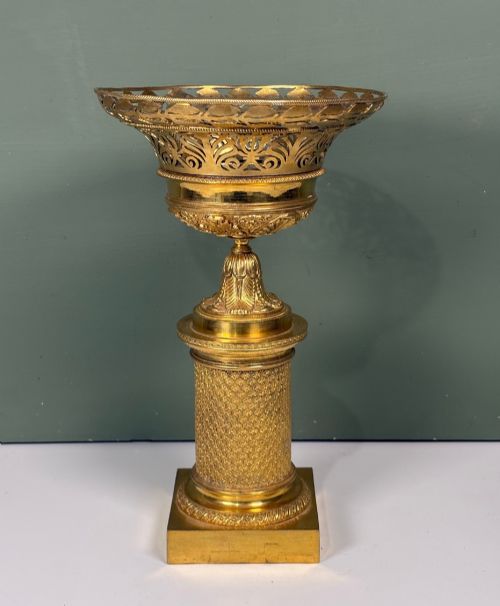
Larger footed bowls and centrepieces accommodated fresh fruit or flowers. Versions equipped with pierced lids often functioned as potpourri containers to scent domestic rooms.
How do I clean silver pierced bowls?
Silver and silver-plated vessels require gentle cleaning with a soft cloth and a mild, non-abrasive silver polish to avoid damaging the delicate openwork edges. Chemical dips should be avoided, particularly on pieces with coloured glass liners.
For items with removable glass or ceramic inserts, separate the components before cleaning. Thorough drying prevents moisture from lingering in the pierced crevices.
Are coloured glass liners original?
Many metal baskets and bowls were manufactured specifically to hold blown or moulded glass inserts in cobalt, cranberry, or ruby hues. The colour contrasts sharply with the reflective silver or bright brass exterior.
Ensuring the glass sits securely within the frame helps determine if the liner matches the period of the outer basket. Replacements are common due to the fragile nature of old glass.
How can I tell Georgian silver from Victorian?
Georgian silver generally exhibits hand-pierced work with subtle irregularities and deep hallmarks reflecting provincial or London assay offices. The forms tend toward classical urns and neoclassical symmetry.
Victorian pieces often utilise machine assistance and mechanical pressing alongside hand finishing, featuring heavier gauge metals and more eclectic historic revival styles. Hallmarks on Victorian items include date letters that pinpoint the exact year of assay.