


Antique Photo Stand
An antique photo stand holds a cherished portrait upright on a desk or mantelpiece, bringing domestic history into sharp focus.
Antique Photo Stand
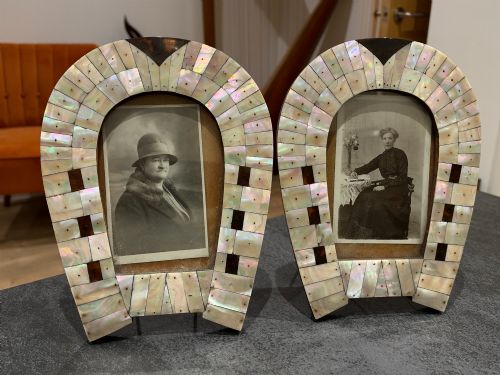
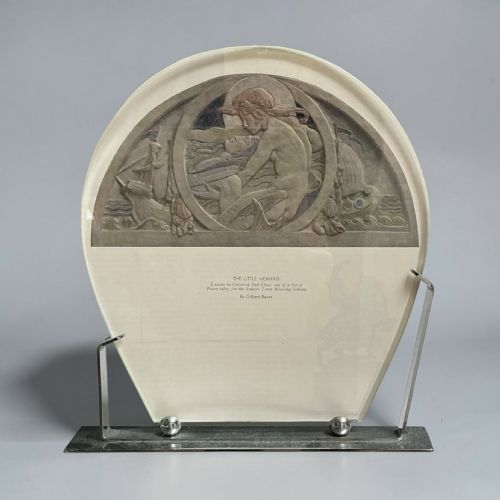
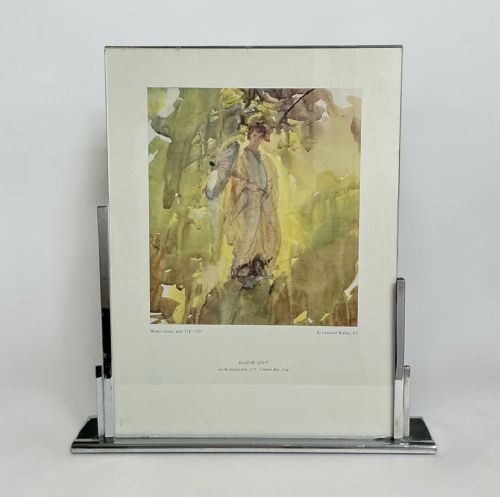
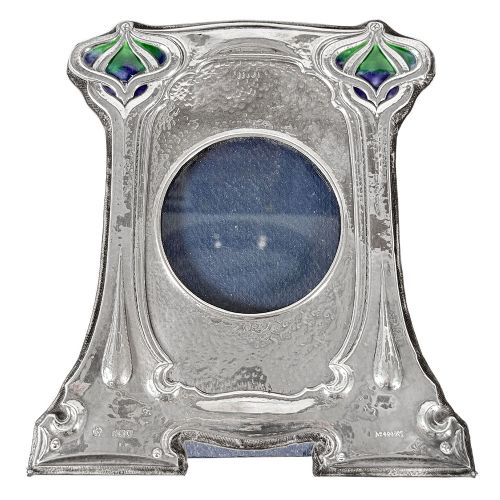
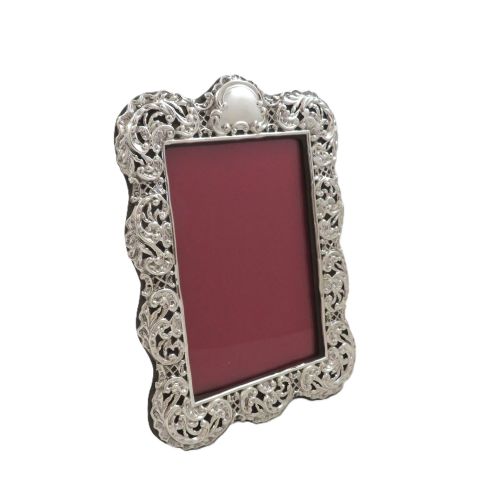
An antique photo stand encompasses upright picture frames, display easels, and menu card holders designed to support images on flat surfaces. The pieces encountered most frequently span the Victorian, Edwardian, and Art Deco eras, alongside select late nineteenth century French and English examples.
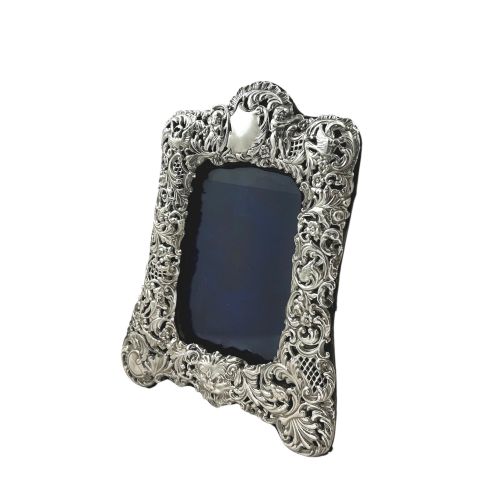
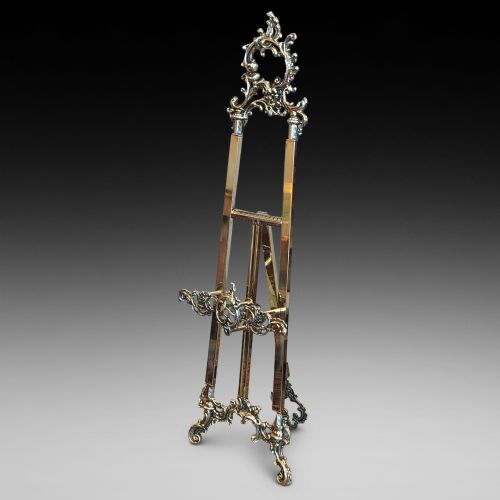
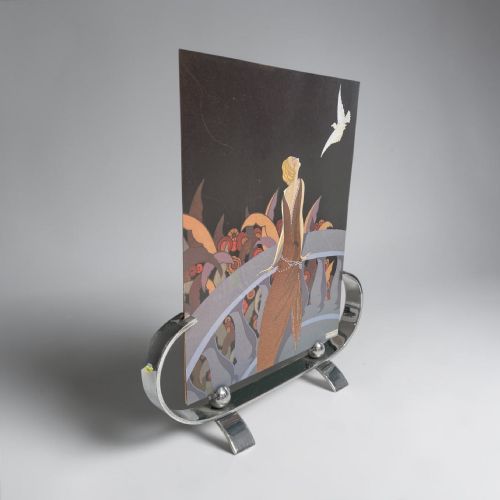
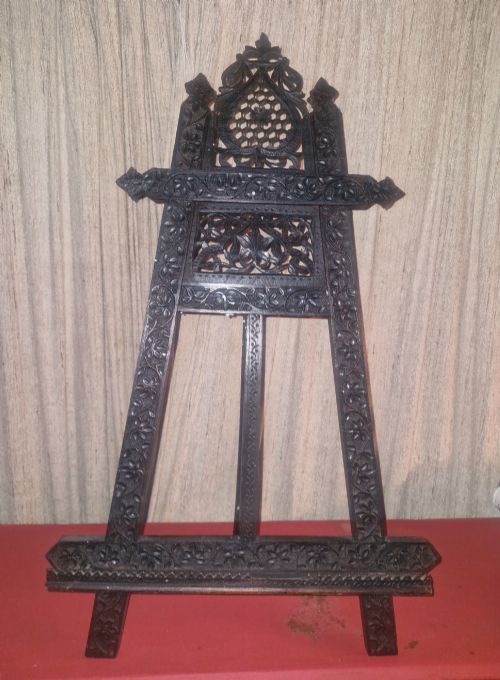
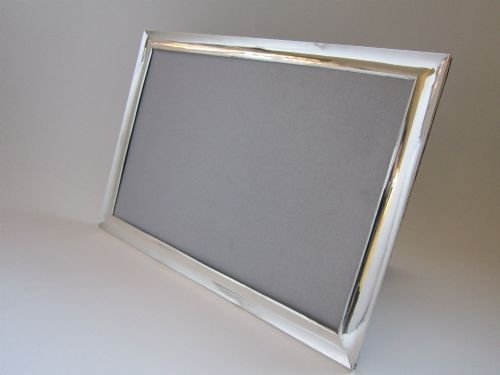
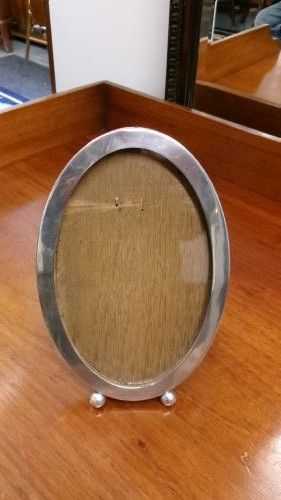
Makers utilised various formats, from simple rectangular sterling silver mounts to decorative ormolu, gilt bronze, and carved wooden display easels. Many incorporate folding rear supports or wooden and leather backs to hold photographs securely upright on a table.
The objects serve primarily domestic functions, holding family portraits, carte de visite prints, or miniature scenes within tabletop settings. Surviving items demonstrate how households displayed imagery before wall mounting became standard practice.
How They Were Made
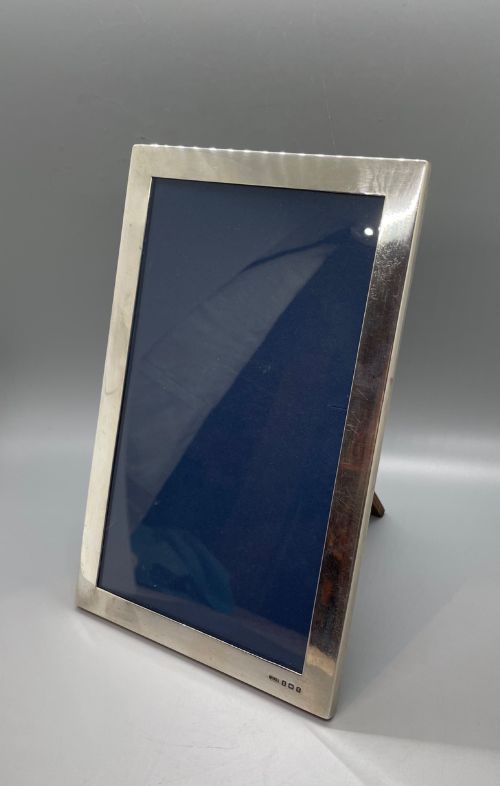
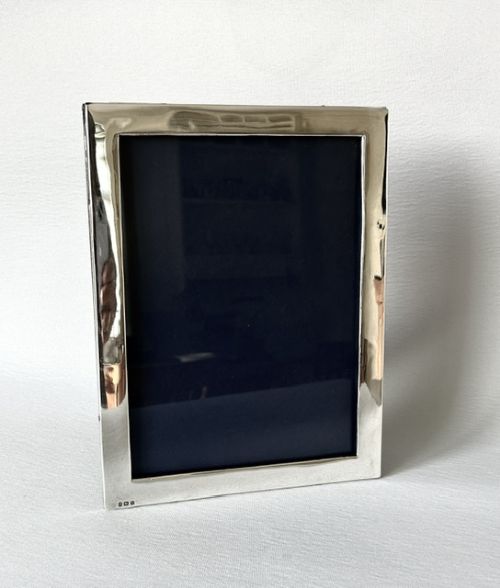
Silversmiths constructed sterling silver frames using sheet metal, often stamping floral, embossed, or engine-turned patterns onto the borders before mounting them onto wooden or velvet backings. Birmingham and Chester assay offices frequently certified these precious metal surrounds.
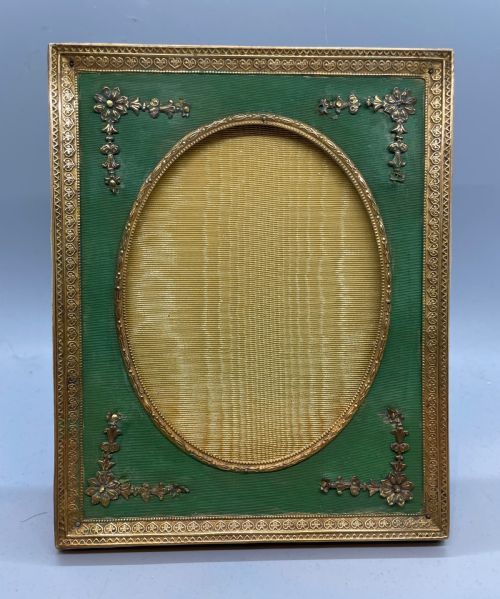
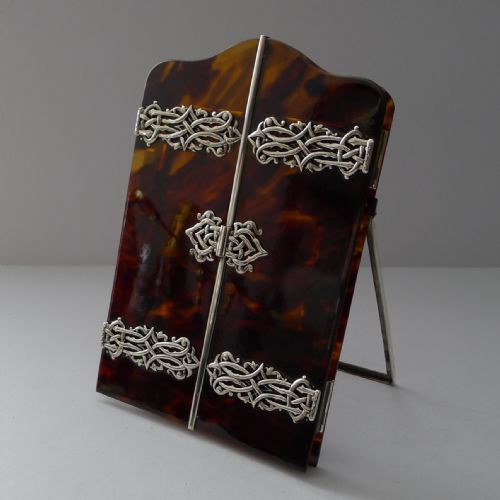
Foundries cast gilt bronze, ormolu, and brass into intricate French Rococo, Louis XVI Revival, and Art Nouveau motifs with heavy relief decoration. Artisans also combined tortoiseshell, glass, enamel, and nickel plating to frame the central aperture.
Woodworkers and metalworkers built integrated folding easels, utilising hinges and struts to support the weight of the display frame safely. Backing boards utilised oak, mahogany, or leather secured with turn-buttons.
Antique Photo Stand Retail Price Guide 2026
Typical asking prices for photo stand among the pieces listed under this phrase on Sellingantiques today, from the lower quarter to the upper quarter. They describe what is for sale here now, not the wider market.
Listings feature sterling silver, gilt bronze, and brass, spanning the Victorian, Edwardian, and Art Deco periods.
What Varies in Quality
The calibre of metalworking distinguishes standard production items from exceptional commissions, seen in the depth of chased detail on silver borders and the crispness of cast ormolu. Hand-applied enamel work and genuine tortoiseshell veneers elevate the status of a piece considerably.
Structural integrity of the rear easel stand and backing board determines everyday utility, as inferior hinges or warped wooden supports fail to hold the frame upright. Original backings and functional fasteners preserve the integrity of the object.
William Hutton and sons·Grey and Co·Syner and Beddoes·William Comyns·Moseley
The Antique Photo Stand Glossary
- Sterling silver
- A silver alloy containing 92.5 percent pure silver by mass, widely utilised by British makers for quality frame borders. Assay offices hallmarked these items to guarantee metal purity.
- Ormolu
- A metallic technique of applying finely ground high-carat gold to an bronze or brass object. This finish provides a warm, golden sheen common on French and Edwardian decorative pieces.
- Engine-turning
- A mechanical decoration method producing precise geometric patterns engraved into metal surfaces. It appears frequently on modernist and silver frames.
- Carte de visite
- A small photographic portrait mounted on a card, popular during the Victorian era. Table top display box frames were built specifically to house these formats.
- Assay office
- A regulatory body that tests precious metals and stamps official hallmarks. Marks from Birmingham and Chester appear on numerous British frames.
Antique Photo Stand: Frequently Asked Questions
How do I date a silver photo frame?
Examine the silver hallmarks stamped on the border of the frame, which typically include a city mark, a standard mark, and a date letter.
Matching this letter against published assay office tables reveals the exact year the piece was hallmarked.
What is the difference between an easel and a frame?
A picture frame encloses an image within a fixed border, whereas a display easel is an open framework designed to hold a picture or plate upright.
Some hybrid pieces combine both functions by featuring an integral easel back attached directly to the frame.
Can I replace the glass in an antique frame?
Original glass often exhibits minor bubbles, waviness, or thickness variations characteristic of older manufacturing methods.
Preserving original glass maintains the authenticity of the piece, though cracked panes require careful replacement.
How were these frames used originally?
Victorian and Edwardian households placed these stands on mantelpieces, writing desks, and parlor tables to display portraits of family members.
Smaller variants also functioned as menu card holders during formal dining occasions.