





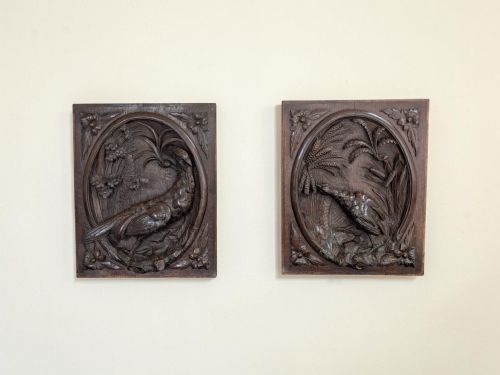
Antique Pheasant Wall Art
Antique pheasant wall art brings rural sport and natural history indoors through framed paintings, textiles, and carved wood.
Antique Pheasant Wall Art
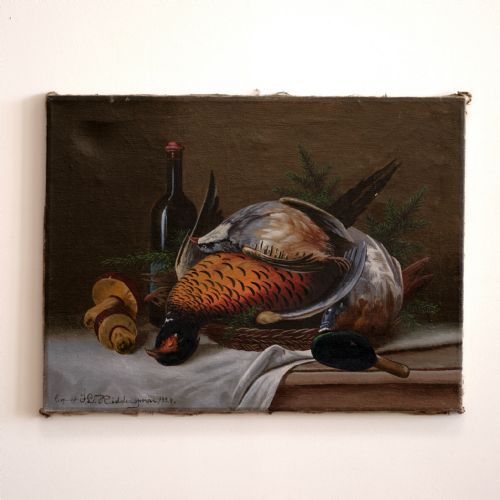
When you search for antique pheasant wall art, you encounter a diverse range of decorative items spanning the Georgian, Victorian, and early twentieth century periods. These pieces take the form of framed prints, oil paintings, porcelain plaques, and textured textile works.
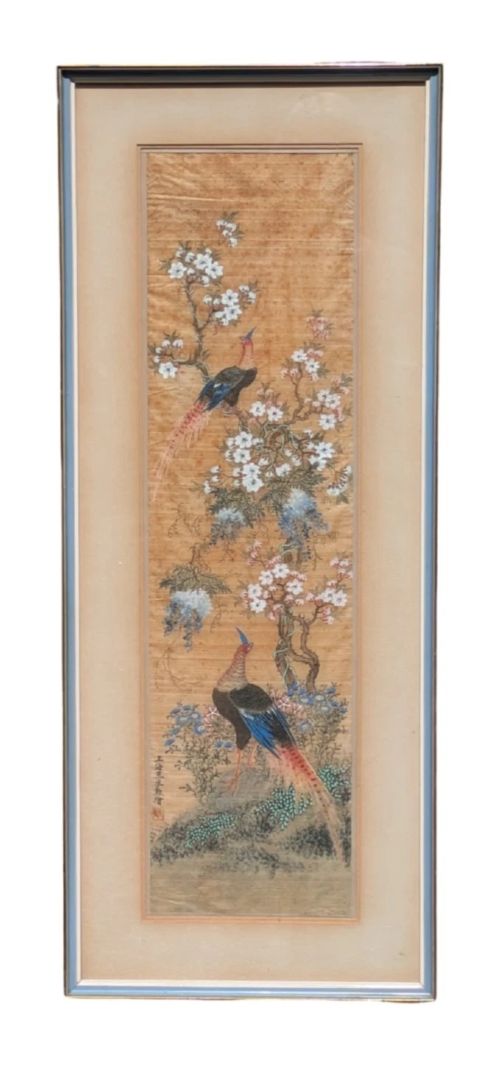
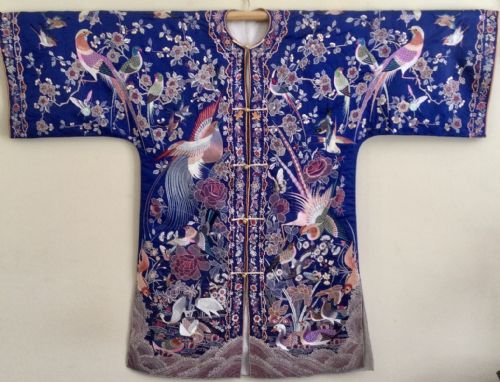
The selection on this page relies heavily on nineteenth-century craftsmanship, including delicate watercolours on silk and detailed plushwork. Sporting art and natural history traditions dominate the visual style, reflecting the period fascination with British game and exotic birds.
Buyers frequently find carved wooden wall plaques and framed lithographs alongside hand-painted porcelain from notable makers. Each format captures the plumage and posture of the bird through the specific artistic conventions of its decade.
How they were made
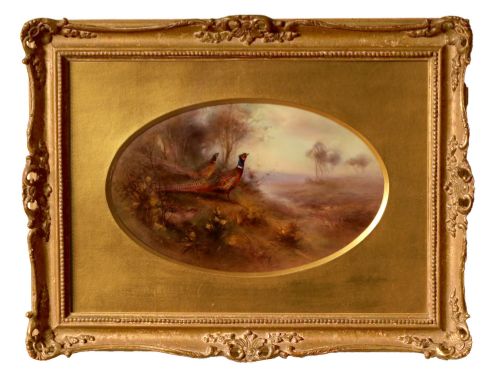
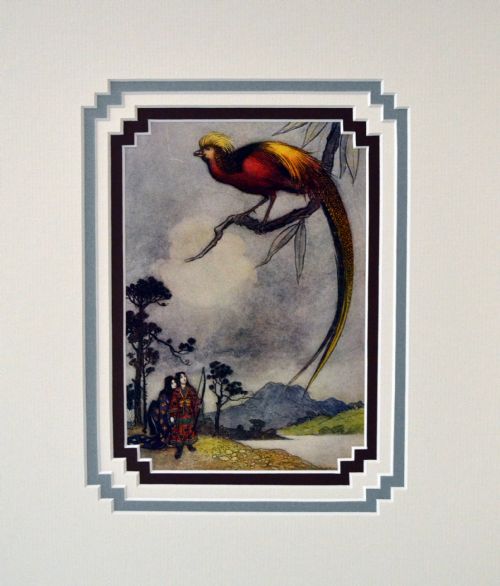
Makers utilised traditional artistic mediums such as oil on canvas, watercolour on silk, and coloured lithography to render the birds with fine detail. These flat works required skilled draughtsmanship and careful pigment application to capture the iridescent sheen of pheasant feathers.
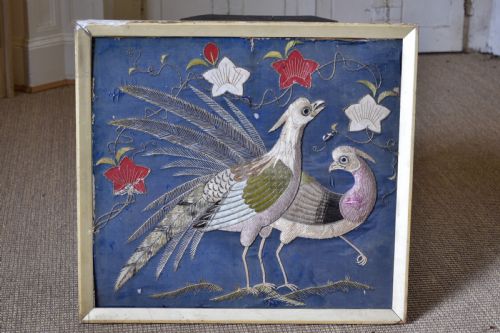
Three-dimensional pieces relied on carving techniques applied to oak and other woods, producing deep relief panels and hunting trophies. Artisans also employed textile methods like embroidery and plushwork to create tactile wall hangings.
Ceramic works involved hand-painting directly onto porcelain plaques and decorative chargers, often finished with enamelling before firing. These techniques ensured the vibrant colours of the plumage remained stable over time.
Antique Pheasant Wall Art Retail Price Guide 2026
Typical asking prices for pheasant wall art among the pieces listed under this phrase on Sellingantiques today, from the lower quarter to the upper quarter. They describe what is for sale here now, not the wider market.
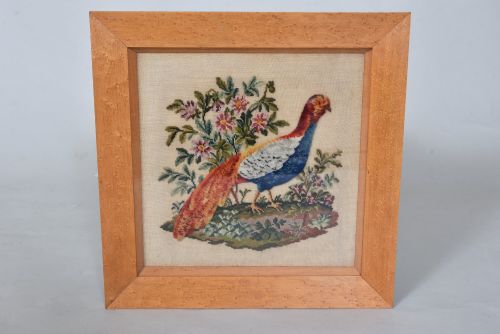
Plushwork pheasants offer an unexpectedly soft greeting from nineteenth-century walls.
What varies in quality
Quality depends upon the precision of the hand-painted or carved detail, particularly in the rendering of the bird's plumage and eye. Master artists and skilled artisans achieved a naturalism that separates superior examples from mass-produced decorative items.
The integrity of the framing and the preservation of the primary medium determine the overall worth of a piece. Works executed on fragile silk or paper require careful conservation to maintain their visual impact without fading or staining.
Signature documentation and attribution to recognised painters or potteries elevate specific pieces above anonymous workshop productions. The use of premium mounting materials and original frames further distinguishes the better-surviving items.
Samuel Dixon·James Stinton·Warwick Goble·Sam. Howitt·Archibald Thorburn
The Antique Pheasant Wall Art Glossary
- Plushwork
- A textile craft technique using raised padded elements to create a textured, three-dimensional surface on fabric pictures. This method gives the plumage a realistic, tactile depth.
- Lithograph
- A print produced from a stone or metal plate using a chemical process that repels ink everywhere except where the drawing was made. These prints offered affordable colour reproduction in the nineteenth century.
- Cloisonne
- Enamelling work where metal wire is soldered to a base to form compartments filled with paste and fired. This technique creates vibrant coloured patterns on decorative chargers.
- Basso-rilievo
- Sculpture in low relief where the figures project only slightly from the background plane. This technique provides subtle shadow and depth on wall plaques.
- Sporting art
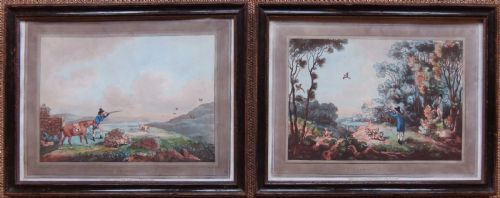
- Depictions of hunting, shooting, and game animals that became popular in British homes during the Georgian and Victorian eras. These works celebrate rural field sports.
Antique Pheasant Wall Art: Frequently Asked Questions
How do I hang antique pheasant art?
Support heavy carved wooden plaques and framed oil paintings with proper wall anchors suited to your plaster or brickwork. Ensure the display height places the centre of the artwork at eye level for optimal viewing.
Keep textile works and watercolours away from direct sunlight to prevent the silk, paper, and pigments from fading over time. Stable indoor humidity levels protect both the wooden frames and the organic materials within the art.
What periods do these pieces come from?
The inventory spans the Georgian, Victorian, and Edwardian eras, extending into the early twentieth century. Nineteenth-century pieces dominate the selection, offering various styles from natural history illustrations to decorative carvings.
Artisans from the Meiji period and Qing dynasty also contributed distinct stylistic interpretations of birds from an Eastern perspective. Dating relies on stylistic conventions, signatures, and material analysis characteristic of each decade.
Are porcelain plaques fragile?
Royal Worcester porcelain plaques require careful handling due to their ceramic composition and painted surfaces. They are best mounted securely on interior walls away from high-traffic zones where accidental impacts might occur.
Clean the surface gently with a dry, soft cloth to remove dust without disturbing the hand-painted enamels. Avoid liquid cleaners that could penetrate unglazed edges or damage historic mounting materials.