





Antique Pheasant Picture
An antique pheasant picture brings the field sports and natural history of the nineteenth century straight onto the wall.
Antique Pheasant Picture
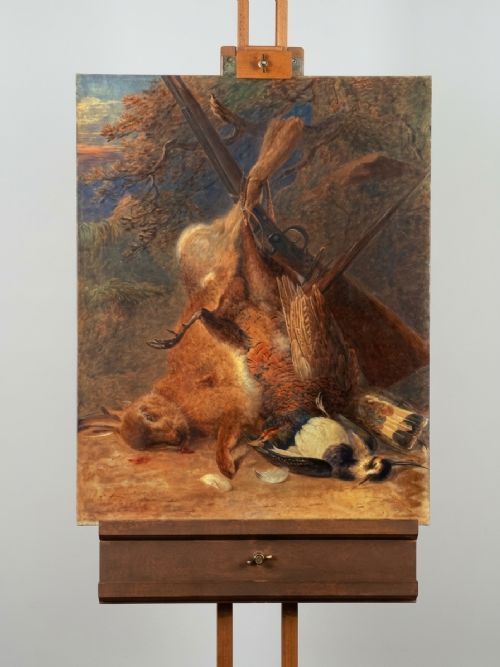
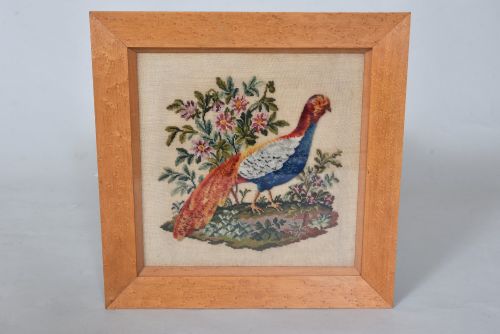
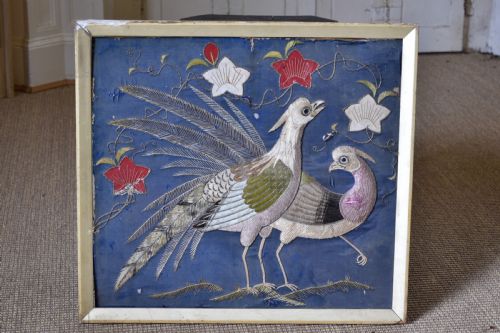
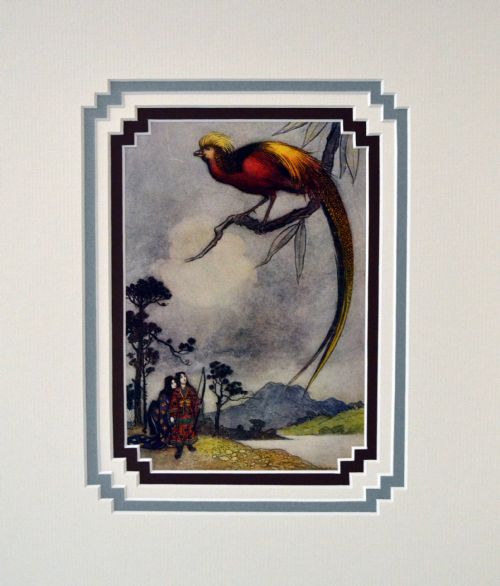
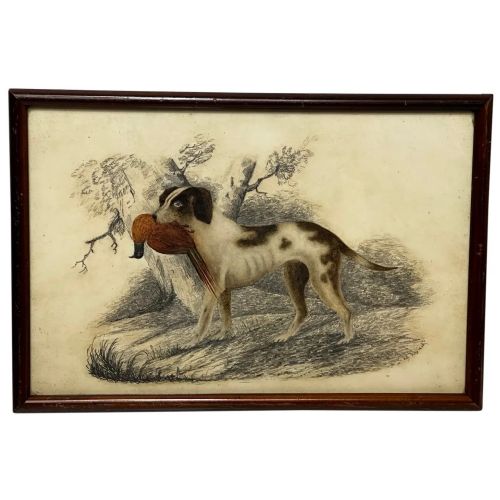
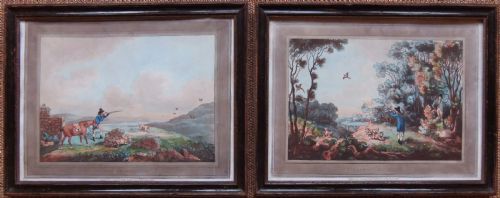
When you search for an antique pheasant picture, you enter a field of nineteenth century bird and sporting depictions executed across various media. These pieces range from woolwork embroidery to watercolour paintings and lithographs.
The most common examples on this page are Victorian textile works and nineteenth century watercolours, often framed in maple wood. They capture avian subjects with close attention to plumage and natural settings.
The materials span glass, paper, wood, canvas, watercolour, bodycolour, wool, and maple wood. Together they form a distinct group of framed artworks celebrating game birds and rural pursuits.
How they were made
The works rely on traditional nineteenth century methods, combining watercolour and bodycolour on paper or canvas with skilled needlework in wool. Framers often housed these in maple wood surrounds under glass.
Painters layered pigments to capture the iridescent feathers of game birds, while textile artists utilised textured wool stitches known as plushwork to build high-relief plumage. Lithographers reproduced bird studies on paper using multi-plate printing.
Antique Pheasant Picture Retail Price Guide 2026
Typical asking prices for pheasant picture among the pieces listed under this phrase on Sellingantiques today, from the lower quarter to the upper quarter. They describe what is for sale here now, not the wider market.
Listings span the Georgian, Victorian, and Edwardian periods, utilising materials such as wool, canvas, glass, and maple wood.
What varies in quality
Quality depends upon the precision of the draughtsmanship and the fidelity with which the bird's plumage is rendered. Fine watercolours and oil paintings show anatomical accuracy and nuanced colour in the feathers, whereas simpler prints rely on flat ink applications.
The framing and mounting further separate standard items from finer examples, particularly where original maple wood frames and protective glass remain intact. Textile pieces vary according to the tightness of the woolwork and the preservation of the plush pile.
George Sydney Shepherd·Benjamin Blake·Sam Howitt·Dean Wolstenholme·Archibald Thorburn
The Antique Pheasant Picture Glossary
- Bodycolour
- An opaque watercolour medium containing white pigment mixed with gum, creating solid areas of colour that hide the paper beneath. It provides the dense highlights seen in nineteenth century bird paintings.
- Plushwork
- A form of raised embroidery utilising looped wool stitches cut to create a soft, velvety pile. This technique gives Victorian textile birds a tactile, three-dimensional texture.
- Lithograph
- A print produced by drawing an image on a limestone block or metal plate with a greasy medium and applying ink. It allowed publishers to issue coloured bird plates in quantity during the nineteenth century.
- Maple Wood
- A pale hardwood with characteristic grain patterns often chosen for nineteenth century picture frames. Its distinct figuring complements the warm tones of watercolour and woolwork artwork.
- Watercolour
- A paint consisting of transparent pigment suspended in a water-soluble binder, applied to paper. It forms the basis of many detailed ornithological studies from the period.
Antique Pheasant Picture: Frequently Asked Questions
How do I date an antique bird print?
Dating relies on the paper type, printing technique, and framing style associated with nineteenth century production. Lithographs and engravings often bear publication dates or stylistic markers typical of the Victorian and Georgian eras.
Examination of the backing boards, glass types, and framing materials also helps establish the age of the piece.
What is plushwork embroidery?
Plushwork is a Victorian needlework method that creates a raised, velvety surface using looped wool threads. Crafters used this technique to render bird plumage with a distinct tactile depth.
These textile pieces are typically mounted behind glass to protect the delicate wool pile from dust and damage.
How should I hang these framed artworks?
These pieces require hanging away from direct sunlight to prevent the watercolours, bodycolour pigments, and dyed wools from fading. Maintaining stable indoor humidity protects both the paper supports and the original maple wood frames.
Using secure picture hooks suited to the weight of the frame ensures the antique glass and backing remain undisturbed.
Are these works hand painted?
The selection includes both original hand-painted watercolours and oil paintings alongside printed lithographs and embroidered textile works. Hand-painted examples display individual brushwork and pigment layering unique to each artist.
Prints and engravings from the period were produced mechanically on paper, sometimes with later hand colouring added to enhance the bird's plumage.