





Antique Pewter Decor
Antique pewter decor brings tactile warmth and quiet lustre into a room, offering centuries of domestic craft in metal.
Antique Pewter Decor
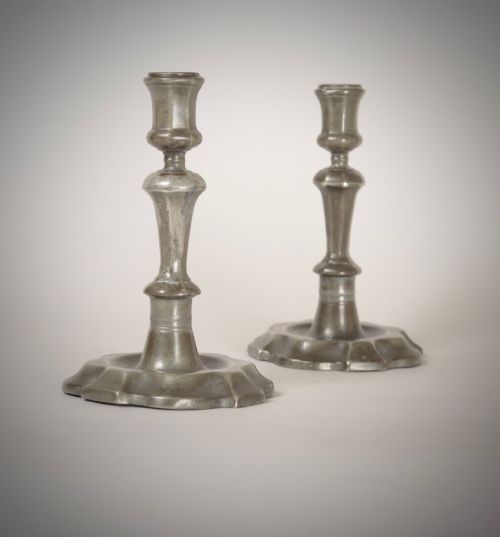
When you search for antique pewter decor, you encounter a robust range of domestic objects spanning from the seventeenth century through to the early twentieth century. The selection leans heavily towards candlesticks, complemented by plates, dishes, vases, ladles, and tyg vases.
You are most likely to meet pairs of candlesticks on this page, representing various design movements including Georgian, Victorian, Arts and Crafts, Art Nouveau, and Jugendstil. These pieces bridge utilitarian function and decorative display, having evolved from simple household lighting into collectible shelf adornments.
Materials and construction
The pieces are primarily shaped from pewter, an alloy traditionally composed of tin alloyed with copper and antimony to provide stability and weight. Some later examples utilise silvered pewter or electroplated metal finishes to alter the surface reflection.
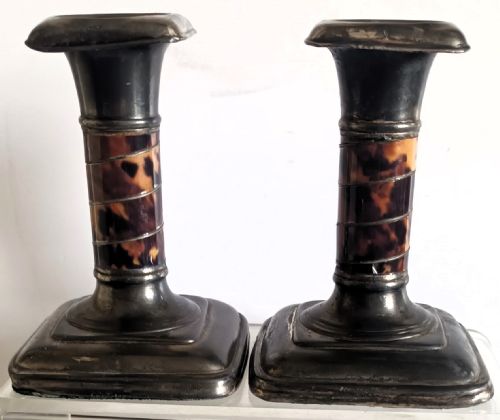
Maker techniques extend beyond plain metalworking through the incorporation of contrasting media. Selected pieces integrate tortoiseshell panels, vibrant enamel insets, or patinated surfaces that highlight the distinctive grey tone of the alloy.
Antique Pewter Decor Retail Price Guide 2026
Typical asking prices for pewter decor among the pieces listed under this phrase on Sellingantiques today, from the lower quarter to the upper quarter. They describe what is for sale here now, not the wider market.
Materials appearing across these listings include plain pewter alongside tortoiseshell, enamel, silvered pewter, and electroplated metal.
Assessing quality and design
Quality rests upon the crispness of casting and the integrity of applied decorative elements such as enamel insets or tortoiseshell mounts. Stronger examples display deliberate styling from recognised design movements rather than generic factory production.
The sophistication of the silhouette and the retention of original surface texture distinguish finer items. Pieces showing thoughtful integration of maker design or refined proportions command greater attention from collectors.
Archibald Knox for Liberty & Co·John Tubb·WMF·Kayserzinn·Dixon & Son
The Antique Pewter Decor Glossary
- Pewter
- A malleable metal alloy primarily formed of tin, historically used for tableware and decorative vessels. It develops a soft, dark patina with age.
- Tyg
- A large drinking vessel featuring multiple handles, often adapted into decorative vase forms during the Jugendstil and Arts and Crafts periods.
- Silvered pewter
- Pewter that has received a thin surface coating of silver to brighten the appearance and mimic solid silver items.
- Jugendstil
- The continental European manifestation of Art Nouveau, characterised by fluid natural lines and botanical motifs.
- Triple reeded
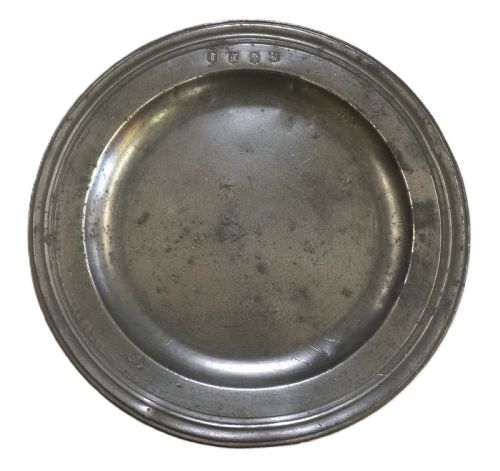
- A decorative moulding style featuring three parallel raised bands, commonly found along the rims of early plates and dishes.
Antique Pewter Decor: Frequently Asked Questions
How do I clean antique pewter?
Antique pewter should generally be left with its natural aged surface, as excessive polishing removes the history written in the metal.
Dust gently with a soft cloth and avoid abrasive modern cleaning agents that strip the historical patina.
Are these items safe for food use?
Historical pewter from earlier centuries often contained lead, making modern culinary use inadvisable for safety reasons.
Treat these pieces strictly as decorative objects rather than functional tableware in a modern kitchen.
How do I identify Arts and Crafts pewter?
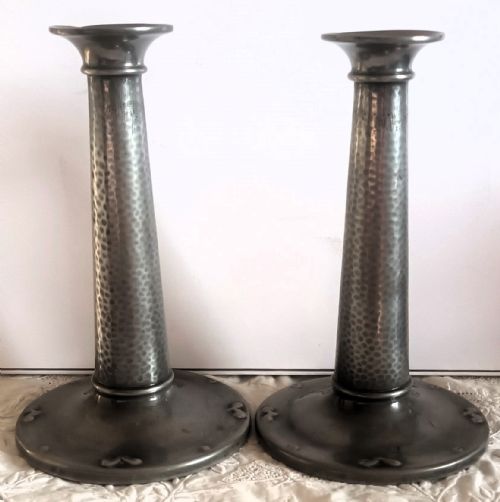
Arts and Crafts pewter prioritises hand-hammered textures, simple organic forms, and honest construction over ornate machine engraving.
Look for incorporated enamel details and stylised botanical motifs typical of early twentieth-century workshops.
What caused the shift in pewter styles?
Stylistic shifts moved from utilitarian seventeenth-century plates toward ornate Victorian casting and eventually the sinuous organic lines of Art Nouveau.
Changing domestic lighting needs also turned candlesticks from everyday necessities into purely decorative interior accents.