


Antique Pet Painting
An antique pet painting captures cherished animals with enduring character, bringing historical charm and personal warmth to any interior.
Antique Pet Painting
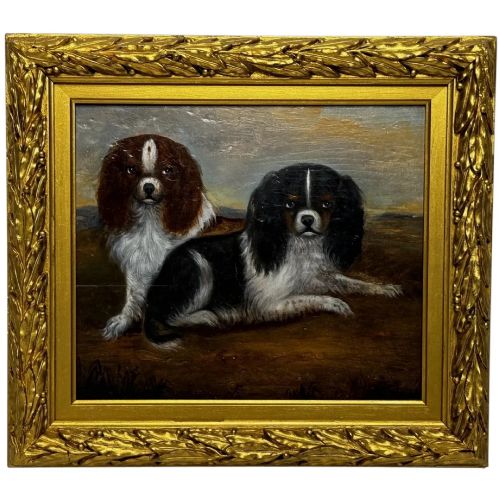
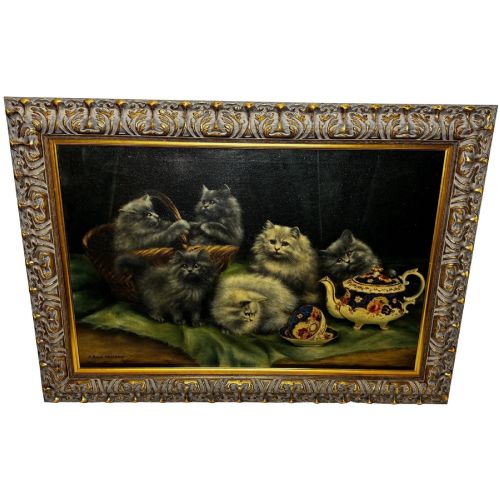
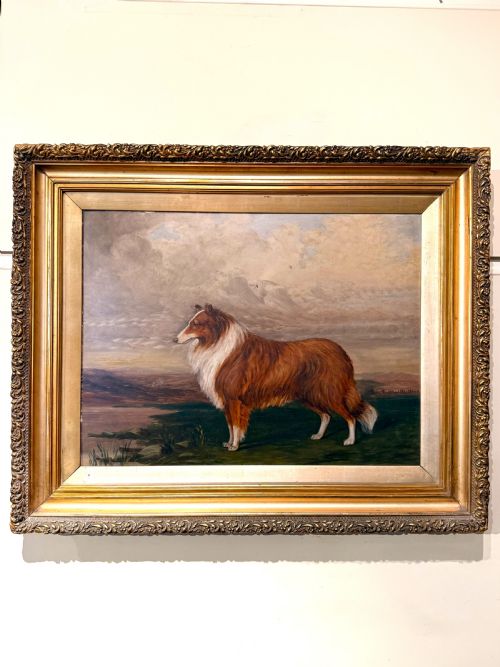
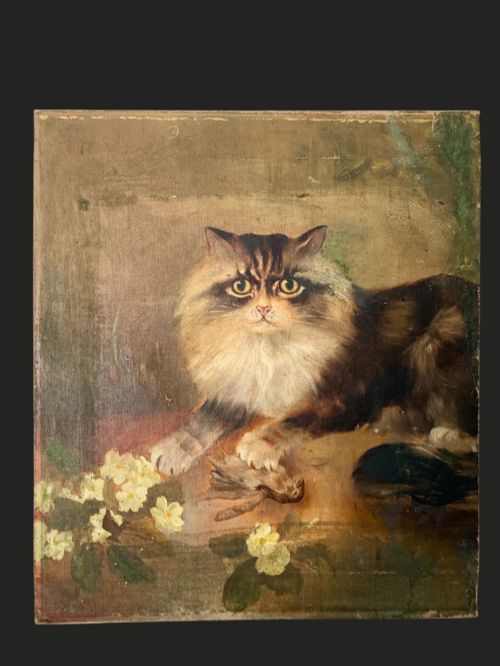
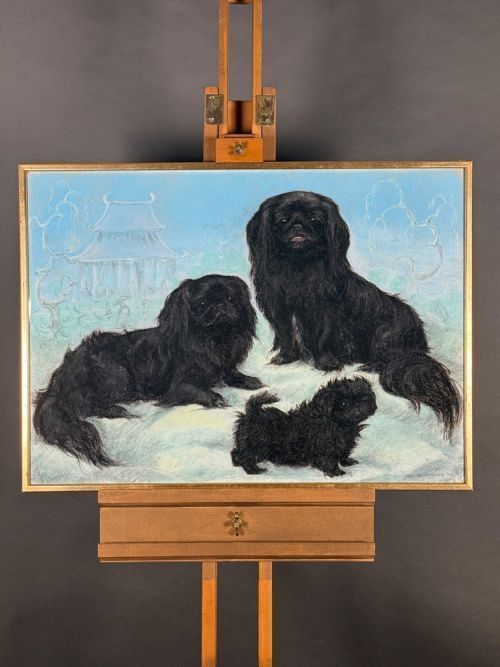
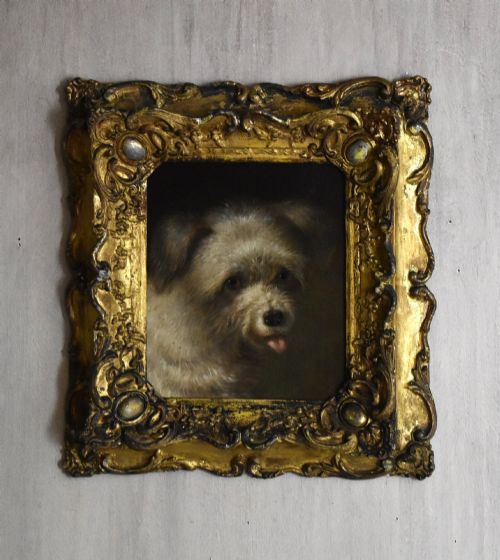
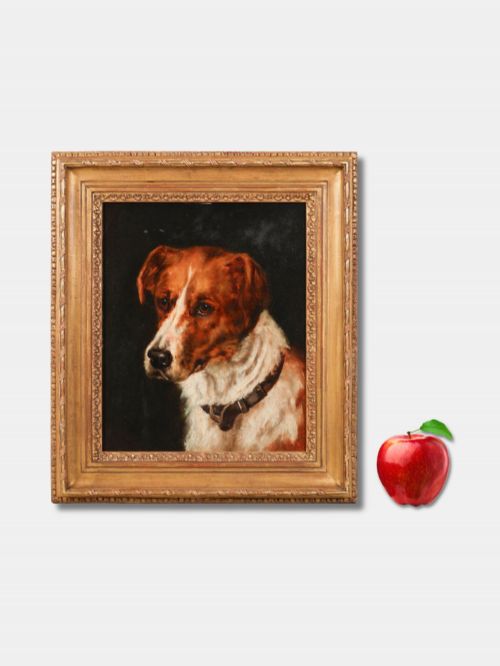
An antique pet painting portrays beloved domestic animals, ranging from spaniels and terriers to cats and rabbits, captured by artists across the eighteenth, nineteenth, and early twentieth centuries. The most common examples met on this page are oil paintings on canvas or board, depicting individual dogs or litters of kittens in realistic or naive styles.
These works vary widely in origin, including provincial English school pieces, French school courtyard scenes, and American terrier portraits. Subjects stretch beyond typical dogs and cats to include rabbits, kids, and birds kept as companions by children.
Stylistic approaches span the Victorian and Edwardian eras, encompassing traditional realism, nineteenth century British art, and naive depictions. Buyers encounter everything from large academic canvases after Landseer to intimate studies signed by period artists.
Materials and construction
Painters utilised oil paint applied to woven canvas stretched over wooden frames, or directly onto wooden panels and prepared boards. Watercolour on paper also appears, offering a lighter medium for detailed character studies.
Many works retain their original period framing, constructed from wood and gesso with gilded finishes, often utilising gold leaf to accent the moulding.
Represented styles range from nineteenth-century naive school charm to detailed Edwardian realism and British portraiture.
Distinctions in quality
The distinction between ordinary and exceptional works rests on the artist's ability to render anatomical accuracy, texture in fur, and individual personality. Master hands capture lively expressions and convincing depth, whereas naive or provincial examples prioritize charm and straightforward design over academic proportion.
Materials and framing contribute significantly to a piece's standing, with robust oil on canvas works housed in period giltwood frames commanding greater presence than simple board sketches.
Martin Theodore Ward·LM Webb·William Barraud·Agnes Augusta Talboys·Christian Lindner·George James·Valentine Thomas Garland·Florence Mabel Hollams·Philip Eustace Stretton·Arthur Claude Strachan·Samuel John Carter·Henry John Sylvester Stannard·Frank Owen Salisbury·Benedict Angell Hyland·Jules Le Roy
The Antique Pet Painting Glossary
- Oil on canvas
- Pigments bound in a drying oil applied to a woven fabric support. This traditional method allows for rich blending and textured brushwork.
- Naive school
- Art created by self-taught or provincial painters working outside academic traditions. These pieces charm viewers through direct perspective and honest simplicity.
- Giltwood
- Wood carved and coated with gold leaf or metallic paint. It provides a bright, decorative border that complements traditional paintings.
- Board
- A rigid substrate used instead of canvas for painting. Artists frequently utilised wooden panels or sturdy card for smaller works.
- Gesso
- A paint mixture consisting of a neutral binder mixed with chalk or plaster. It forms a smooth surface on frames before gilding.
Antique Pet Painting: Frequently Asked Questions
What animals appear in antique pet paintings?
Paintings feature a wide assortment of domestic animals, most commonly dogs and cats, including spaniels, terriers, pugs, and Persian kittens. Other subjects involve rabbits, birds, and goats kept as childhood companions.
Artists recorded these creatures either alone or alongside their owners, capturing the close bond between humans and animals in historical domestic settings.
How do I date an antique pet painting?
Dating relies on a combination of clothing styles on any human figures, artist signatures, framing materials, and the canvas support itself. Nineteenth-century works often show distinct Victorian or Edwardian realism.
Pictorial evidence, written inscriptions on the reverse, and stylistic markers such as naive execution versus academic technique also help narrow the period.
Where were these paintings displayed originally?
Owners hung these portraits in parlours, drawing rooms, and country house libraries to celebrate prized hunting dogs, racing champions, or beloved household pets. Smaller works on board or paper often occupied intimate private spaces.
Today, these artworks transition easily into modern homes, adding historical character and warmth to living rooms and studies.
What is the difference between oil and watercolour pet art?
Oil paintings utilise heavy pigments on canvas or board, creating rich textures, deep shadows, and durable surfaces that define nineteenth-century animal portraiture. Watercolours employ translucent washes on paper, offering delicate detail and softer colour palettes.
While oils often form substantial framed centerpieces, watercolours present a lighter aesthetic suited to paper preservation guidelines.