

Antique Persian Wool Weaving
Antique persian wool weaving pieces bring centuries of tribal artistry into a room through hand-spun materials and natural dyes.
Antique Persian Wool Weaving
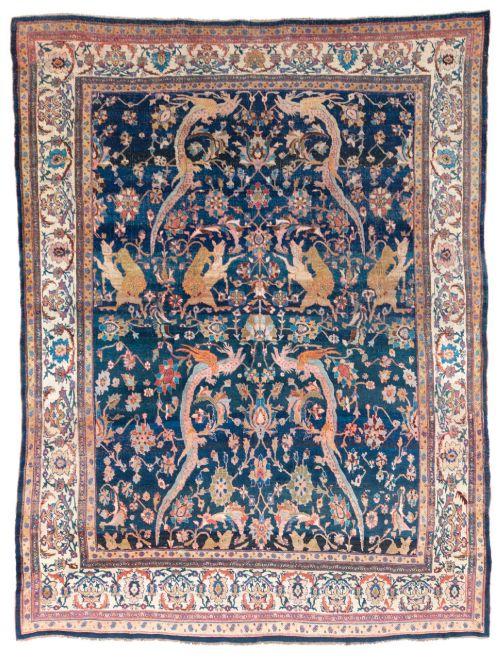
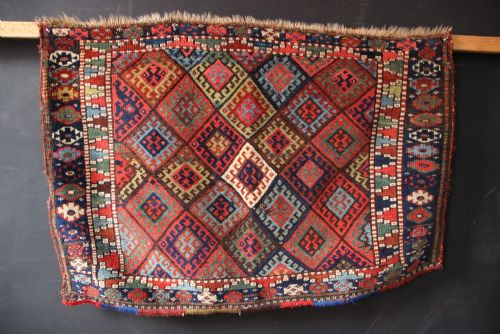
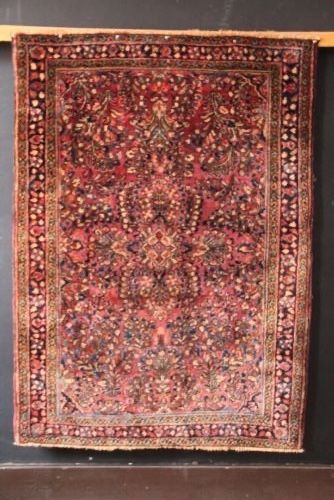
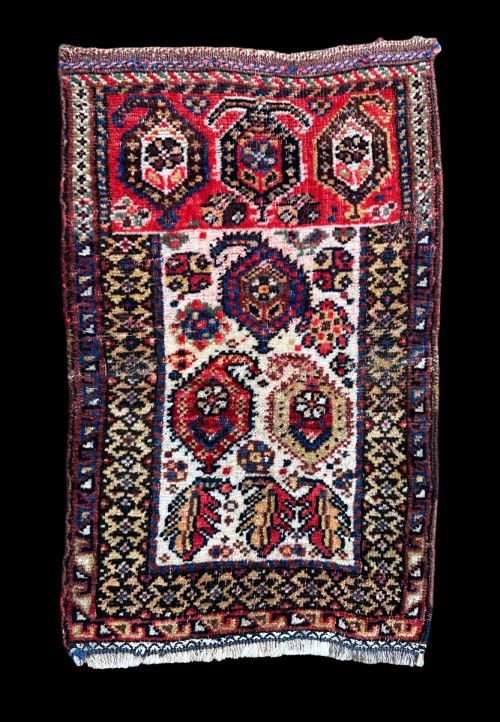
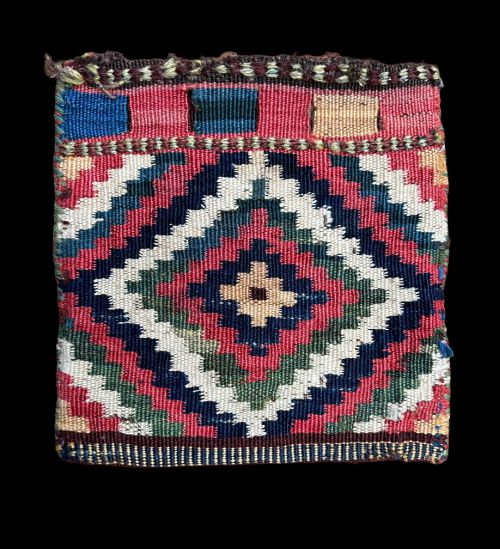
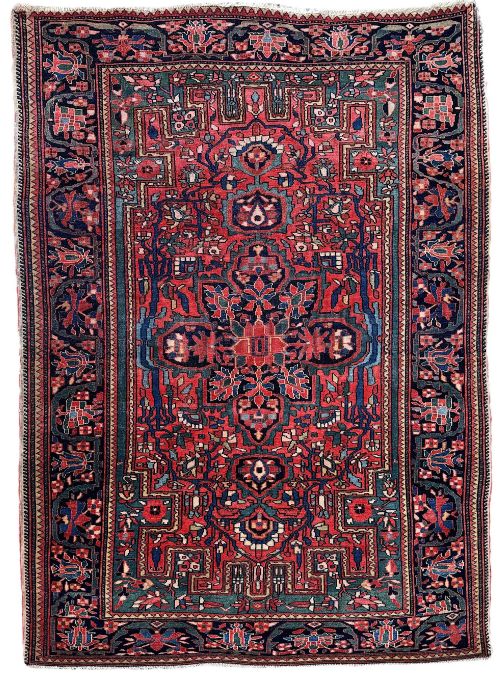
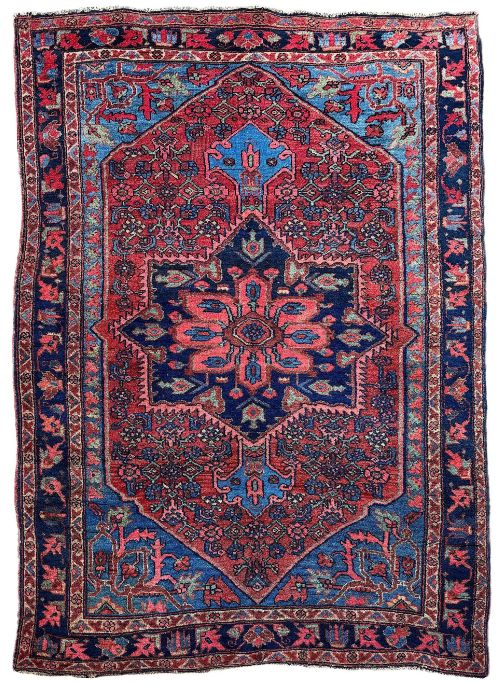
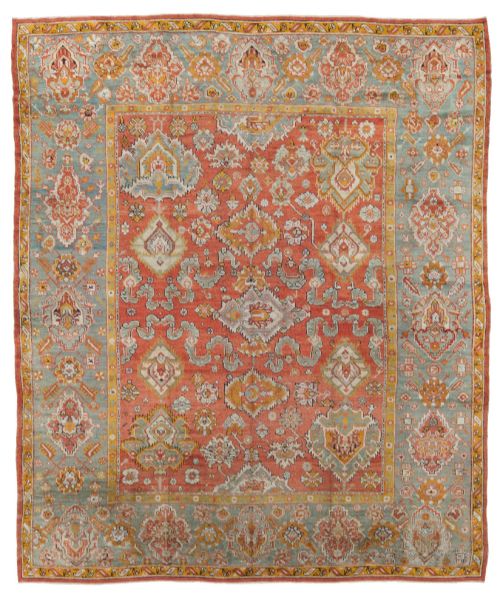
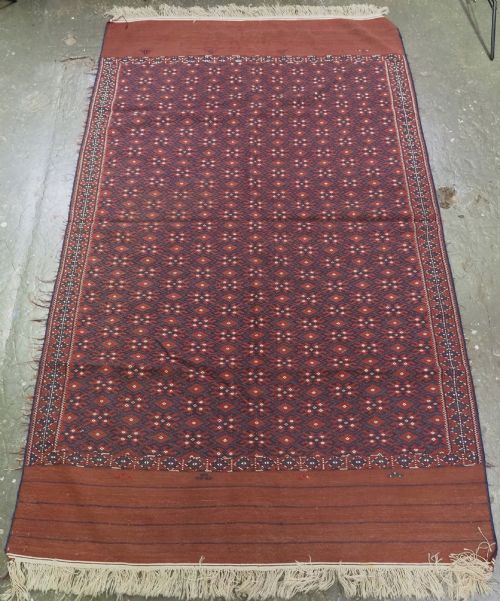
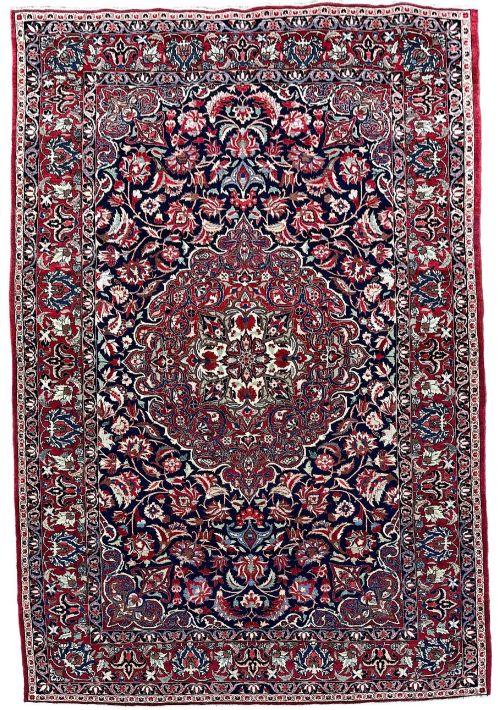
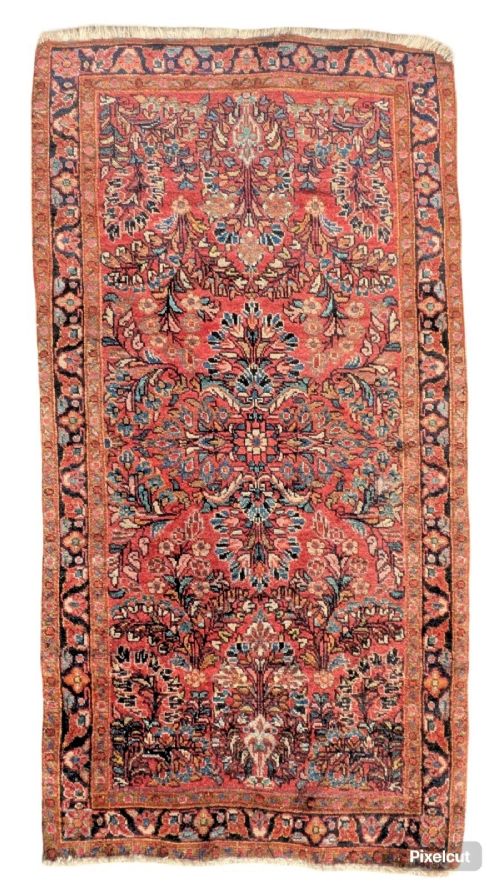
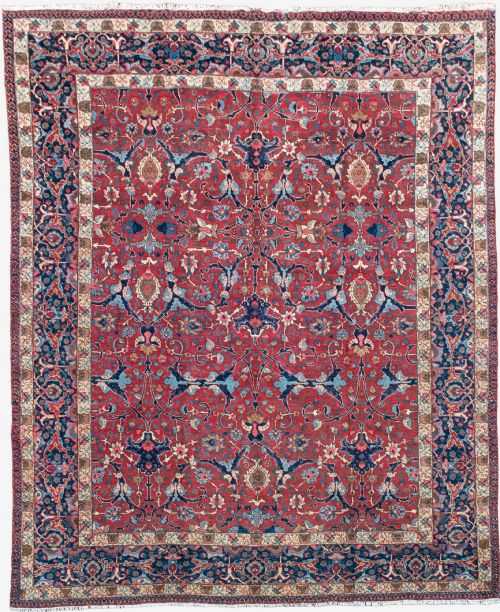
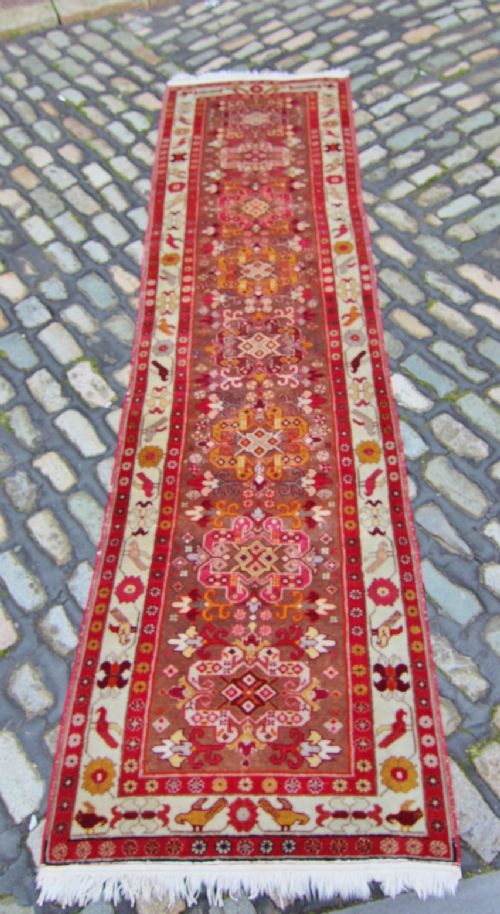
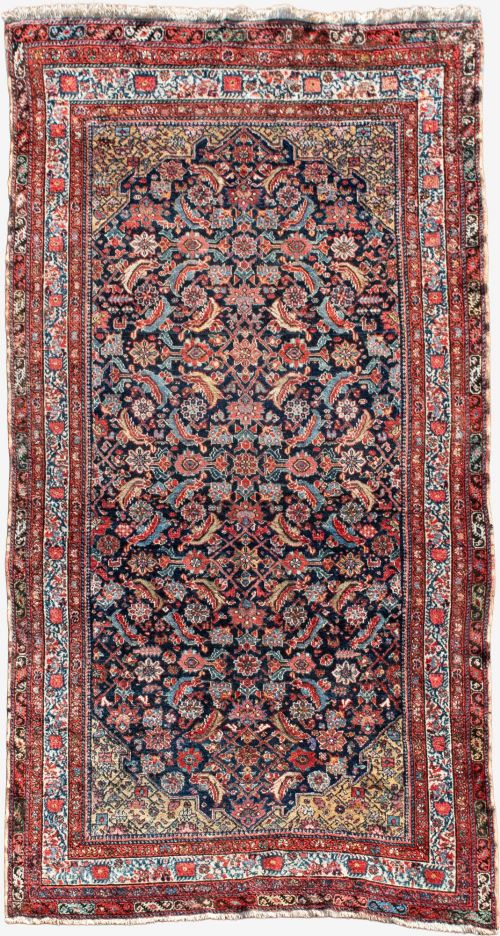
Antique persian wool weaving covers floor coverings, flatweaves, and smaller tribal items produced across various regions and confederacies. Buyers searching this phrase encounter large carpets, area rugs, runner rugs, and kilims alongside nomadic storage bags and animal trappings.
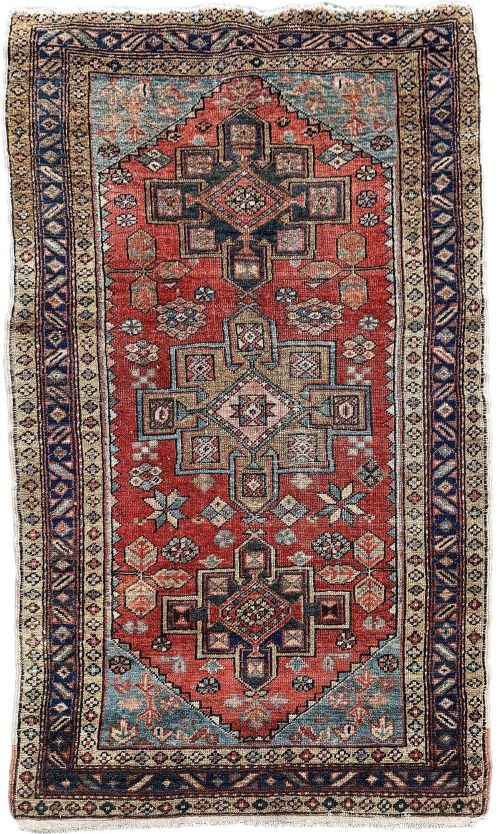
The material focus centres on wool and cotton, with many examples utilising natural dyes and hand-spun wool. Pieces originate from distinct groups including the Qashqai, Bidjar, Heriz, Sarouk, and Bakhtiar, spanning the late nineteenth century into the early twentieth century.
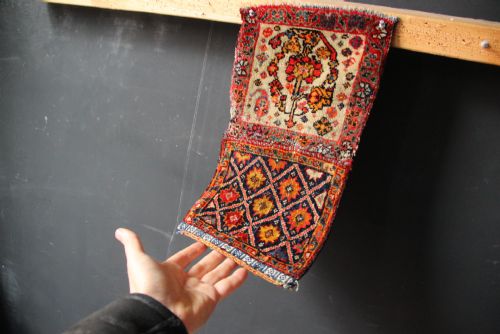
Smaller formats such as chantehs, saddlebags, and bread-sofrehs sit alongside room-sized carpets like Ushak, Isfahan, and Tabriz. Tribal and nomadic styles dominate the smaller utility pieces, while town and village workshops produced the larger format carpets.
How They Were Made
The production relies fundamentally on hand-spun wool for the pile and surface designs, combined with cotton for foundations in many town and village rugs. Natural dyes provide the colour palette, yielding tones that mature with age.
Nomadic and village pieces often incorporate leather or additional wool structures for durability in storage bags and trappings. Weaving techniques range from knotted pile carpets to flatwoven kilims and soumak structures.
Antique Persian Wool Weaving Retail Price Guide 2026
Typical asking prices for persian wool weaving among the pieces listed under this phrase on Sellingantiques today, from the lower quarter to the upper quarter. They describe what is for sale here now, not the wider market.
Some nomadic weavers tucked tiny personal amulets directly into the wool pile to ward off the evil eye.
What Varies in Quality
The fineness of the spin and the density of the knotting distinguish everyday utility sacks from workshop carpets made for urban markets. Material selection plays a role, particularly the purity of the hand-spun wool and the complexity of the natural dye palette.
Design execution reflects the weaver's skill, from the precise geometry of Heriz and Bidjar carpets to the fluid tribal motifs of Qashqai and Khamseh confederacy pieces. The integrity of the structure across edges and foundations separates standard examples from exceptional survivals.
The Antique Persian Wool Weaving Glossary
- Soumak
- A flatweaving technique that wraps supplementary weft threads around the warp to create a durable, textured surface. This method appears frequently on tribal bags and trappings.
- Chanteh
- A small tribal vanity or possession bag woven by nomadic groups for personal use. These items display intricate miniature designs characteristic of specific confederacies.
- Kilim
- A tapestry-woven carpet or flatweave produced without a pile. These pieces rely on interlocking weft techniques to form geometric patterns.
- Sofreh
- A flatwoven spread or cloth used for sharing meals or handling bread within nomadic and village households. They feature specific regional symbols and formats.
Antique Persian Wool Weaving: Frequently Asked Questions
What is an antique persian wool weaving?
These items encompass hand-knotted carpets, flatwoven kilims, and nomadic utility bags produced across Persia using traditional wool and natural dye methods.
They represent both the settled workshop traditions of cities like Tabriz and Isfahan and the nomadic output of tribes such as the Qashqai and Bakhtiar.
How do I care for wool rugs?
These textiles require regular gentle vacuuming without rotating brush heads to protect the wool pile and foundational structure.
Professional cleaning suited to natural dyes and hand-spun materials ensures the longevity of older carpets and flatweaves.
How can I tell regions apart?
Regional styles reveal themselves through distinct colour palettes, structural materials, and characteristic geometric or floral motifs.
For example, Heriz carpets display strong geometric medallions on cotton foundations, while Fars province tribal pieces utilise saturated wool and nomadic symbols.