







Antique Persian Kashan
These antique persian kashan pieces bring centuries of Persian weaving and ceramic artistry directly into your home with enduring elegance.
Antique Persian Kashan
When you search for antique persian kashan, you encounter a refined tradition spanning woven floor coverings and early ceramics.
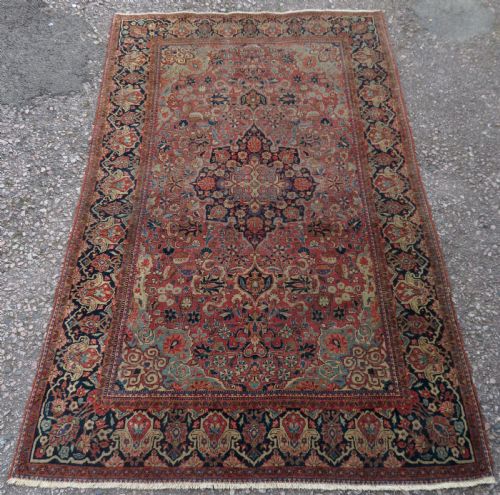
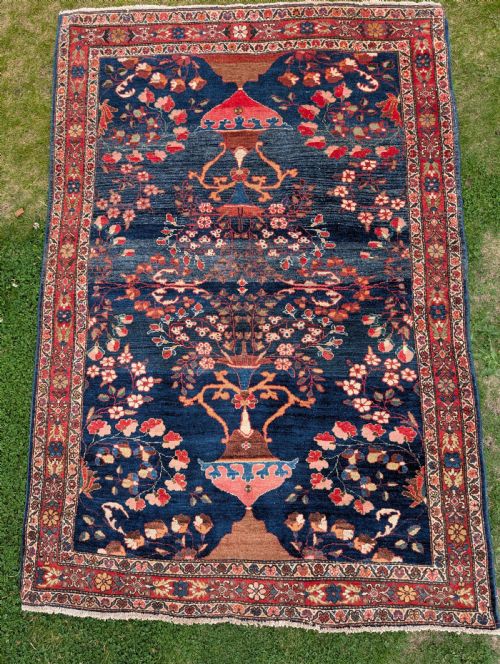
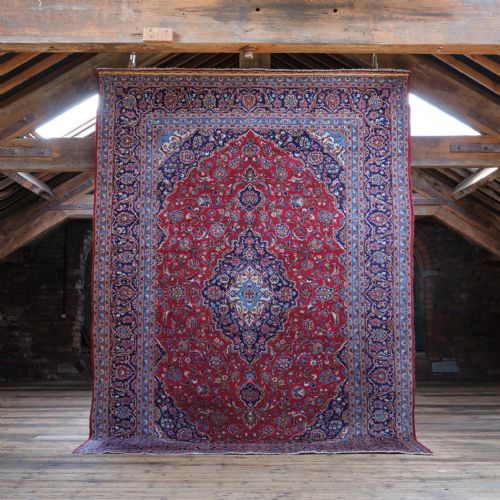
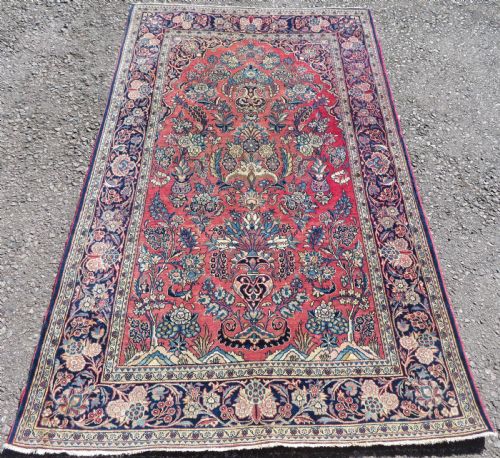
The floor coverings appear most frequently on this page as hand-knotted wool, part-silk, or pure silk rugs and carpets originating from central Persia.
Dating primarily from the late nineteenth and early twentieth centuries, alongside pre-sixteenth century ceramic examples, these items reflect enduring traditional styles.
How They Were Made
The woven textiles rely on hand-knotted construction utilising wool, cotton foundations, and occasionally fine silk to build intricate pictorial or floral designs.
Earlier ceramic pieces employ fritware bodies finished with tin glaze, metallic oxides, and metallic or turquoise glazes to achieve their lustrous surfaces.
Antique Persian Kashan Retail Price Guide 2026
Typical asking prices for persian kashan among the pieces listed under this phrase on Sellingantiques today, from the lower quarter to the upper quarter. They describe what is for sale here now, not the wider market.
Several master-woven rugs preserve unexpected historical portraits, depicting figures from Kaiser Wilhelm II to the last Tsar of Russia alongside Persian royalty.
What Varies In Quality
The distinction between tiers rests upon the density of the hand-knotted pile and the fineness of the wool or silk fibres utilised.
Design complexity and the precision of floral, vase, or portrait depictions elevate certain rugs and carpets above standard productions.
Ceramic quality is defined by the preservation of the lustre glaze and the clarity of the painted horse, rider, or decorative motifs.
Mohtasham Kashan·Haroon Kashan
The Antique Persian Kashan Glossary
- Fritware
- A type of pottery developed with a quartz-based paste that allows for intricate forming and smooth glazing. It forms the body of early ceramic bowls and vases.
- Knot density
- The number of knots per unit area in a rug, which dictates the sharpness of the pattern and the resilience of the pile. Higher densities require greater artisan labour.
- Lustre glaze
- A metallic glaze technique applied to ceramics to produce an iridescent, reflective sheen. It appears on early pieces depicting figures and horses.
- Prayer rug
- A textile featuring a Mihrab or arch design traditionally used for daily prayers. These examples frequently incorporate floral vase motifs.
- Kork wool
- A soft, high-grade wool gathered from the neck hairs of mountain sheep. It provides a particularly fine texture to specific nineteenth-century carpets.
Antique Persian Kashan: Frequently Asked Questions
How do I identify a Kashan rug?
Kashan rugs are distinguished by their intricate floral and vase designs, central medallions, and fine hand-knotted wool or silk construction originating from central Persia.
They often feature traditional red or rose pink grounds alongside exceptionally detailed borders executed with high knot densities.
What is a pictorial Kashan rug?
Pictorial examples break from traditional purely floral patterns by weaving human figures, historical portraits, or narrative scenes directly into the pile.
These pieces demonstrate the exceptional versatility and skill of the weavers working in central Persia during the late nineteenth and early twentieth centuries.
How should I care for an antique rug?
Protect your woven floor covering by placing it in areas shielded from direct, harsh sunlight to prevent natural dyes from fading over time.
Regular gentle vacuuming without a rotating brush roll helps maintain the wool or silk pile without pulling the hand-knotted foundation threads.
What are early Kashan ceramics?
Early ceramic pieces encompass fritware bowls and vases decorated with tin glazes, metallic oxides, and distinctive lustre finishes dating back centuries before the modern era.
These objects frequently display figurative work, including horse and rider motifs, reflecting the rich artistic heritage of pre-sixteenth century Persia.