



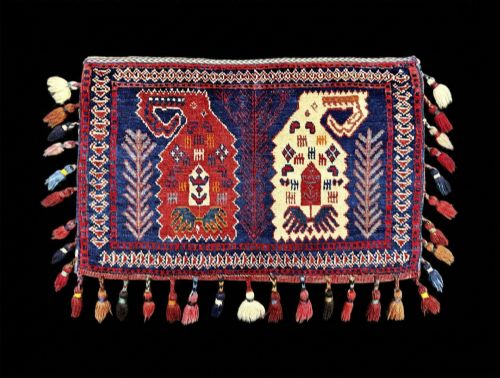
Antique Persian Chanteh
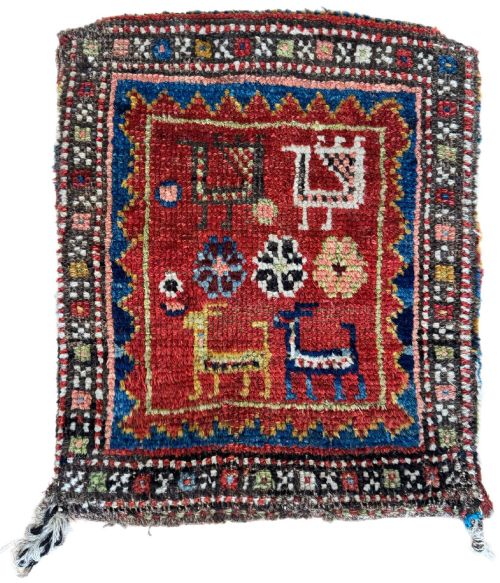
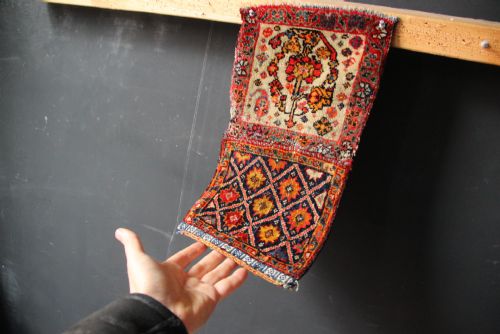
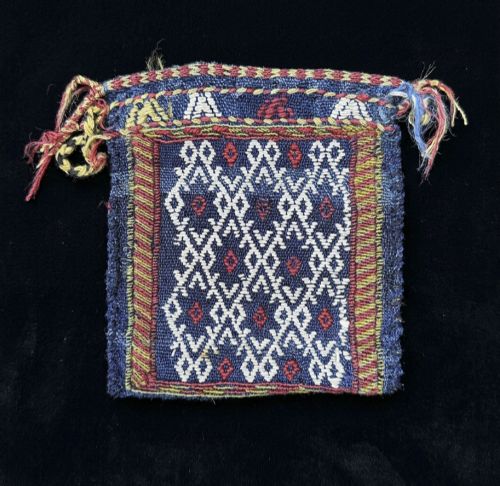
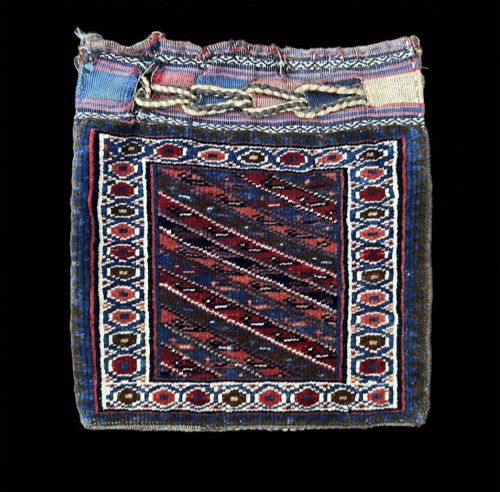
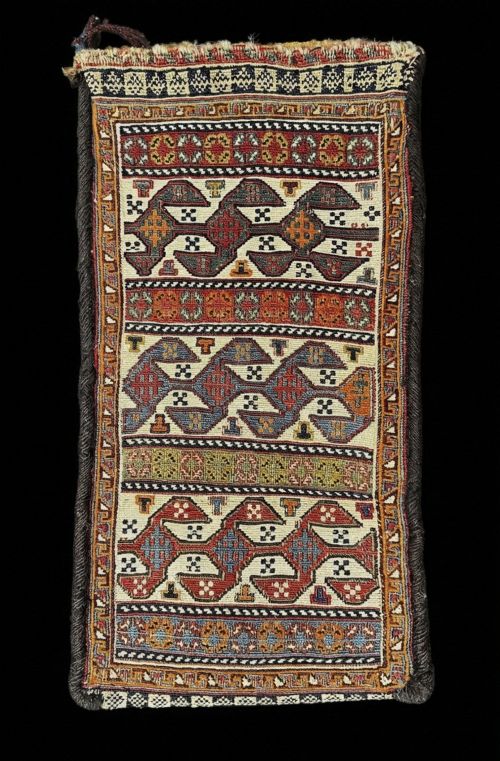
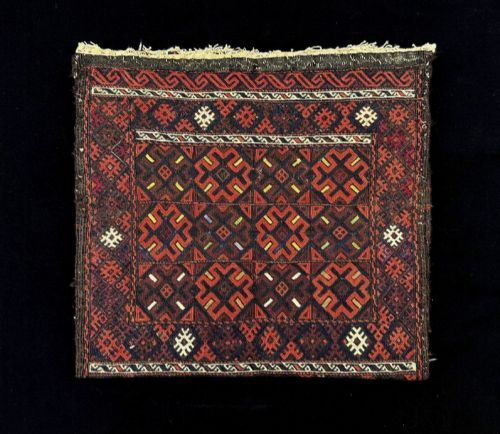
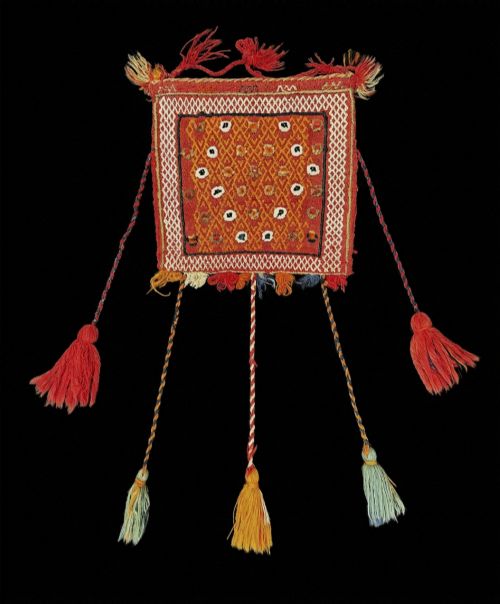
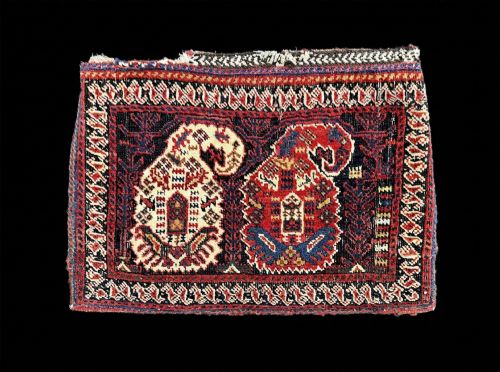
These small woven pouches are an antique persian chanteh, made by nomadic tribal weavers to carry personal belongings or utility items.
Antique Persian Chanteh
An antique persian chanteh is a small woven tribal bag or vanity-bag produced by various nomadic and village groups across Persia. Buyers searching for this phrase encounter pieces dating from the late nineteenth century up to the early twentieth century, spanning periods such as 1860, 1870, 1880, 1900, and 1920.
The forms vary from utilitarian vanity-bags and spindle bags to water-pipe bags and general tribal textiles. Regional groups represented on this page include the Shahsevan, Lors, Koti Arab, Qashqa'i, Baluch, Kurdish, Bakhtiari, and Afshar tribes.
These items originate from specific territories including Azerbaijan, Luristan, Varamin, Fars Province, Khorassan, and Kerman Province. Each piece reflects the distinct weaving heritage and practical household functions of the specific nomadic confederacy that created it.
Materials and construction
These textiles are constructed primarily from wool and cotton, utilising traditional hand-weaving methods passed down through generations of tribal makers. The structural foundations and pile employ wool and cotton yarns spun by hand.
Colour derives from natural dyes applied to the textile fibres, yielding the rich and varied palettes characteristic of nineteenth and early twentieth-century Persian tribal weaving. The combination of these specific materials and dye sources defines the physical makeup of each bag.
Antique Persian Chanteh Retail Price Guide 2026
Typical asking prices for persian chanteh among the pieces listed under this phrase on Sellingantiques today, from the lower quarter to the upper quarter. They describe what is for sale here now, not the wider market.
Factors that distinguish quality
Quality in these tribal bags is determined by the fineness of the weave and the precision of the tribal motifs executed across the surface. Tighter knotting and sophisticated handling of natural dye colours separate finer examples from simpler utilitarian pieces.
The integrity of the structural weave and the preservation of the original format, whether a vanity-bag or a specialised pipe bag, contribute further to the standing of an individual textile.
The Antique Persian Chanteh Glossary
- Chanteh
- A traditional tribal bag or small pouch woven by nomadic groups in Persia for personal storage. These pieces were often used to carry vanity items or small personal possessions.
- Natural Dyes
- Colouring agents sourced from plants, minerals, and insects rather than synthetic compounds. These dyes produce the characteristic mellow tones seen in older Persian tribal textiles.
- Tribal Bag
- A portable woven container created for nomadic daily life rather than sedentary domestic use. Such bags encompass diverse specialised forms including spindle holders and vanity pouches.
- Pile
- The upright or knotted surface wool of a textile that forms the soft texture and visible pattern. This component absorbs wear and displays the primary design motifs.
Antique Persian Chanteh: Frequently Asked Questions
How were these tribal bags used?
Nomadic weavers used these small bags to transport and store personal belongings, vanity items, tobacco pipes, or spinning tools. Their compact dimensions made them practical for camp life and travel.
Many pieces are specifically identified as vanity-bags or water-pipe bags, reflecting the precise domestic utility intended by the maker.
How do I date an antique chanteh?
Dating relies upon stylistic analysis, structural characteristics, and the nature of the wool and natural dyes employed. Pieces on this page originate from periods between 1860 and 1920.
Examining the specific tribal attribution, such as Baluch or Afshar, helps contextualize the approximate decade of production based on known weaving traditions.
Where were these bags made?
They were woven across various regions of Persia by specific tribal confederacies and nomadic groups. Documented origins include Azerbaijan, Luristan, Fars Province, and Kerman Province.
Each region developed particular design vocabularies and colour palettes that distinguish the weaving of one tribal group from another.
What materials are used in these textiles?
The primary materials found in these pieces are wool and cotton, utilised for both the structural foundation and the decorated surfaces. Natural dyes provide the colour palette.
Weavers sourced these materials directly from their immediate environment, utilising hand-spun yarns suited to nomadic textile production.