

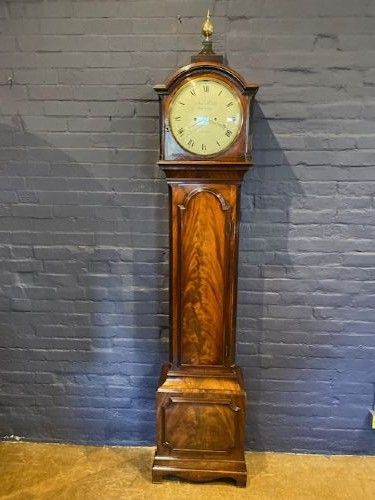
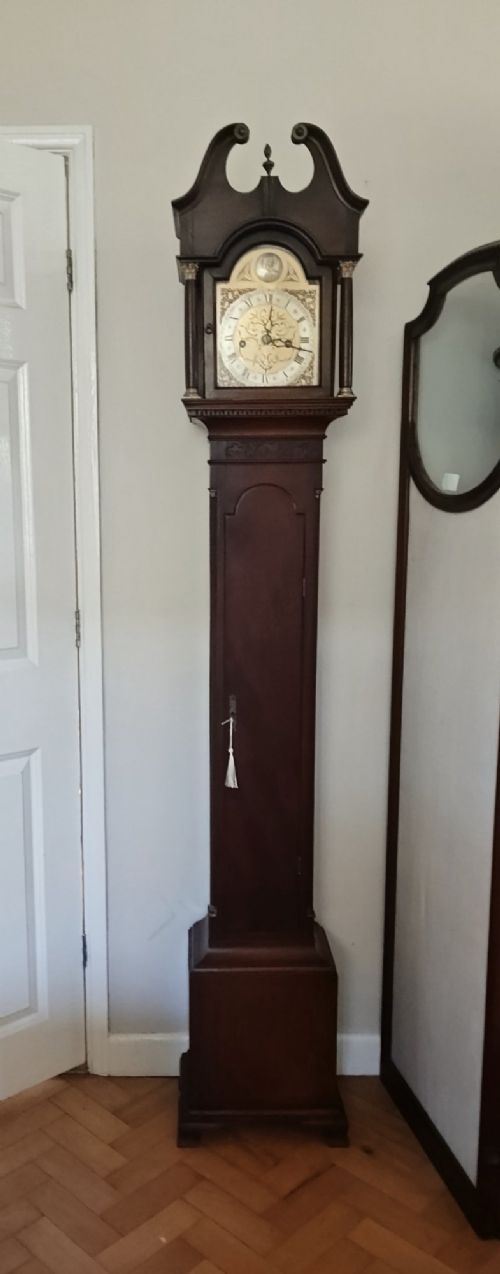
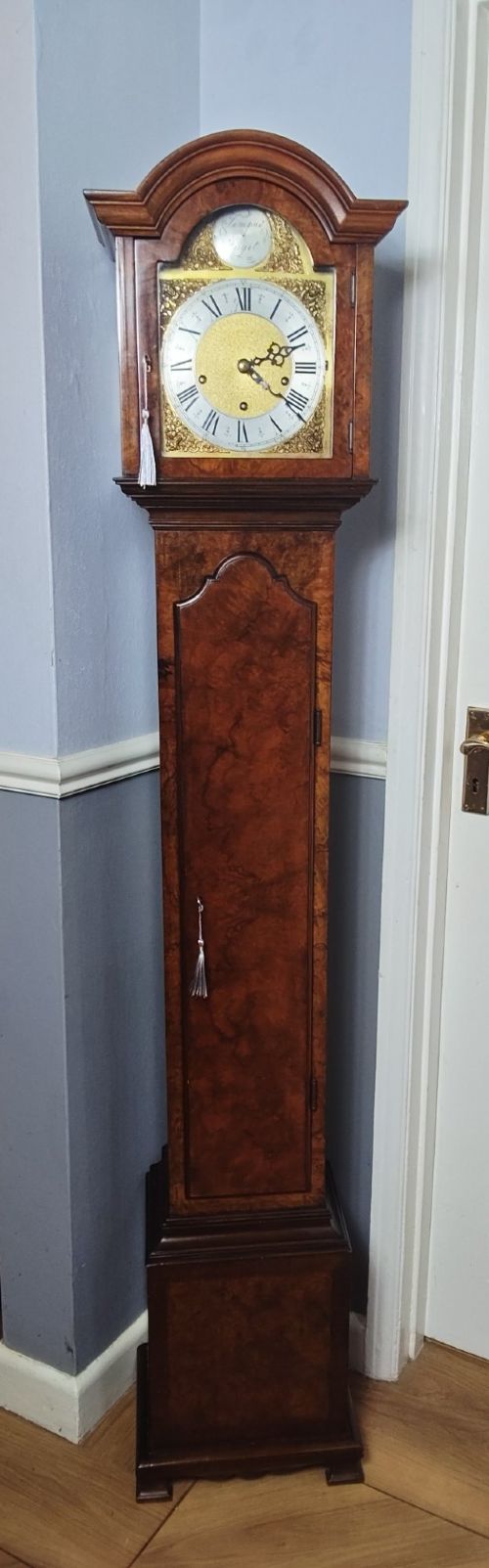
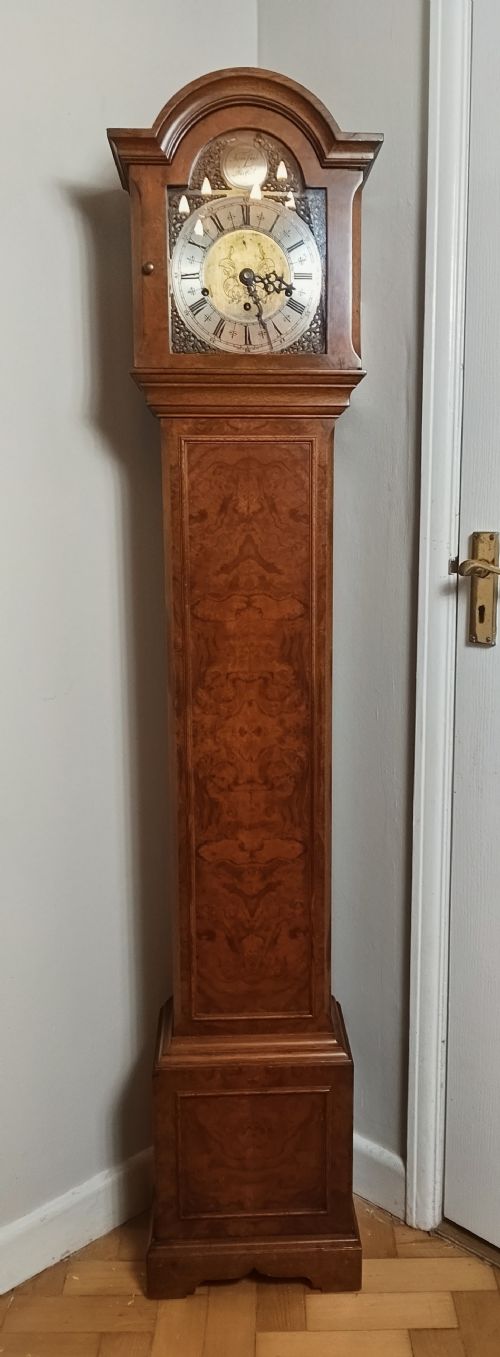


Antique Pendulum Hall Clock
An antique pendulum hall clock commands the space with steady movement, offering the deep resonance of a measured hour.
Antique Pendulum Hall Clock
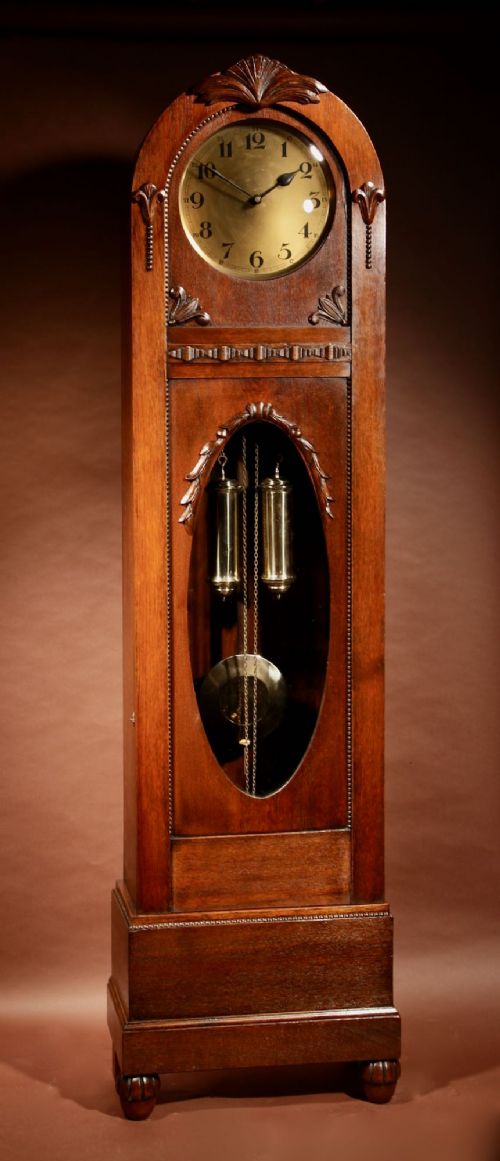
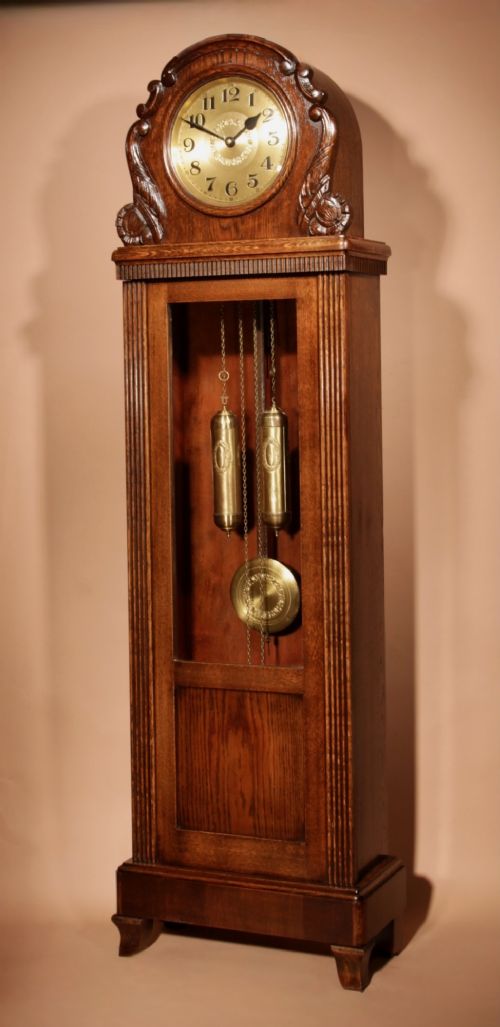
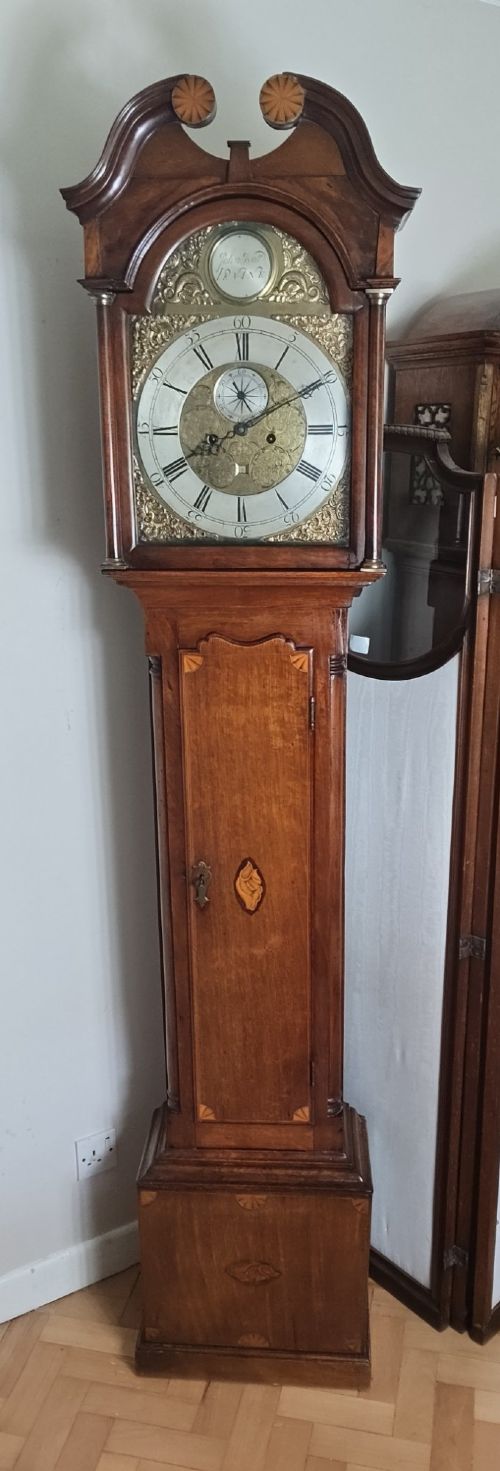
The search for an antique pendulum hall clock leads directly to tall case timepieces, including grandfathers, grandmothers, and longcase clocks. These vertical instruments stand upright to house a swinging pendulum and descending weights behind glazed or panelled timber doors. Examples span from the eighteenth century through the Georgian and Victorian eras into Edwardian and Art Deco periods, encompassing both full-scale floor models and more compact proportions.
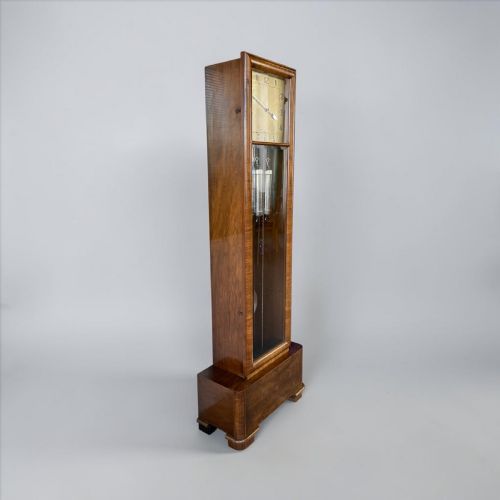
Most pieces encountered on this page take the form of traditional oak or mahogany longcase clocks, alongside walnut grandmother clocks fitted with musical or quarter-chiming movements. Makers housed these mechanisms in architectural floor-standing cases designed to integrate with domestic halls and living spaces. Regional variations appear alongside London work, offering buyers a choice between austere provincial oak and polished figured veneers.
How they were made
Cabinetmakers constructed these clock cases using native and imported hardwoods, selecting oak, mahogany, and walnut for their structural stability and figured grain. Workshops applied veneers, marquetry inlay, and brass dial furniture to enrich the timber surfaces, protecting the internal brass and steel gear trains behind glazed doors.
Horologists drove the pendulum and striking mechanisms using brass and iron weights suspended by cords or chains. Dials featured painted arches, moon rollers, and engraved chapter rings, combining mechanical precision with traditional woodworking techniques.
Antique Pendulum Hall Clock Retail Price Guide 2026
Typical asking prices for pendulum hall clock among the pieces listed under this phrase on Sellingantiques today, from the lower quarter to the upper quarter. They describe what is for sale here now, not the wider market.
Listings span periods from the seventeenth century through Georgian, Victorian, and Edwardian eras to Art Deco.
What varies in quality
The distinction between tiers rests upon the sophistication of the movement and the fidelity of the cabinetwork. High-tier examples integrate complex quarter-chiming or musical mechanisms, signed dials, and finely figured walnut or mahogany veneers with intricate inlay.
Simpler provincial pieces rely on plain oak cases and standard hour-strike movements. The depth of hand-engraving on the brass dial and the proportion of the timber case determine the standing of the piece within its period.
James McCabe·John Wylde·Dwerrihouse & Carter·Richard Northen·Edward Glase·Herbert of Haversham·JJ Elliot
The Antique Pendulum Hall Clock Glossary
- Longcase clock
- A tall, weight-driven pendulum clock housed in a protective wooden floor case. These instruments measure time through the controlled swing of an internal pendulum.
- Grandmother clock
- A smaller, more slender version of the traditional longcase clock. This diminutive form emerged to fit domestic spaces with lower ceilings.
- Moon phase
- A dial mechanism tracking the lunar cycle through a rotating painted disc. It displays the phases of the moon behind an arched aperture on the clock face.
- Fusee
- A conical pulley used in clock movements to maintain even tension on the gear train as the drive spring unwinds. This device ensures steady force for accurate timekeeping.
- Quarter chiming
- A mechanical gear train that sounds the quarter hours on bells or gongs. This function requires additional hammers and barrels within the movement.
Antique Pendulum Hall Clock: Frequently Asked Questions
What is an antique pendulum hall clock?
An antique pendulum hall clock is a tall floor-standing timepiece that uses a swinging pendulum and descending weights to track time. These vertical wooden cases protect the intricate brass and steel movement while serving as prominent architectural furniture in a hallway.
Examples range from eighteenth-century oak longcase pieces to twentieth-century mahogany and walnut grandmother clocks. Each version combines mechanical horology with period cabinetmaking to anchor the domestic interior.
How do I wind the clock?
Winding requires raising the internal weights using a key inserted into holes on the dial face, or winding the springs via the arbours depending on the movement type. Care must be taken not to over-wind the mechanism.
Regular winding maintains the constant tension needed for the pendulum to keep accurate time. The process connects the modern owner directly to the daily routine practiced by past generations.
Where should I place a longcase clock?
These tall timepieces require a stable, level floor and a firm interior wall to anchor the case securely. Halls and landings provide the traditional placement where the tick and chime carry through the home.
Avoiding damp walls and direct sunlight protects the timber veneer and internal brass components. A stable environment ensures the pendulum swings evenly without interference.
How do I date a hall clock?
Dating relies on stylistic clues in the wooden case, such as Georgian mahogany veneers, Victorian arched dials, or Edwardian inlaid woodwork. Signatures painted or engraved on the dial provide direct links to the maker and operational era.
Comparing the dial furniture, wood selection, and movement construction against known period examples narrows the timeline. Changes in horological technology also help establish the decade of manufacture.
Why do some clocks chime?
Chiming movements incorporate extra gear trains, bells, or gongs to sound the quarter hours and full hours. This added complexity allowed households to tell the time by ear without viewing the dial.
Quarter chiming and musical variations represent higher tiers of horological skill. They transform a simple timekeeper into an acoustic feature of the room.