

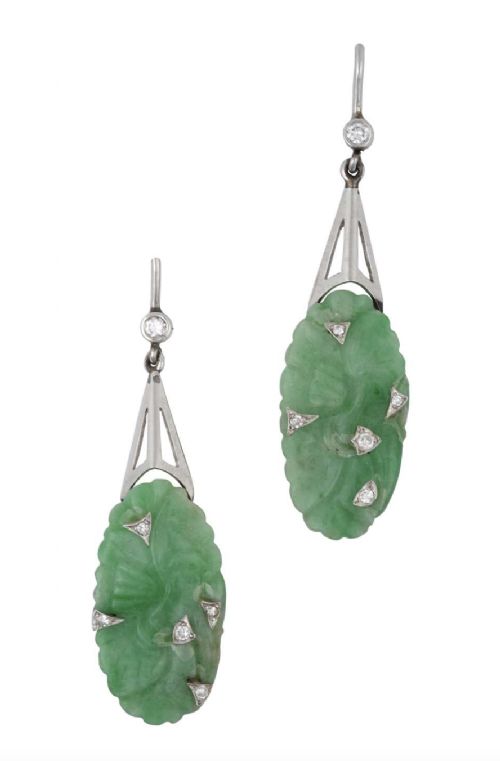


Antique Pendant Earrings
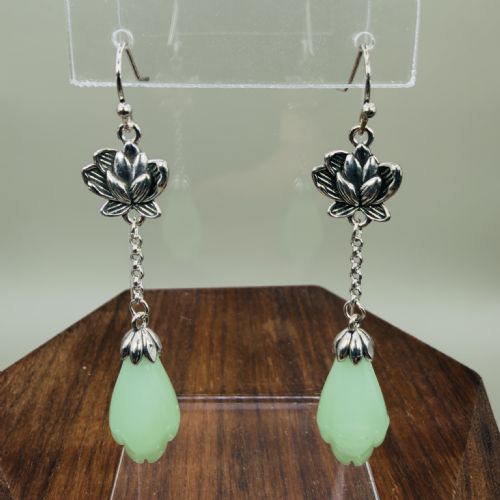
Antique pendant earrings bring movement and light to the lobe, suspended in designs spanning Georgian, Victorian and Edwardian eras.
Antique Pendant Earrings
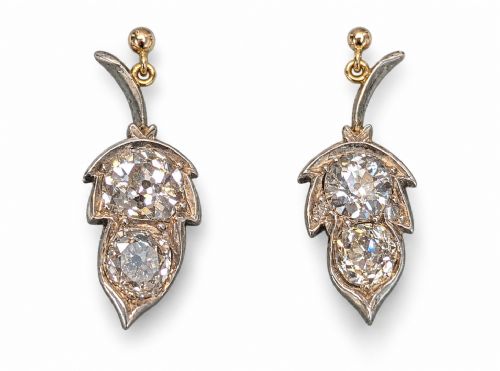
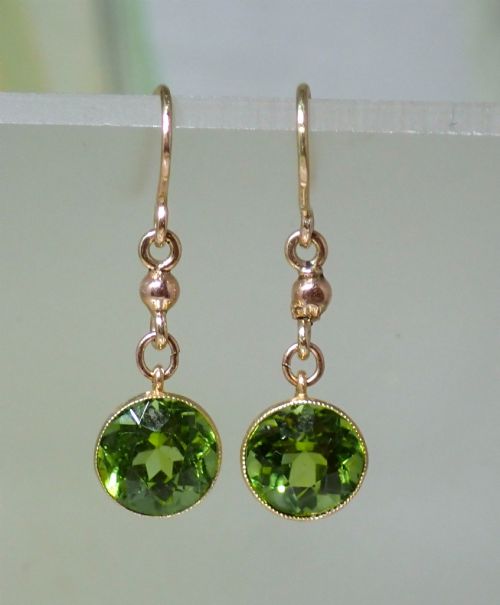
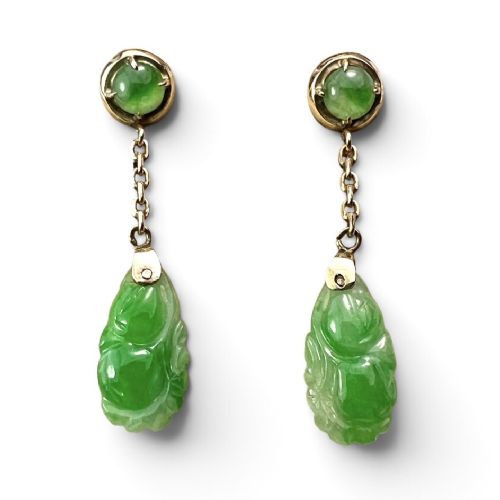
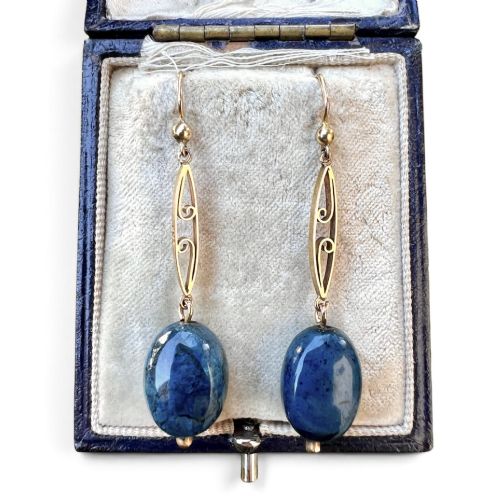
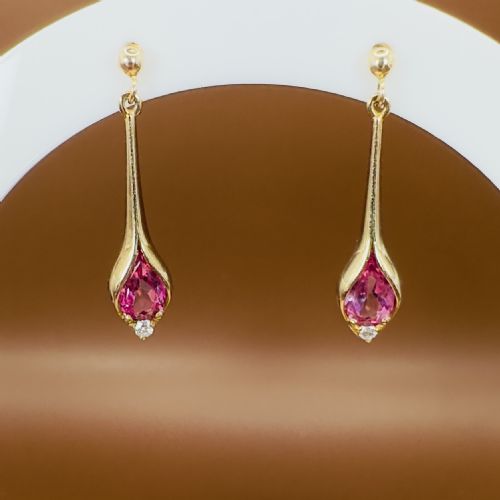
These pieces are drop and dangling earrings that hang below the earlobe, often incorporating articulated sections to catch the light with every turn of the head. When searching for antique pendant earrings, buyers encounter diverse forms ranging from simple gemstone drops to elaborate cluster designs on wires or lever backs.
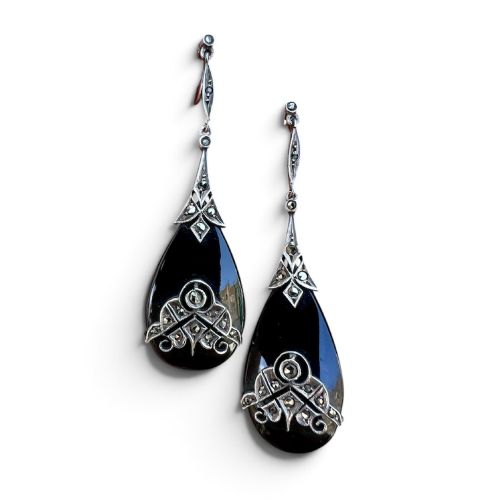
The selection extends from early Georgian and Victorian examples through Edwardian lace-like platinum work to later Art Deco geometric motifs. Drop earrings, teardrop configurations and tassel fringes dominate the types preserved across these periods.
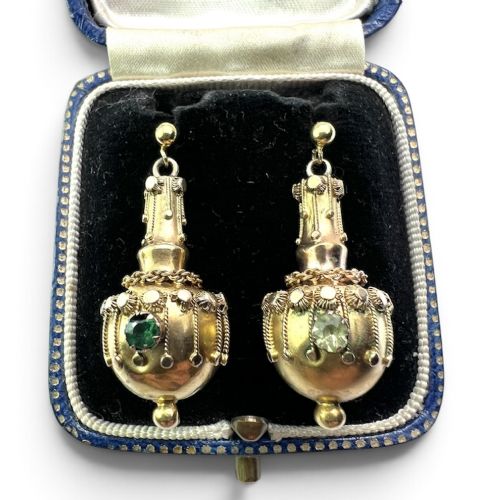
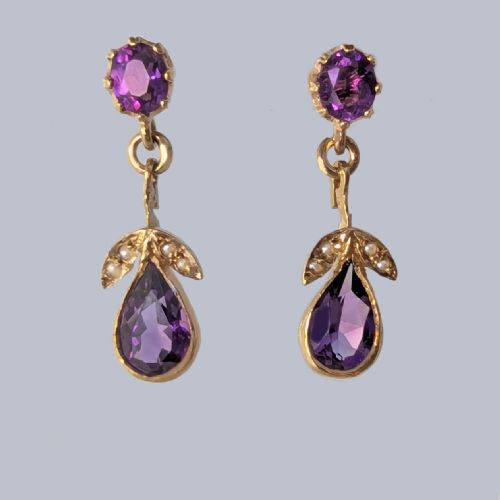
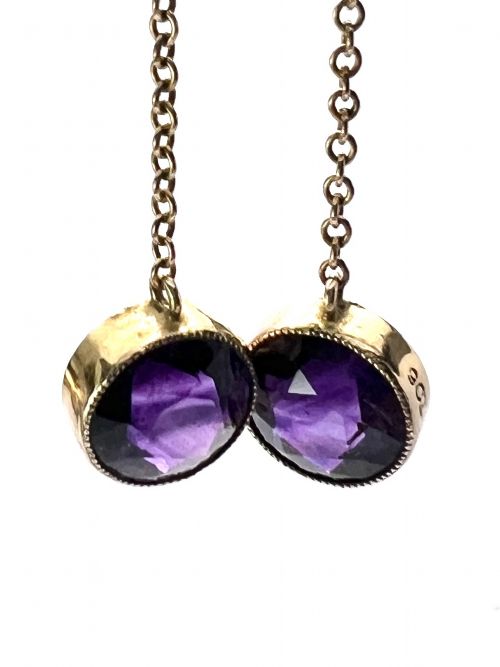
Makers utilised various metals including yellow gold, white gold, platinum and sterling silver to anchor stones such as diamond, amethyst, aquamarine and garnet. Pendant designs also encompass specific historical revivals, featuring Etruscan amphora shapes or classical cameos.
Materials and construction
Goldsmiths combined gold of various carats with silver settings, particularly in earlier periods where silver enhanced the brilliance of old cut diamonds. Platinum emerged later to provide a strong, delicate framework for intricate Edwardian and Art Deco stone arrangements.
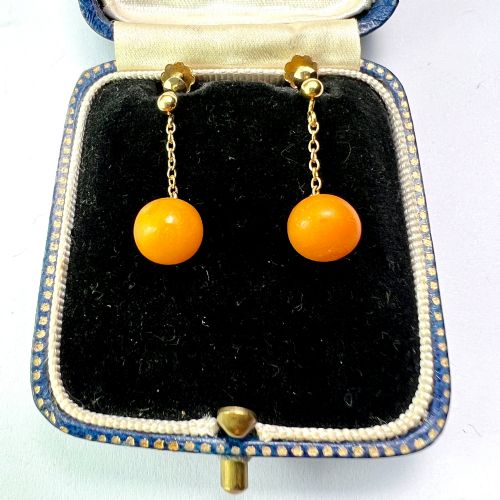
Stones were faceted by hand or carved into specific shapes like teardrops, spheres and cameos, then secured with claw mounts, bezels or foil backs. Articulation relied on tiny handmade hinges, chains and jump rings that allowed the pendant section to sway independently.
Micro mosaic doves offer a tiny, permanent snapshot of Italian skies tucked safely behind glass.
Judging the range of quality
Quality rests upon the proportion and harmony of the design, the matching of natural gemstones, and the crispness of metalwork details like granulation or pierced foliate mounts. Superior examples maintain original components without later replacements or clumsy repairs to the delicate hinge points.
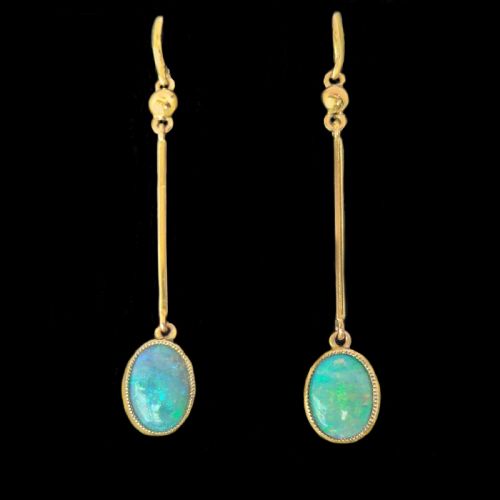
The finesse of the stone cutting and the integrity of the setting determine how well light passes through amethysts, diamonds and opals. Hand-finished engraving and secure original closures elevate a pair from standard workshop production to fine jewellery.
The Antique Pendant Earrings Glossary
- Old cut
- A diamond facet arrangement characterised by a high crown, small table and open culet, typical of pieces predating modern brilliant cutting.
- Etruscan revival
- A nineteenth-century design movement inspired by ancient archaeological finds, often featuring granular goldwork and classical motifs.
- Parure
- A matched set of jewellery intended to be worn together, frequently including earrings alongside a necklace or brooch.
- Marcasite
- Small, faceted iron pyrites polished and set closely in silver to imitate the sparkle of diamonds in Art Deco jewellery.
- Day-to-night earrings
- Convertible drop earrings featuring removable lower sections to transition from daytime wear to evening display.
Antique Pendant Earrings: Frequently Asked Questions
How do I wear antique drop earrings?
These pieces suit both formal occasions and everyday attire, depending on the scale of the drop. Secure wire or lever back fasteners ensure comfortable placement on pierced lobes.
Pairing them with minimal neckwear allows the movement and sparkle of the pendant to remain the focal point.
Were all antique earrings made for pierced ears?
Most surviving examples from the Georgian and Victorian eras feature hooks or wires designed specifically for pierced lobes. Screw-backs and clip-on mechanisms became more prevalent in later decades.
Conversion work sometimes alters original findings to suit modern preferences for pierced or unpierced wear.
How do I date antique pendant earrings?
Dating relies on a combination of metal types, gemstone cuts, and manufacturing techniques visible in the mountings. Edwardian pieces often utilise platinum and delicate millegrain work, while Victorian items favour yellow gold and deeper coloured stones.
Hallmarks and stamps provide definitive assay office markers where present on the metalwork.
How should I clean delicate antique earrings?
Gentle maintenance involves using a soft brush with warm water and mild soap, avoiding harsh ultrasonic cleaners that can dislodge foiled stones or fragile pearls. Professional jewellers should inspect older settings annually to check prong security.
Store each earring in a separate compartment to prevent scratching softer gems like amber or moonstone.