



Antique Pelmets
Antique pelmets frame architectural openings and beds with carved timber, gilt, and woven textile.
Antique Pelmets
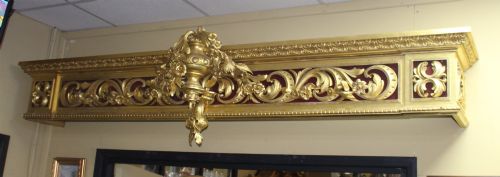
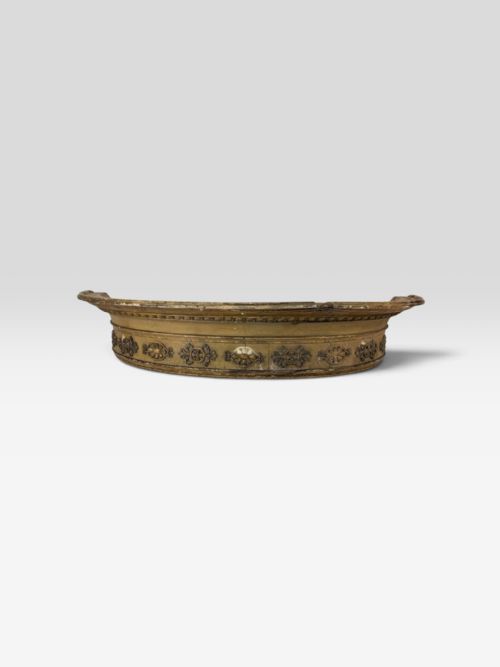
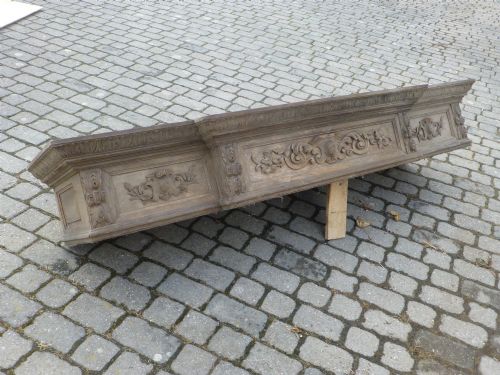
Antique pelmets take the form of window cornices, overdoors, bed canopies, and architectural pediments designed to cap apertures or structure spaces. You will encounter carved timber frameworks alongside fabric wall hangings and door tent decorations in this selection.
The periods span the Georgian, Regency, and Victorian eras, reaching into the early twentieth century with French and English examples. Surviving forms range from large country house pelmets to pairs of gilt brass window fittings and carved oak bed canopies.
Makers and workshops of the nineteenth century produced these pieces in wood, gesso, and paint, often employing giltwood and composition ornament. Architectural salvage pieces sit alongside decorative tapestries and wool tent hangings to complete the range.
How they were made
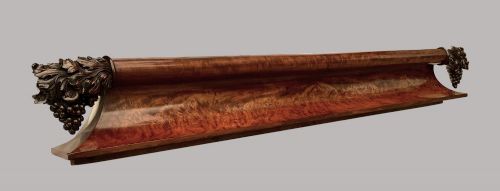
Makers constructed the timber frames from mahogany, oak, and other woods, applying carved detail directly to the substrate or building up relief with composition and gesso. Giltwood surfaces received layers of gold leaf over preparation grounds, whilst painted examples relied on flat or layered pigment.
Textile elements incorporate European wool and metal thread tapestry panels alongside Central Asian tribal wool weaving. Structural elements combine joinery with applied carvings, brass components, and architectural mouldings.
Antique Pelmets Retail Price Guide 2026
Typical asking prices for pelmets among the pieces listed under this phrase on Sellingantiques today, from the lower quarter to the upper quarter. They describe what is for sale here now, not the wider market.
Object forms cover window pelmets, overdoors, bed canopies, and architectural pediments alongside woven tapestries.
What varies in quality
The refinement of the carving separates standard joinery from pieces attributed to specific workshops, such as those by D.J. McLauchlan. Crispness in carved gesso and wood composition indicates skilled hand execution rather than mass production.
Material selection dictates the visual weight of a pelmet, with figured mahogany and genuine gold leaf displaying greater depth than secondary painted woods. The preservation of original surface finishes and gilding determines the integrity of the piece.
D.J. McLauchlan
The Antique Pelmets Glossary
- Pelmet
- A framework or border placed above a window, door, or bed to conceal fittings and frame the opening. They appear in carved wood, giltwood, and fabric.
- Giltwood
- Timber coated with gold leaf or powder over a prepared gesso base. This finish characterises formal Regency and Victorian decorative pieces.
- Composition
- A moulded mixture of whiting, linseed oil, resin, and glue pressed into relief ornament. Makers applied this paste to wooden cornices to simulate deep hand carving.
- Pediment
- A triangular or decorative architectural crown above a door, window, or piece of furniture. These architectural salvage elements function as structural pelmets.
- Kapunuk
- A traditional Central Asian tent hanging or doorway decoration woven in wool. These tribal textiles serve a framing purpose analogous to rigid pelmets.
- Gesso
- A plaster mixture applied to wood surfaces as a smooth base for gilding or painting. Its thickness allows for crisp subsidiary carving.
Antique Pelmets: Frequently Asked Questions
What is an antique pelmet used for?
These decorative frames sit above windows, doors, or beds to conceal curtain tracks and architectural fixings while adding presence to a room.
They also function as independent architectural salvage or wall ornamentation, drawing the eye upward and defining the proportions of an interior space.
How do I hang a heavy wooden pelmet?
Installation requires secure fixing into structural timber or masonry behind the plaster, as carved wood and gilt examples carry substantial weight.
Metal brackets or battens screwed directly through the upper framing members typically support the load safely against the wall.
How do I tell Regency from Victorian pelmets?
Regency pieces often display neoclassical restraint, featuring carved mahogany, gilded details, and architectural symmetry derived from classical precedents.
Victorian examples tend toward heavier proportions, incorporating revival styles like Gothic ornamentation, richer gilding, and more complex composition mouldings.
Can textile pelmets and tapestry panels be cleaned?
Wool and metal thread textiles require gentle surface conservation or specialist textile cleaning rather than immersion washing.
Dusting with a soft brush helps maintain the fibres of antique tapestries and tent hangings without disturbing the weave.