


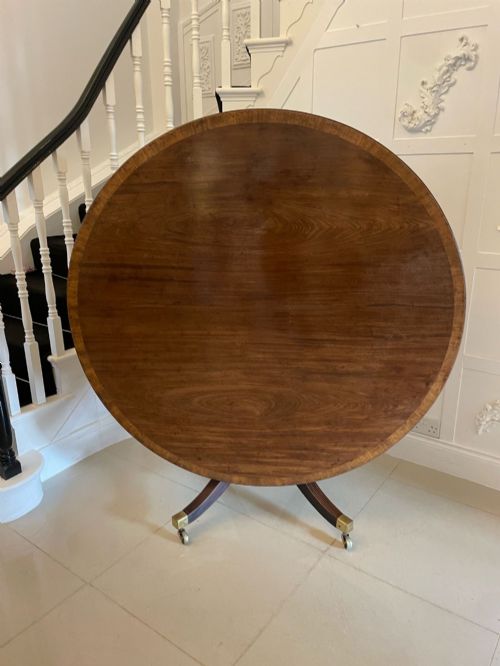
Antique Pedestal Tilt Table
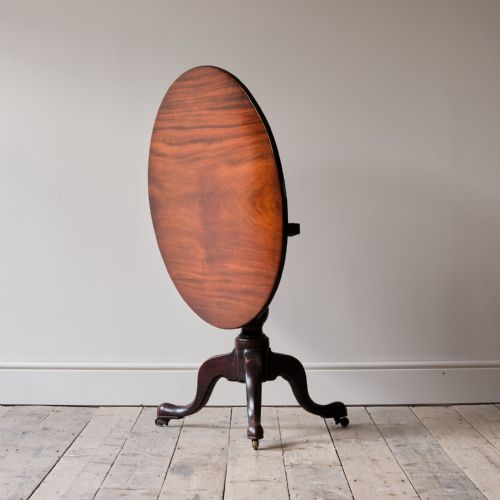
An antique pedestal tilt table combines a stable central column with a pivoting top designed to save space when stowed.
Antique Pedestal Tilt Table
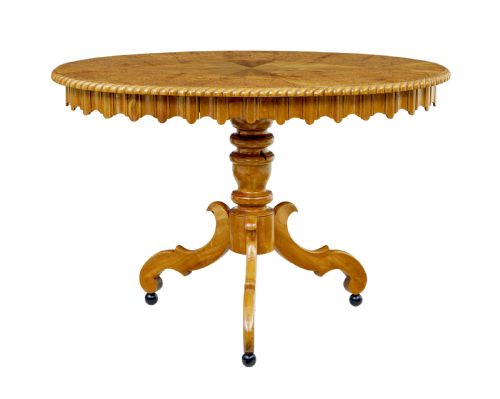
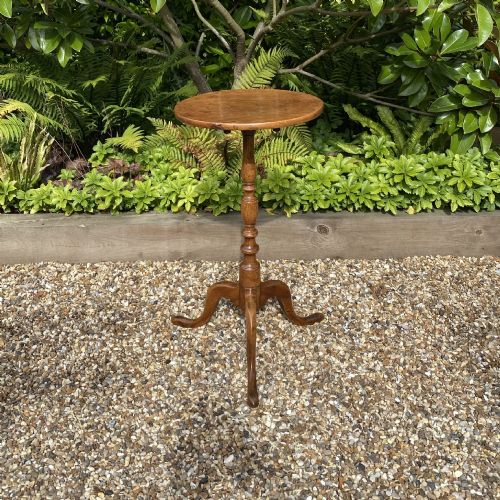
An antique pedestal tilt table brings together a central vertical column, a supportive tripod or platform base, and a hinged surface that swings from horizontal to vertical. This grouping spans compact wine tables and large breakfast or dining pieces designed to stand at the centre of a room or fold away against a wall.
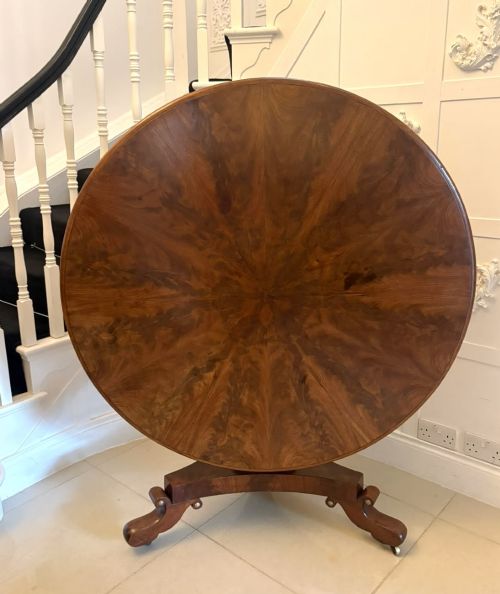
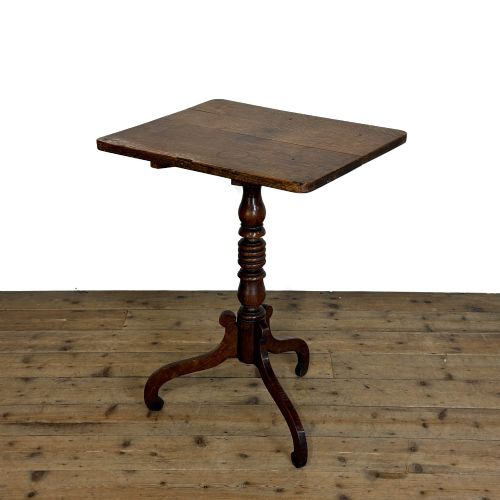
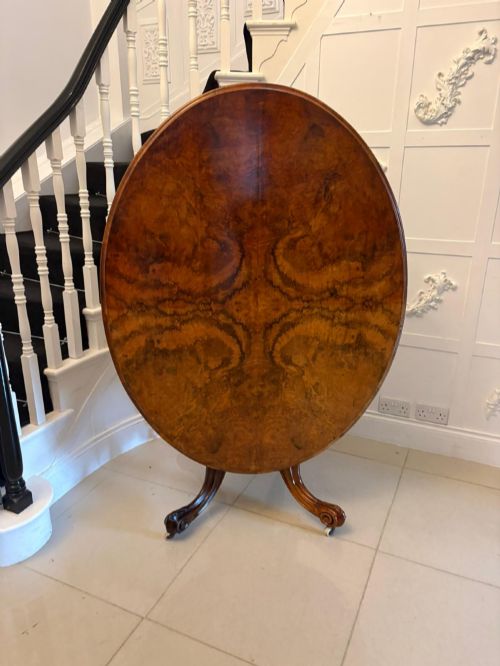
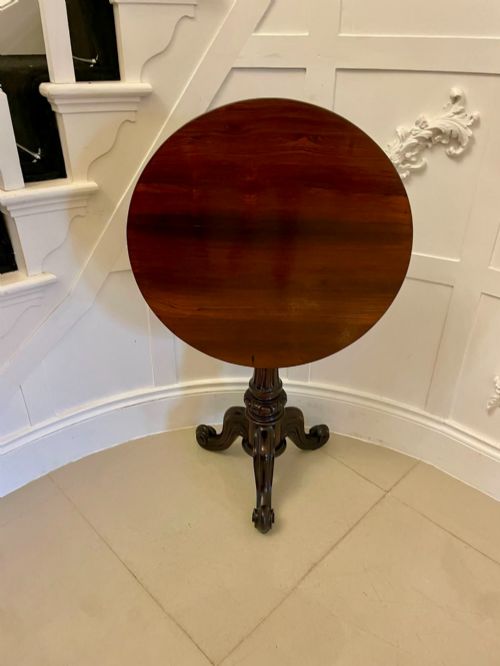
The versions most commonly met on this page date from the Georgian and Victorian periods, alongside Regency and William IV examples. These pieces appear in varied woods including mahogany, rosewood, walnut, and oak, taking circular, oval, square, or rectangular forms.
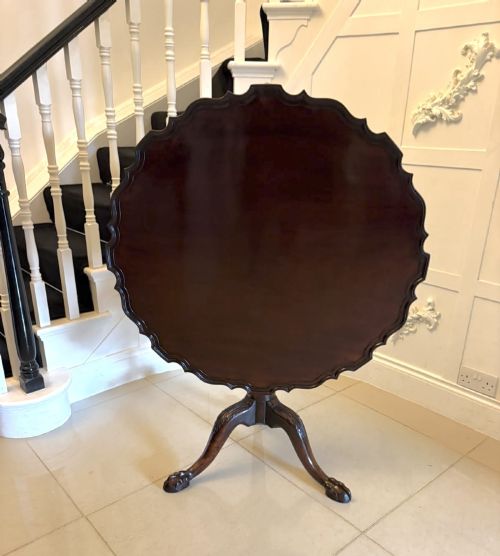
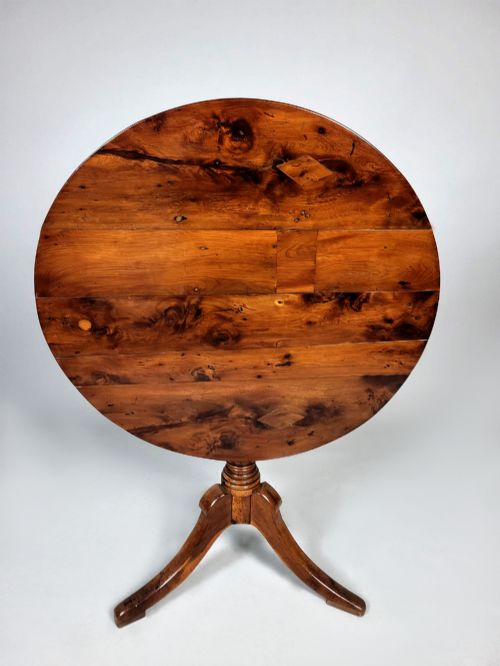
Makers utilised the pivoting mechanism to clear floor space when the furniture was not in use, a practical domestic requirement that shaped the proportions of the column and the catch mechanism beneath the top. Buyers often select them for use as lamp tables, occasional surfaces, or compact dining furniture in modern rooms.
Materials and construction methods
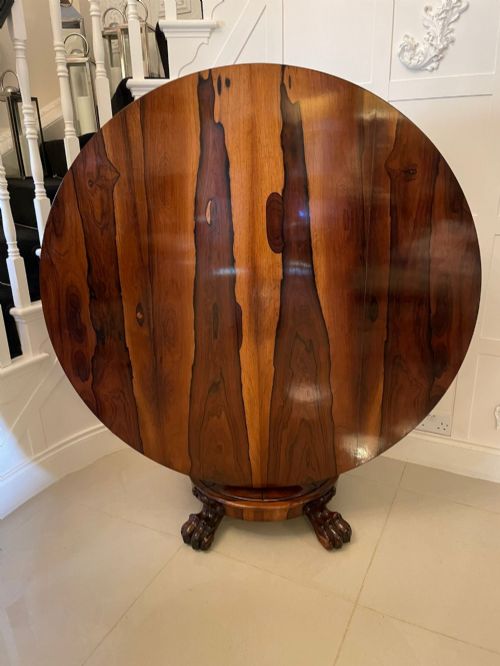
Cabinet makers relied heavily on dense hardwoods such as mahogany, rosewood, and walnut, often selecting figured veneers or burr variations to create striking grain patterns across the top surface. Solid timbers were shaped for structural parts like the tripod legs and central turned pillars, while secondary woods provided internal framing for the catch blocks.
The tilting action depends on a clever arrangement of a birdcage or a brass catch mechanism fitted to the underside of the top, allowing the surface to swivel on a pivot pin and lock flat against the stem. Joinery methods included dovetailing, mortise and tenon joints, and careful turning on a lathe to form the central pedestal.
Some tables retain their original brass lion-paw castors, designed to grip the rug while the butler pivoted the top away.
Judging quality and craftsmanship
Quality rests in the stability of the central column and the precision of the tilt mechanism, where superior examples exhibit zero wobble when locked flat and a smooth, secure release. The carving on the tripod knees, the crispness of the turned pillar, and the choice of timber figure distinguish workshop output from mass production.
The integration of brass castors, the thickness of the mahogany or walnut top, and the condition of the original pivot blocks separate standard utilitarian pieces from high-status furniture attributed to prominent makers.
Gillows
The Antique Pedestal Tilt Table Glossary
- Tilt top
- A tabletop mounted on a hinge mechanism that allows the surface to rotate vertically for storage. This clever design feature defines the entire category of pedestal tables.
- Triform base
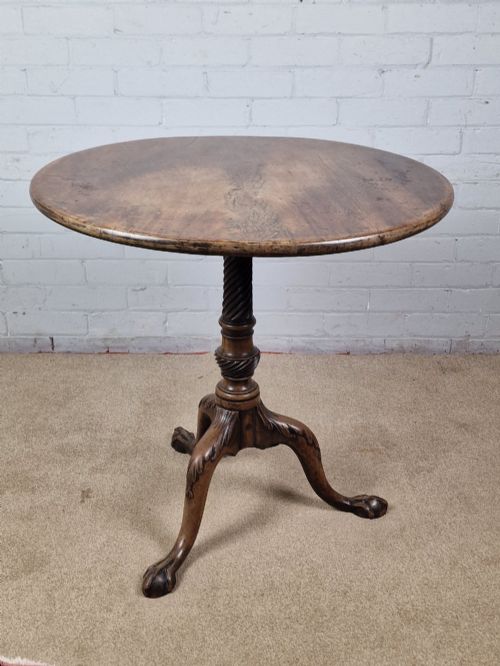
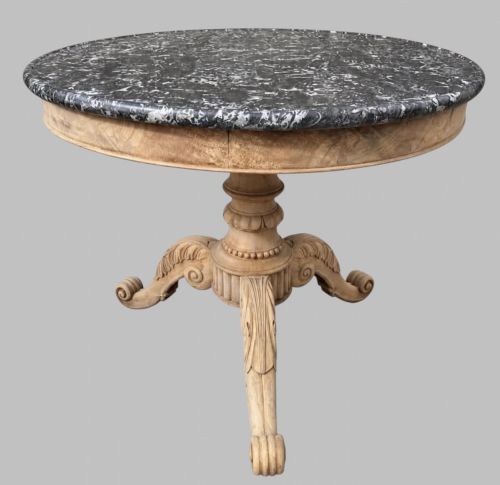
- A pedestal support resting on three distinct feet or legs, frequently carved with scroll or animal paw details. It provides stable floor contact for the central column.
- Birdcage
- A framework of small wooden posts and plates beneath the tabletop that allows the surface to both tilt and rotate. This complex assembly is associated with finer Georgian examples.
- Loo table
- A large Victorian pedestal table designed for the popular card game of loo, featuring a tilting top that made clearing the room simple. These pieces often showcase burr walnut or rosewood veneers.
- Tripod table
- A small occasional table supported by a central pillar and three legs. They frequently feature tilt tops and served various domestic uses throughout the eighteenth and nineteenth centuries.
Antique Pedestal Tilt Table: Frequently Asked Questions
Were these tables used for dining?
Larger versions from the Georgian, Regency, and Victorian periods served as breakfast or dining tables in formal homes. Their pivoting tops allowed servants to clear the floor space quickly after meals.
Smaller iterations, such as wine and lamp tables, remained in sitting rooms for holding drinks or lighting. The varied diameters seen across surviving examples reflect these distinct domestic functions.
How can I tell a Georgian piece from a Victorian one?
Georgian examples often feature simpler mahogany or oak tripod bases with slender proportions and understated turnings. Their surfaces emphasise clean wood grain rather than heavy marquetry.
Victorian pieces tend to introduce heavier rosewood or burr walnut timbers, elaborate carving, inlaid brass or boxwood, and wider pedestal bases with substantial castors. The scale and ornamentation generally increase in nineteenth-century interpretations.
How do I care for the polished wood surface?
Maintain the finish by dusting with a dry, soft cloth and applying a traditional beeswax polish sparingly when the timber appears dry. Avoid placing these tables near direct heat sources or strong sunlight to prevent veneer cracking.
Protect the surface from moisture by using coasters under drinks, as historical French polish and shellux finishes are sensitive to alcohol and standing water.