



Antique Pedestal Salts
Antique pedestal salts elevate the dining table with elevated bowls and liners designed to hold seasonings.
Antique Pedestal Salts
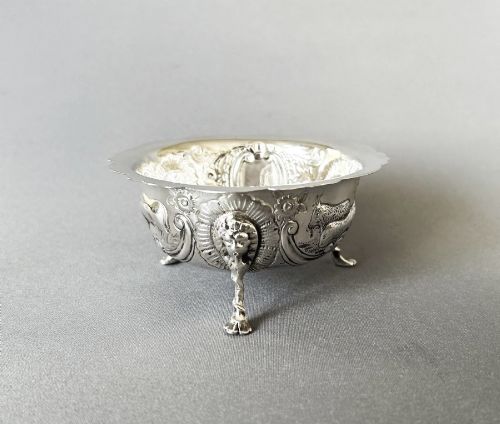
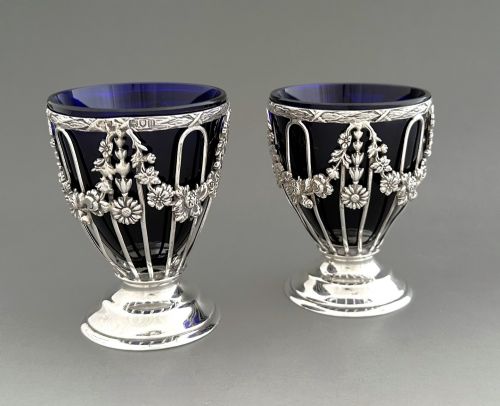
When you search for antique pedestal salts, you encounter small elevated table vessels designed to hold salt and other condiments during meals. The forms span Georgian silver salt boats, Edwardian sterling silver salt cellars with cobalt glass liners, and Georgian cut glass table salts.
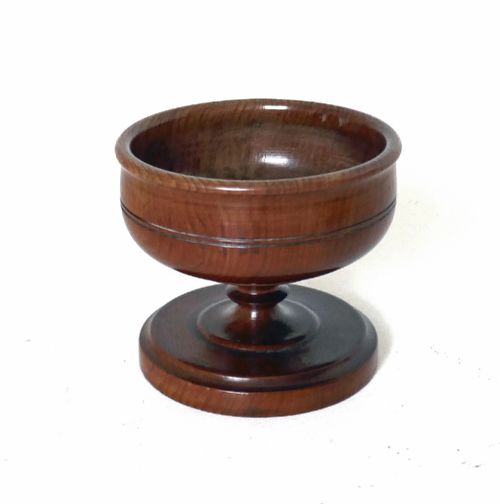
You are most likely to meet silver and glass examples from the Georgian, Victorian, and Edwardian periods on this page. Makers produced these pieces in forms such as salt tubs, pedestal dishes, and raised yew wood or fruitwood salt cellars.
How they were made
Silversmiths utilised sterling silver and gilt silver, often incorporating wirework or gilding the interiors of bowls. Glassmakers shaped lead crystal, lead glass, and cut glass to form sparkling table salts and bonnet glasses.
Woodturners shaped yew wood and fruitwood on lathes to create turned salts on raised bases. Potters also produced salt glazed garden urns.
Antique Pedestal Salts Retail Price Guide 2026
Typical asking prices for pedestal salts among the pieces listed under this phrase on Sellingantiques today, from the lower quarter to the upper quarter. They describe what is for sale here now, not the wider market.
Object forms range from traditional silver salt boats and wirework condiment tubs to turned wooden salts on raised bases.
What varies in quality
The standard of cutting in glass and the crispness of turning in wood distinguish finer examples from simpler ones. Weight, gauge of silver, and the survival of original cobalt glass liners dictate the standing of metal pieces.
Design flourishes such as wirework frames and gilt interiors separate ordinary condiment vessels from more ambitious decorative tableware.
The Antique Pedestal Salts Glossary
- Salt Cellar
- A small open bowl used to hold salt on the dining table before the invention of modern shakers. These vessels often sit upon a raised foot or pedestal base.
- Cobalt Glass
- A deep blue glass frequently used to form removable liners inside open silver salt cellars. The dark colour contrasts sharply with polished silver wirework.
- Bonnet Glass
- A small glass vessel produced in the eighteenth century, often featuring a pedestal foot and scalloped rim. They served various table functions including holding sweetmeats or salts.
- Treen
- Small domestic wooden objects made by turning on a lathe or carving by hand. Examples include early yew wood and fruitwood salts.
- Salt Glaze
- A pottery technique where salt is thrown into the kiln during firing to produce a textured, glossy surface. This finish appears on utilitarian garden urns and vessels.
Antique Pedestal Salts: Frequently Asked Questions
What are antique pedestal salts?
Antique pedestal salts are small tableware vessels raised on a foot or base, designed to hold salt at the dining table.
They appear in materials such as sterling silver, cut glass, and turned wood across several centuries.
How were pedestal salts used?
Dinners historically used open salt cellars rather than shakers, where guests pinched salt using small spoons or fingers.
Liners made of cobalt glass protected silver bodies from corrosion caused by salt.
How do I date an antique salt?
Stylistic clues, hallmarks on silver, and manufacturing techniques help determine the period of a piece.
Georgian examples often feature cut glass or boat shapes, while Edwardian pieces frequently incorporate wirework frames.
Are glass liners original?
Many silver salt cellars retain their original blown or moulded glass liners, particularly in cobalt blue.
Replacements do occur, so matching the fit and glass age to the silver frame is essential.
How do I care for silver salts?
Sterling silver requires gentle cleaning with appropriate silver polish to maintain its finish without removing detail.
Glass liners and wooden treen demand mild cleaning methods suited to their specific materials.