






Antique Pearl Band
An antique pearl band brings together lustrous nacre and precious metal in a ring designed to sit low and snug on the finger.
Antique Pearl Band
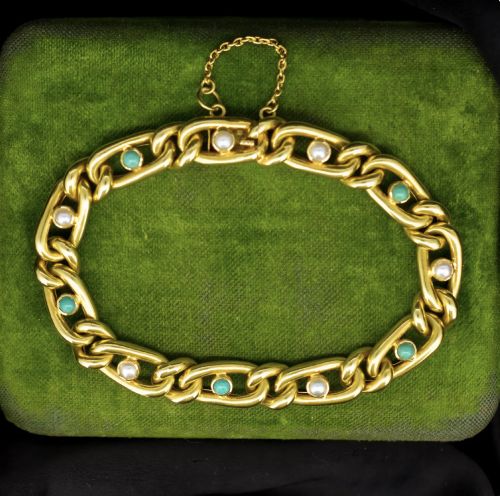
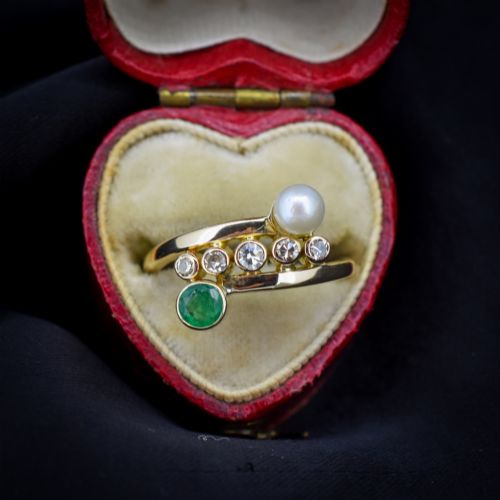
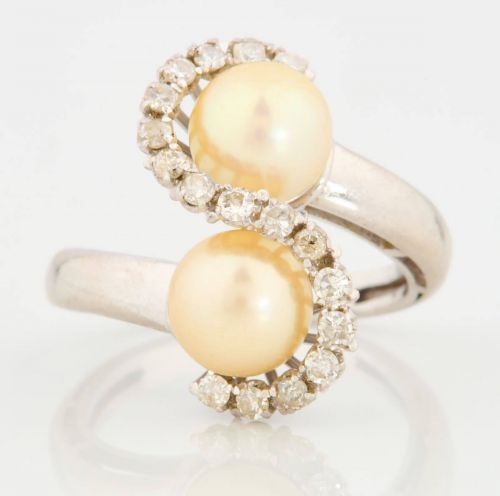
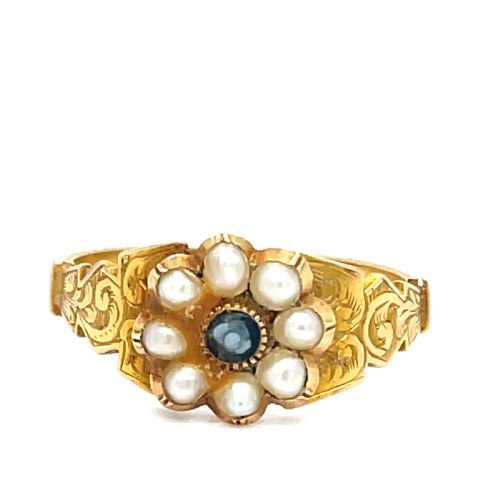
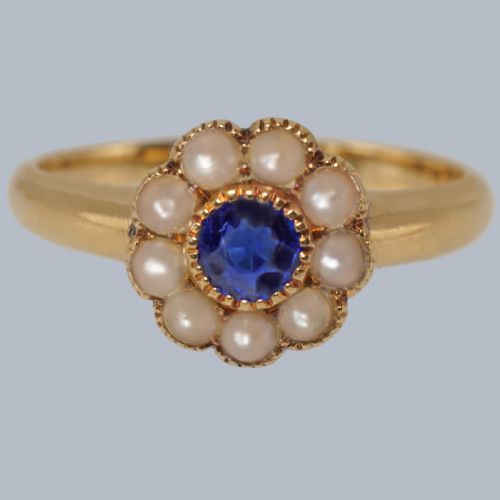
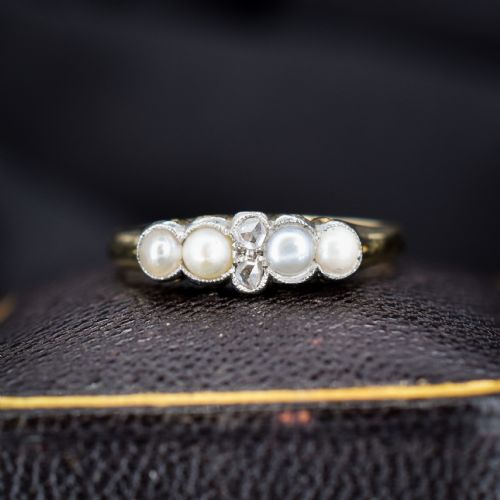
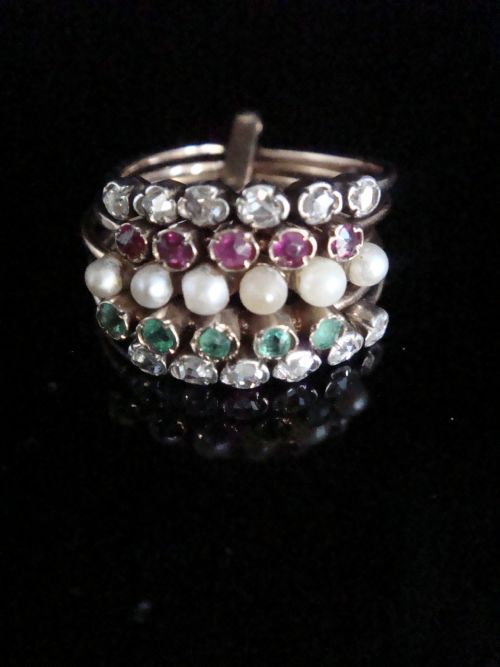
An antique pearl band takes many forms, appearing as simple multi-stone rows, cluster settings, and intricate stacking rings. The search for an antique pearl band typically leads to Victorian and Edwardian examples where pearls alternate with diamonds, turquoise, rubies, or emeralds.
The materials span different gold purities alongside platinum, with 15ct yellow gold and 18ct yellow or rose gold appearing frequently alongside seed pearls and natural pearls. These rings serve primarily as dress pieces, remembrance tokens, or historic wedding bands from past centuries.
Craftsmanship and materials
Goldsmiths shaped bands using 9ct, 12ct, 14ct, 15ct, and 18ct gold, as well as platinum and silver-topped gold, often incorporating engraving or buckle motifs into the metalwork. Pearls were selected as split pearls, seed pearls, blister pearls, or cultured varieties, then paired with old-cut diamonds, rubies, emeralds, sapphires, and turquoise.
Stones were secured into bezel, flush, or claw settings by hand, sometimes accompanied by enamel work or glass compartments for hair in mourning pieces. The integration of multi-row structures and harem stacking designs required precise metal assembly to keep the bands uniform and comfortable.
Antique Pearl Band Retail Price Guide 2026
Typical asking prices for pearl band among the pieces listed under this phrase on Sellingantiques today, from the lower quarter to the upper quarter. They describe what is for sale here now, not the wider market.
Distinctions in quality
Quality rests upon the matching and lustre of the pearls, where uniform orientation and strong nacre separate superior examples from dull or heavily worn stones. The integrity of the surrounding precious metalwork, including crisp engraving on gold bands and secure claw or bezel settings, also dictates the standard.
The overall design complexity contributes to the distinction between basic production and finer jeweller work, particularly in multi-row configurations or pieces combining diamonds and coloured gemstones. Preservation of original gemstones and untouched hallmarks further defines the better pieces.
The Antique Pearl Band Glossary
- Split pearl
- A natural pearl cut in half to sit flat within a closed-back setting. This technique was widely utilised in Georgian and Victorian jewellery to create low-profile designs.
- Seed pearl
- A very small natural pearl, typically under two millimetres in diameter. These tiny pearls were threaded or clustered densely to form intricate floral and geometric patterns.
- Harem ring
- A multi-band ring constructed from several interconnected or stacking bands worn together as a single unit. These designs often mix different gemstones and gold colours.
- Mourning ring
- A piece of commemorative jewellery worn to remember a deceased person, frequently featuring hair work under glass, dark enamel, and pearls set in gold.
- Old-cut diamond
- A hand-faceted diamond cut before the standardisation of the modern brilliant cut in the early twentieth century. These stones feature smaller tables and higher crowns.
Antique Pearl Band: Frequently Asked Questions
How do I clean an antique pearl band?
Pearls are organic gems that require gentle care, meaning harsh chemical dips and ultrasonic cleaners must be avoided entirely.
Use a soft damp cloth to wipe the pearls and gold band after wear, and store the ring separately to prevent scratching from harder diamonds.
Can I wear an antique pearl band daily?
Wearing these rings every day is possible with mindful habits, though softer gemstones and pearls demand caution during manual tasks.
Removing the ring before swimming, gardening, or heavy lifting protects both the delicate nacre and the historic gold settings from undue wear.
How do I tell Victorian from Edwardian pearl bands?
Victorian bands often utilise rose gold, yellow gold, turquoise, and heavy engraved details associated with mourning or sentimental gifting.
Edwardian pieces shift towards platinum, yellow gold, and lighter lace-like motifs featuring old-cut diamonds alongside pearls.