

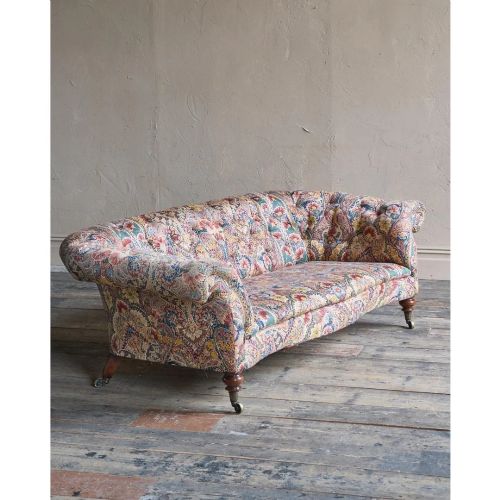
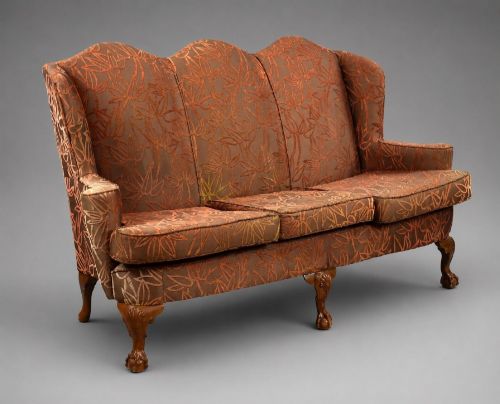
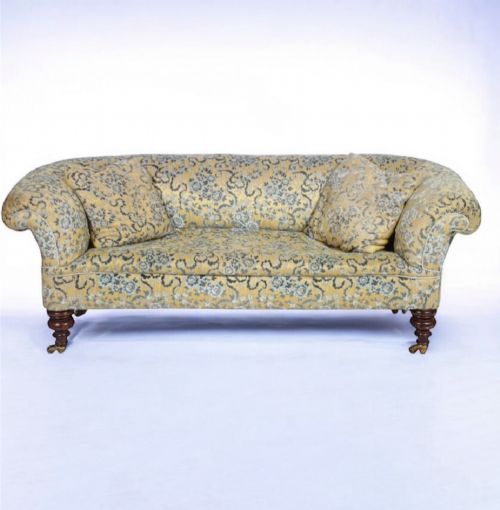

Antique Patterned Settee
An antique patterned settee brings character and historic seating to a room through textured textiles and traditional timber frames.
Antique Patterned Settee
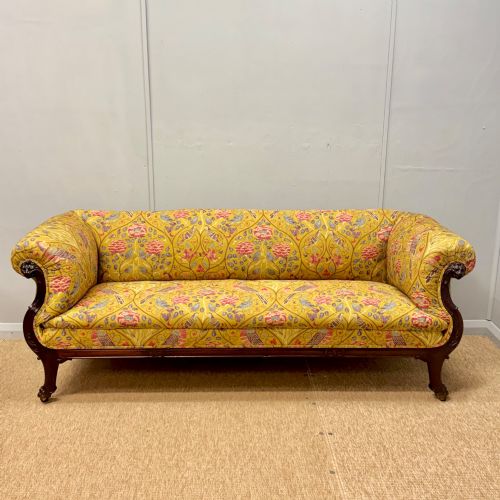
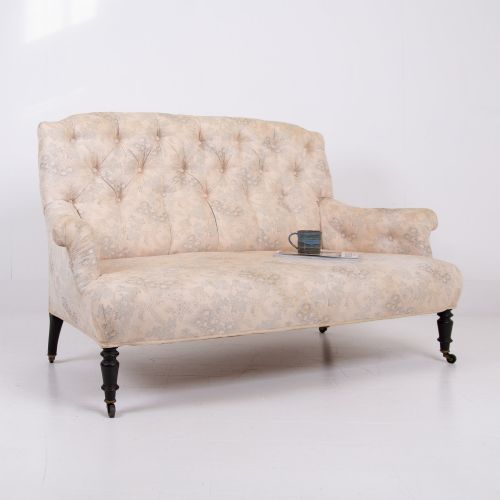
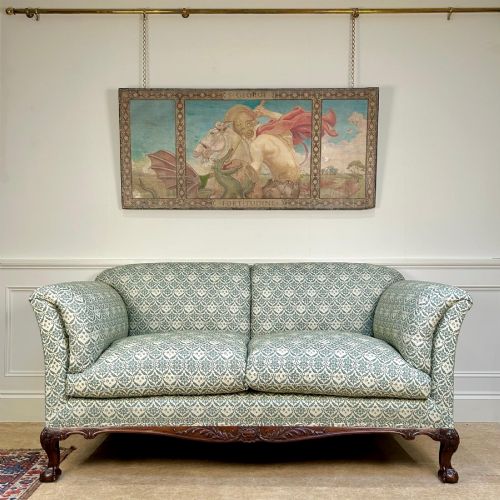
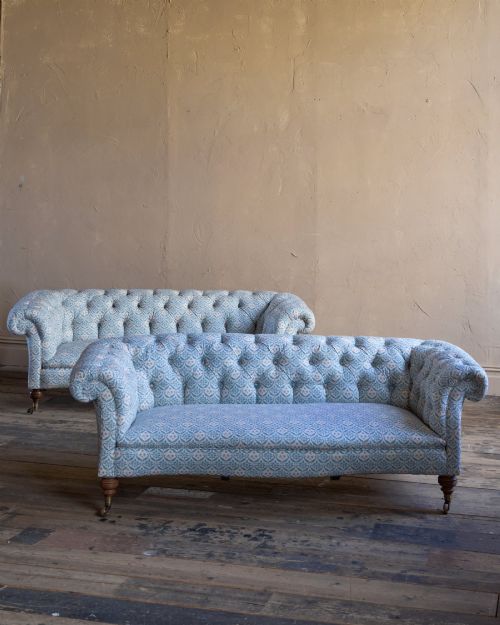
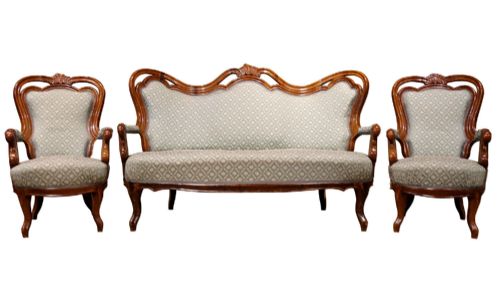
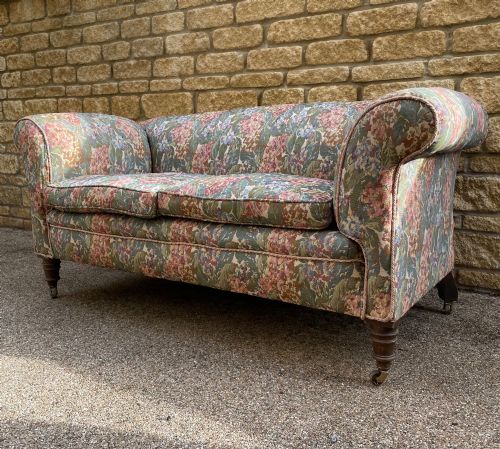
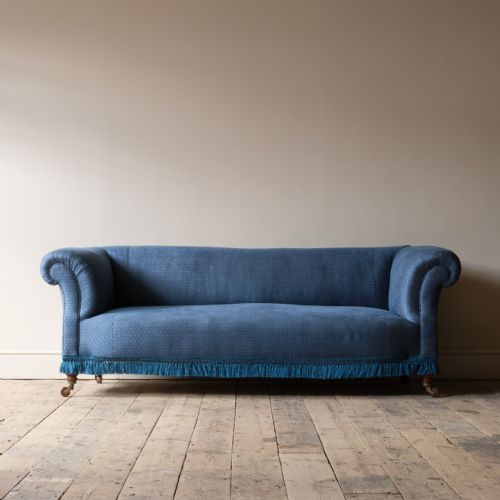
An antique patterned settee encompasses a range of seating from traditional couches and salon suites to library sofas and drop arm designs. Buyers searching for an antique patterned settee will frequently encounter Victorian and Edwardian examples alongside 18th-century and 1930s pieces. These seats range from two-seater couches to larger three-seat sofas and parlour suites.
The styles recorded across these forms include English Country House, Rococo Revival, Queen Anne Style, Regency, and Art Nouveau. Frames utilise timber such as mahogany, walnut, oak, and ebony, supporting upholstery in patterned textiles like damask and specialised designer fabrics.
Materials and construction
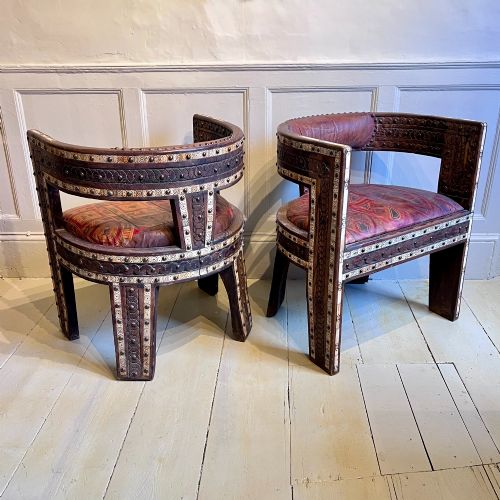
Frames are constructed from hardwoods such as mahogany, walnut, and oak, frequently shaped with turned legs, carved details, or applied brass elements. Joinery and timber selection provide the structural foundation for these historic frames.
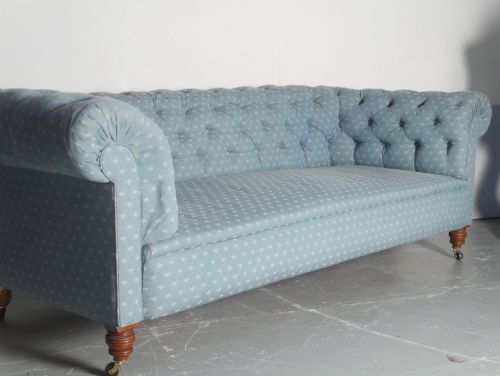
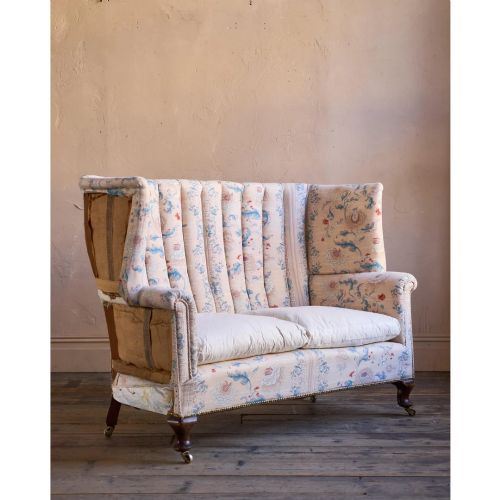
Upholstery relies on traditional textiles including damask and patterned fabrics, sometimes paired with specialised designer prints or button-back detailing. The combination of exposed timber framework and textile covering defines the physical construction of each piece.
Antique Patterned Settee Retail Price Guide 2026
Typical asking prices for patterned settee among the pieces listed under this phrase on Sellingantiques today, from the lower quarter to the upper quarter. They describe what is for sale here now, not the wider market.
Listings feature settees spanning from the 18th century through the 1930s, constructed in mahogany, walnut, oak, and ebony.
Distinctions in quality
Quality rests upon the integrity of the timber frame, the precision of carved or turned details, and the pedigree of the maker or retail origin. Pieces bearing attribution to established makers or retailers command stronger interest among collectors.
The refinement of the silhouette, whether a serpentine front, scroll ends, or lyre shapes, dictates the visual success of the piece. Upholstery choices and the preservation of original or sympathetic fabric patterns further differentiate examples.
Howard and Sons·Hampton and Sons·Emma Grant·Liberties
The Antique Patterned Settee Glossary
- Chesterfield Sofa
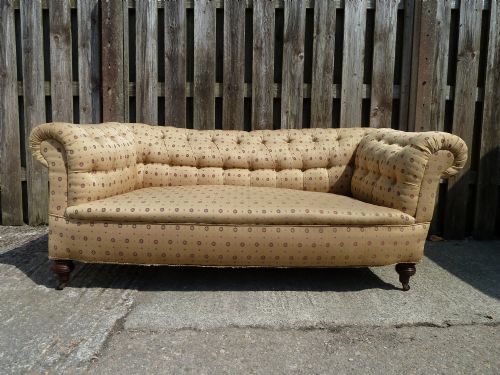
- A classic upholstered sofa traditionally characterised by deep buttoning and equal height back and arms. It remains a staple of Victorian and later seating.
- Knole Sofa
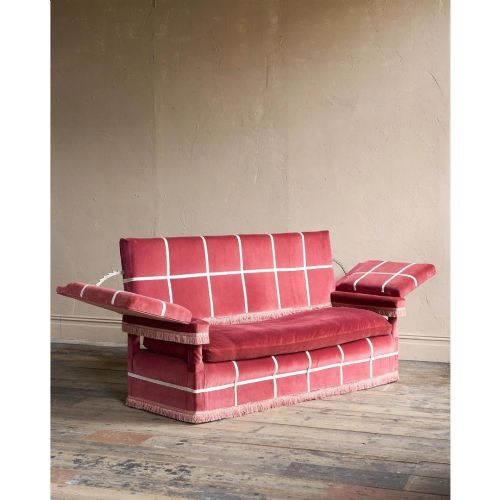
- A historic sofa style featuring hinged or adjustable high arms, originally designed to keep out draughts. These often appear in rich damask or patterned upholstery.
- Damask
- A reversible figured fabric woven on a loom, frequently utilised for historic upholstery. It displays patterns formed through contrasting weaves.
- Drop Arm
- A functional mechanism allowing one or both arms of a sofa to be lowered. This feature provides flexibility in lounging and seating arrangements.
- Salon Suite
- A matched grouping of seating furniture intended for formal entertaining. These suites typically include a settee accompanied by matching armchairs.
Antique Patterned Settee: Frequently Asked Questions
What is an antique patterned settee?
An antique patterned settee is a historic seating form ranging from Victorian Chesterfords to Edwardian couches, upholstered in decorative fabrics.
These pieces combine timber frames in walnut or mahogany with patterned textiles such as damask.
How do I identify the period?
Period identification relies on frame styles, turned or carved timber details, and structural silhouettes. Victorian, Edwardian, and 18th-century pieces each display distinct design markers.
Examining the woodwork alongside the upholstery style clarifies the era of manufacture.
How were these settees used?
These settees served as formal and domestic seating in parlours, drawing rooms, and libraries. Larger salon suites accommodated guests during entertaining.
Drop arm and drop end variations offered adjustable comfort for resting within the home.
How do I live with one?
Living with an antique settee involves placing it as a focal point in a living space or bedroom. Pairing the historic frame with complementary interior textiles highlights its patterned upholstery.
Careful positioning away from direct sunlight protects both the timber and the fabric.