


Antique Patterned Rug
An antique patterned rug brings warmth and structured geometry to a floor through centuries of weaving traditions.
Antique Patterned Rug
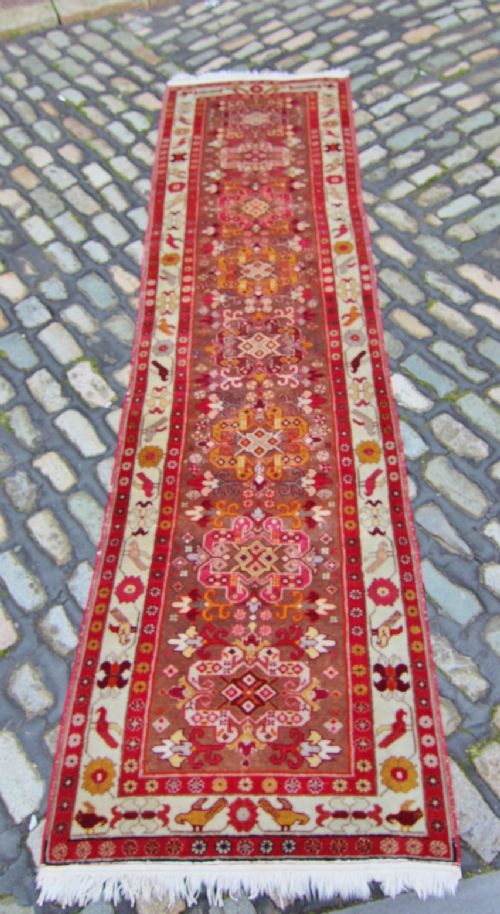
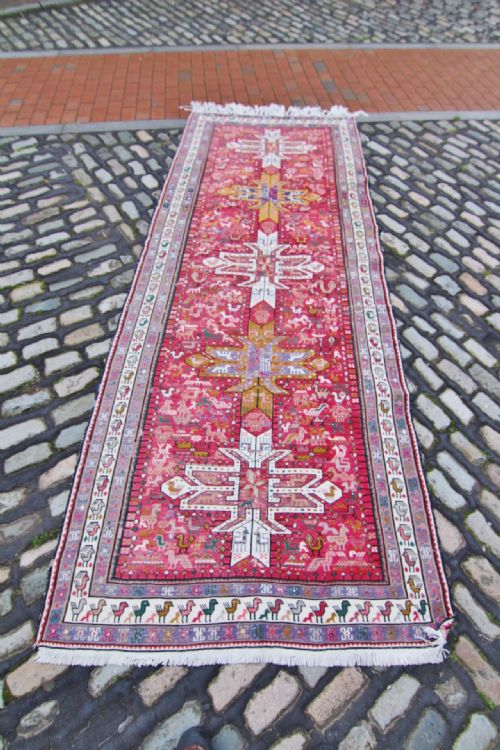
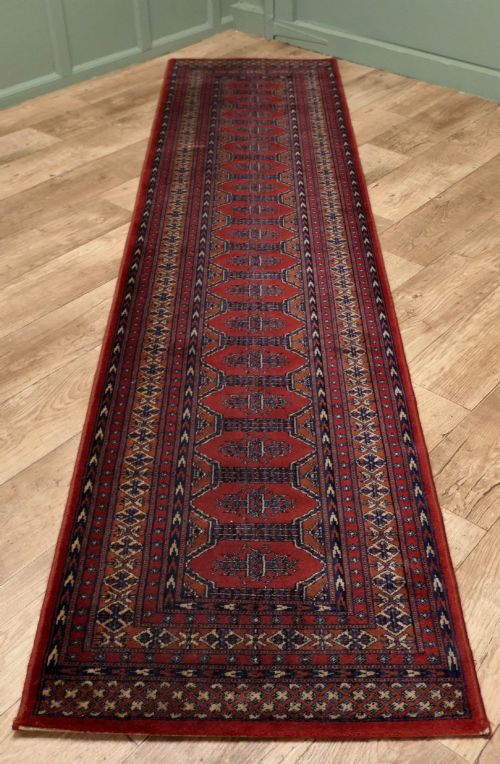
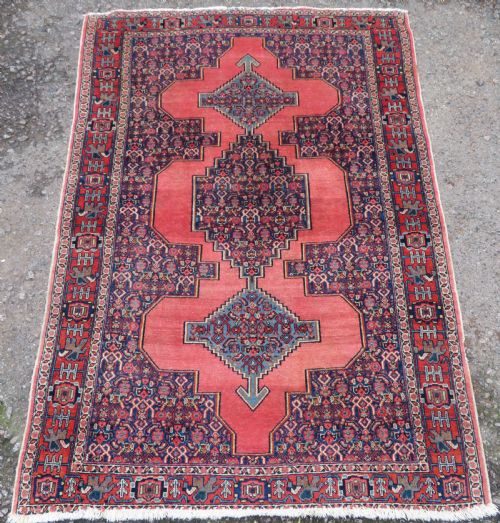
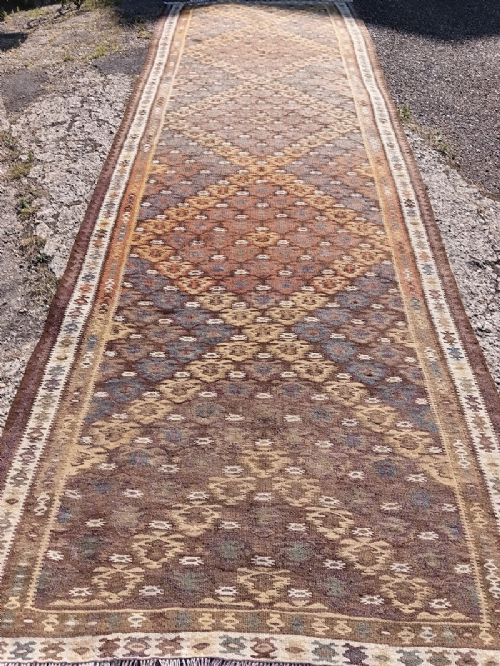
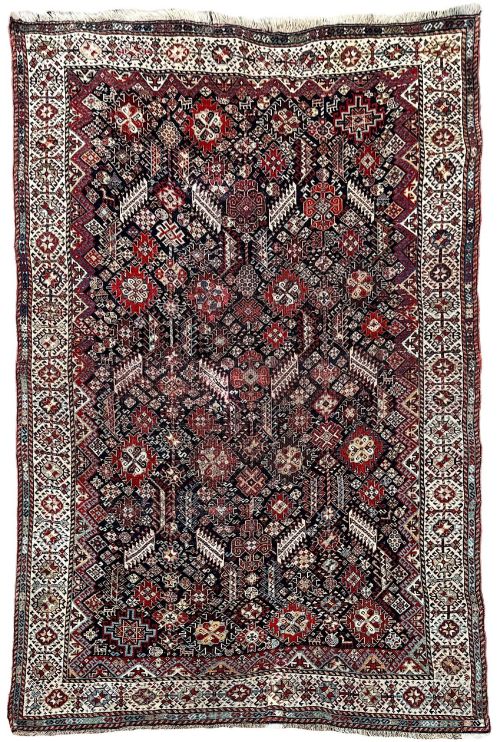
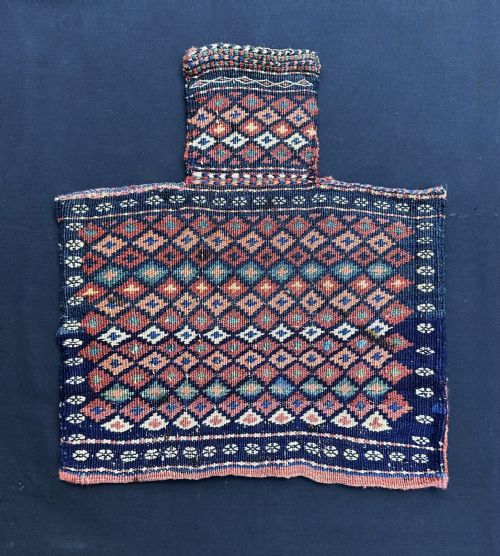
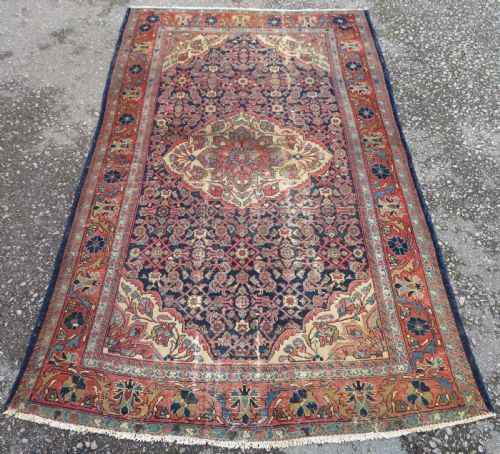
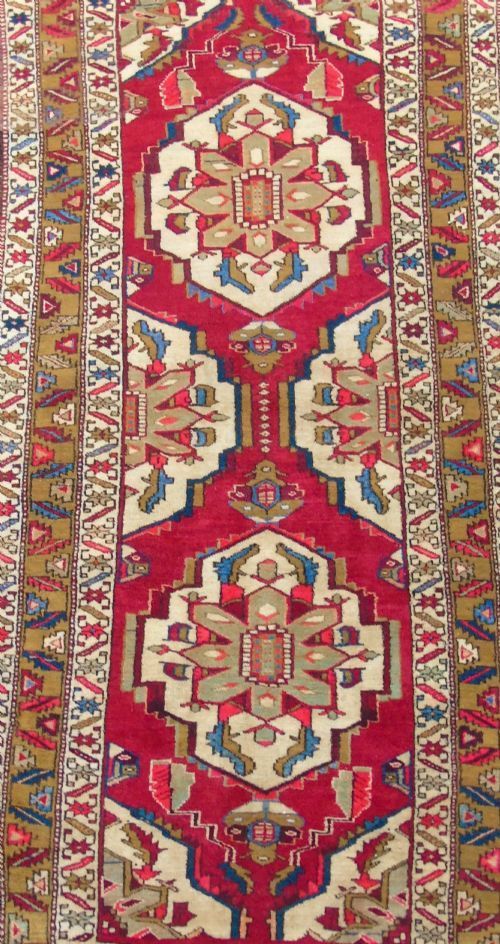
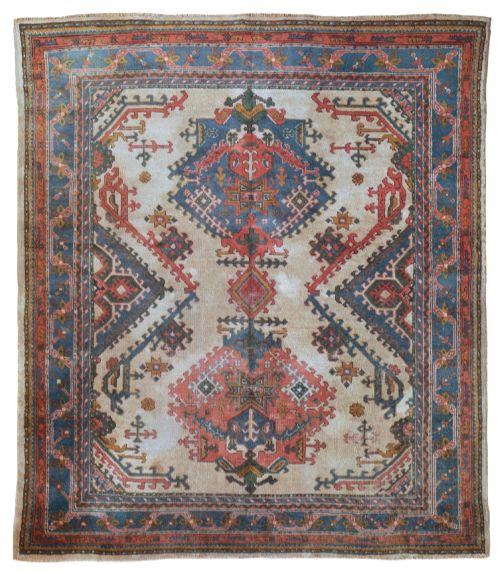
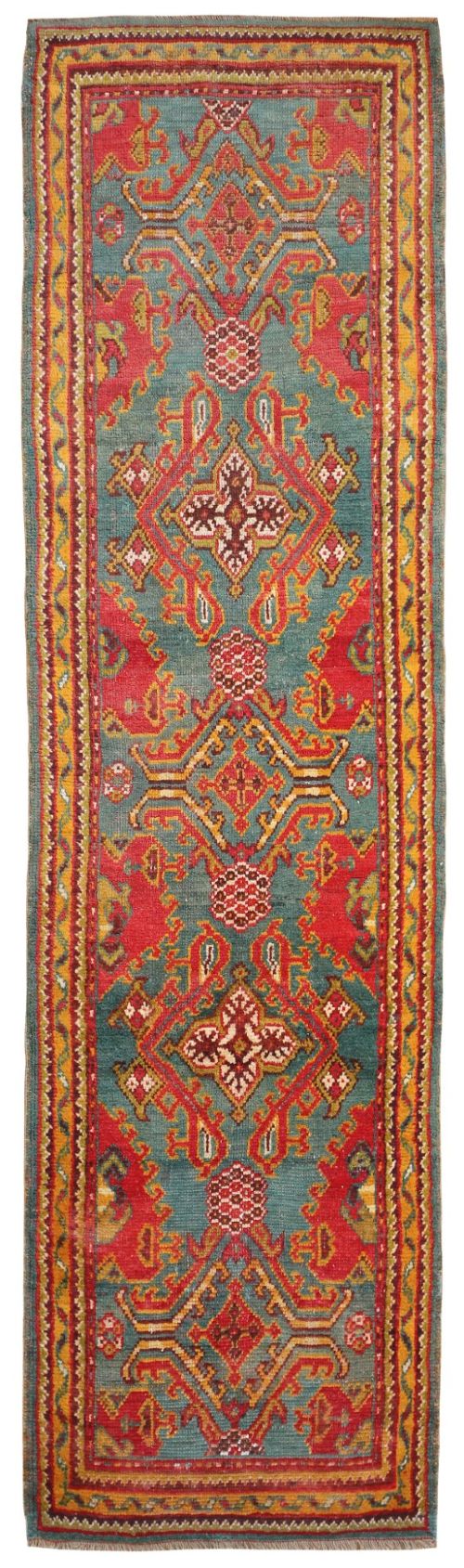
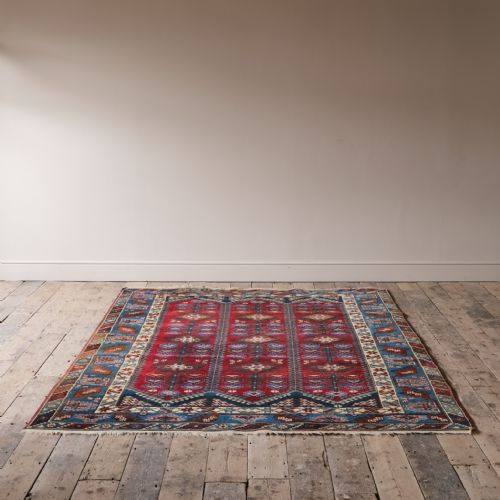
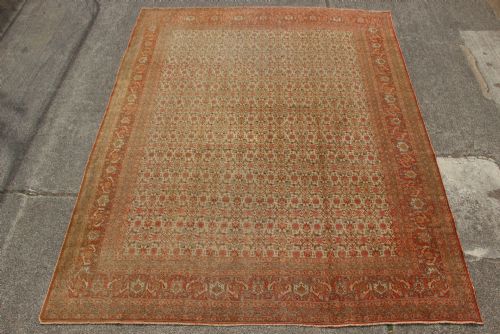
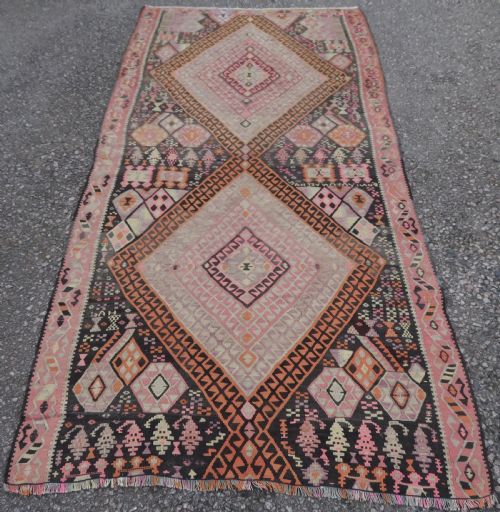
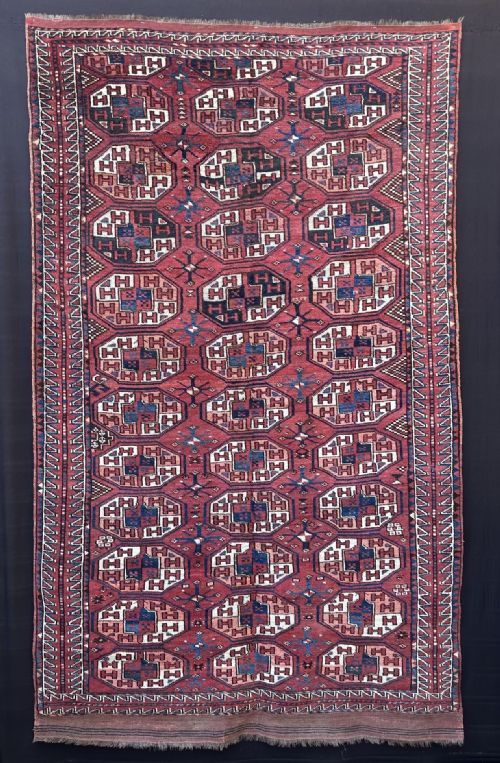
An antique patterned rug encompasses woven floor coverings, runners, and wall textiles created across Persia, the Caucasus, Anatolia, and Central Asia during the nineteenth and early twentieth centuries. These pieces display diverse motifs, ranging from geometric lattice patterns and tribal symbols to detailed central medallions and all-over boteh designs.
Materials and construction
These textiles rely predominantly on wool foundations and surface piles, occasionally incorporating cotton foundations or silk highlights for finer detail. Weavers utilised hand-spun wool and natural dyes to create enduring colour palettes that settled into muted tones over decades of light and use.
Constructed primarily through hand-knotting techniques on upright looms, these rugs integrate sturdy selvedges and tightly packed warps and wefts. Certain pieces take the form of flatwoven kilims or functional ceremonial objects such as tent door rugs and horse blankets.
Antique Patterned Rug Retail Price Guide 2026
Typical asking prices for patterned rug among the pieces listed under this phrase on Sellingantiques today, from the lower quarter to the upper quarter. They describe what is for sale here now, not the wider market.
Some nomadic weavers included tiny intentional imperfections in their geometric patterns to ward off the evil eye.
Assessing quality in antique weaves
Knot density and structural integrity distinguish finer workshops from simpler tribal production, dictating how sharply the geometric or floral patterns resolve across the field. Precision in hand-spinning and the depth of natural dye saturation influence the longevity and visual resonance of the pile.
Condition plays a role in differentiation, as uniform wear, original fringe lengths, and intact borders indicate careful preservation. The complexity of the specific tribal design, such as a multi-tiered medallion or a pictorial hunting scene, separates standard village pieces from master-woven carpets.
The Antique Patterned Rug Glossary
- Boteh
- A stylised almond or pear-shaped motif representing a floral spray or cypress tree. This pattern appears frequently in Persian and Kashmiri textile designs.
- Kilim
- A flatwoven textile produced without a pile by tightly interweaving warp and weft threads. These pieces function as rugs, wall hangings, or covers.
- Medallion
- A large central ornamental design dominating the field of a carpet. It forms the focal point around which surrounding corner pieces and borders are arranged.
- Warp
- The vertical threads stretched taut on a loom before weaving begins. Wefts are passed across these foundational threads to secure the knots.
- Runner
- A long, narrow carpet format designed specifically for hallways, corridors, or staircases. These pieces measure significantly longer than their width.
Antique Patterned Rug: Frequently Asked Questions
How do I clean an antique rug?
Professional dusting and gentle hand washing preserve the natural wool fibres and dyes of older carpets.
Avoid harsh chemical treatments and heavy mechanical agitation which damage the hand-spun pile and structural foundation.
Where were these rugs made?
Production spans traditional weaving centres across Persia, the Caucasus, Anatolia, and Central Asia. Nomadic tribes, village workshops, and larger town looms all contributed distinct regional designs.
Specific origins range from nomadic Turkmen encampments to established Persian weaving cities like Tabriz and Kashan.
How do I date an older rug?
Dating relies on stylistic analysis, material composition, and structural characteristics recorded in the weaving. Natural dye palettes, hand-spun wool textures, and specific tribal motifs help assign pieces to periods between the nineteenth and mid-twentieth centuries.
Structural wear and border construction also provide indicators of age relative to comparable historical examples.
Can I place these rugs in heavy traffic areas?
Sturdy wool construction and tight knotting allow many antique rugs to handle normal household movement. Placing a quality underlay beneath the textile prevents slipping and reduces fibre friction against hard floors.
Runners and denser carpets generally suit hallways and living spaces well when given appropriate care.