


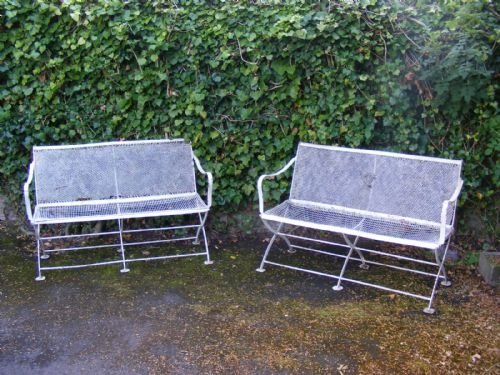


Antique Patio Bench
An antique patio bench brings enduring character to an outdoor space, offering solid metal construction and classic period design.
Antique Patio Bench
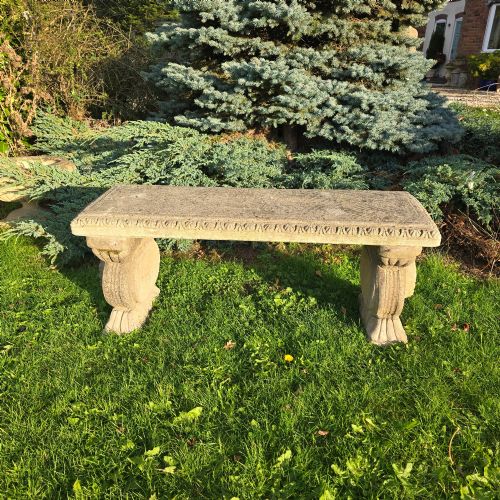
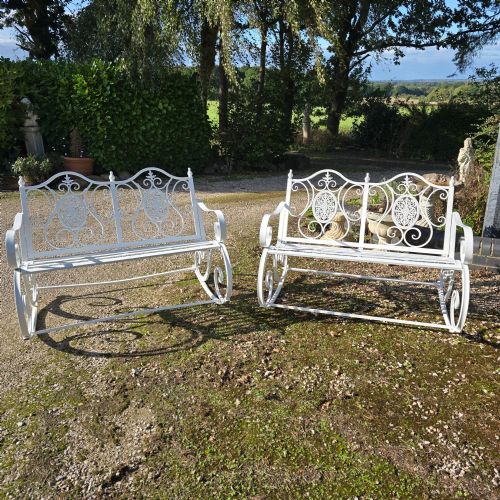
When you search for an antique patio bench, you encounter robust outdoor seating designed for gardens, parks, and courtyards across past centuries. These pieces combine utilitarian strength with ornamental ironwork, providing a permanent architectural anchor for exterior spaces.
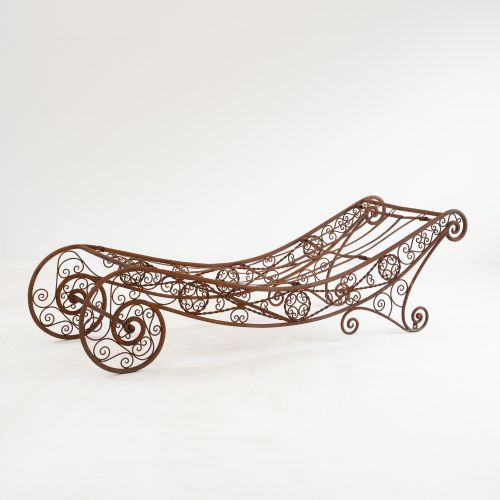
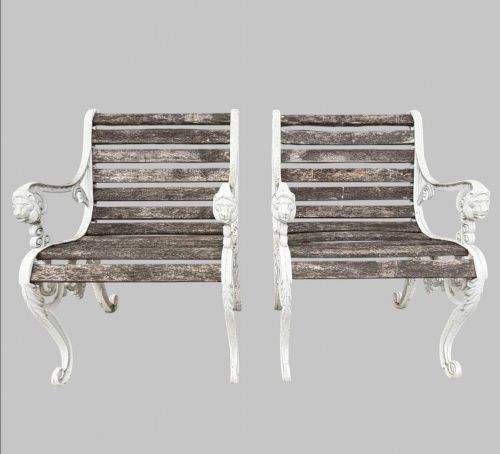
The most common examples on this page span the Victorian era up to the interwar period, featuring distinct regional influences from French country aesthetics to British gothic revival. Forms range from simple strap work seats to elaborate daybeds and armchairs complete with matching garden chairs.
Makers utilised durable metals and timbers to withstand the elements, resulting in surviving specimens that display rich surface patination and heavy cast construction. Buyers choose these items to introduce authentic period craftsmanship and structural permanence into modern gardens.
Materials and construction methods
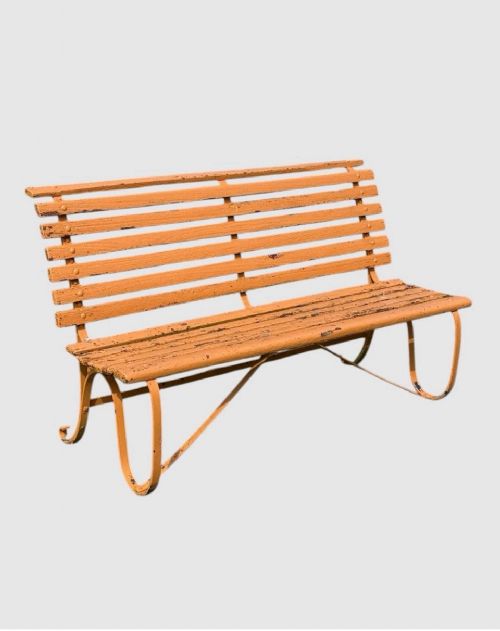
Foundry workers shaped these items using heavy cast iron and malleable wrought iron, often incorporating timber slats for seating surfaces and applied paint finishes for weather resistance. Cast iron components allowed for intricate decorative motifs, such as lion masks and gothic tracery, poured into moulds with high precision.
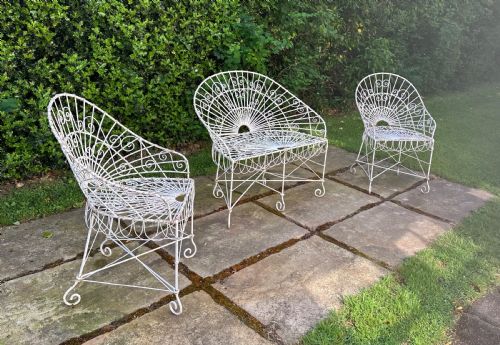
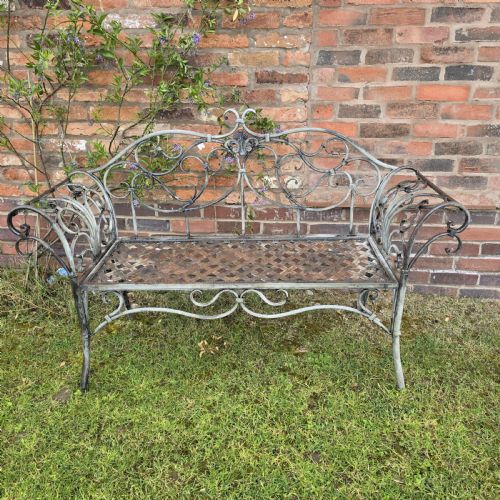
Blacksmiths and metalworkers formed strap work and wire configurations by hand, riveting and bolting structural joints to ensure longevity in open-air settings. These combined techniques produced rigid frames capable of enduring decades of seasonal exposure while retaining their ornamental detail.
Antique Patio Bench Retail Price Guide 2026
Typical asking prices for patio bench among the pieces listed under this phrase on Sellingantiques today, from the lower quarter to the upper quarter. They describe what is for sale here now, not the wider market.
Distinctions in craftsmanship and design
The upper tier of pieces displays superior foundry work with crisp, deep relief casting on decorative elements like lion masks and gothic panels, whereas lesser examples show softer, worn detailing from worn moulds. Superior pieces also retain matching sets or original configurations, such as complete garden furniture groups rather than mismatched elements.
Structural integrity separates standard utilitarian items from exceptional commissions, particularly in complex wrought iron daybeds and rocking mechanisms where alignment determines daily utility. Furthermore, depth of historic paint layers and minimal structural fatigue distinguish pieces that maintain their original architectural harmony.
The Antique Patio Bench Glossary
- Cast iron
- A hard, brittle alloy of iron and carbon poured into moulds to create complex ornamental forms. It provides the heavy structural basis for many Victorian garden seats.
- Wrought iron
- Tough, malleable iron beaten or rolled into shape by hand, known for its fibrous texture. This material allows for slender, resilient structural members and decorative curves.
- Strap work
- Flat strips of metal interlaced or patterned to form open geometric designs. This technique defines the linear elegance of Regency style garden seats.
- Gothic revival
- An architectural and decorative style drawing inspiration from medieval forms, featuring pointed arches and trefoils. It appears on heavy cast iron benches designed to evoke ecclesiastical grandeur.
Antique Patio Bench: Frequently Asked Questions
How do I care for an iron garden bench?
Keep the metal clean and dry during harsh winter months, or store under protective covers to preserve existing paint layers.
Inspect periodically for surface oxidation and treat affected areas promptly with appropriate protective coatings to maintain structural health.
Are these benches suitable for year-round outdoor use?
Most pieces were built specifically to withstand exterior conditions using durable cast and wrought iron materials.
However, timber components require regular maintenance and sealing to prevent moisture damage from prolonged winter exposure.
How do I identify a Victorian garden seat?
Look for heavy cast iron framing featuring characteristic decorative motifs such as foliage, strap work, or gothic tracery.
Proportions typically reflect nineteenth-century standards of comfort and robust industrial manufacturing techniques.
Can I leave wooden slats untreated?
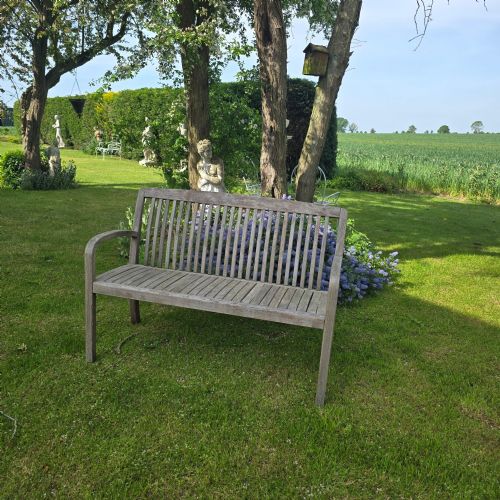
Exposed timber responds to weathering by turning a silver-grey colour over time if left without protective finishes.
Applying natural oils or appropriate exterior treatments helps preserve the wood fibres against moisture penetration.