
Antique Parlour Tables
Antique parlour tables bring warmth and surface utility to a room, spanning forms from occasional tables to games and centre pieces.
Antique Parlour Tables
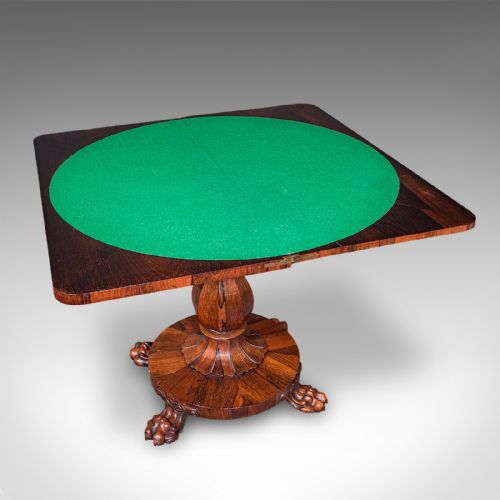
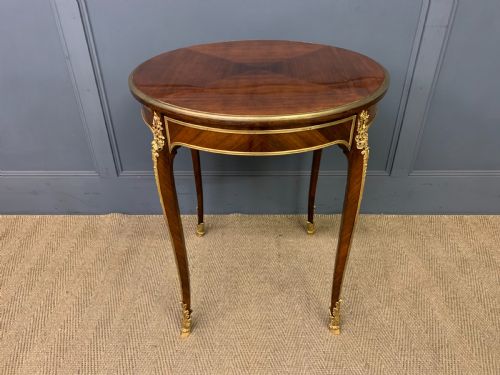
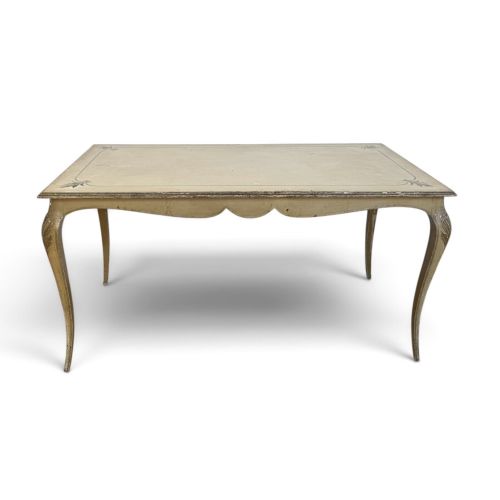
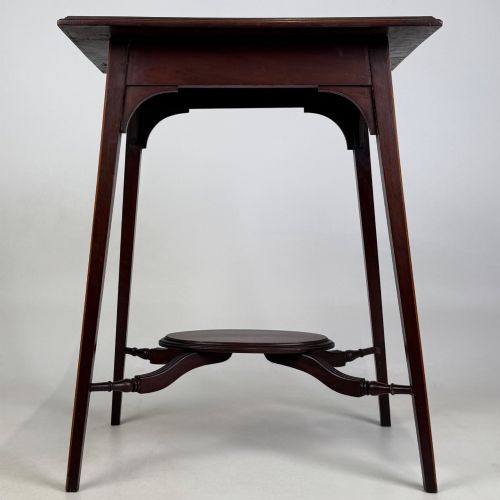
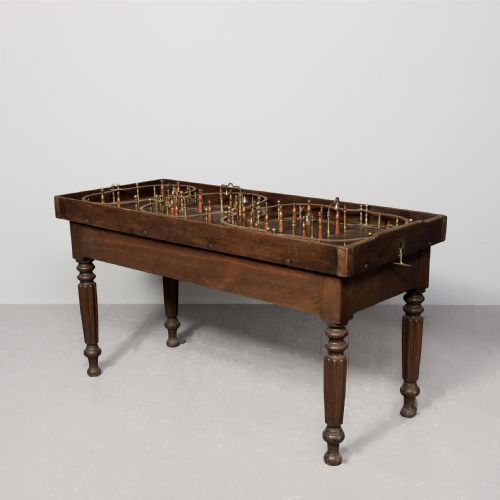
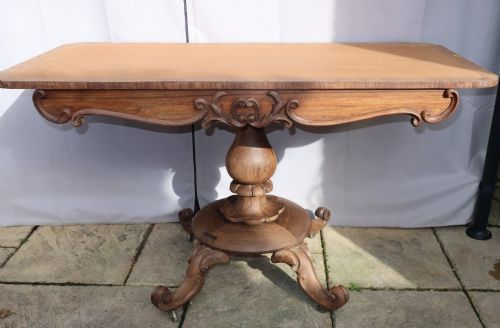
When you search for antique parlour tables, you encounter versatile reception and sitting room furniture produced principally during the nineteenth and early twentieth centuries. These pieces encompass centre tables, occasional tables, side tables, and specialised items designed for parlour games and pastimes.
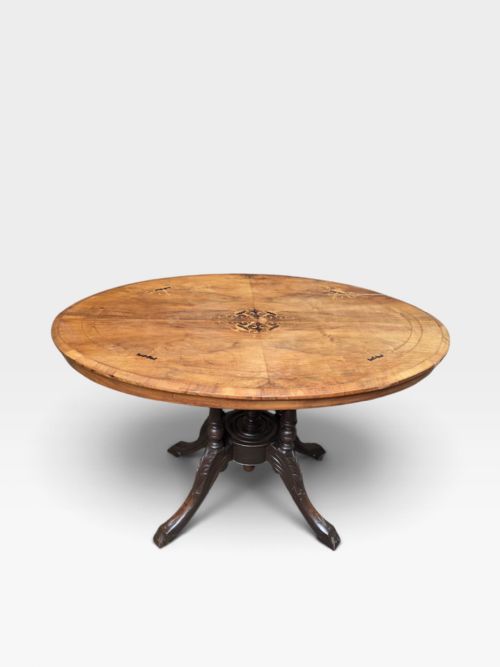
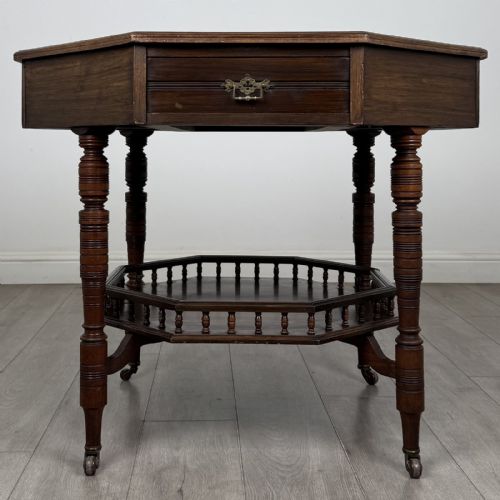
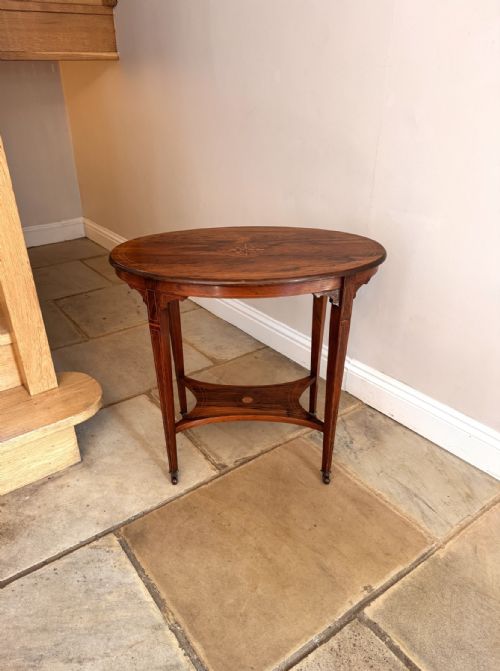
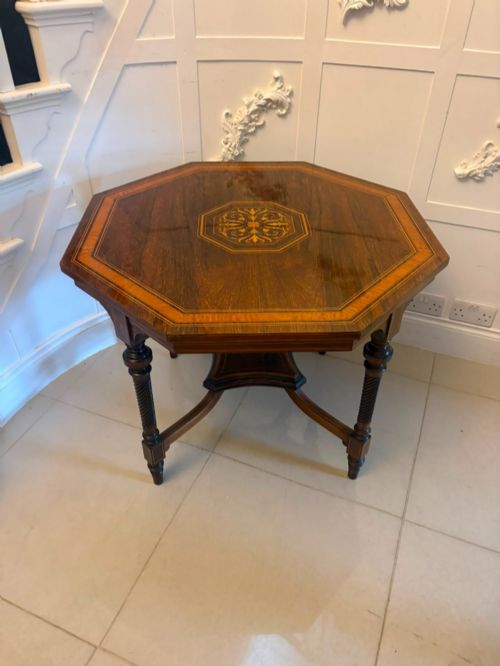
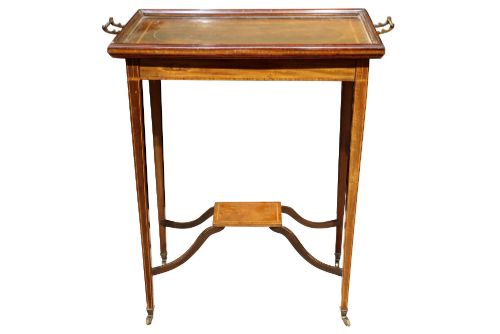
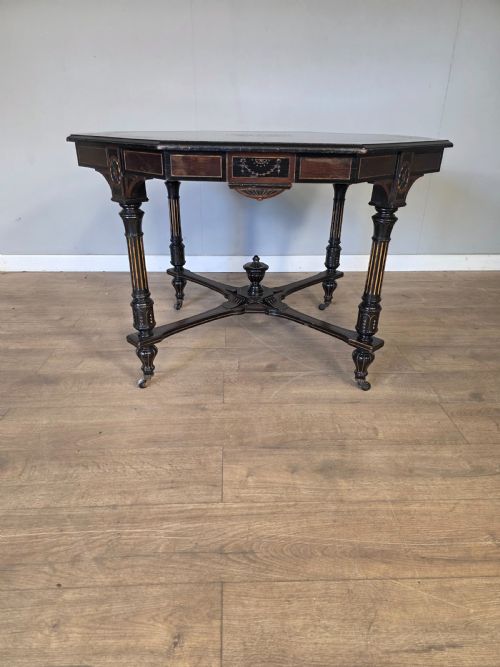
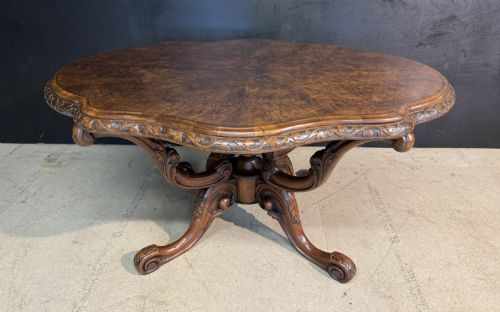
The versions you are most likely to meet on this page date from the Victorian and Edwardian eras, with occasional pieces stretching back to the William IV and George IV periods. They appear in circular, oval, octagonal, and rectangular formats, reflecting the social habits of period drawing rooms where hosts entertained guests.
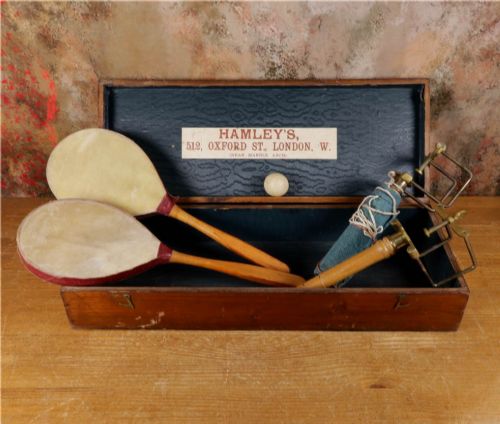
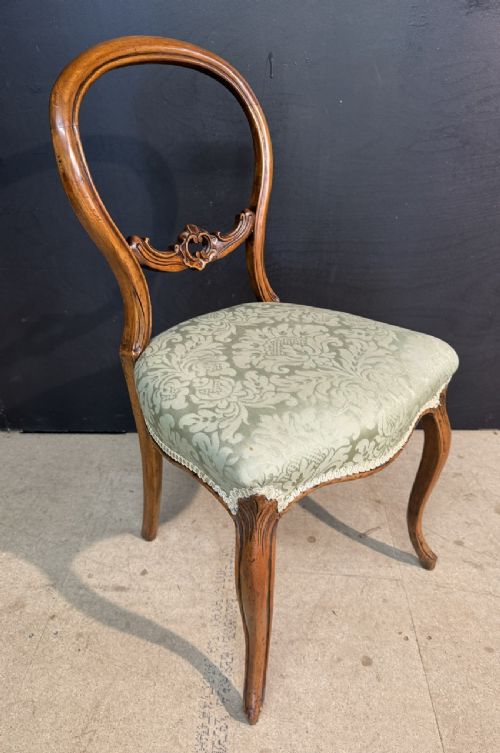
Alongside standard wooden tables, the selection includes related parlour accoutrements such as games sets, card tables, and occasional seating. These items served functional roles in domestic interiors, functioning as surfaces for lamps, tea service, needlework, or evening entertainment.
How they were made
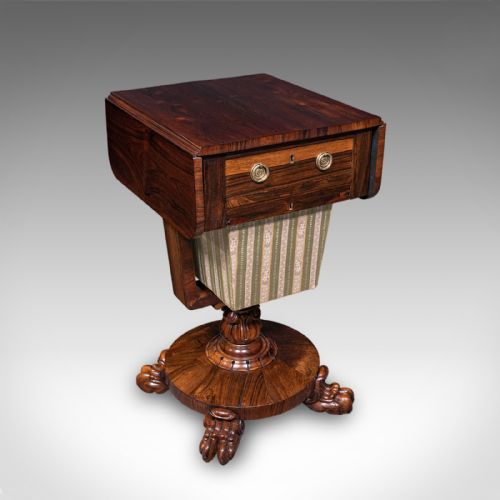
Cabinet makers utilised dense hardwoods including mahogany, walnut, burr walnut, rosewood, and satinwood, often selecting figured veneers to create striking top surfaces. Ebonised finishes and brass mounts or ormolu details appear on pieces influenced by French design styles.
Inlay and marquetry form a significant part of the decorative technique, incorporating contrasting woods and floral or geometric motifs into table tops and friezes. Turned legs, cabriole legs, and pedestal bases supported these structures, frequently fitted with castors for mobility on carpets.
Several tables arrive equipped with original castors, prepared to roll across nineteenth-century carpets at a moment's notice.
What varies in quality
The distinction between standard and exceptional pieces rests on the choice of timber and the precision of the cabinet work. Finely figured burr walnut veneers, intricate marquetry, and substantial mounts elevate a table above simpler production pieces.
Structural integrity and the retention of original surface finishes dictate desirability among collectors. Tables that preserve their original patination, stable joints, and untarnished brass hardware demonstrate superior original manufacture and careful preservation.
Francois Linke·Hindley And Sons·Jaques And Hamleys
The Antique Parlour Tables Glossary
- Centre table
- A freestanding table designed to be viewed from all sides, traditionally positioned in the middle of a room rather than against a wall.
- Occasional table
- A small, movable table intended for intermittent use in a sitting room or parlour, such as for holding books or tea.
- Marquetry
- Decorative patterns formed by fitting together thin slices of wood veneer, ivory, or shell onto a structural wooden surface.
- Burr walnut
- Timber taken from a growth on a walnut tree, yielding highly figured, swirling grain patterns prized for decorative table tops.
- Ormolu
- Gilded bronze mounts and decorative elements applied to furniture, frequently seen on pieces inspired by French revival styles.
Antique Parlour Tables: Frequently Asked Questions
How were parlour tables used originally?
In period homes, parlour tables held table lamps, books, tea services, and sewing boxes. They also served as surfaces for card games, skittles, and parlour amusements.
Their movable nature allowed hosts to reconfigure rooms easily for entertaining visitors.
How do I tell Victorian from Edwardian tables?
Victorian tables often feature darker timbers, heavier proportions, and rich grain patterns such as burr walnut or rosewood. Carved details and ebonised finishes are common.
Edwardian examples tend to be lighter in appearance, frequently utilising satinwood or inlaid mahogany with delicate tapering legs and tray tops.
How do I care for an antique wood table?
Protect antique wood surfaces from direct sunlight and extreme humidity fluctuations to prevent veneer cracking or fading. Use coasters and mats to shield the polish from moisture and heat.
Apply a traditional beeswax polish sparingly to maintain the natural lustre of the timber.