

Antique Parlour Set
An antique parlour set brings together matched seating, entertaining pieces or games from the nineteenth century to anchor a formal room.
Antique Parlour Set
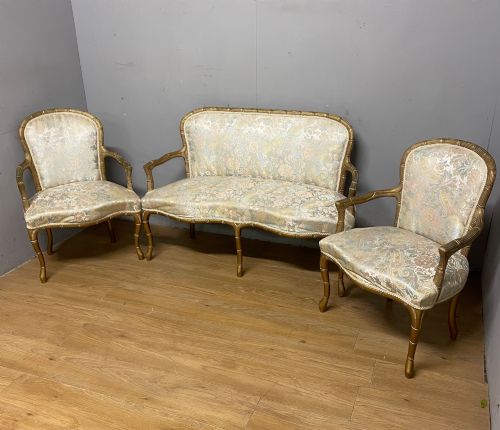
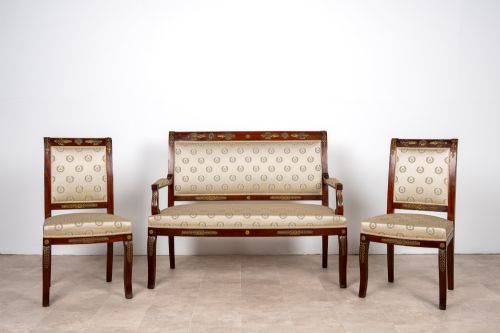
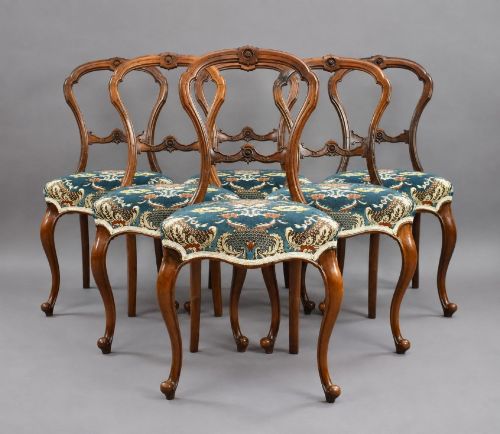
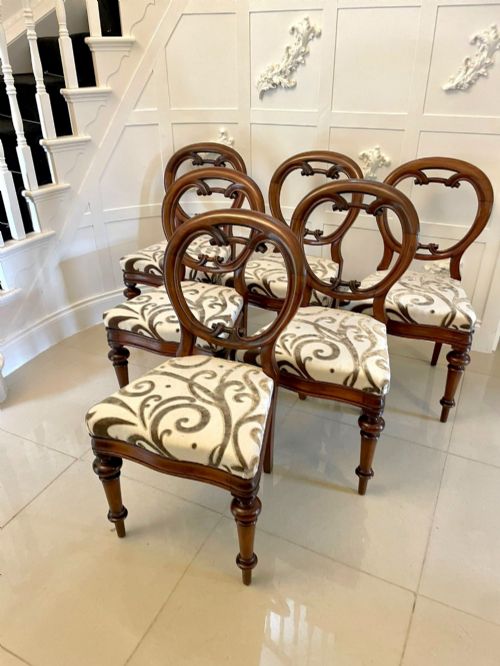
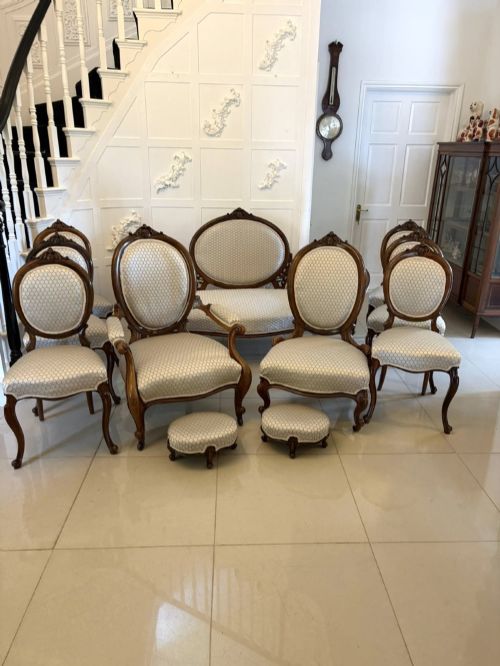
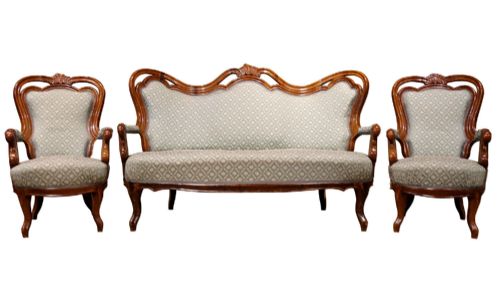
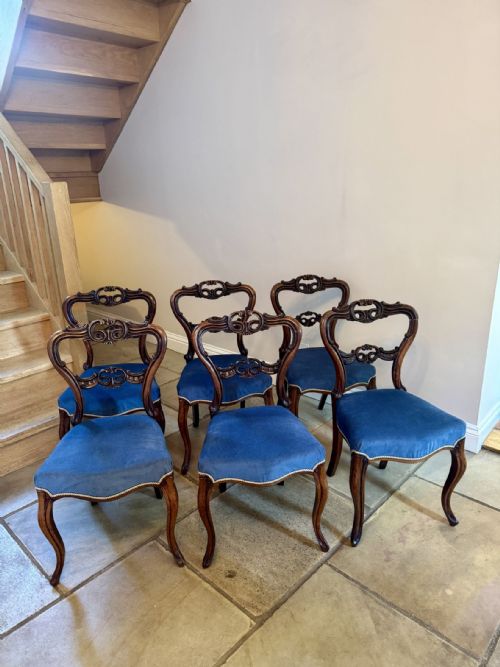
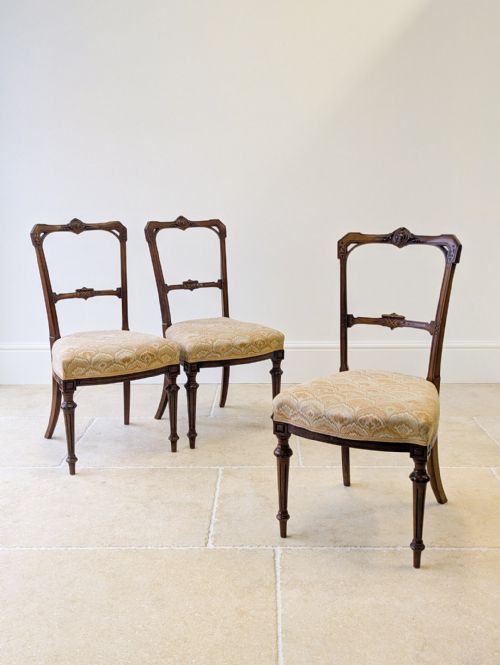
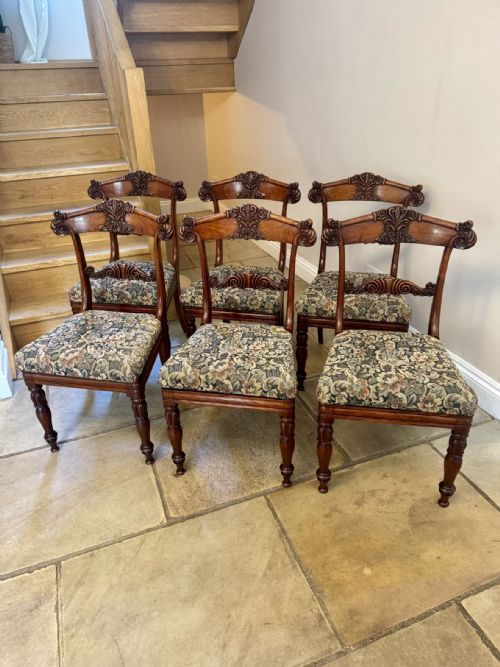
When searching for an antique parlour set, buyers encounter two distinct categories: matched groupings of seating for reception rooms and boxed indoor pastimes designed for guests. The seating options range from multi-piece salon suites comprising sofas and armchairs to sets of four or six dining and side chairs. These groupings span the Regency, Victorian, and Edwardian eras, reflecting the evolving social habits of nineteenth-century households.
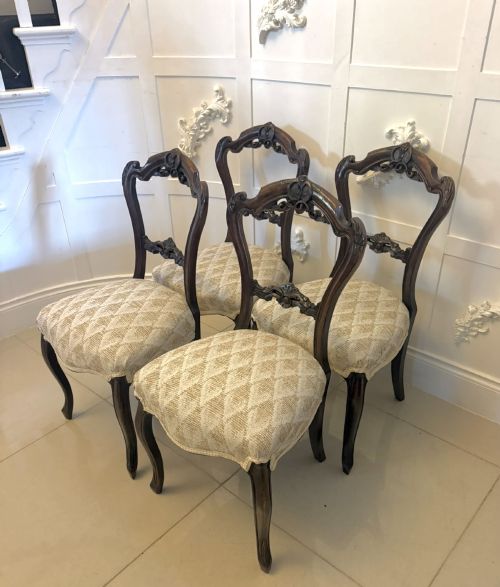
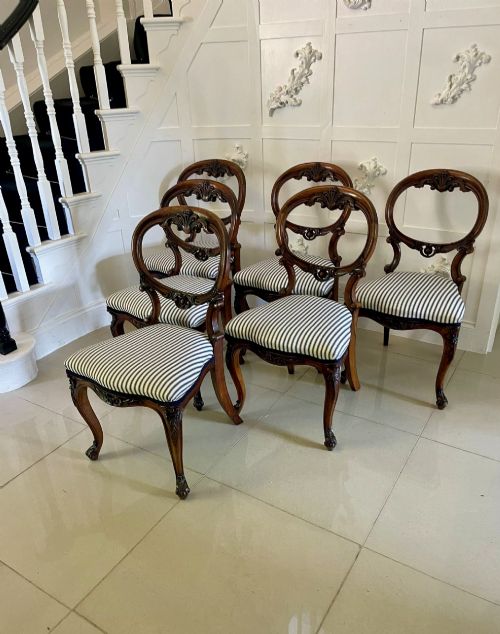
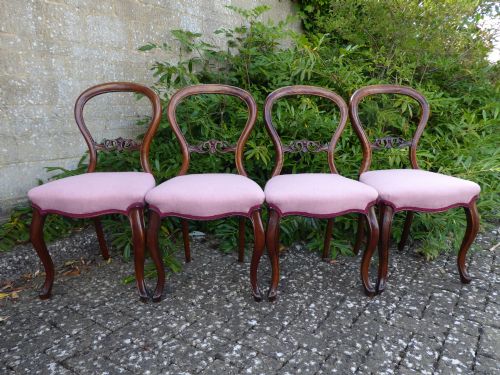
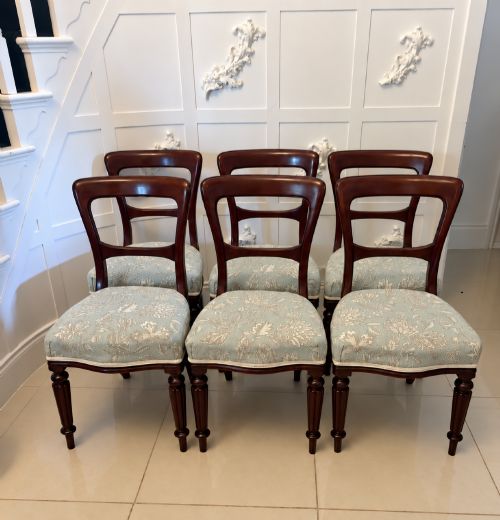
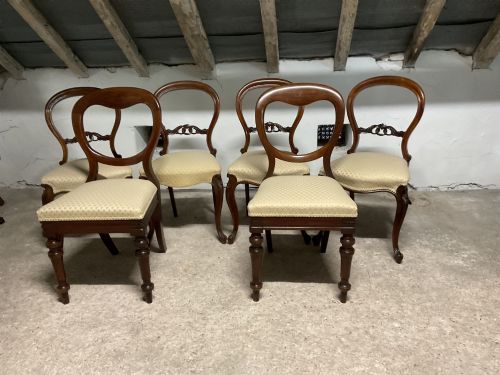
Large salon suites often combine a sofa, armchairs, and side chairs executed in matching carved timbers and upholstery, intended for formal hosting. Dining chairs appear frequently in sets of four or six, particularly with balloon backs or reeded legs from the Victorian period. Alongside furniture, the category encompasses portable pastimes such as boxed table tennis sets, roulette wheels, and dominoes designed for parlour entertainment.
Materials and construction methods
Makers relied on dense hardwoods including mahogany, walnut, rosewood, oak, and carved hardwood to build the frames for both chairs and multi-piece suites. Timber elements frequently display intricate carving, reeded turnings, marquetry inlay, or French polished surfaces. Regional workshops and continental makers utilised these durable woods to support the weight and ornate profiles demanded by nineteenth-century tastes.
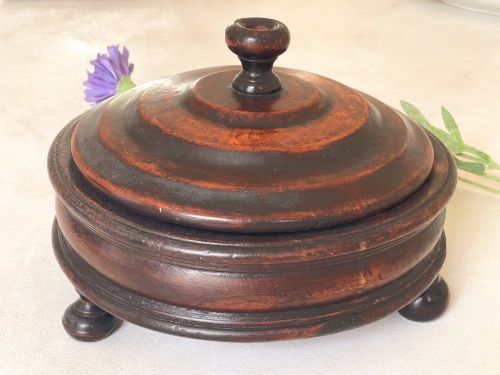
Upholstered components depend on traditional textiles, velvet, fabric, and needlepoint seats supported by internal webbing and stuffing. Games and entertaining sets incorporate secondary materials such as bone, brass, and turned wood for components like dominoes and roulette wheels. These varied media demonstrate the combination of cabinetmaking and textile craft characteristic of the period.
Antique Parlour Set Retail Price Guide 2026
Typical asking prices for parlour set among the pieces listed under this phrase on Sellingantiques today, from the lower quarter to the upper quarter. They describe what is for sale here now, not the wider market.
Listings feature pieces spanning the Regency, Victorian, Edwardian, and Arts and Crafts periods, constructed primarily from mahogany, walnut, rosewood, and oak.
Distinguishing quality across pieces
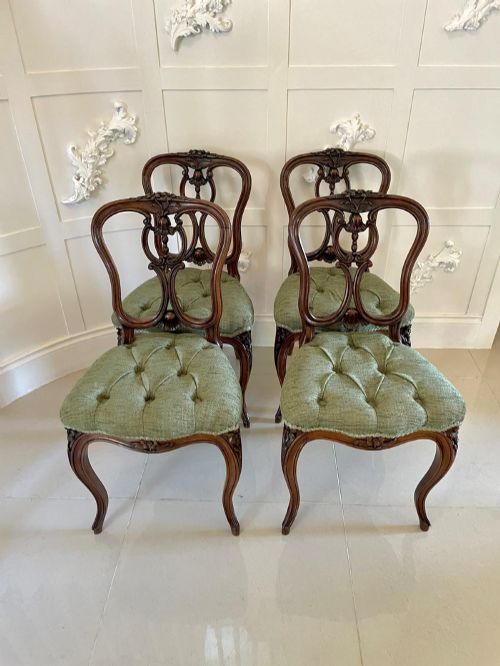
The distinction between standard items and exceptional examples lies in the crispness of the timber carving and the architectural cohesion of the suite. Superior sets exhibit deeply relief-carved walnut or rosewood frames, harmonious proportions, and intact matched upholstery schemes. Lesser pieces may display simpler turned members, assembled groupings rather than unified suites, or heavily restored surfaces.
For entertaining equipment and games, construction fidelity and original boxing determine standard versus exhibition tiers. Sets retaining their original fitted boxes, complete components in bone or wood, and maker-attributed packaging command greater attention. Quality resides in the preservation of the ensemble as originally conceived by the maker.
Jaques & Hamleys Gossima
The Antique Parlour Set Glossary
- Balloon back
- A chair back shaped in a continuous curved loop resembling a balloon, commonly seen in Victorian mahogany and walnut dining chairs.
- Salon suite
- A matched group of seating furniture designed for a formal drawing room or parlour, typically including a sofa and several armchairs or side chairs.
- Marquetry
- Decorative veneer work arranged in pictorial or geometric patterns using various coloured woods on a cabinet surface.
- Reeded legs
- Straight furniture legs carved with parallel convex mouldings that run vertically, frequently found on Regency and Victorian chairs.
- Needlepoint
- Stitched textile work using wool or silk yarn over canvas mesh, often applied to the drop-in seats of nineteenth-century chairs.
Antique Parlour Set: Frequently Asked Questions
What pieces make up a salon suite?
A salon suite typically includes a central sofa accompanied by armchairs, side chairs, and sometimes footstools designed in a unified style.
These pieces share matching timber frames, upholstery fabrics, and carved decorative motifs to create a cohesive look for a formal reception room.
How are parlour games different from furniture?
Parlour games consist of portable entertaining equipment housed in specialised boxes, such as roulette wheels, dominoes, and early table tennis sets.
They reflect the domestic recreation habits of the nineteenth century rather than formal seating arrangements for a room.
How can I date a walnut parlour chair?
Dating relies on examining the timber choice, leg profiles, and back construction alongside stylistic cues like Victorian balloon backs or Neoclassical details.
Walnut gained widespread popularity during the mid-to-late nineteenth century for carved drawing room seating.
Are dining chairs suitable for everyday use?
Nineteenth-century dining chairs were built from solid hardwoods like mahogany and walnut to withstand regular dining room use.
Checking the stability of the frame and the condition of the internal upholstery webbing ensures they remain practical for modern seating.