

Antique Parlour Seat
An antique parlour seat brings sophisticated 19th-century reception rooms back to life through solid mahogany, walnut, and rosewood frameworks.
Antique Parlour Seat
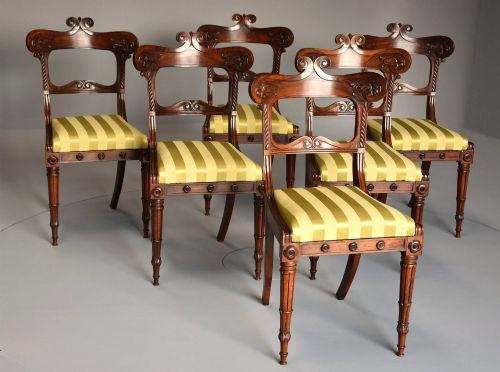
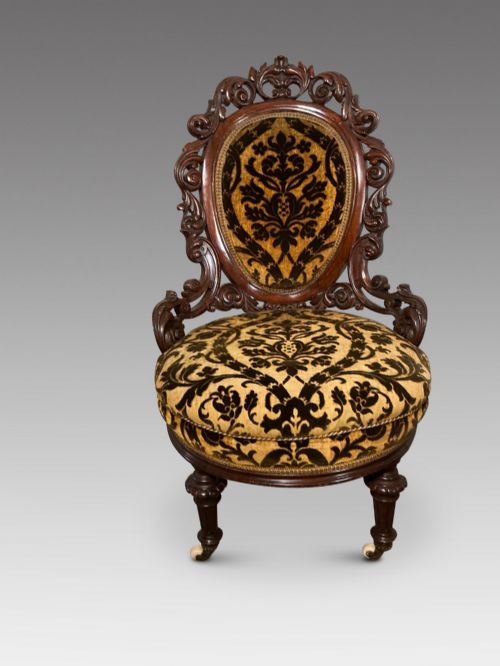
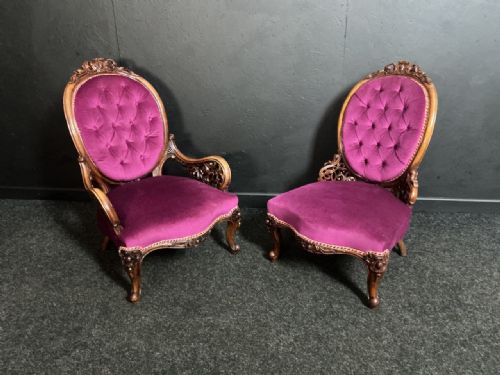
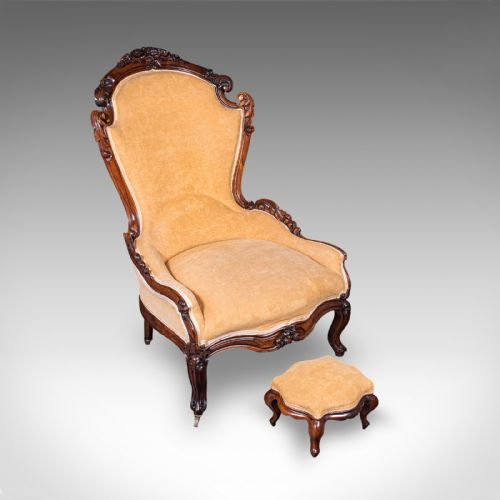
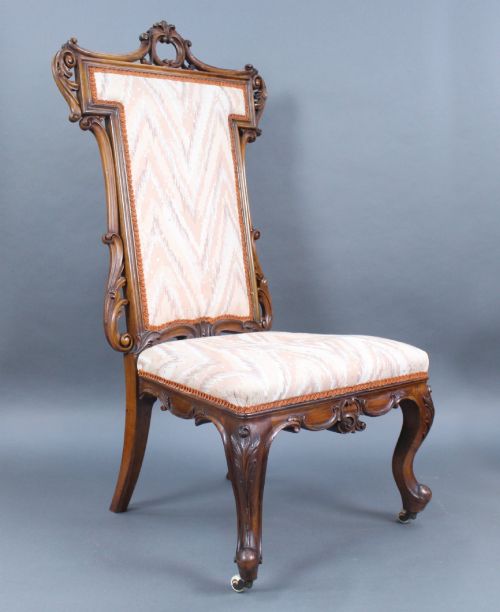
An antique parlour seat encompasses a wide variety of domestic furniture designed for formal reception rooms, including individual armchairs, nursing chairs, multi-piece salon suites, and settees. You are most likely to encounter Victorian and Edwardian examples fashioned from rich timbers such as mahogany and walnut, reflecting the refined domestic interior of the nineteenth and early twentieth centuries.
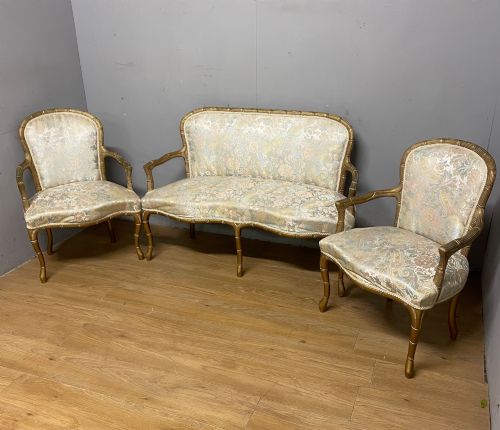
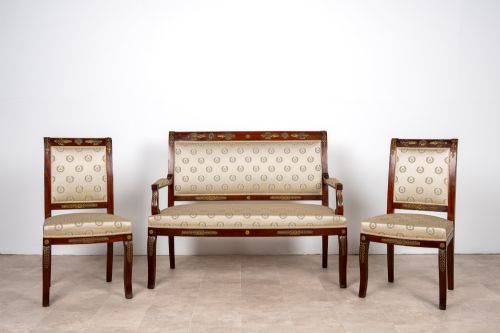
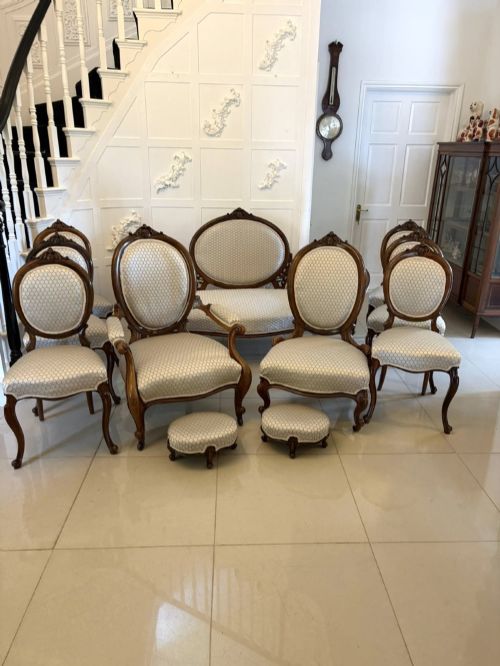
The selection ranges from single occasional chairs and library seating to expansive eleven-piece salon suites featuring matched sofas and footstools. Pieces emerge from diverse stylistic backgrounds, taking in Regency, Rococo Revival, Louis XVI Style, and Arts and Crafts movements alongside Chinese carved hardwood and Alpine carved oak suites.
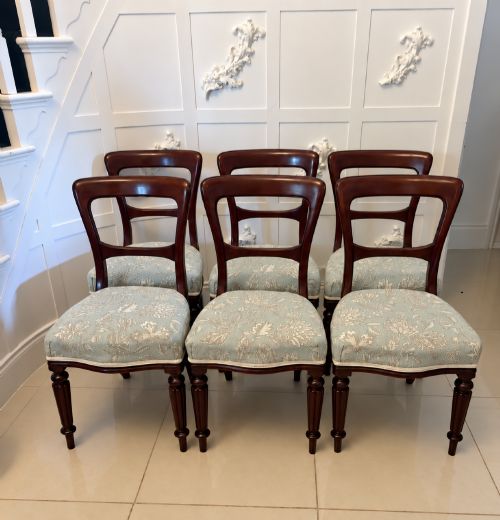
Individual dining chairs and paired settees frequently surface alongside larger seating suites, demonstrating how these versatile items served both formal entertaining and daily family life. The physical evidence spans multiple decades from the Regency era through to the Edwardian period, mapping a continuous evolution in parlor furniture design.
Materials and Technique
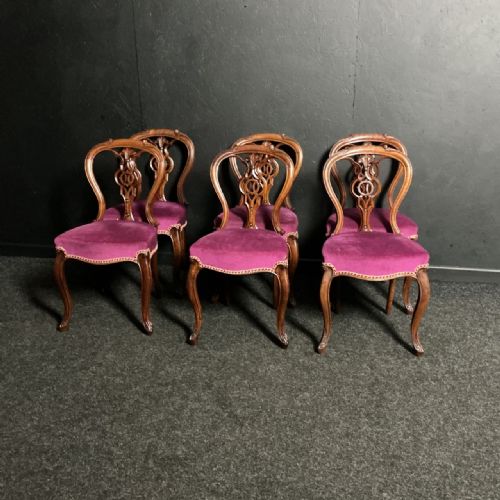
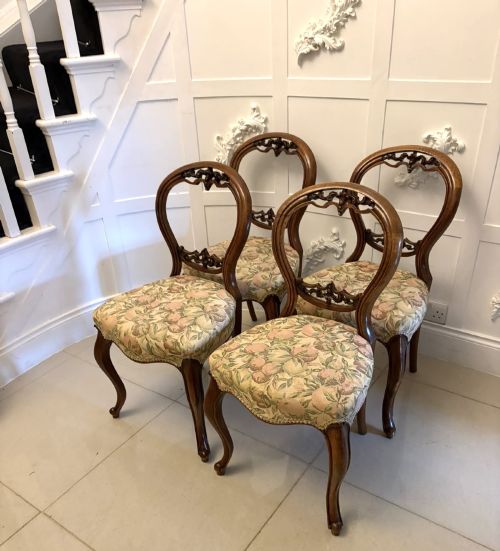
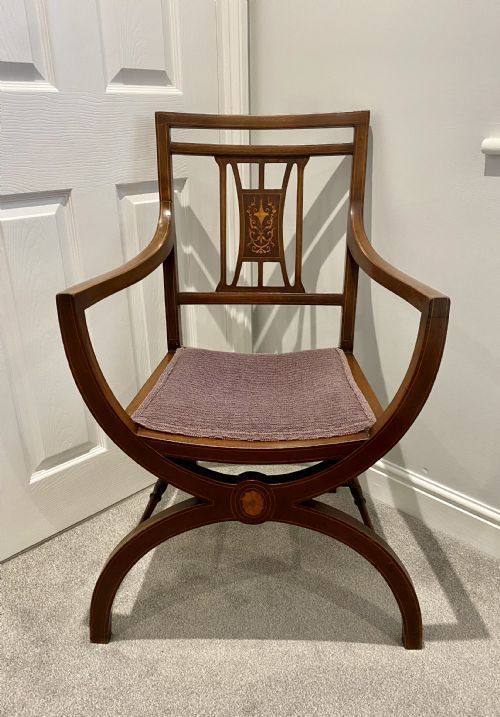
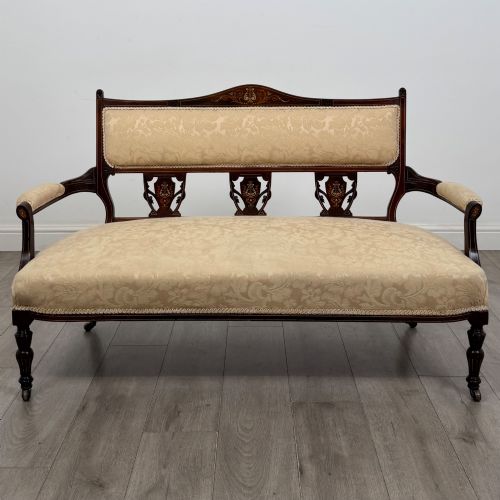
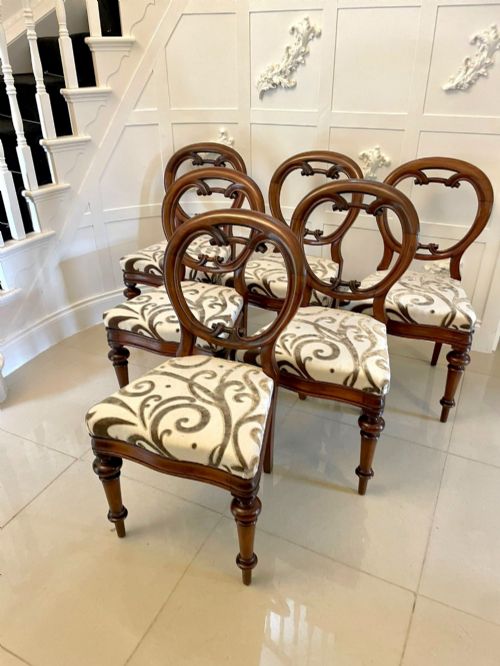
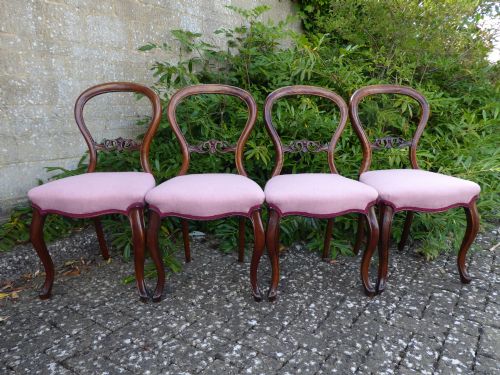
Makers constructed these frames using dense hardwoods like mahogany, rosewood, and walnut, often applying intricate hand-carved details to balloon backs, cabriole legs, and structural rails. Artisans utilised satinwood inlay, giltwood finishes, and brass accents to embellish the wooden structures, particularly on pieces produced during the Edwardian and late Victorian periods.
Upholstery formed a central component of construction, employing traditional textiles, velvet, and needlepoint fabrics stretched over sprung or padded seat bases. Frames range from solid oak and imported Chinese hardwoods to finely polished rosewood, showcasing carpentry techniques appropriate to each distinct regional workshop.
Antique Parlour Seat Retail Price Guide 2026
Typical asking prices for parlour seat among the pieces listed under this phrase on Sellingantiques today, from the lower quarter to the upper quarter. They describe what is for sale here now, not the wider market.
The listings feature mahogany, walnut, and rosewood frames across Victorian, Edwardian, and Regency periods.
Assessing Quality
The calibre of an antique parlour seat rests largely on the crispness of its hand-carving and the selection of timber grain, where highly figured walnut and rosewood distinguish superior specimens. Exhibition-grade suites demonstrate exceptional joinery and coordinated design across multiple matching chairs and settees, whereas standard items show simpler turned legs and plainer framing.
The integrity of the original wood framework and the fidelity of subsequent upholstery work determine the enduring status of a piece. Suites that retain matched sets of chairs and settees in harmony with their period styling command greater consistency than mismatched groups assembled at a later date.
The Antique Parlour Seat Glossary
- Balloon back
- A rounded, oval-shaped chair back resembling the profile of a hot air balloon, popular during the Victorian era. This form provides ergonomic support while allowing cabinetmakers to display rich mahogany or rosewood grain.
- Salon suite
- A matched group of seating furniture designed for a formal drawing room, typically comprising a settee and several armchairs or side chairs. These unified suites ensured visual harmony in high-status Victorian and Edwardian interiors.
- Settee
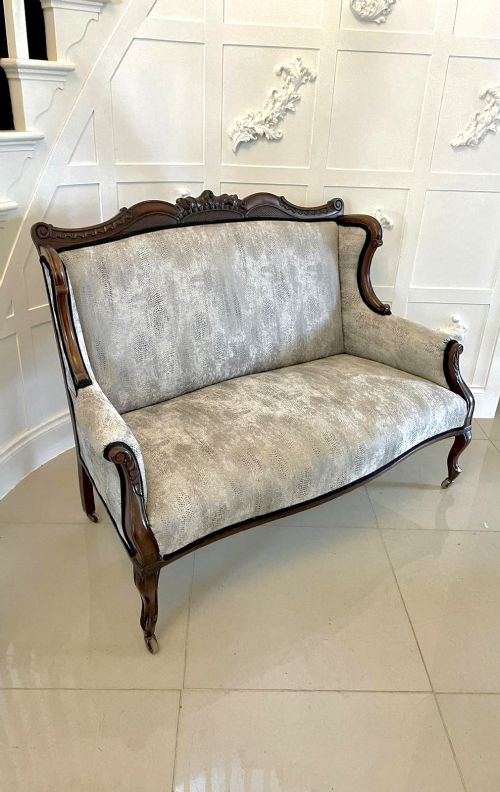
- A long wooden or upholstered seat with a back and arms, built to accommodate two or more people. They appear in various stylistic revivals, from Louis XVI giltwood frames to inlaid mahogany designs.
- Needlepoint
- Hand-stitched canvas work utilised for seat covers and upholstery panels, often featuring floral or geometric motifs. It provides a durable, decorative surface frequently seen on mid-19th-century parlor seating.
- Occasional chair
- A light, movable chair intended to be brought out for guests during gatherings in the parlor or drawing room. They frequently display decorative carved walnut frames and compact proportions.
Antique Parlour Seat: Frequently Asked Questions
What is an antique parlour seat?
An antique parlour seat is a piece of domestic furniture created for formal reception rooms, encompassing single armchairs, nursing chairs, settees, and large salon suites.
These items date predominantly from the Victorian and Edwardian eras, constructed from traditional hardwoods like mahogany, walnut, and rosewood.
How were parlor chairs used historically?
Historically, parlor chairs furnished the primary rooms used for receiving guests, hosting callers, and conducting formal social visits in the home.
Individual chairs, window seats, and multi-piece salon suites provided comfortable, elegant seating arrangements tailored to the social rituals of the nineteenth century.
How do I identify a Victorian chair?
Victorian chairs are identified by dense hardwood construction - chiefly mahogany, walnut, or rosewood - alongside characteristic forms like the balloon back and carved cabriole legs.
Stylistic markers range from early Victorian restraint to elaborate Rococo Revival curves and mid-century needlepoint upholstery.
Are Edwardian parlour seats different?
Edwardian parlour seats generally exhibit lighter proportions, brighter satinwood or mahogany timbers, and influences from the Sheraton Revival style.
Unlike heavier mid-Victorian suites, Edwardian pieces often feature delicate inlaid woodwork and simpler structural lines suited to airier early twentieth-century interiors.