

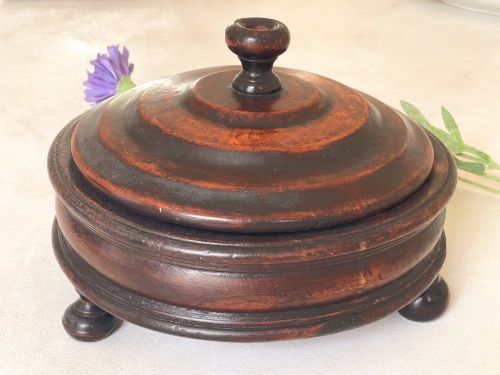
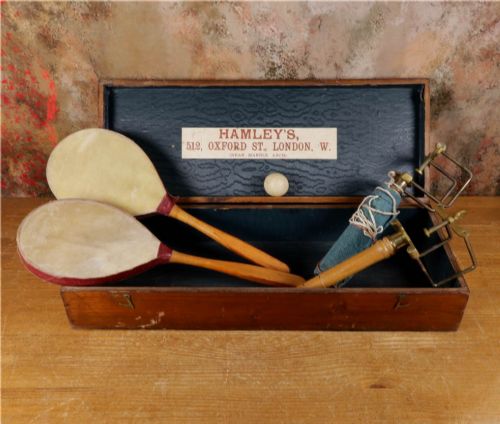
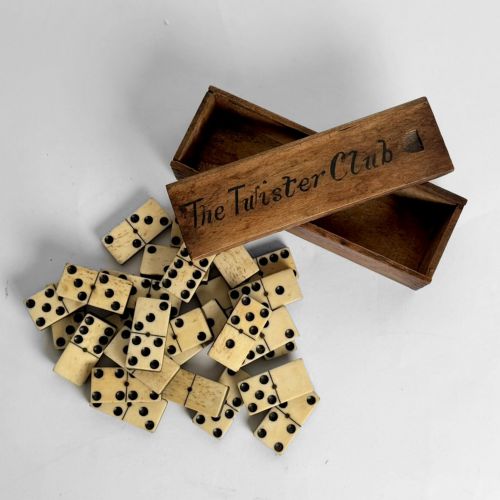

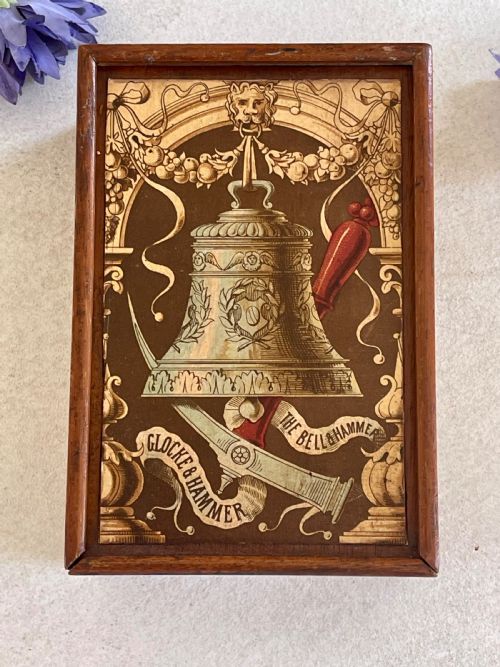


Antique Parlour Games Box
An antique parlour games box brings nineteenth-century drawing-room entertainment straight to your table, offering tactile pieces built for hours of social play.
Antique Parlour Games Box
An antique parlour games box encompasses fitted wooden cases, compendiums, and sporting sets designed for domestic amusement during the Victorian and Edwardian eras. These pieces range from comprehensive gaming compendiums housing chess and cards to specialised sets for dominoes, squails, and table tennis.
The versions most commonly met on this page span the nineteenth century and the early twentieth century, reflecting the golden age of fireside social pastimes. They originate from British workshops and include notable examples by makers such as Jaques and Hamleys, F.H. Ayres Ltd., and the British Chess Company, alongside imported sets like Chinese Mahjong.
Materials and construction
The construction of these items relies on traditional cabinet-making timbers such as mahogany, rosewood, oak, and pine, frequently shaped into fitted compartments to secure delicate components. Boxes incorporate brass hinges, locks, and carrying handles designed to withstand frequent handling during social evenings.
Internal components utilise natural materials including bone, vellum, paper, cotton, and wood. Dominoes, chess pieces, and gaming counters are often carved from bone or weighted timber, accompanied by printed paper instructions and textile elements.
Antique Parlour Games Box Retail Price Guide 2026
Typical asking prices for parlour games box among the pieces listed under this phrase on Sellingantiques today, from the lower quarter to the upper quarter. They describe what is for sale here now, not the wider market.
Listings feature items spanning the nineteenth century through the 1920s, utilising materials such as brass, bone, mahogany, oak, and vellum.
Evaluating quality and execution
The distinction between a standard production set and a superior piece lies in the choice of cabinet timbers and the complexity of the internal arrangement. Finer boxes utilise dense hardwoods like rosewood or finely grained oak with precision-fitted partitions, whereas simpler examples rely on pine and basic storage layouts.
Completeness and original branding elevate a piece, particularly when retainable elements such as maker's stamps, original rules, and matched playing sets remain intact. Maker attribution, such as signed boxes by established London makers, distinguishes standard utilitarian boxes from superior examples.
Jaques and Hamleys·F.H. Ayres Ltd.·British Chess Company
The Antique Parlour Games Box Glossary
- Compendium
- A multi-game box containing the equipment for several distinct pastimes, such as chess, draughts, and cards, housed within a single fitted case.
- Squails
- A traditional table game where players flick wooden discs across a surface to score points, popular in nineteenth-century parlours.
- Staunton
- A standard style of chess piece design introduced in the mid-nineteenth century, characterised by heavily weighted and mathematically proportioned forms.
- Vellum
- A fine parchment material prepared from calfskin, occasionally utilised for game boards or document bindings within fitted compendiums.
Antique Parlour Games Box: Frequently Asked Questions
What is a parlour games box?
A parlour games box is a container or compendium designed to hold the equipment needed for nineteenth-century domestic indoor games.
These boxes organise items like dominoes, chess sets, and table croquet pieces within fitted wooden compartments.
How do I date an antique games box?
Dating relies on the timber used, the style of the brass hardware, and the typography found on printed rules or labels.
Victorian examples often feature rosewood or mahogany with heavy brass fittings, while Edwardian pieces introduce lighter oak cases and revised game formats.
Were these boxes used by families?
These boxes provided evening entertainment for households and guests in country houses and town residences alike.
They were brought out during social gatherings for structured games ranging from strategic chess to dexterity pastimes like squails.
Are the game pieces usually complete?
Many surviving sets retain their original components, though completeness varies depending on how frequently the games were played over the decades.
Listings generally specify whether key elements like bone dominoes or chess pieces are present alongside the main box.