




Antique Parlor Stand
An antique parlor stand brings domestic grace to a room, offering a functional surface shaped by Victorian and Edwardian craftsmanship.
Antique Parlor Stand
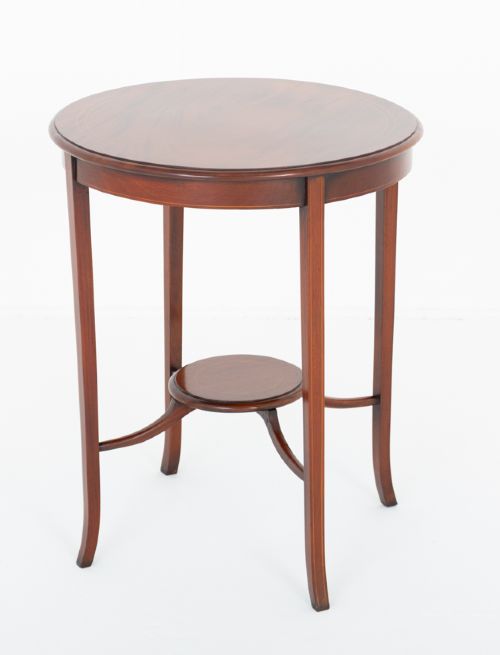
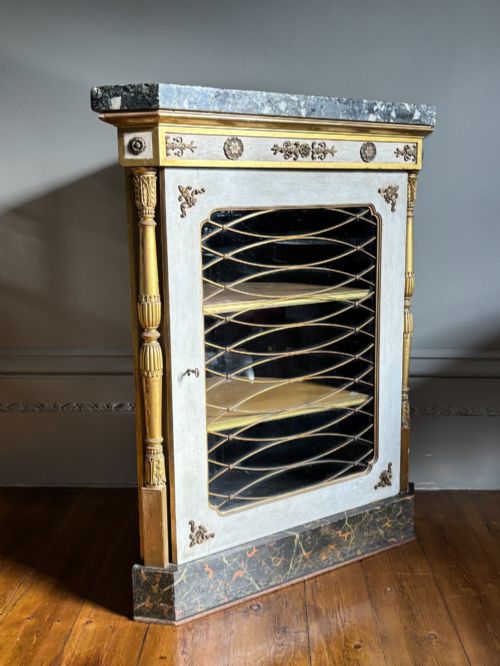
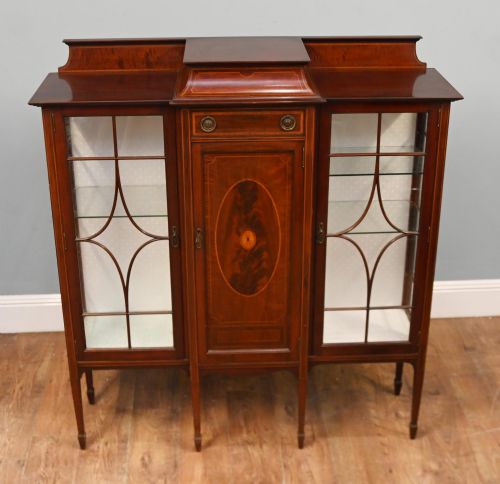
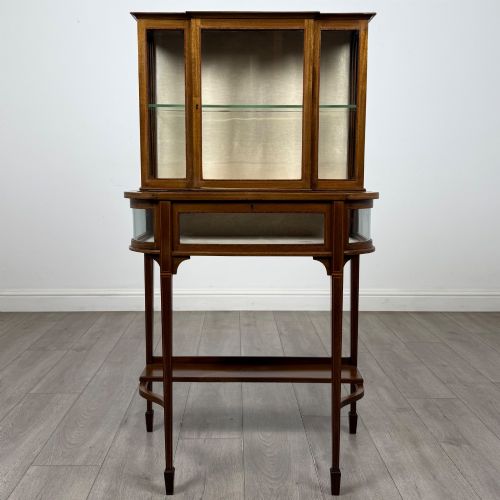
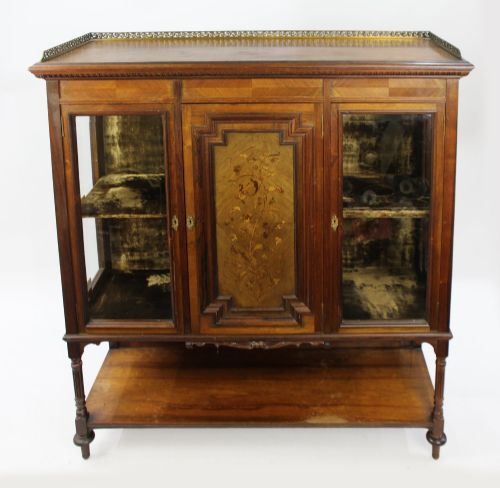
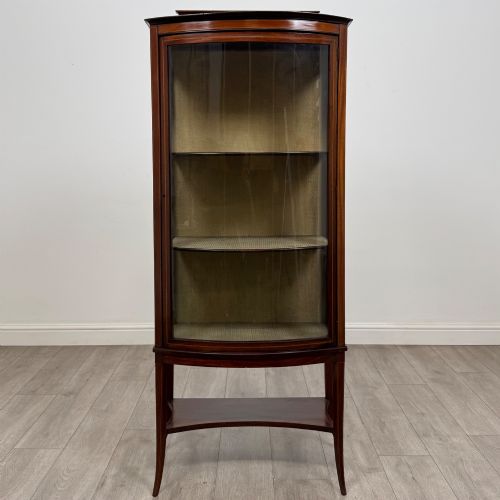
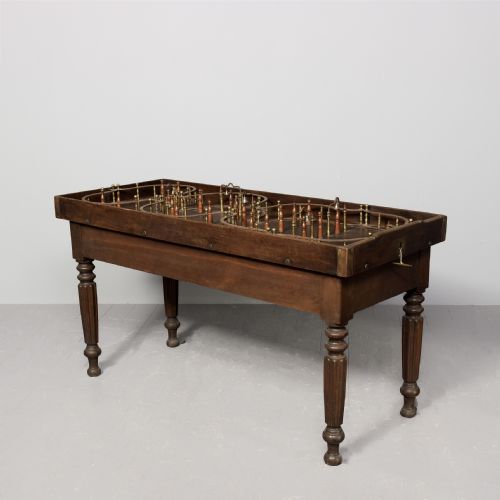
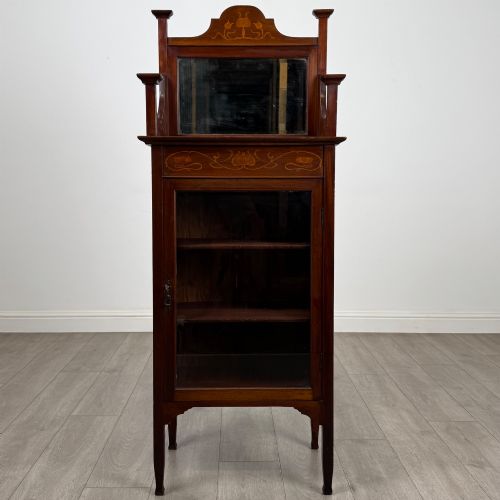
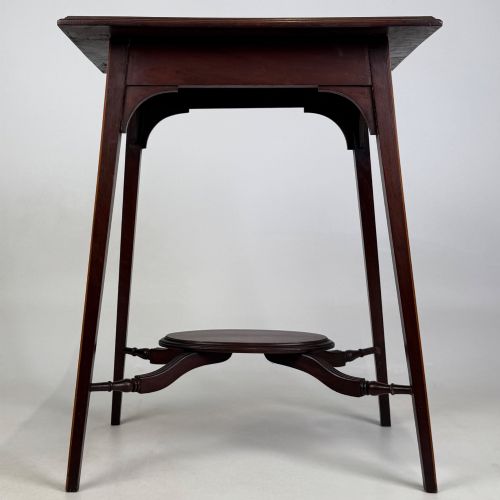
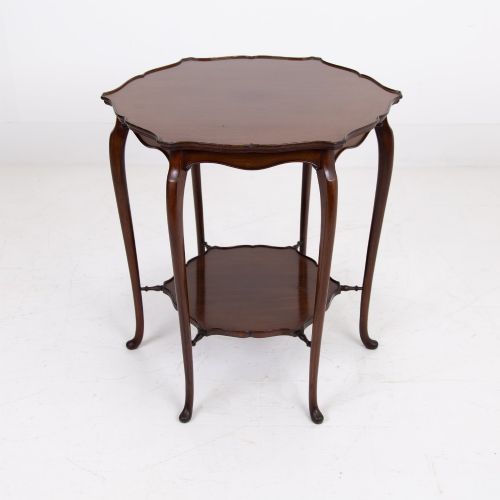
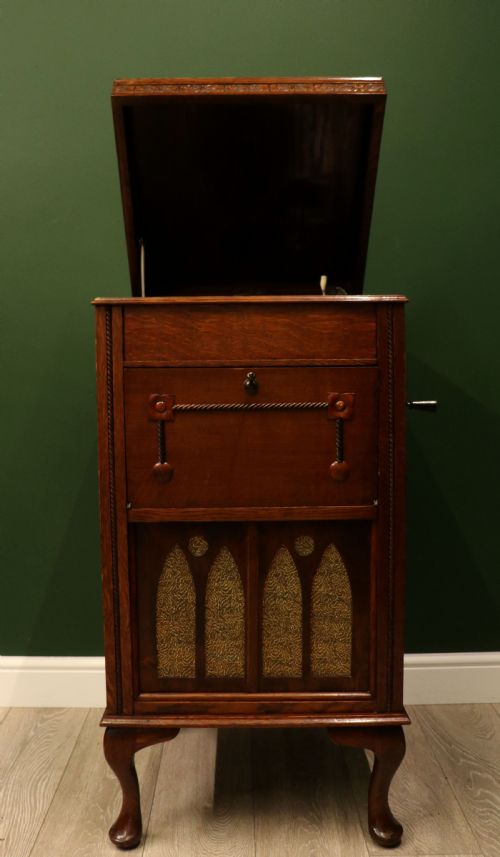
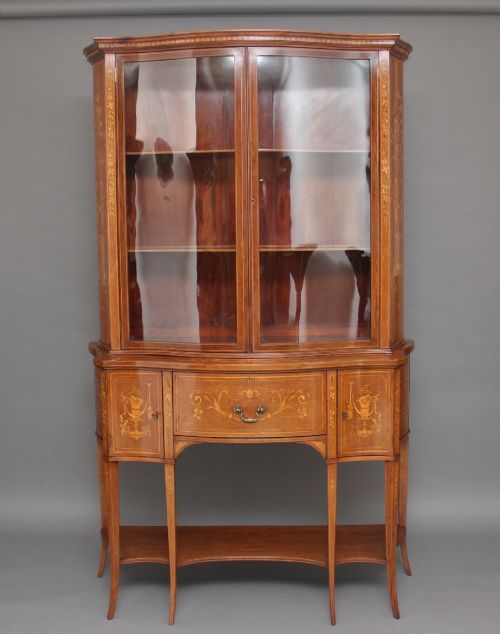
An antique parlor stand encompasses a variety of occasional tables, display cabinets, and music storage pieces designed for the principal rooms of nineteenth and early twentieth century homes. These pieces predominantly date from the Edwardian era and the late nineteenth century, reflecting the domestic tastes of the period.
Materials and Construction
Cabinet makers and joiners relied heavily on mahogany as the primary timber, occasionally utilising satinwood, oak, rosewood, and ebonised woods to achieve contrasting tones and surfaces. Inlays of boxwood and other decorative veneers added linear detail to table tops and cabinet doors.
Structural embellishments incorporated brass hardware, glass panels for display units, and turned wooden legs supporting multi-tiered designs. Surface finishes were applied to highlight the natural grain and rich colour of the hardwoods.
Antique Parlor Stand Retail Price Guide 2026
Typical asking prices for parlor stand among the pieces listed under this phrase on Sellingantiques today, from the lower quarter to the upper quarter. They describe what is for sale here now, not the wider market.
Listings feature Edwardian, Victorian, and Georgian eras, with materials including mahogany, rosewood, oak, satinwood, brass, and glass.
Assessing Quality and Execution
The distinction between standard domestic pieces and finer examples rests upon the precision of the cabinetwork and the subtlety of the timber selection. Superior pieces display carefully matched veneers and neatly integrated stringing rather than coarse decoration.
Proportion and structural integrity define the better specimens, where legs, shelves, and joints maintain stability and balance. The refinement of turned elements and the clarity of glass in display doors further separate ordinary items from those of higher merit.
Edwards and Roberts
The Antique Parlor Stand Glossary
- Occasional table
- A small, movable table designed for general use in a reception room or parlor. These versatile pieces served multiple functions depending on the needs of the household.
- Inlay
- A decorative technique where contrasting materials are inserted into recessed cavities of a wood base to form patterns. Boxwood and satinwood were frequently used for this purpose.
- Two-tier
- A furniture design featuring a primary surface complemented by a lower secondary shelf. This layout provided additional space for display or storage while maintaining a compact footprint.
- Aesthetic Movement
- A late nineteenth-century design style that emphasised visual beauty and artistic expression over strict historical revival. Pieces from this movement often utilised ebonised finishes.
- Sheraton Revival
- A late nineteenth and early twentieth-century style inspired by the furniture designs of George Sheraton. It is characterised by delicate proportions, classical motifs, and fine inlay work.
Antique Parlor Stand: Frequently Asked Questions
What is an antique parlor stand used for?
These pieces served multiple domestic purposes in Victorian and Edwardian homes, functioning as surfaces for lamps, ornaments, or reading materials. Some variations incorporated lower shelves or cabinets to store books and small items.
In daily use, they provided flexible surface space in formal reception rooms where furniture was frequently rearranged for entertaining or family gatherings.
How do I identify an Edwardian parlor stand?
Edwardian examples typically feature lighter woods such as mahogany and satinwood, often decorated with delicate boxwood inlay and Sheraton Revival motifs. They frequently adopt forms with slender turned legs and lower display tiers.
Comparing the proportions and decorative details to pieces from heavier Victorian periods helps establish the transition into twentieth-century lightness and grace.
Are parlor stands and occasional tables the same?
An occasional table is one specific form of parlor stand, alongside display cabinets, music cabinets, and small side tables. The broader category encompasses any minor furniture piece kept in a parlor for convenience.
While all occasional tables can function as parlor stands, the term also covers specialised display and storage units designed for the same domestic spaces.
How do I care for antique wood furniture?
Maintain these pieces by keeping them away from direct sunlight and sudden temperature changes, which can dry out timber and cause veneers to lift. Dust gently with a dry, soft cloth rather than using silicone-based polishes.
Applying occasional applications of appropriate wax helps preserve the finish and nourishes the antique wood without building up heavy residues.