

Antique Parcel Gilt Carving
An antique parcel gilt carving brings a flash of gold leaf against rich walnut or mahogany.
Antique Parcel Gilt Carving
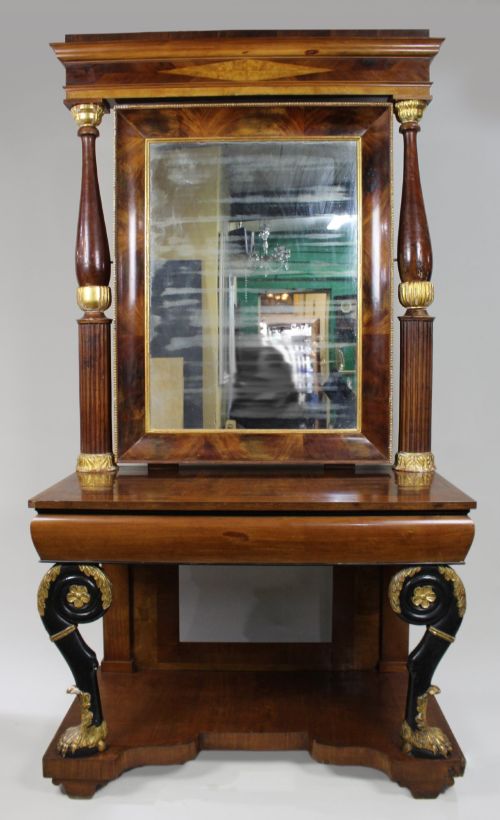
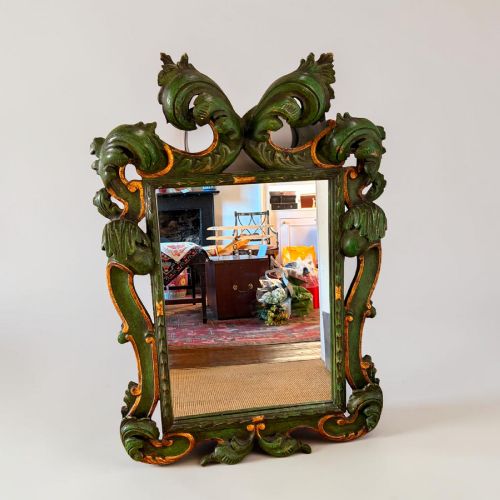
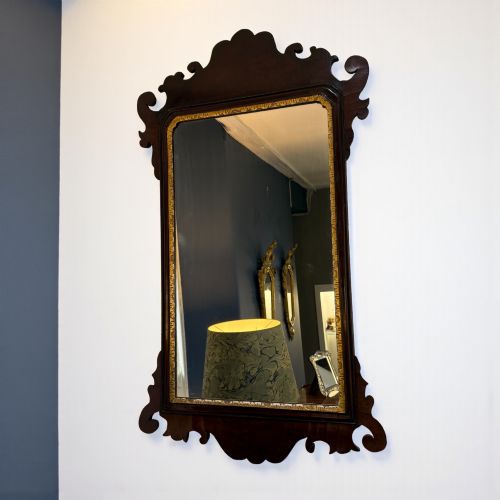
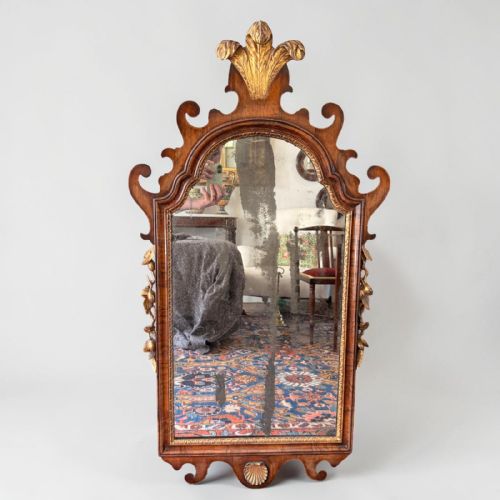
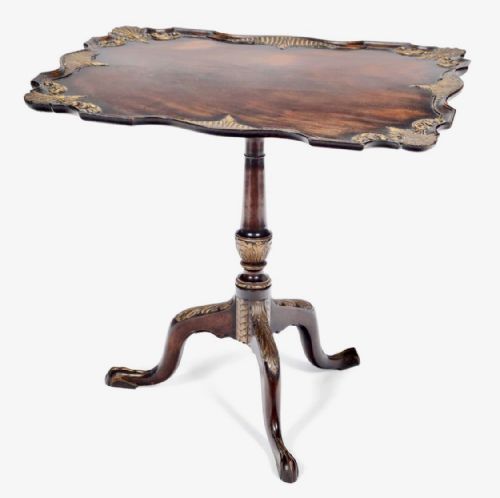
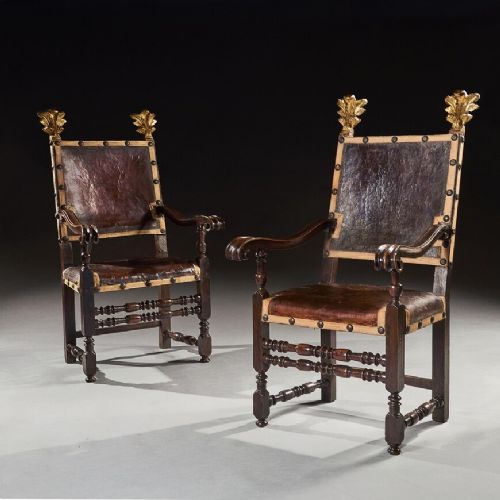
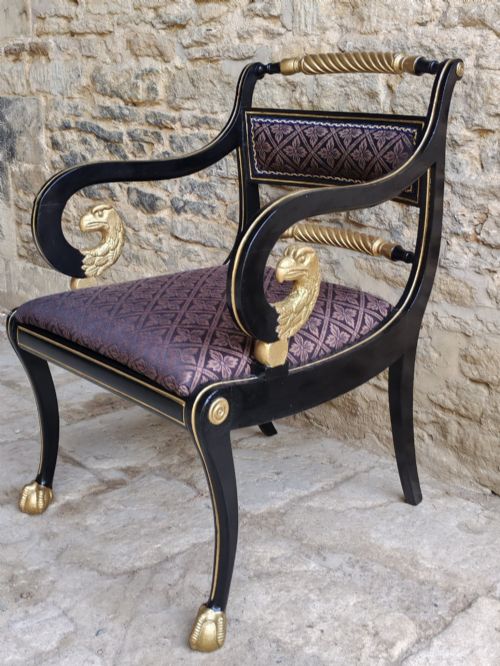
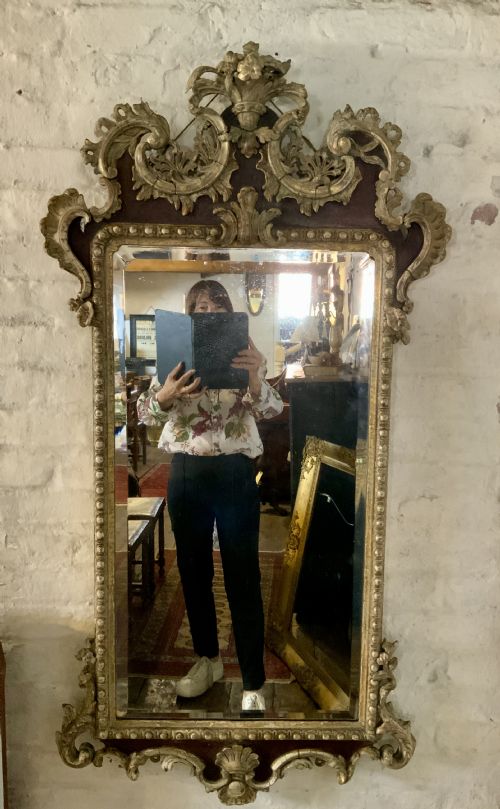
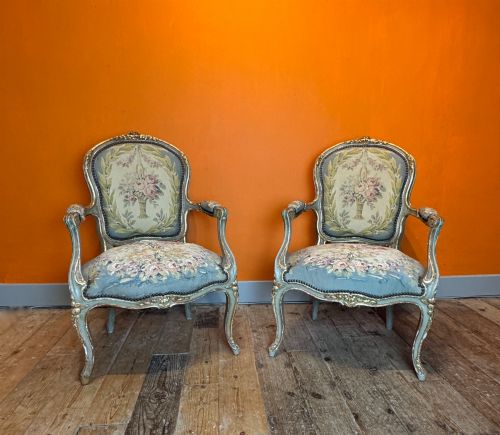
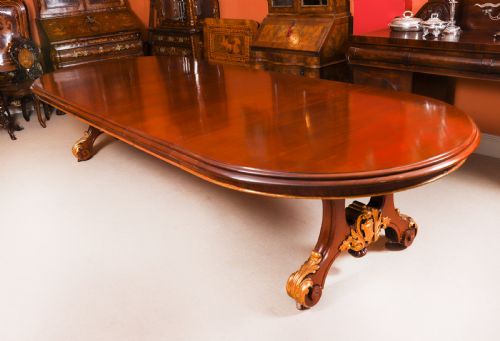
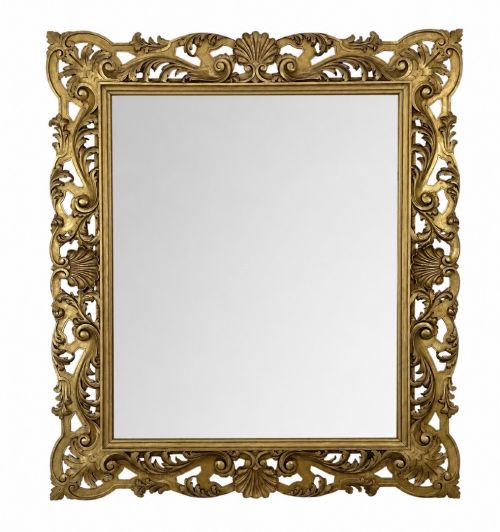
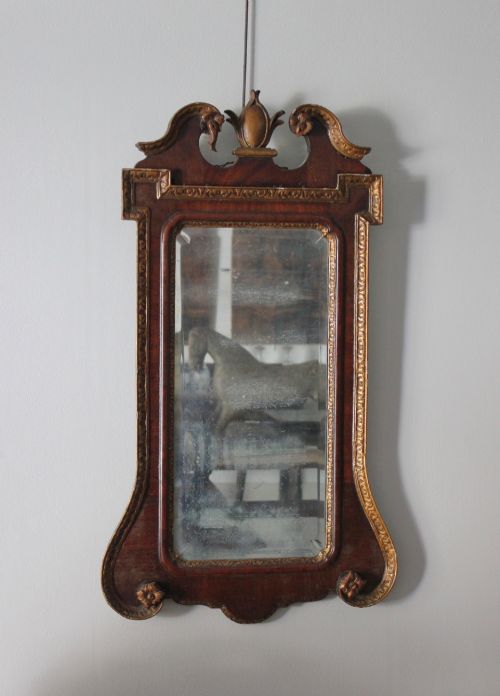
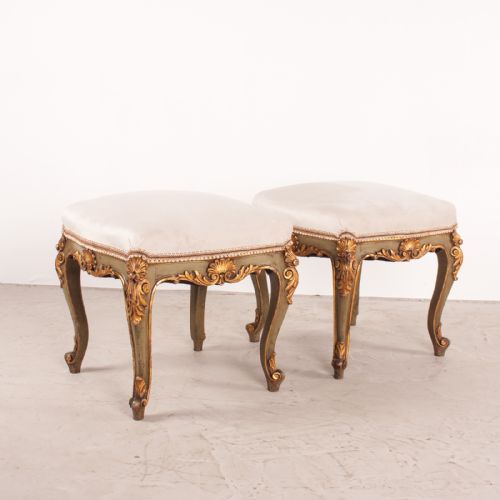
When searching for antique parcel gilt carving, buyers encounter objects where selective gilding highlights wooden details rather than covering the entire surface. These pieces span wall mirrors, console tables, armchairs, and dining chairs originating from the eighteenth and nineteenth centuries.
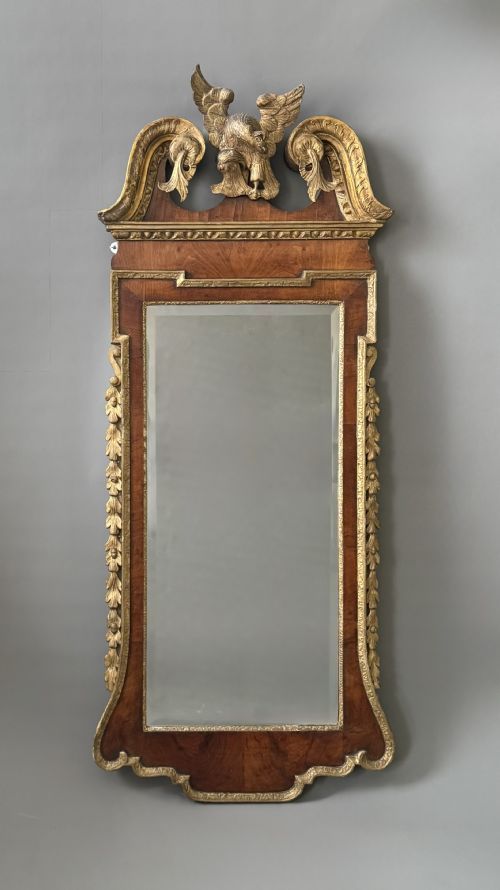
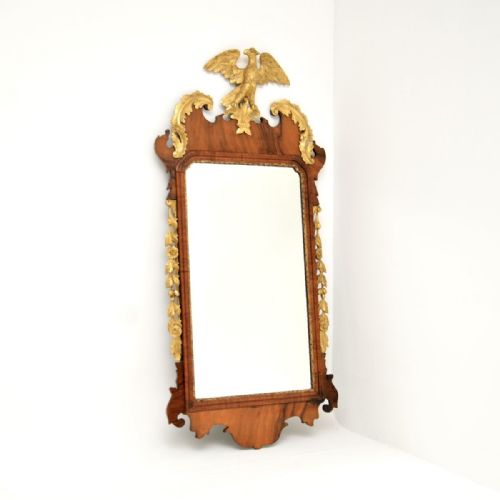
The version most commonly met on this page is the mirror, particularly George III and Regency wall mirrors or overmantels constructed in mahogany, walnut, or gessoed wood. Alongside seating such as armchairs and footstools, these items combine exposed timber grain with bright gold accents.
Materials and construction
Craftsmen built these items using solid hardwoods like mahogany and walnut, frequently applying a layer of gesso to carved wooden elements before laying down gold leaf. This combination allowed makers to achieve sharp definition in the carved details.
The selective application of metal leaf directly onto the timber or over prepared gesso created a distinct contrast between the dark polished wood and the gilded highlights.
Among the mirrors and tables, a nineteenth-century marble bust of a Dutch girl observes the room.
Judging the work
Quality rests in the crispness of the hand carving and the proportion of the gesso work beneath the gold leaf. Superior pieces retain sharp edges on foliate motifs and mouldings without softened details from wear or over-cleaning.
The selection of the underlying timber also dictates standard, with well-figured walnut and dense mahogany providing a superior base for the parcel gilt treatment compared to secondary woods.
Wylie and Lochead·Carrier Belleuse
The Antique Parcel Gilt Carving Glossary
- Parcel Gilt
- A surface treatment where gold leaf is applied only to specific carved portions of an object, leaving the surrounding wood or paint exposed. This technique highlights particular architectural details or motifs.
- Gesso
- A plaster mixture applied to wood surfaces as a smooth base for gilding. It allows carvers to achieve fine relief work before laying gold leaf.
- Trumeau
- A decorative wall mirror or panel featuring a painted or carved scene above the glass. These items appear frequently in nineteenth-century French contexts.
- Pier Mirror
- A tall mirror designed to hang on the wall between windows, often placed above a console table. They reflect light into eighteenth and nineteenth-century rooms.
Antique Parcel Gilt Carving: Frequently Asked Questions
What is parcel gilt?
Parcel gilt refers to objects where only specific carved areas are covered in gold leaf while the rest of the wood remains exposed.
This method draws the eye to decorative motifs like moulding or foliage.
How do I date these pieces?
Dating relies on stylistic markers from periods like the Georgian, Regency, and Victorian eras.
Construction methods and timber choices further clarify the production period.
Where were they placed?
Mirrors and console tables typically hung in formal reception rooms between windows or above mantelpieces.
Seating was arranged along the walls of parlours and libraries.
How do I care for the gold leaf?
Gold leaf requires gentle dusting with a soft, dry cloth to prevent abrasion.
Keep these items away from direct sunlight and moisture to protect the underlying gesso.