

Antique Paper Study
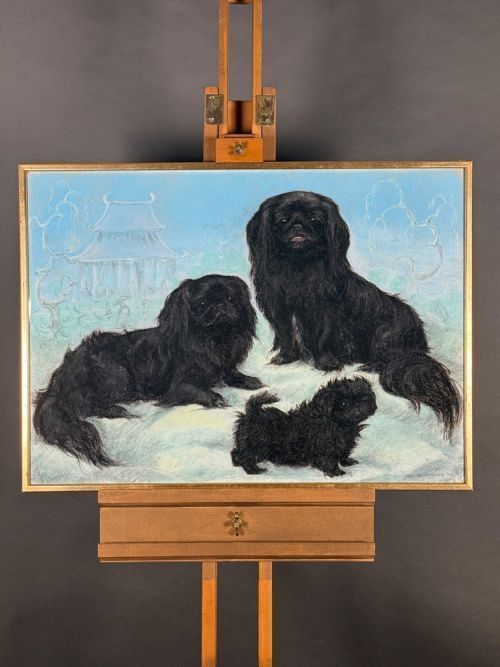
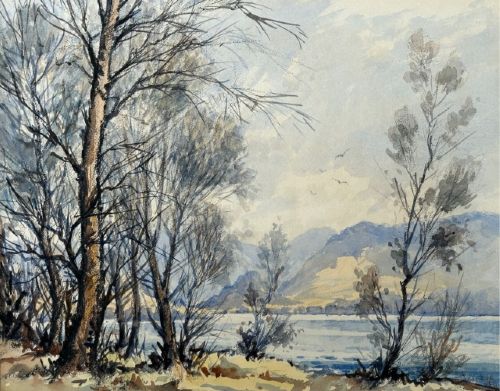
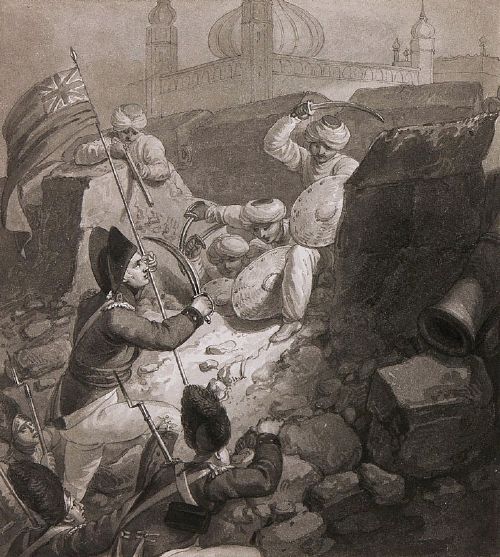
When you search for an antique paper study, you find framed drawings, watercolours, and gouache sheets recording preparatory thoughts or finished compositions from past centuries.
Antique Paper Study
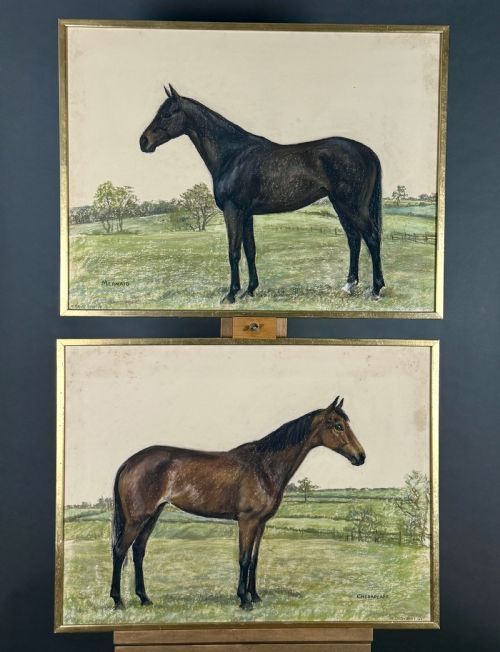
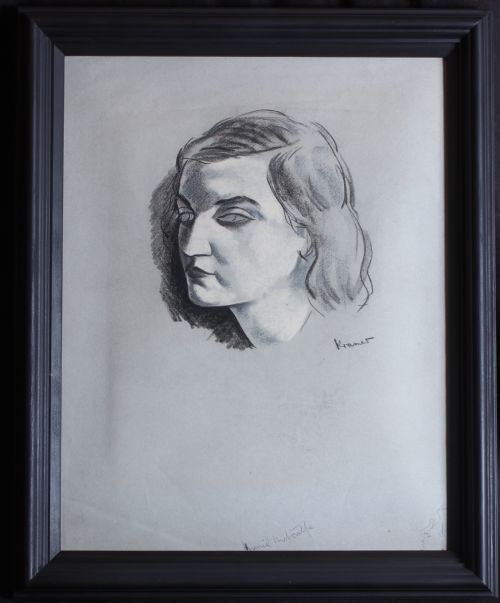
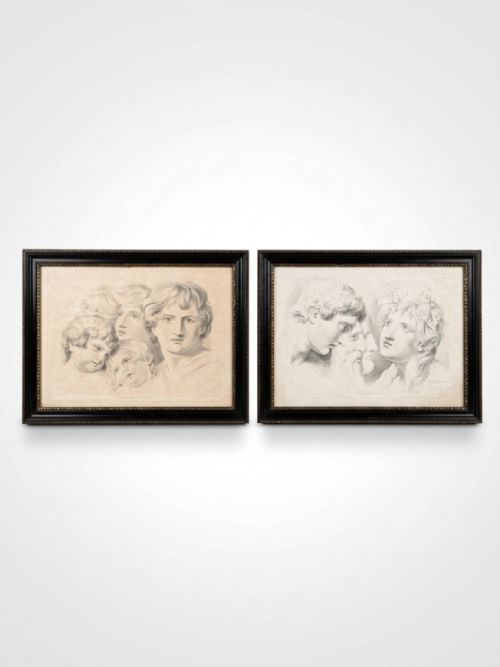
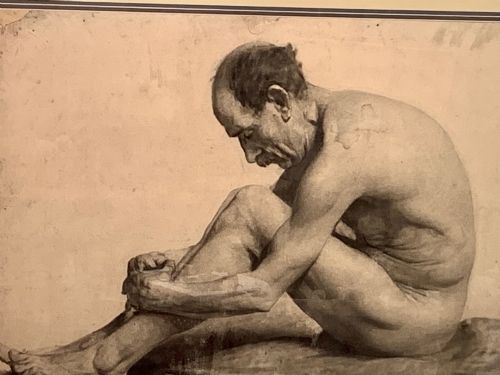
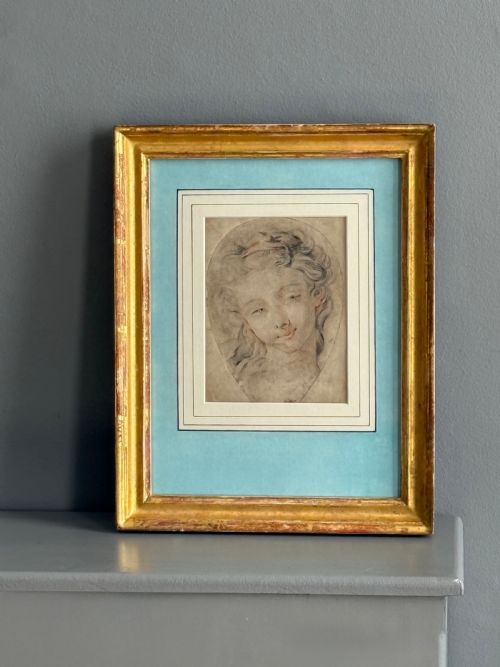
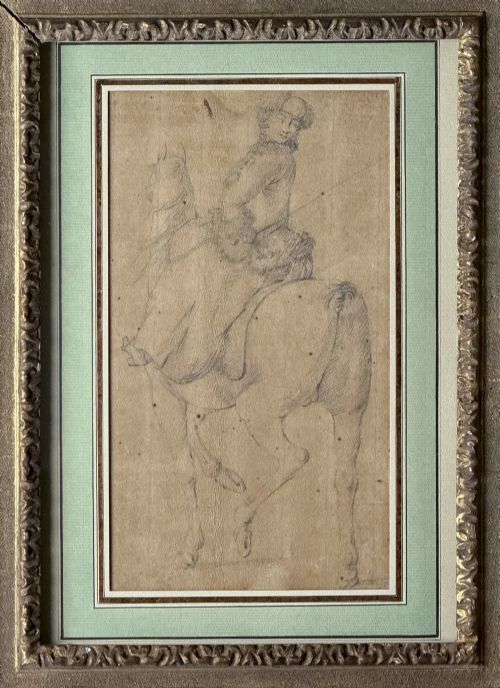
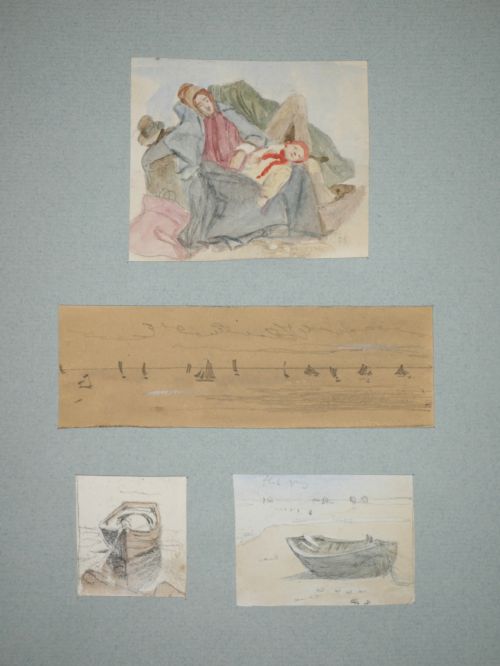
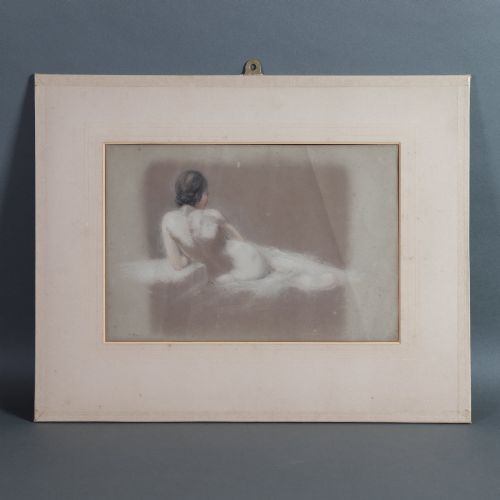
An antique paper study captures the direct hand of an artist working out a composition, an academic subject, or a portrait long before digital reproduction existed. These works range from loose 18th-century equestrian sketches and portrait drawings to detailed Victorian life studies of the human form.
The most common examples encountered on this page originate in the 18th and 19th centuries, executed in pencil, ink wash, or watercolour. Buyers often select these pieces for their intimate scale and the unpolished glimpse they provide into historical artistic training.
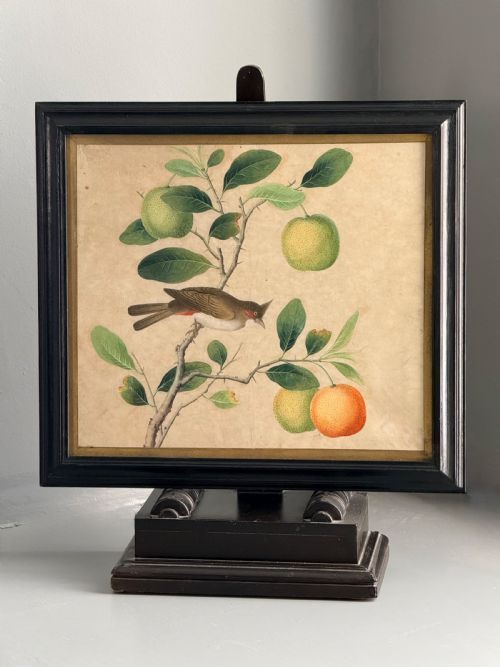
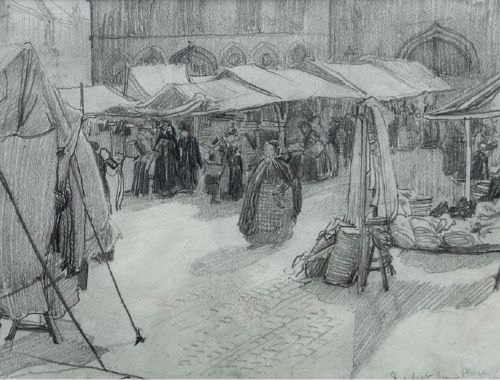
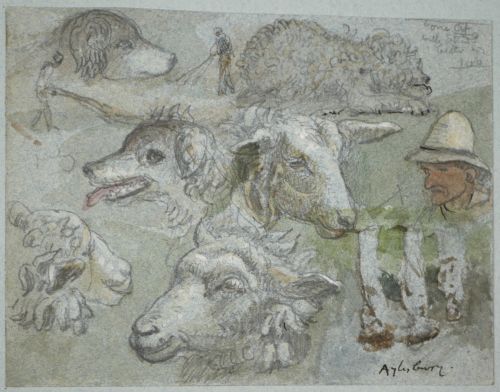
Subjects stretch from classical figures and animal studies to topographical landscapes and botanical observations. Each sheet functions as a primary document of draughtsmanship, frequently retaining the watermarks or texture of the original paper substrate.
Materials and execution
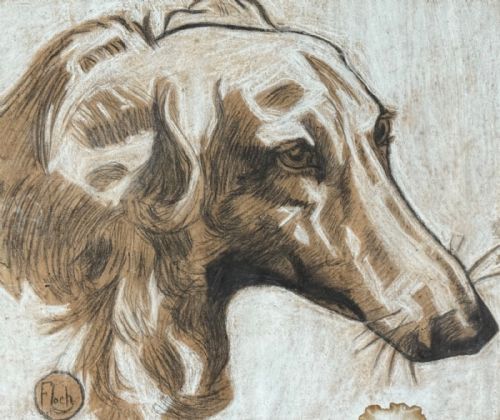
Artists relied on a limited palette of dry and wet media applied directly to paper sheets, utilising graphite, charcoal, chalk, and ink wash to build form and shadow. Watercolour and gouache frequently appear on these pages, providing opaque highlights or translucent washes over preliminary pencil lines.
Support materials vary from standard rag paper and buff-toned sheets to fragile pith paper and embossed surfaces. These organic supports dictate the preservation requirements and account for the distinct tonal qualities visible across different periods.
Listings feature works spanning the 17th, 18th, and 19th centuries, alongside early 20th-century examples executed in graphite, watercolour, and chalk.
Distinctions in quality
The strength of the draughtsmanship separates superior examples from routine student exercises, evident in the confidence of the line and the anatomical accuracy of academic life studies. Masterful handling of light and shadow creates depth that weaker, derivative sketches lack.
Condition and sheet integrity also dictate the standing of a piece, with well-preserved margins, stable pigments, and minimal acid burn commanding greater appreciation. The presence of identifiable provenance or attribution to a recognised school enhances the historical weight of the work.
James Smetham·William Etty·William Marshall Craig·Francois Boucher·Augustus John·Carl Haag·Ludwig van Beethoven·George Rankin·John Hancock·Henry Arthur Roberts
The Antique Paper Study Glossary
- Gouache
- An opaque water-based paint that uses a binding agent and added white pigment to create a heavier, matte surface. It allows artists to layer light tones over dark washes.
- Pith paper
- A delicate plant-based material traditional in Chinese export painting, made from the pith of the Tetrapanax papyrifer plant. It possesses a velvety texture that accepts vibrant gouache pigments readily.
- Wash
- A technique where ink or watercolour is diluted with water to create translucent pools of tone. It is typically applied with a soft brush to establish atmospheric depth.
- Sanguine
- A reddish-brown chalk or crayon used extensively for figure drawing during the Renaissance and subsequent centuries. The term derives from the Latin word for blood.
- Watermark
- A faint design pressed into paper during manufacture by a wire stitched to the mould. It serves as a maker's mark and helps researchers date the sheet.
Antique Paper Study: Frequently Asked Questions
What is an antique paper study?
An antique paper study is a hand-drawn or painted artwork on paper created as a preparatory exercise, observation, or finished sketch by an artist in past centuries.
These pieces capture the immediate creative process, offering a direct record of historical techniques and academic training.
How should I frame a paper study?
Paper studies require conservation-grade framing to protect fragile organic materials from light damage, humidity, and acid migration.
Using UV-filtered glass and acid-free window mounts prevents the paper from touching the glazing and preserves the integrity of the drawing.
How can I tell the age of the paper?
The age of the paper is identified through visual inspection of the fibre content, chain lines, watermarks, and overall tonal ageing of the sheet.
Earlier papers made from linen and cotton rags differ significantly in texture and resilience from later wood-pulp products.
Were these studies meant to be finished artworks?
Many paper studies were created purely as preparatory exercises for larger paintings, anatomical practice, or rapid field recordings rather than final gallery pieces.
Despite this working nature, collectors often prize them for their spontaneity and uninhibited artistic expression.