




Antique Paper Opener
An antique paper opener is a refined desk tool for slicing envelopes and turning pages, carrying craftsmanship from Georgian through to Art Deco periods.
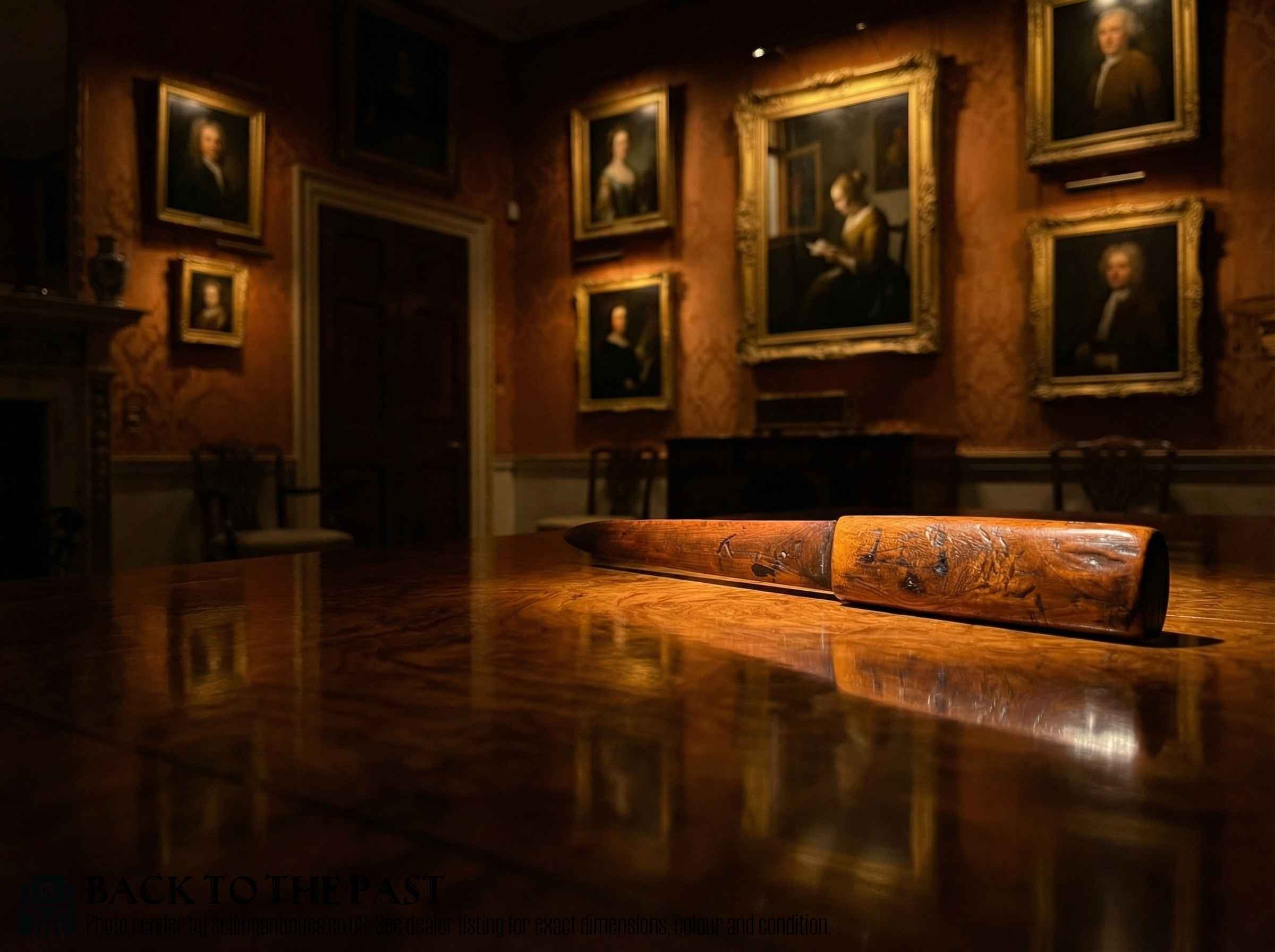
Antique Paper Opener
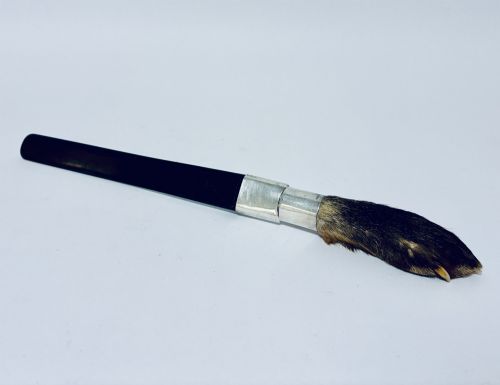
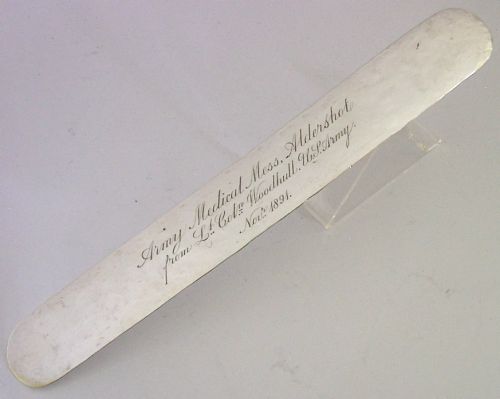
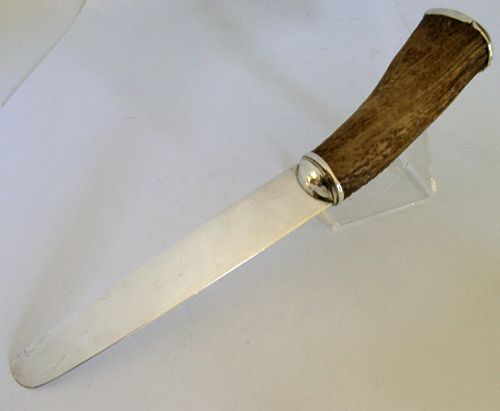
An antique paper opener sits on the desk as both a practical utensil and a decorative object. When you search for this phrase, you encounter forms ranging from simple sterling silver blades to substantial page turners fashioned for heavy reading.
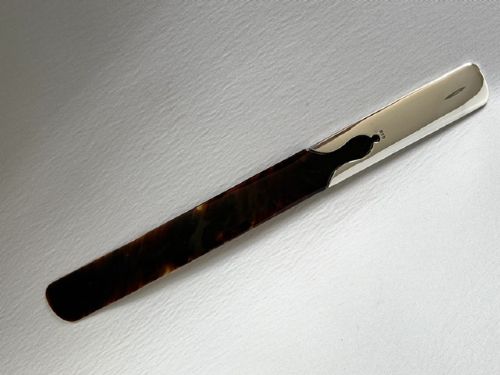
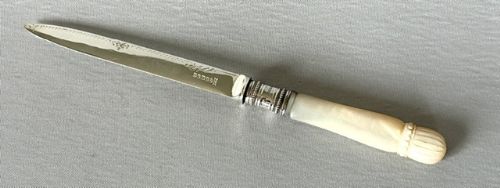
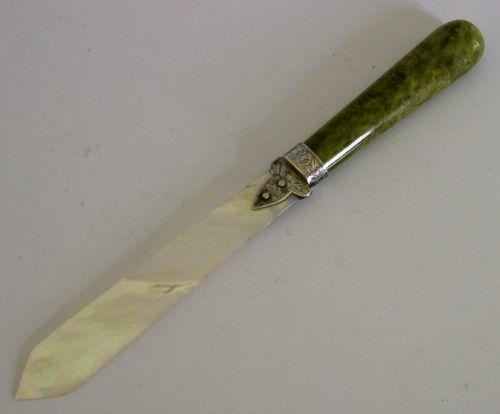
The pieces on this page span the Georgian, Victorian, and Edwardian eras, alongside later Art Deco and trench art examples. You are most likely to meet silver-mounted designs alongside organic materials like mother-of-pearl and tortoiseshell.
Desk accessories from these periods reflect changing social habits surrounding correspondence and reading. Makers applied considerable artistry to items that were handled daily, resulting in surviving examples that combine utility with distinct period style.
Materials and construction
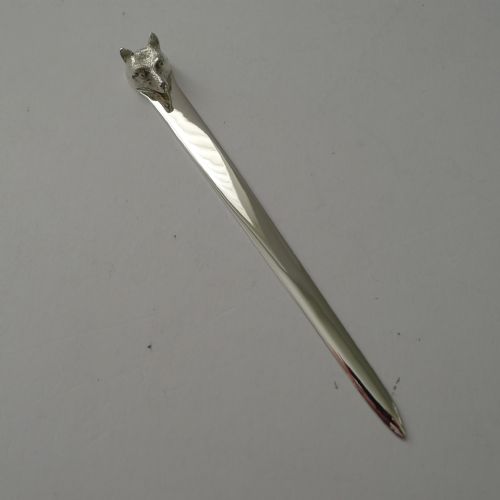
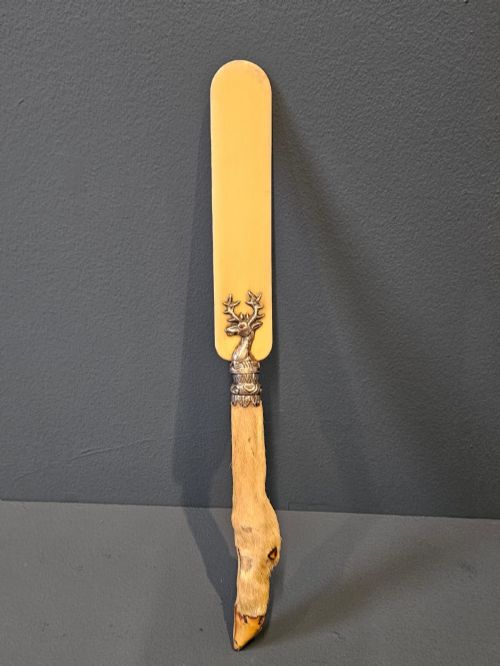
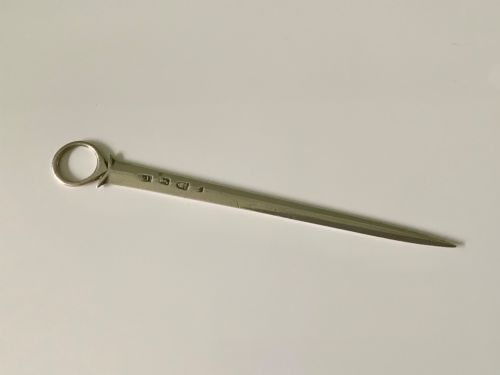
Metals form the core of many pieces, utilising sterling silver, brass, bronze, and steel. Silversmiths worked these metals into slender blades, occasionally pairing them with cast figural handles depicting animals, birds, or human figures.
Organic materials provide contrast and tactile warmth, appearing frequently as tortoiseshell, mother-of-pearl, horn, and various woods. Craftsmen shaped these substances into flat, polished panels for page turners or riveted them to metal tangs.
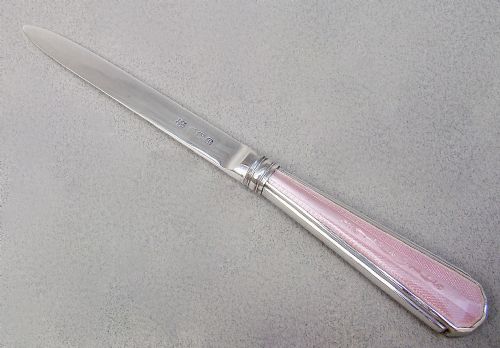
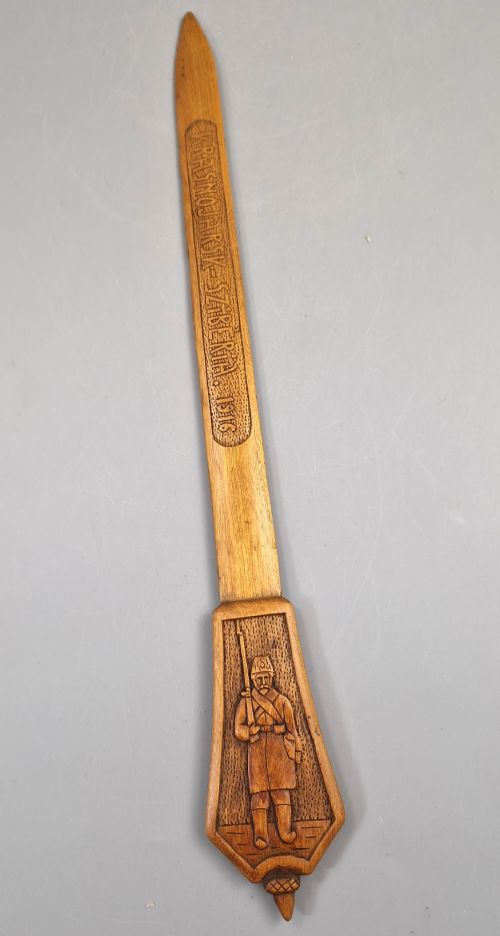
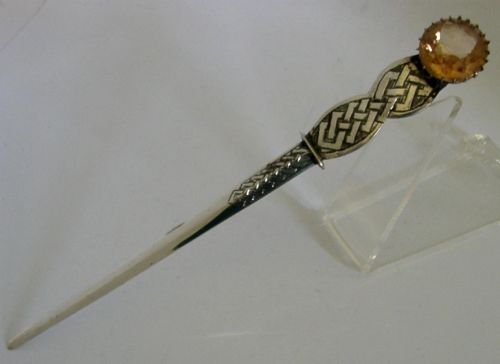
Decorative techniques add colour and texture through guilloché enamel, citrine gemstones, agate panels, and hand-carving. Trench art examples demonstrate improvised fabrication using repurposed military materials like brass shell cases.
Judgements of quality
Quality rests on the integrity of the materials and the precision of the assembly. Superior examples display seamless joins between organic panels and metal mounts, with crisp hallmarks and well-defined figural castings.
The balance of the object dictates its success in the hand. Finer pieces distribute weight evenly between the handle and the blade, whereas lesser items feel awkward or overly heavy at the grip.
Artistic ambition separates standard desk tools from exceptional works. Pieces incorporating specialist techniques like guilloché enamel or signed by notable makers demonstrate superior workshop execution.
The Barker Brothers·Asprey·Moses Brent·A. Barrett·Sampson Mordan & Co.
The Antique Paper Opener Glossary
- Page turner
- A large, flat desk accessory designed for parting the uncut pages of books or periodicals. They typically measure longer than standard letter openers and utilise materials like horn, wood, or tortoiseshell.
- Guilloché
- A decorative mechanical technique that etches precise, intricate geometric patterns into metal before translucent enamel is applied. It appears frequently on Art Deco desk wares.
- Trench art
- Objects fashioned by soldiers, prisoners of war, or civilians from the debris and materials of conflict. They often incorporate brass shell cases and carved wood.
- Hallmark
- A series of official marks stamped onto precious metals to indicate the standard of purity, the assay office, and the year of manufacture. British silver items rely on these for precise dating.
- Tang
- The portion of a blade or metal component that extends into the handle. Its secure fastening determines the structural durability of the piece.
Antique Paper Opener: Frequently Asked Questions
What is the difference between an opener and a page turner?
Letter openers feature pointed blades designed for slicing through paper envelopes and correspondence. Page turners are larger, broader, and blunter instruments originally used to cut and turn the folded pages of new books.
While many Victorian and Edwardian examples combine both functions in a single tool, dedicated page turners prioritise a flat, smooth surface to prevent tearing delicate paper.
How do I date an antique silver desk piece?
Dating relies heavily on British hallmarks stamped directly onto the silver elements. These marks identify the assay office, the silver standard, and a specific date letter corresponding to the year of production.
Stylistic cues such as Edwardian restraint or geometric Art Deco motifs provide secondary confirmation when hallmarks are absent or rubbed.
Were these items used for writing or reading?
They served primarily during the processing of daily mail and the reading of periodicals or uncut books. Owners kept them on writing desks alongside inkstands and blotters to handle incoming correspondence.
As letter-writing declined in the twentieth century, these tools transitioned into purely decorative desk ornaments.
How should I care for tortoiseshell and mother-of-pearl?
Organic materials require gentle handling to prevent drying and cracking. Keep them away from direct sunlight, extreme heat fluctuations, and harsh chemical cleaning agents.
Dusting with a soft, dry cloth is sufficient for routine maintenance, occasionally applying a tiny amount of neutral wax to maintain the natural sheen.