



Antique Paper Document
These antique paper document pieces encompass the actual manuscripts, filing cabinets, and desk accessories used to manage and preserve correspondence through the centuries.
Antique Paper Document
When you search for an antique paper document, you find a tangible cross-section of historical administration, ranging from single handwritten letters and pedigrees to the hefty oak filing cabinets and brass clips designed to hold them.
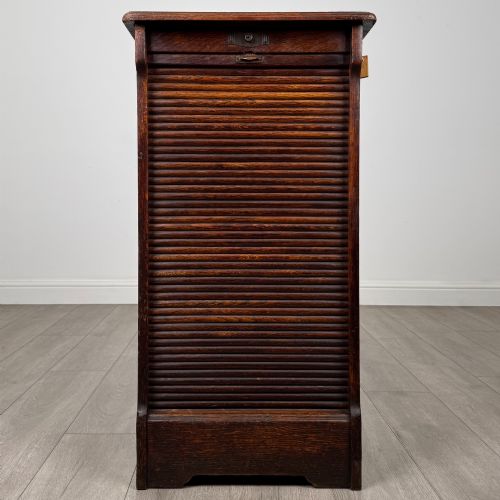
The items span the Georgian, Victorian, and Edwardian eras, with a strong showing of French cartonnier cabinets, English oak tambour units, and personal desk tidies.
Most pieces date from the nineteenth and early twentieth centuries, reflecting an era when paper records required specialised furniture and sturdy bronze or iron hardware to maintain order.
Materials and construction
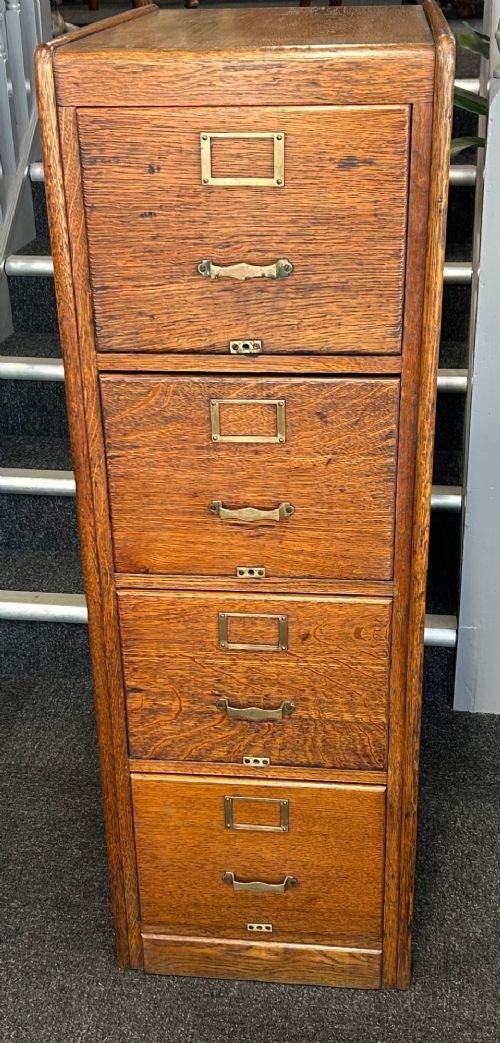
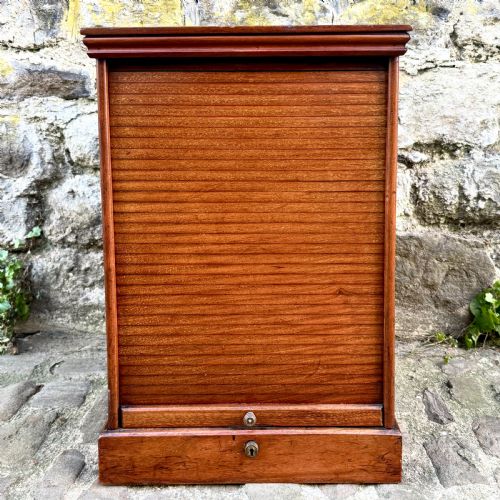
The furniture relies heavily on dense timbers such as oak, mahogany, rosewood, and walnut, frequently fitted with flexible tambour slats or banks of internal drawers.
Smaller desktop items utilise cast iron, heavy brass, and sterling silver combined with tortoiseshell, leather, and wood to create durable letter clips and desk presses.
Antique Paper Document Retail Price Guide 2026
Typical asking prices for paper document among the pieces listed under this phrase on Sellingantiques today, from the lower quarter to the upper quarter. They describe what is for sale here now, not the wider market.
Some desk tidies manage to include secret drawers alongside their paper compartments, rewarding the inquisitive owner with hidden storage.
Standards of execution
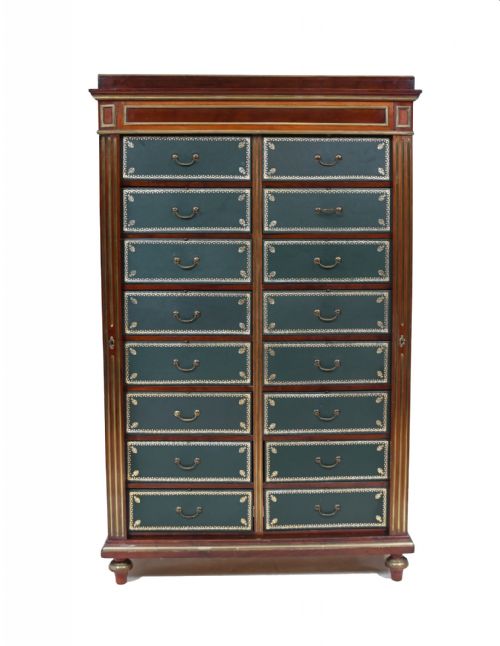
Quality reveals itself in the mechanics of sliding tambour doors, the tightness of dovetailed drawer joints, and the precision of cast or hand-chased ormolu mounts on French cartonnier cabinets.
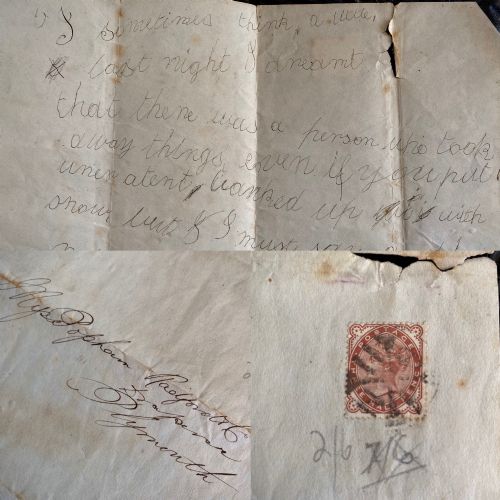
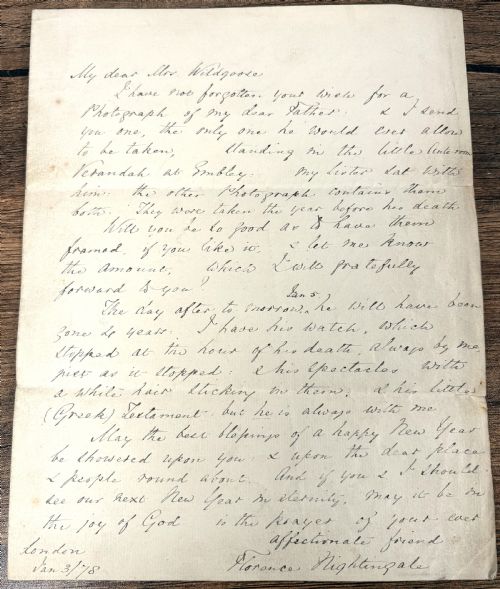
Manuscripts and documents derive their standing from clear provenance, legibility, and the significance of the signatories or historical context attached to the text.
The Antique Paper Document Glossary
- Cartonnier
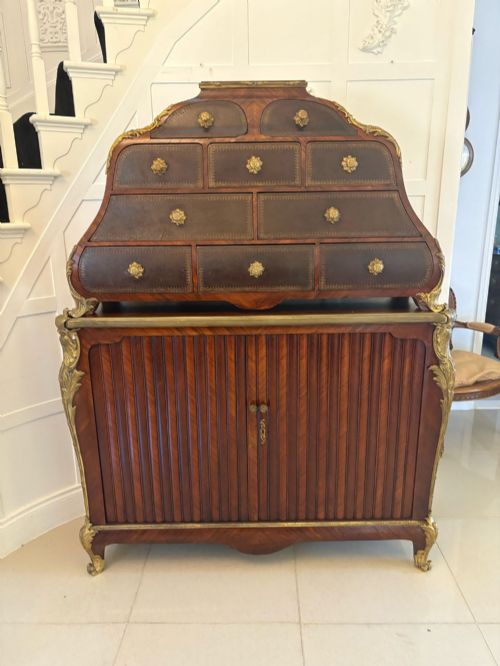
- A decorative cabinet with multiple compartments or drawers specifically designed for holding papers, documents, and files. These units often feature leather-bound drawer fronts and gilt bronze mounts.
- Tambour
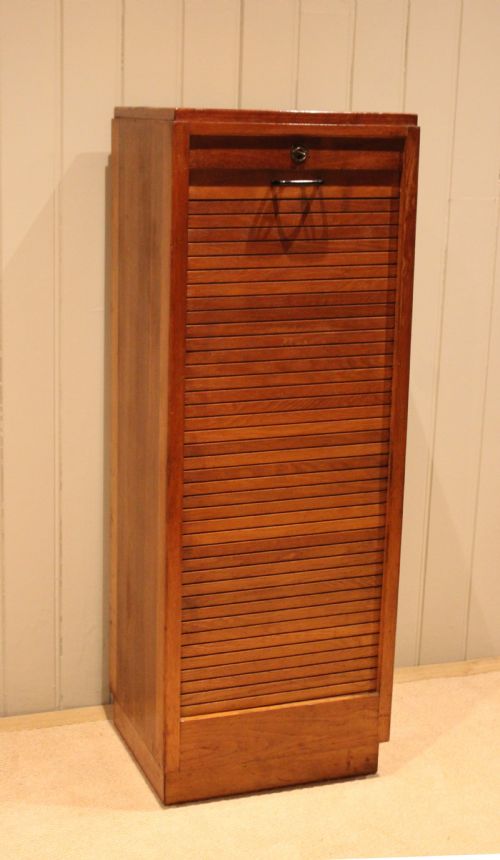
- A flexible shutter door constructed from narrow strips of wood glued to a canvas backing, allowing it to slide smoothly around a curved track on filing cabinets.
- Letter clip
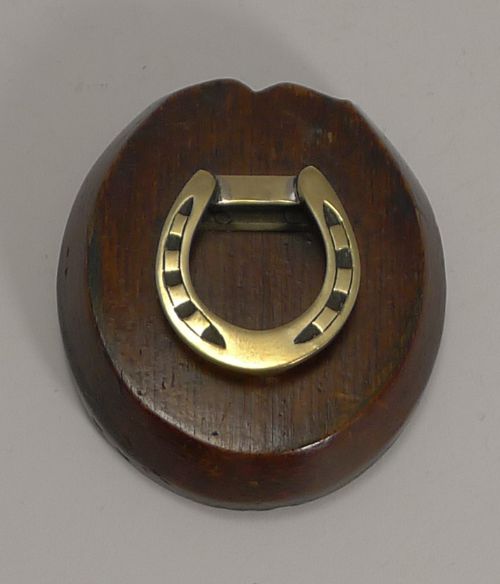
- A spring-loaded desktop or wall-mounted device made of brass or iron, utilised for securing loose papers and correspondence. Examples range from simple utilitarian designs to ornate equestrian motifs.
- Pedigree
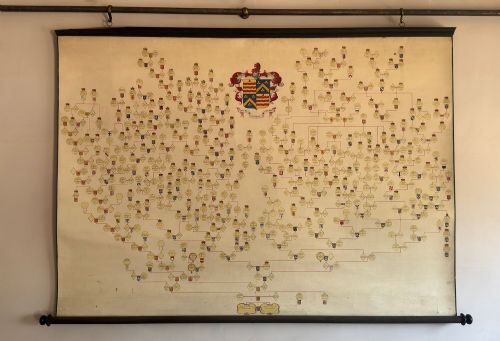
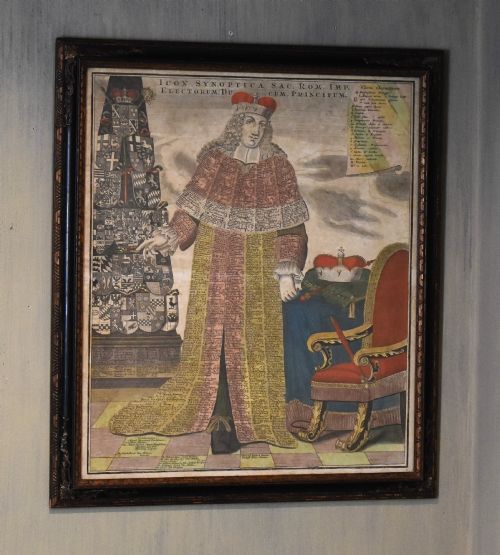
- A genealogical document detailing lineage and family descent, typically hand-drawn or printed on parchment or heavy paper during the Georgian period.
- Book press
- A heavy cast iron and bronze mechanical device operated by a screw mechanism to flatten, bind, or copy documents and books.
Antique Paper Document: Frequently Asked Questions
How do I date a wooden filing cabinet?
Dating relies on examining the timber species, construction methods like machine-cut versus hand-cut dovetails, and the presence of patent stamps or tambour slats.
Cabinets from the Edwardian period often use dark oak with slatted tambour fronts, while nineteenth-century versions lean towards rosewood, walnut, or mahogany.
What is a cartonnier used for?
A cartonnier served as an aristocratic desk accessory in French offices and libraries for sorting letters and official documents into labelled compartments.
These pieces typically incorporate leather-covered boxes or drawers housed within an ornamented cabinet framework of kingwood or mahogany.
Are brass letter clips antique?
Many brass letter clips date from the Victorian era, particularly the late nineteenth century when desktop stationery accessories became widespread.
They utilise a sprung hinge mechanism and frequently appear in decorative shapes such as horseshoes or hands.
How should I care for antique paper documents?
Documents require protection from direct sunlight, high humidity, and excessive handling to prevent the fading of ink and the degradation of fragile paper fibres.
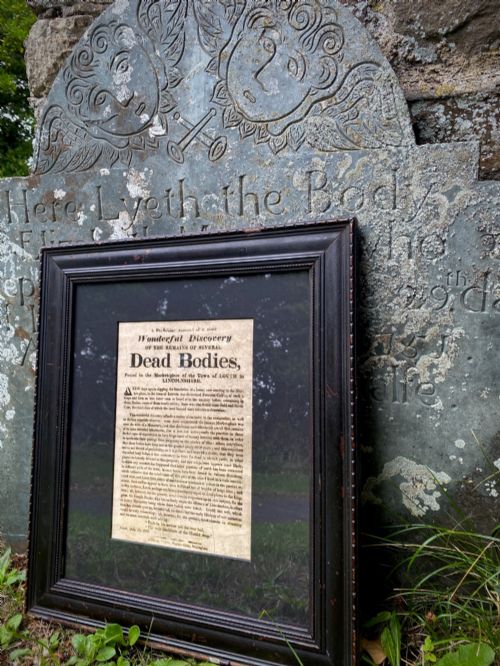
Framed items benefit from UV-filtering glass, while loose manuscripts are best stored in acid-free folders within a stable environment.