




Antique Paper Cut
An antique paper cut brings home the delicate hand-scissor work and silhouette artistry of past centuries, prized for its sharp profile and intimate detail.
Antique Paper Cut
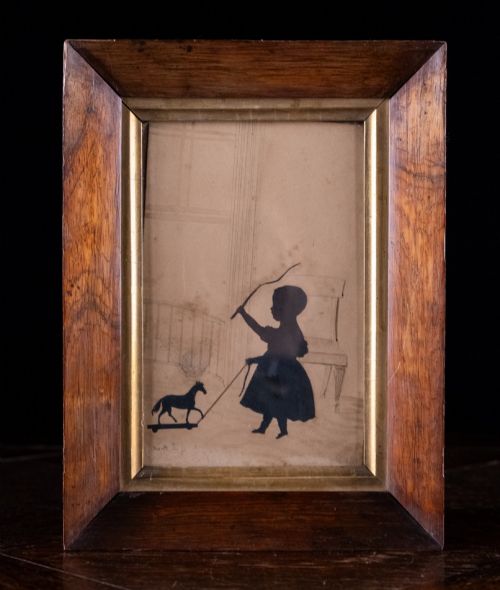
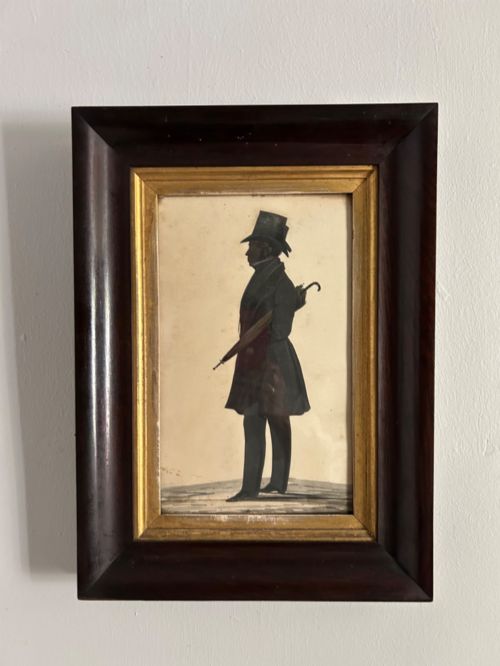
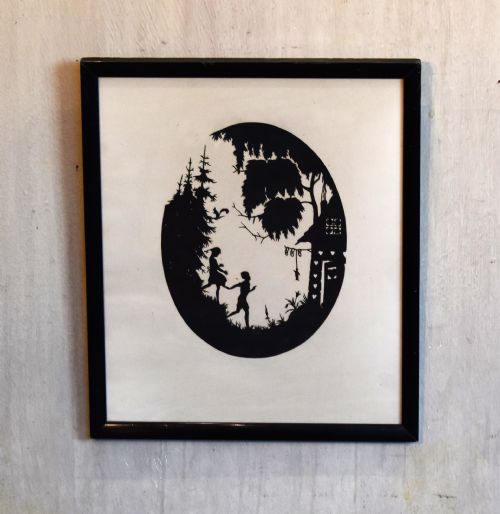
When you search for an antique paper cut, you encounter framed works spanning the eighteenth, nineteenth, and early twentieth centuries. These pieces predominantly take the form of silhouette portraits, full-length gentleman or lady depictions, and framed wall art.
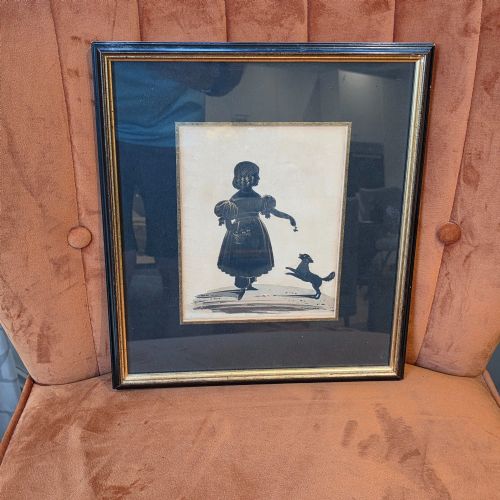
The version you are most likely to meet on this page is the nineteenth-century portrait silhouette, often framed in wood or maple with glass protection. Subjects range from solitary gentlemen and elegant ladies to children with dogs, conversation pieces, and floral cut-paper pictures.
Origins include Regency, Georgian, Victorian, and 18th-century baroque aesthetics, sometimes touching on folk art or Gothic styles. Many examples present simple black paper profiles, while others incorporate watercolor, ink, gold leaf, and gilt highlights.
Materials and construction methods
Makers shaped these works using fine paper, ink, and scissors for the primary cut-out profiles, mounting them against plain backgrounds or painting details in watercolour and pastel. Some examples add a layer of luxury through gold leaf and gilt embellishments applied to the edges or surface.
Framing played a vital role in preservation, utilising wood, maple, and ebony frames fitted with glass to protect the fragile paper medium from moisture and damage. Backings often consisted of simple boards that held the delicate collage work in place.
Antique Paper Cut Retail Price Guide 2026
Typical asking prices for paper cut among the pieces listed under this phrase on Sellingantiques today, from the lower quarter to the upper quarter. They describe what is for sale here now, not the wider market.
Watch for a dog sneaking into the frame; nineteenth-century artists frequently cut family pets alongside their masters.
Assessing quality in paper cut works
The distinction between ordinary and superior pieces rests on the dexterity of the hand-cutting and the precision of the profile lines. Well-executed works capture recognisable facial expressions, posture, and costume details without relying on excessive drawn-on ink.
Material treatment also defines the tier of a piece, separating basic cut paper from works enhanced with careful watercolour washes, gold leaf detailing, or period maple framing. The clarity of provenance, whether linked to a known gallery or artist, elevates the standing of the work.
William James Hubard·Augustin Edouart·Frederick Frith·Alfred Darbyshire·Nathaniel Bermingham
The Antique Paper Cut Glossary
- Silhouette
- A portrait or image represented as a solid shape of a single colour, usually black on a pale background, created by painting or cutting paper.
- Gilt
- Gold leaf or gold paint applied to surfaces to provide a decorative metallic sheen, frequently seen on Regency and nineteenth-century profile mounts.
- Conversation piece
- An informal group portrait, often showing family members or multiple figures interacting in a domestic setting.
- Coloured wash
- A thin layer of translucent watercolour or ink applied to paper to add colour and shadow to a cut-paper portrait.
Antique Paper Cut: Frequently Asked Questions
How do I care for an antique paper cut?
Keep the framed artwork away from direct sunlight to prevent the paper and any watercolour pigments from fading over time.
Ensure the room humidity remains stable, as moisture behind the glass can damage the fragile paper and cause foxing.
Were these always framed?
Most surviving examples spent their lives behind glass within wood, maple, or ebony frames to protect the delicate paper from handling.
Unframed pieces are exceptionally vulnerable and require immediate professional framing behind conservation-grade glass for safe display.
How can I tell a cut silhouette from a painted one?
Look closely at the edges of the profile using a magnifier to find the sharp physical edge of scissor-cut or knife-cut paper.
Painted silhouettes display brushstrokes or ink pooling at the boundaries, whereas paper cuts reveal a distinct physical layer raised from the background.
What is a Hubard Gallery silhouette?
The Hubard Gallery was a prominent establishment operating in London and America during the nineteenth century, known for producing profile portraits.
Pieces originating from this gallery often carry specific trade stamps or distinctive mounting styles that identify their commercial origin.