




Antique Paper Cut Art
Antique paper cut art brings together delicate scissor work and historical portraiture, offering collectors a direct glimpse into domestic life across the Georgian, Regency, and Victorian eras.
Antique Paper Cut Art
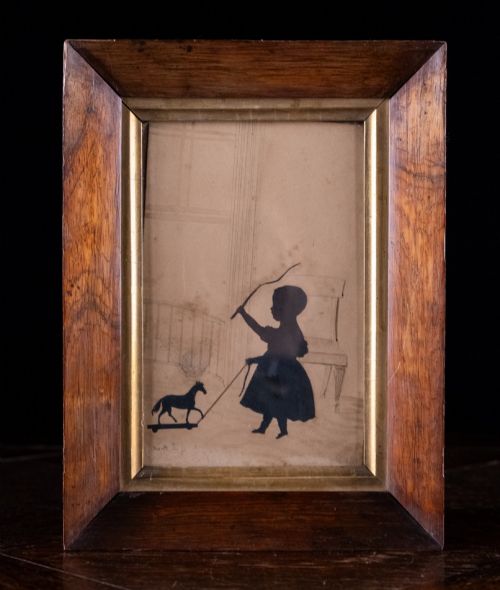
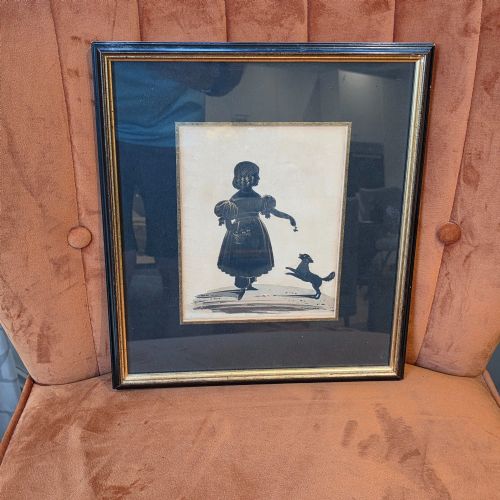
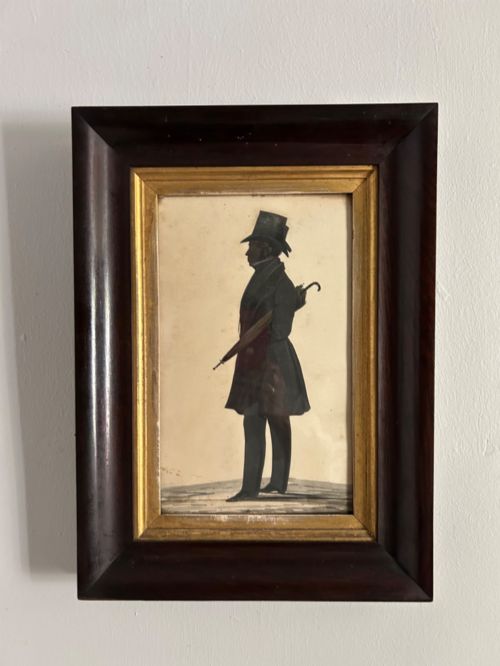
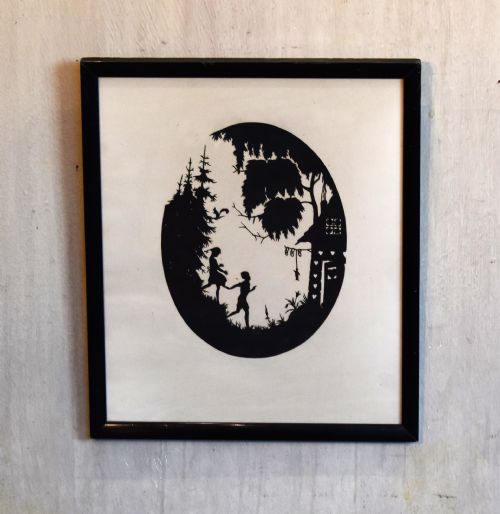
When you search for antique paper cut art, you encounter framed works dominated by silhouette portraits and cut paper compositions spanning the eighteenth, nineteenth, and early twentieth centuries. The selection here leans heavily toward nineteenth-century silhouettes depicting gentlemen, ladies, children, and family groups, alongside occasional floral studies and narrative scenes.
Alongside traditional portraiture, the category embraces folk art interpretations, decorative collage works, and early commercial advertising pieces mounted behind glass. The domestic scale of these items ensures they fit easily into period interiors or gallery walls alongside paintings and prints.
How they were made
The primary material is fine paper, manipulated with small scissors or knives to achieve crisp outlines without preliminary pencil sketches. Artisans mounted these cutouts against plain card or painted backgrounds, frequently incorporating watercolour, ink, and gold leaf to add depth to clothing and hair.
Framing played a crucial role in preservation, utilising wood such as maple and ebony, often fitted with glass and brass hangers to protect the fragile paper from moisture and dust. Backings commonly consisted of nineteenth-century card or wooden boards secured with early fixings.
Antique Paper Cut Art Retail Price Guide 2026
Typical asking prices for paper cut art among the pieces listed under this phrase on Sellingantiques today, from the lower quarter to the upper quarter. They describe what is for sale here now, not the wider market.
Listings feature 19th Century, Regency, 18th Century, Victorian, and 1880 periods in framed art forms.
What varies in quality
Quality rests primarily on the dexterity of the hand-cutting, where clean edges and accurate proportions distinguish master practitioners from amateurs. A superior piece displays subtle anatomical observation and confident lines that capture likeness and movement without hesitation.
The sophistication of the secondary medium elevates a work, such as delicate watercolour detailing on attire or applied gold leaf that catches the light. Original framing, including period maple or ebony surrounds with intact glass, preserves the integrity of the object and adds significantly to its visual weight.
William James Hubard·Augustin Edouart·Frederick Frith·Alfred Darbyshire·Nathaniel Bermingham
The Antique Paper Cut Art Glossary
- Silhouette
- A portrait profile filled in with a solid dark colour, typically black, cut from paper or painted on card. This form gained immense popularity before the advent of photography.
- Conversation piece
- An informal group portrait depicting family members or associates engaged in a common activity, rendered here in cut paper or silhouette. These compositions offer intimate records of past social interactions.
- Gilt
- A thin application of gold leaf or gold paint used to accentuate details such as buttons, jewellery, or lace on a silhouette portrait. It provides a striking contrast against the dark cut paper.
- Regency
- An English stylistic period spanning the early nineteenth century, characterised by classical elegance and refined decorative arts. Silhouettes from this era often feature distinctive hairstyles and headwear such as turban caps.
Antique Paper Cut Art: Frequently Asked Questions
What is antique paper cut art?
Antique paper cut art comprises hand-cut silhouettes, profiles, and decorative compositions created from paper during the eighteenth and nineteenth centuries.
These works were framed behind glass to protect the delicate medium and served as portable likenesses before photography became widespread.
How do I date a silhouette?
Dating relies heavily on clothing styles, hairstyles, and framing materials characteristic of Georgian, Regency, or Victorian fashions.
Signatures, stamps from galleries like the Hubard Gallery, or manuscript dates on the reverse also provide precise chronological markers.
Where should I hang these pieces?
These framed artworks suit studies, hallways, or gallery walls where lighting can be controlled to prevent fading.
Keeping them away from direct sunlight preserves the fragile paper and any applied watercolour or gold leaf highlights.
What subjects are most common?
Individual portraits of gentlemen and ladies dominate the category, alongside children and family groups accompanied by pets.
Less frequent examples include floral studies, narrative scenes, and folk art collages depicting everyday activities.