



Antique Paper Box
An antique paper box brings delicate craftsmanship and history to a desk, holding letters or trinkets with quiet elegance.
Antique Paper Box
These items originate primarily across the eighteenth and nineteenth centuries, reflecting the domestic habits and desk organisation of Georgian and Victorian households. French and English examples dominate, showing a distinct preference for decorative utility in everyday stationery and storage.
Materials and construction
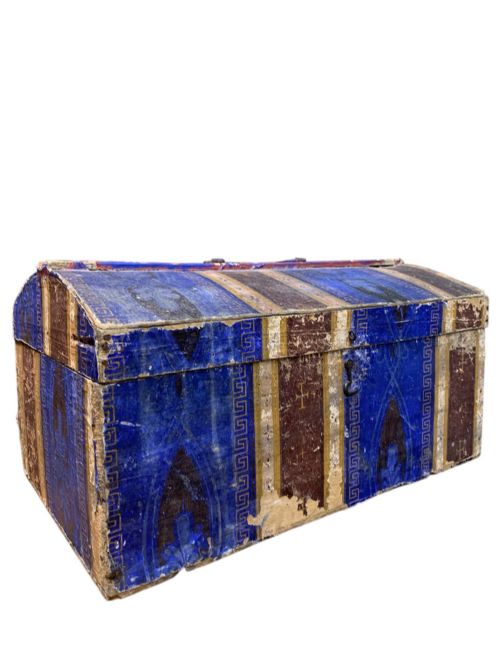
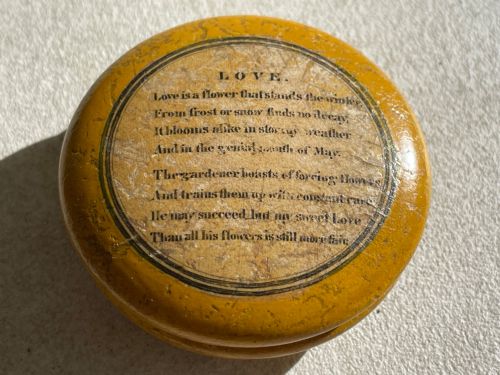
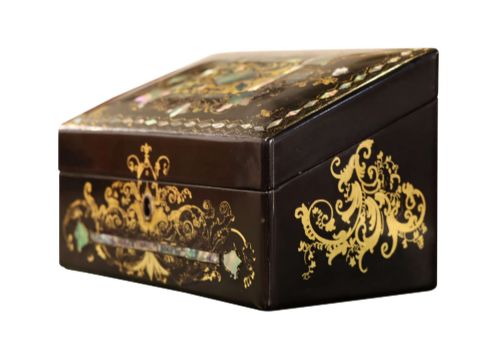
Maker construction relies heavily on paper, papier-mâché, and card, often reinforced with wood carcasses or leather elements. Surface decoration includes painted finishes, paper scrollwork, and gilded details.
Structural integrity depends on the quality of the card or papier-mâché base, with many pieces featuring internal divisions, velvet or silk linings, and brass hinges or clasps for daily use.
Antique Paper Box Retail Price Guide 2026
Typical asking prices for paper box among the pieces listed under this phrase on Sellingantiques today, from the lower quarter to the upper quarter. They describe what is for sale here now, not the wider market.
A nineteenth-century French theatre scene diorama captures dramatic flair inside a box, proving that stationary storage could double as a stage.
Evaluating craftsmanship and condition
Quality separates through the crispness of moulded papier-mâché, the intricacy of paper scrollwork, and the preservation of original painted or gilded surfaces. Superior examples retain their structural rigidity without warping in the paper walls.
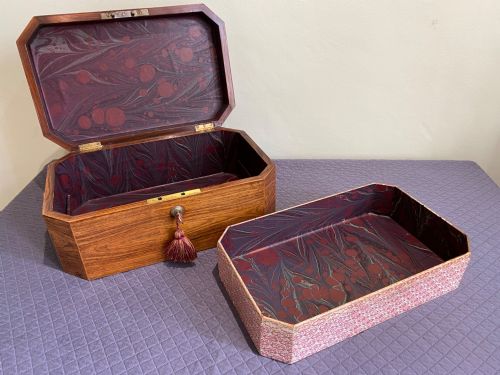
Interior fittings, such as intact silk linings and working brass hardware, elevate a piece. The presence of specialised forms like devotional glass figures or compartmentalized stationery trays indicates higher workshop ambition.
Victor Raulin
The Antique Paper Box Glossary
- Papier-mâché
- A composite material consisting of paper pieces or pulp, sometimes reinforced with glue, bound or paper layers that are moulded and painted when dry. It provides a smooth, durable surface for Victorian desk accessories and letter pockets.
- Cartonnier
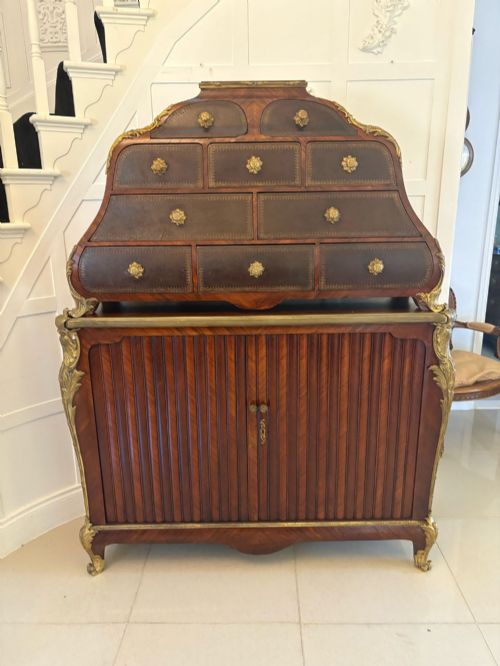
- A piece of furniture or desktop cabinet fitted with tiers of cardboard or paper boxes designed for sorting documents. These tall filing structures appear in important nineteenth-century French library interiors.
- Tea caddy
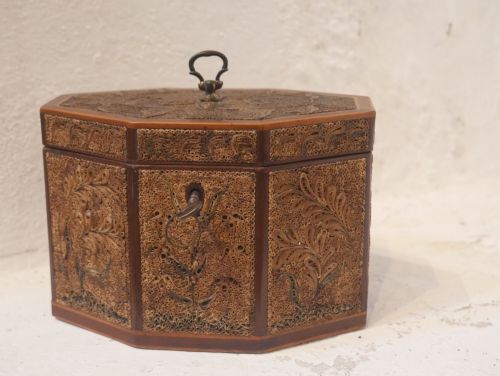
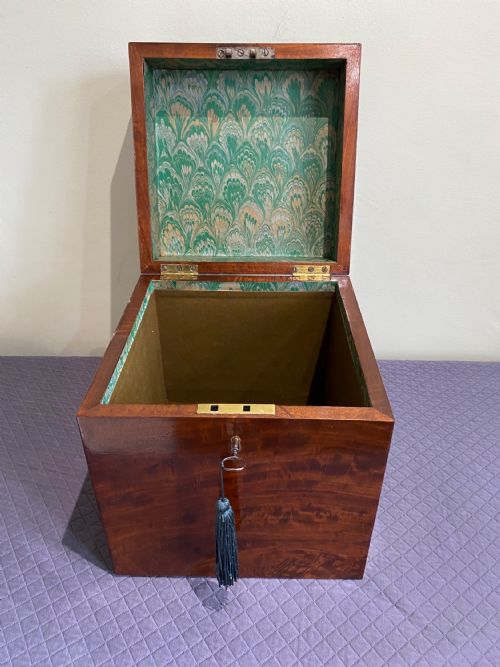
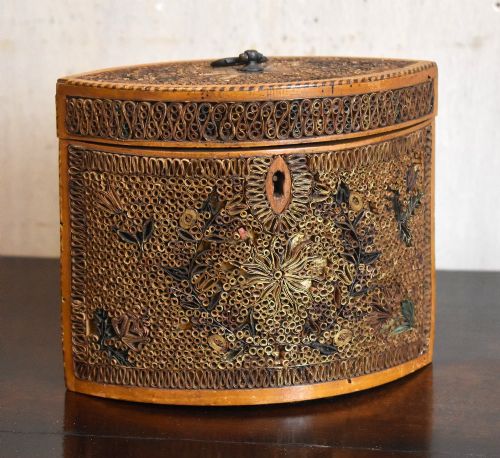
- A box or container used to store tea leaves, often featuring internal compartments and lockable lids. Georgian examples incorporate delicate paper scrollwork across their surfaces.
- Shadow box
- A deep, glass-fronted picture frame or box used to display objects in three dimensions. Devotional examples house fragile glass figures and religious scenes.
- Dragee box
- A small container originally intended to hold sugar-coated almond sweets given as gifts during French social occasions. These boxes showcase fine early nineteenth-century paper and card construction.
Antique Paper Box: Frequently Asked Questions
What is a papier-mâché letter pocket?
A papier-mâché letter pocket is a wall-mounted storage container moulded from paper pulp and glue, designed to hold incoming mail in nineteenth-century homes.
These pieces feature painted or lacquered surfaces and hang flat against a wall, keeping desks clear of clutter.
How were antique paper boxes used?
Antique paper boxes served various domestic functions, from holding confectionery like dragees to storing correspondence, stamps, and writing paper on desks.
Their owners were typically middle and upper-class families who required organised stationery for daily letter-writing and household administration.
How do I care for an antique paper box?
Keep antique paper boxes away from direct sunlight and damp environments to prevent the paper, glue, and card from warping or fading. Dust gently with a dry, soft brush rather than using liquid cleaning products.
Handling them with clean hands preserves the delicate painted finishes and nineteenth-century materials.
What is paper scrollwork on a tea caddy?
Paper scrollwork, also known as quilling, involves rolling, shaping, and gluing narrow strips of paper together to create intricate decorative patterns on wooden or card boxes.
Georgian craftsmen utilised this technique to adorn tea caddies with geometric and floral designs before varnishing them for durability.