



Antique Panelled Headboard
An antique panelled headboard brings deep timber grain and historic joinery straight to the bedroom wall, anchoring the space with traditional craftsmanship.
Antique Panelled Headboard
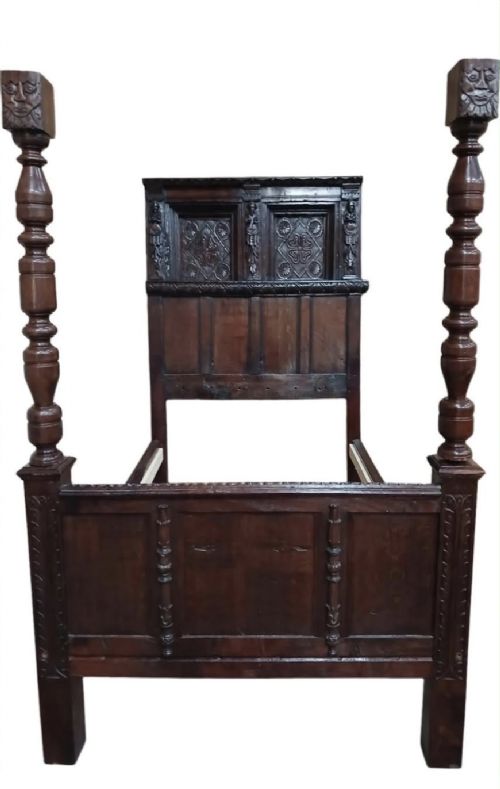
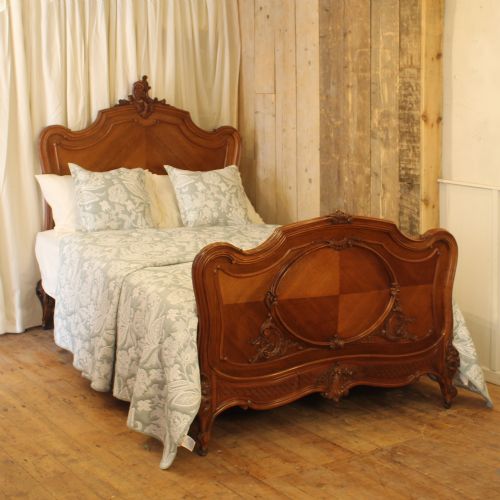
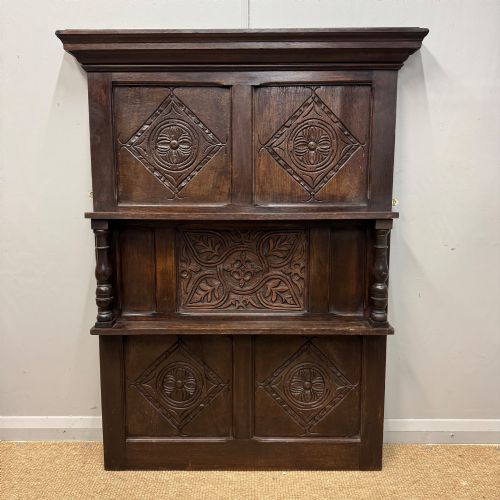
An antique panelled headboard offers a substantial architectural anchor for a sleeping space, drawing on centuries of cabinet-making traditions. Buyers seeking an antique panelled headboard encounter substantial timber constructions originating from periods including the seventeenth century, Victorian era, and Edwardian decades.
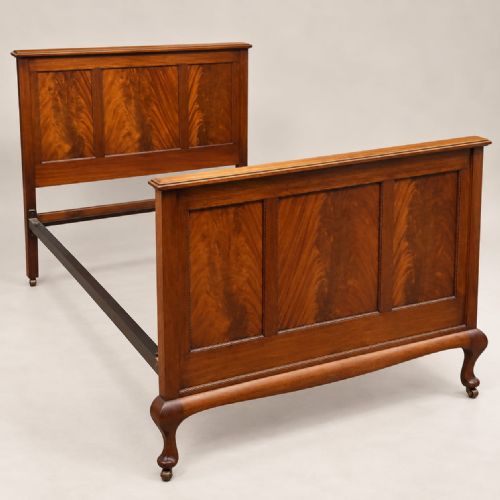
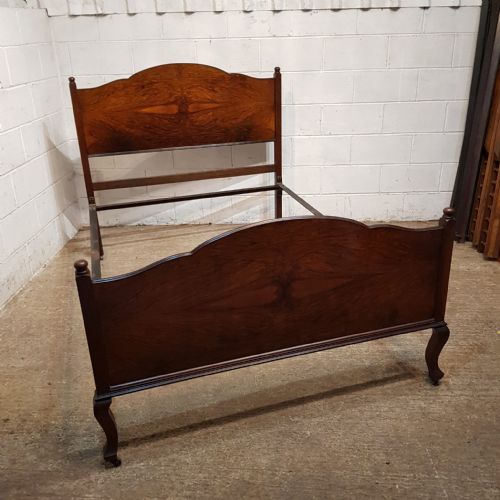
The selections available range from solid oak seventeenth-century architectural elements and overmantel panels adapted for beds to later mahogany, walnut, and satinwood bedsteads. Many examples reflect specific historical revivals such as Jacobean, French Rococo, and Arts and Crafts designs.
While complete bedframes and four-poster testers dominate the records, individual wall panels and bedheads also appear. This variety allows collectors to integrate historic joinery into modern interior layouts without committing to an entire antique bed frame.
How they were made
Cabinet-makers relied primarily on solid hardwoods such as oak, walnut, and mahogany, frequently enhancing surfaces with burr veneers, fruitwood inlay, or hand-painted leather inserts. Timber selection dictated the structural stability and visual depth of each panel.
Traditional joinery techniques involved framed-and-panelled construction, allowing the wood to expand and contract naturally with seasonal humidity changes without splitting. Carving, whether geometric Jacobean strapwork or flowing floral motifs, was executed entirely by hand.
Antique Panelled Headboard Retail Price Guide 2026
Typical asking prices for panelled headboard among the pieces listed under this phrase on Sellingantiques today, from the lower quarter to the upper quarter. They describe what is for sale here now, not the wider market.
Some headboards began life keeping draughts away from seventeenth-century sleepers before finding a second career as decorative overmantels.
What varies in quality
The integrity of the timber and the crispness of the hand-carving distinguish standard production pieces from exceptional examples. Depth of relief in carved panels and the choice of richly figured burr walnut or quarter-sawn oak elevate certain items significantly.
Proportion and authenticity of the period joinery also determine the standing of a piece. Original construction methods, such as pegged mortise and tenon joints, demonstrate superior workshop standards compared to later alterations or assembled elements.
The Antique Panelled Headboard Glossary
- Bergere
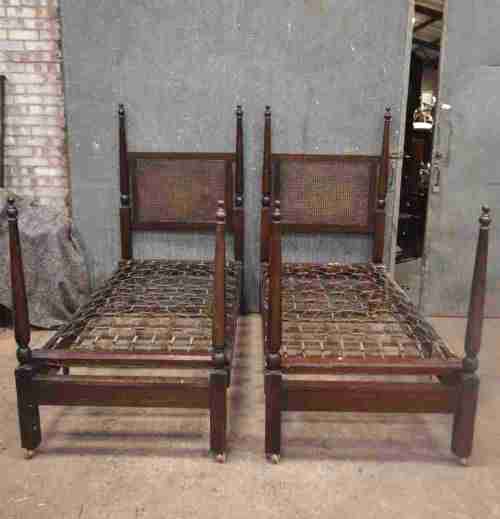
- A type of enclosed upholstered armchair or bed component featuring cane work panels. This technique appears in lighter Edwardian frames.
- Overmantel
- A decorative architectural panel or mirror frame designed to sit above a fireplace. These frequently share the joinery style and dimensions of antique headboards.
- Strapwork
- A carved decorative motif resembling interwoven bands or leather straps. It is commonly found on seventeenth-century oak panels.
Antique Panelled Headboard: Frequently Asked Questions
How do I mount a panel headboard?
Many panel headboards are designed as part of complete bedsteads or four-poster frames rather than standalone wall-hanging units. Adapting an architectural panel or the head section of an antique bed requires secure wall fixings or custom brackets.
Consulting a professional joiner ensures the heavy timber frame is safely anchored to the wall structure without damaging the historic wood or risking stability.
Are these headboards suitable for modern beds?
Historic bedframes and panel headboards often conform to older sizing standards which differ significantly from contemporary mattress dimensions. Buyers frequently need custom side rails or discreet adapter brackets to fit modern bases.
Reviewing the exact measurements listed for width and fixing points helps determine whether modification is necessary before installation in a modern bedroom.
How do I care for antique oak panels?
Historic hardwoods require consistent indoor humidity levels to prevent the timber from drying out or splitting over time. Avoid placing wooden headboards near direct heat sources or in strong sunlight.
Applying a traditional beeswax polish occasionally helps nourish the grain and maintain the natural lustre of the vintage finish without sealing the wood.
How do I identify a seventeenth-century panel?
Seventeenth-century panels typically display heavy oak construction with visible tool marks, pegged joinery, and deep hand-carved geometric or floral motifs. The timber develops a deep, dark patina over centuries of exposure.
Comparing the construction methods and wood ageing characteristics to documented pieces from the same era helps confirm the period of origin.