



Antique Panelled Bookcase
An antique panelled bookcase brings timber grain and fitted shelving together, holding volumes behind solid timber or glazed doors.
Antique Panelled Bookcase
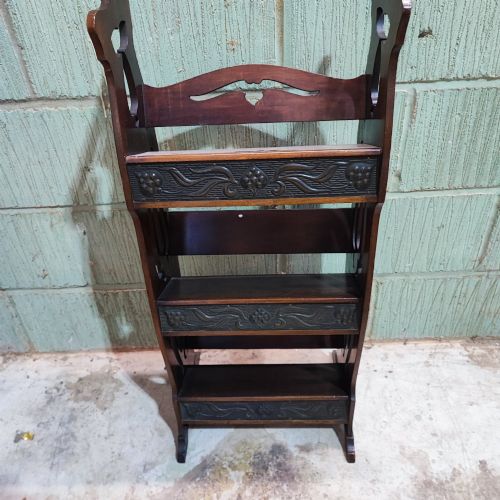
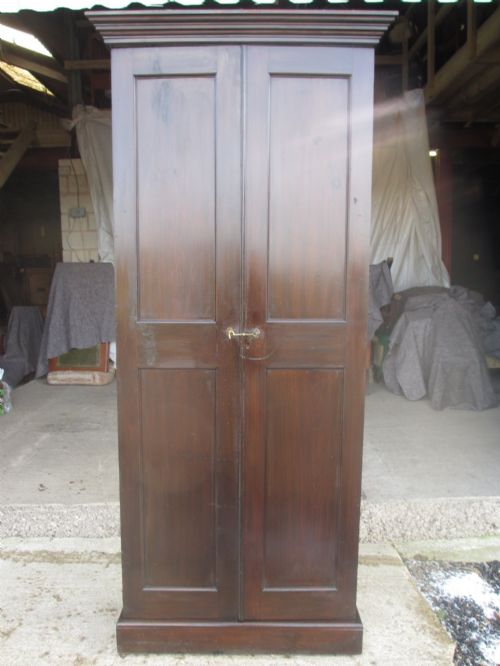
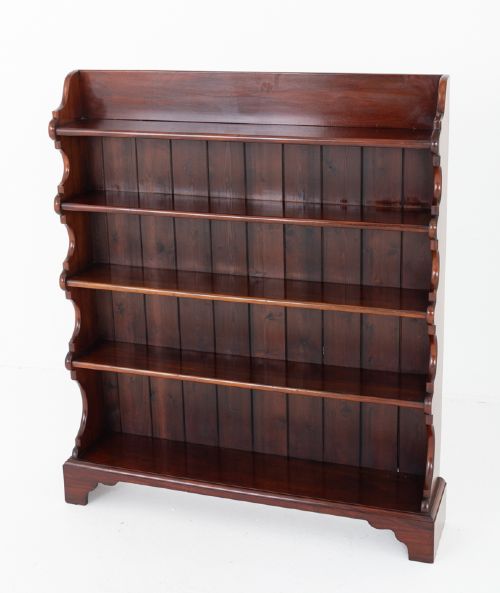
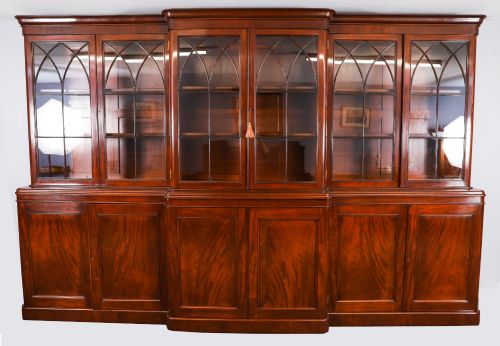
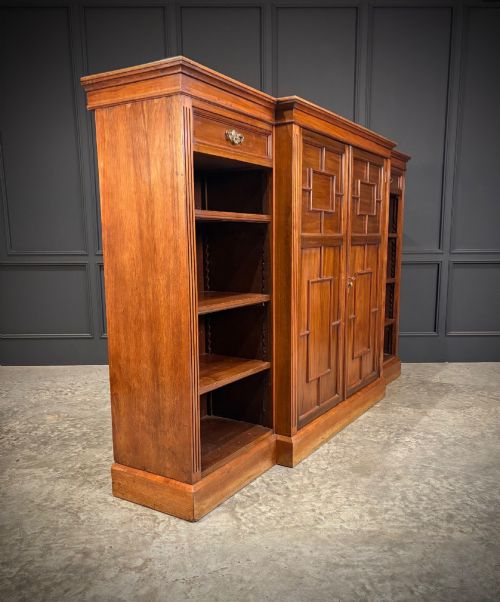
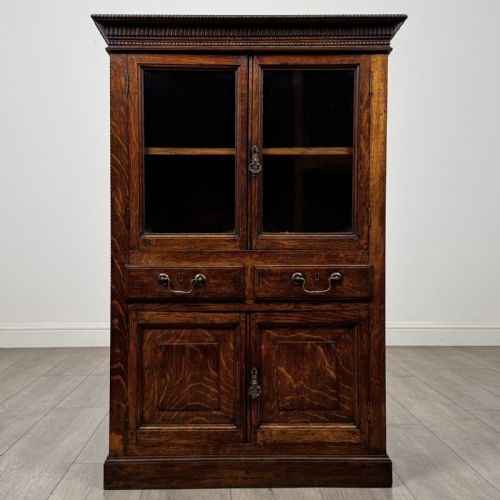
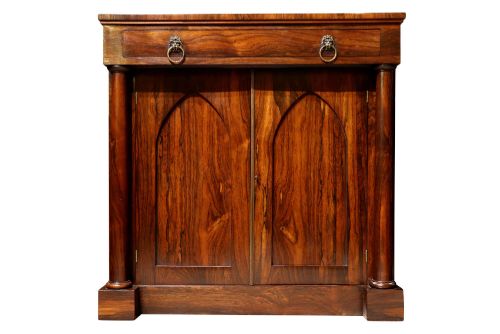
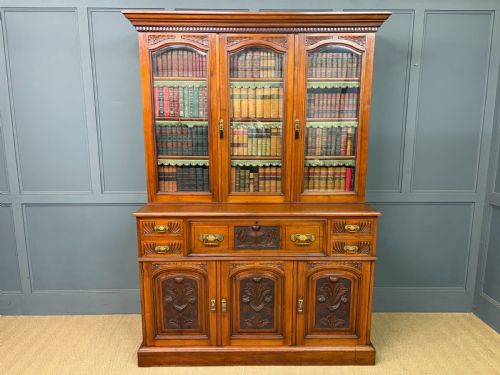
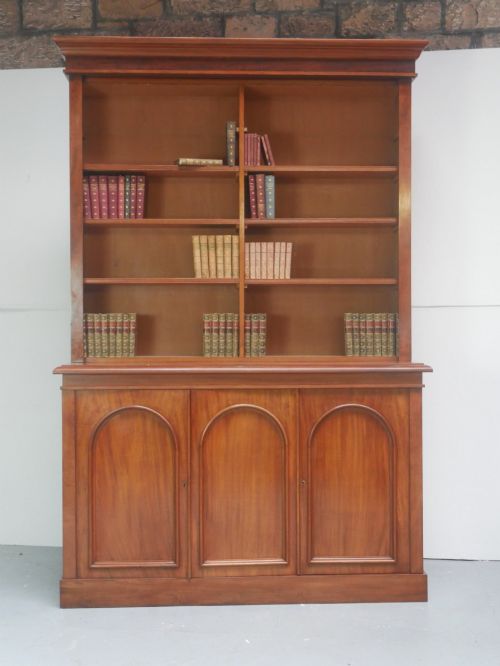
An antique panelled bookcase combines upright shelving for volumes with timber panels set into doors or sides. These pieces appear across Georgian, Victorian, Edwardian, and Regency periods, executed in oak, mahogany, and rosewood.
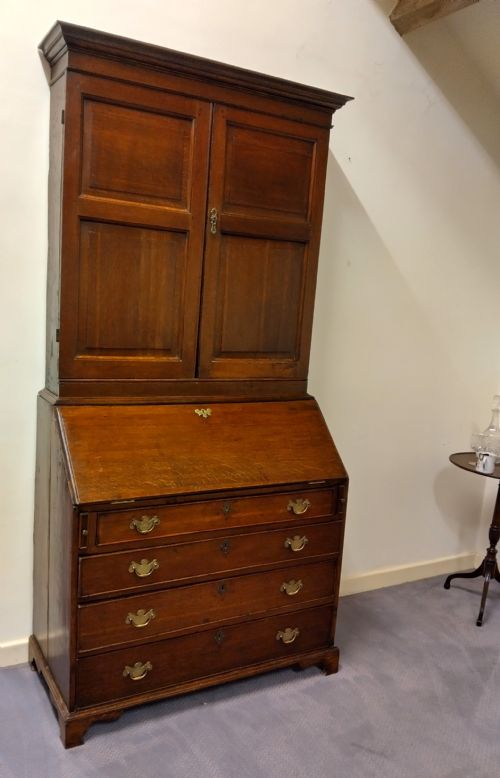
The form stretches from bureau bookcases with drop fronts to tall library cabinets and low side cabinets with enclosed lower storage. Buyers encounter many Victorian and Edwardian examples alongside earlier Georgian and 1920s pieces.
Materials and construction methods
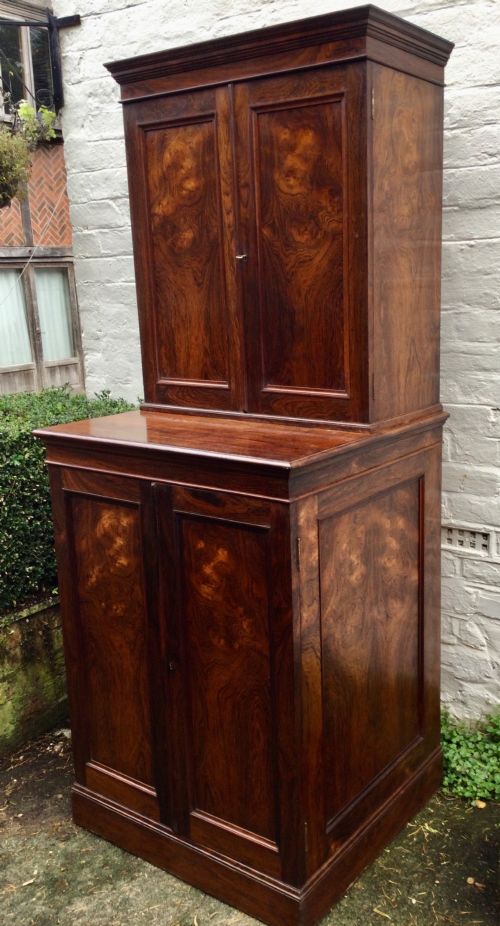
Cabinet makers built these bookcases predominantly in oak and mahogany, with occasional use of rosewood, walnut, satinwood, and kingwood. Timber panels were framed and panelled to accommodate seasonal wood movement without splitting.
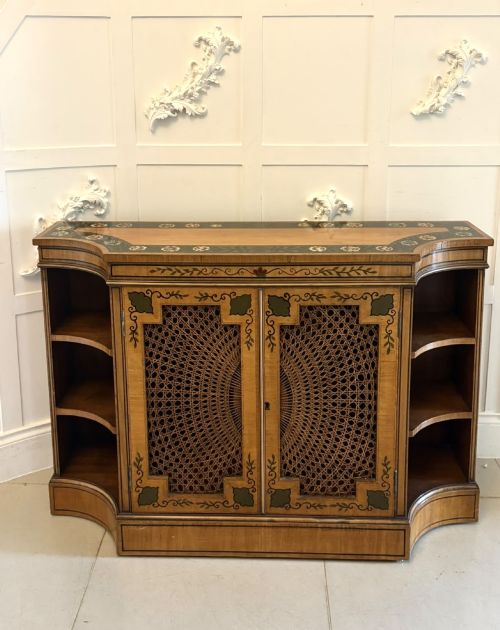
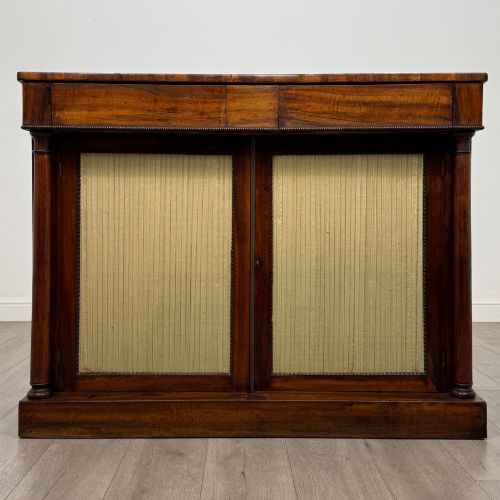
Secondary details include brass mounts, glass panes, fabric panels, and ormolu mounts, paired with hand-painted or marquetry panels on select French vitrines and cabinets. Construction relied on traditional joinery techniques to secure heavy shelves and cornices.
Antique Panelled Bookcase Retail Price Guide 2026
Typical asking prices for panelled bookcase among the pieces listed under this phrase on Sellingantiques today, from the lower quarter to the upper quarter. They describe what is for sale here now, not the wider market.
Listings feature eight distinct timber and metal materials, ranging from traditional oak and mahogany to glass, brass, iron, fabric, rosewood, and walnut.
Distinctions in construction and design
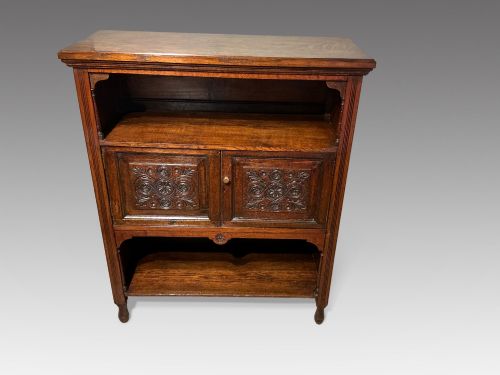
The choice of primary timber and the complexity of the cabinetry distinguish pieces across the range. Finer examples display figured mahogany or quarter-sawn oak paired with intricate carved panels, dentil cornices, or specialised brass and silk panel inserts.
Proportion and execution of revival styles, from Gothic Revival to Jacobean Revival, determine the visual weight and presence of the furniture. Structural integrity of the fitted shelving and smooth operation of panelled doors separate standard storage from superior cabinet work.
The Antique Panelled Bookcase Glossary
- Panelled door
- A door constructed with a central raised or flat wooden panel fitted within a sturdy outer frame. This traditional method prevents warping as the wood responds to changes in humidity.
- Bureau bookcase
- A cabinet combining a sloping writing flap that opens to reveal internal compartments above standard book storage or drawers. These dual-purpose pieces date across the Georgian and later periods.
- Dentil cornice
- A decorative horizontal moulding featuring a series of small, evenly spaced rectangular blocks that resemble teeth. This classical architectural detail crowns the top of formal bookcases.
- Chiffonier
- A compact sideboard or low cabinet typically fitted with enclosed cupboards below and sometimes featuring pleated fabric or panelled doors. Regency and Victorian makers frequently produced these for drawing rooms.
- Secretaire
- A desk variant incorporating a fitted writing drawer with a pull-down front, often built into the upper section of a bookcase. It offers hidden pigeonholes and small drawers alongside open shelving.
Antique Panelled Bookcase: Frequently Asked Questions
What periods do these bookcases span?
The pieces range from 18th-century Georgian and Regency examples to Victorian, Edwardian, and 1920s revivals. Each era brings distinct proportions and decorative treatments to the traditional bookcase form.
Buyers will also find regional variations including French provincial designs and Anglo-Indian rosewood pieces alongside standard English cabinet work.
How were panelled bookcases used historically?
They served primarily to store, protect, and display bound volumes in libraries, studies, and drawing rooms. The lower panelled or glazed cupboards provided secure storage for documents and larger folios.
Many designs incorporated bureau flaps or secretaire drawers, allowing the cabinet to function as a writing desk as well as a bookcase.
Are the shelves adjustable on older bookcases?
Many early bookcases feature fixed shelving integrated directly into the structural partitions of the interior. Later Victorian and Edwardian examples often introduced adjustable shelf supports using wooden racks or metal pegs.
Buyers should inspect the interior uprights to see whether the shelf height can be altered for different volume sizes.
How do I care for antique timber furniture?
Keep wooden bookcases away from direct heat sources and rapid temperature fluctuations to prevent the timber and panels from drying out. Regular application of suitable wax helps maintain the lustre of mahogany, oak, and rosewood surfaces.
Avoid excessive moisture during cleaning and protect the glass and brass mounts from abrasive cleaning agents.