

Antique Panel Seat Chair
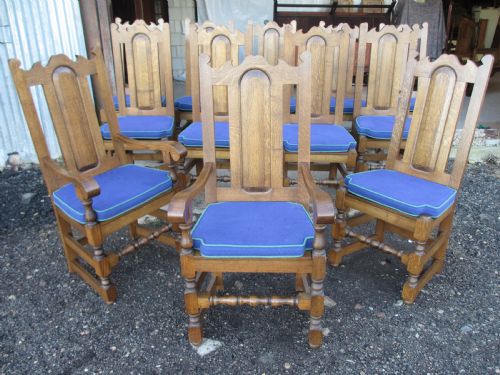
An antique panel seat chair brings the solid presence of 17th-century oak and later revivals directly into a modern hallway or dining room.
Antique Panel Seat Chair
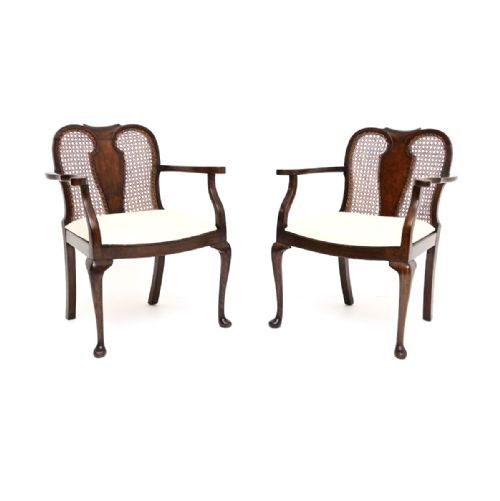
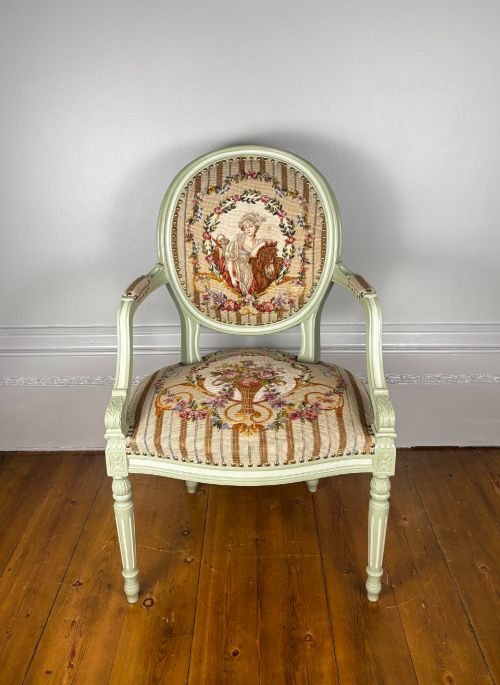
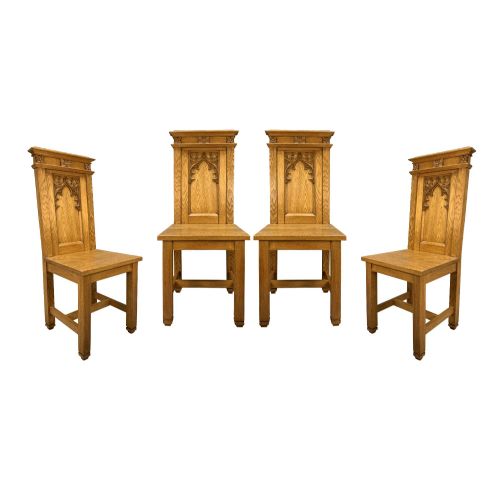
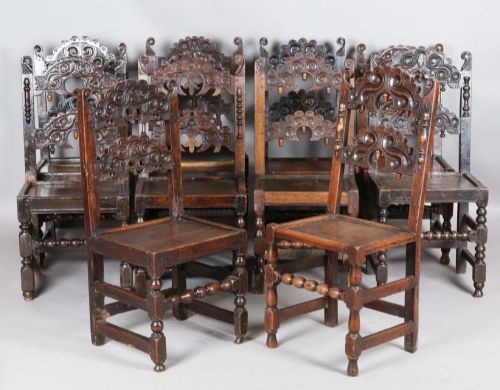
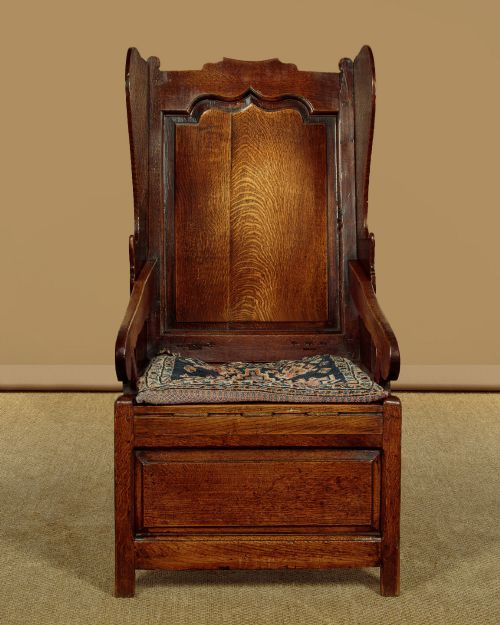
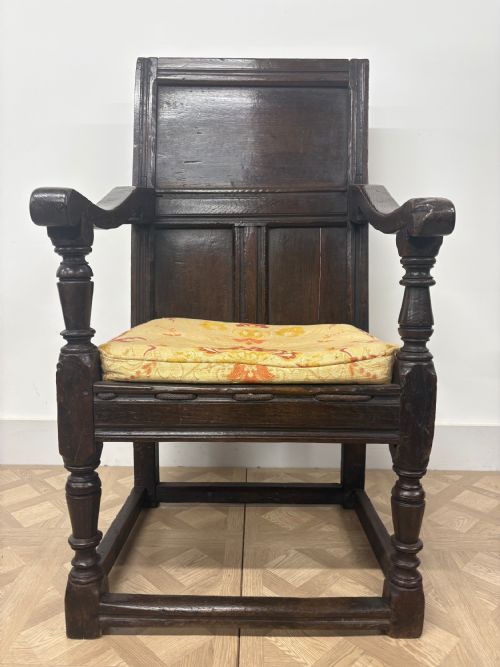
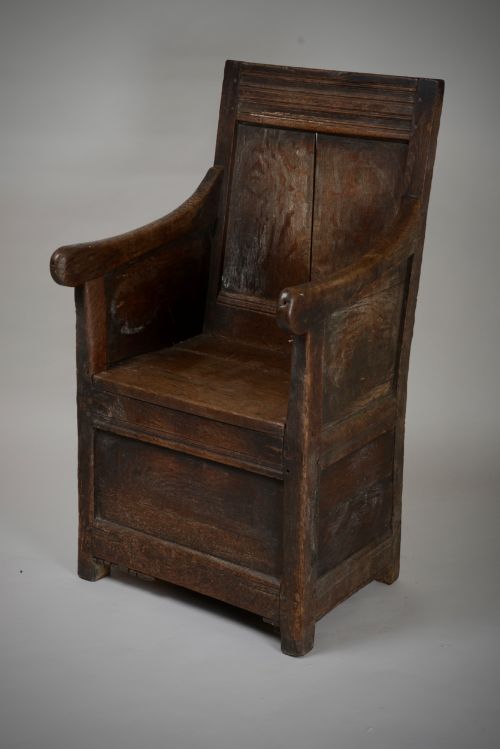
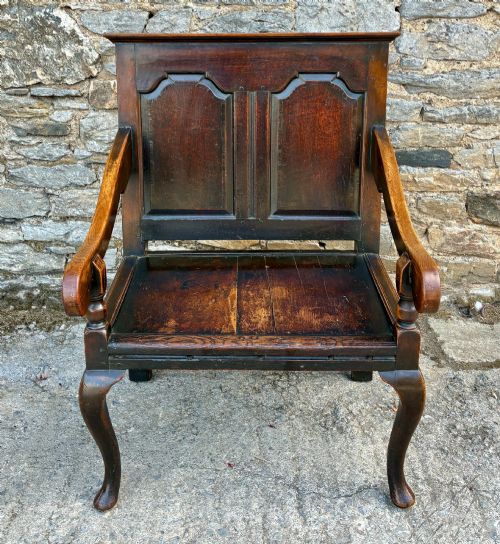
An antique panel seat chair encompasses rigid wainscot armchairs, sturdy hall benches, and upright dining chairs originating across the seventeenth, eighteenth, and nineteenth centuries. Buyers frequently encounter oak wainscot examples alongside later Victorian Jacobean revival pieces and mahogany hall seats.
Forms range from enclosed box chairs and settles to side chairs and armchairs featuring solid wooden panels rather than upholstered or caned seats. These seating options often derive from English, Scottish, and regional workshops, maintaining a heavy architectural stance.
Materials and construction
Makers relied primarily on native hardwood, specifically English oak, shaped through traditional joinery with pegged mortise and tenon frames. Later nineteenth-century iterations incorporate mahogany, walnut, and painted pine alongside decorative elements like brass, leather, and fabric panels.
Surface ornamentation on these pieces relies on carved details, tulip motifs, and occasional mashrabiya panels rather than complex chemical finishes. The heavy panel seat construction requires seasoned timber to withstand centuries of movement without splitting the primary board.
Antique Panel Seat Chair Retail Price Guide 2026
Typical asking prices for panel seat chair among the pieces listed under this phrase on Sellingantiques today, from the lower quarter to the upper quarter. They describe what is for sale here now, not the wider market.
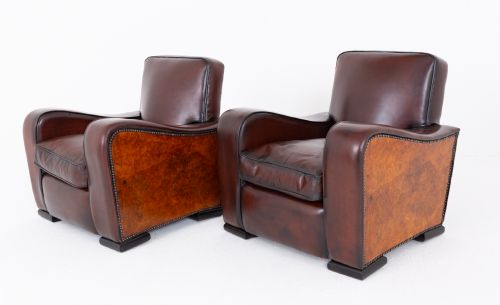
The listings span multiple centuries, ranging from 16th-century Elizabethan box chairs to 1930s Art Deco club chairs.
Judging construction and age
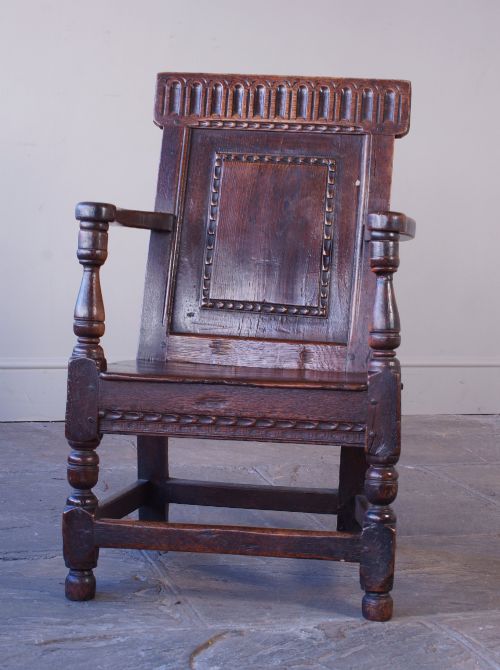
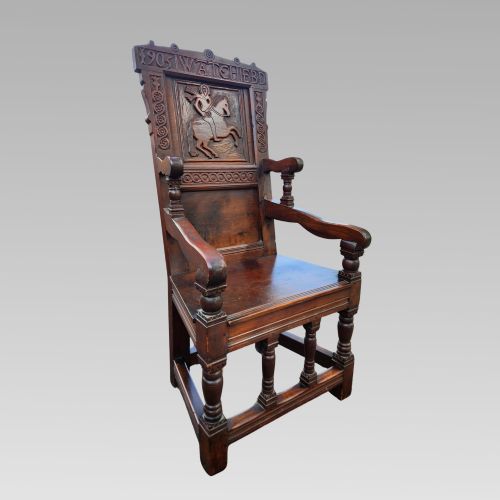
Quality rests upon the integrity of the original timber and the depth of the hand-carved detail found on the back panels and crest rails. Pieces retaining their early joined frames without extensive timber replacement stand firmly above heavily restored equivalents.
The crispness of the original tool marks and the harmonious proportion of the arms to the solid seat dictate the visual success of the piece. Proportion and structural honesty separate straightforward regional seating from later over-ornamented revivals.
Bruce J. Talbert·Liberty and Co
The Antique Panel Seat Chair Glossary
- Wainscot chair
- A heavy wooden armchair from the seventeenth century constructed with panelled backs and solid wooden seats. These early forms often occupied the head of a communal table.
- Settle
- A wooden bench featuring a high solid back, panelled seat, and enclosed sides to block draughts. They frequently include box storage beneath the seating plank.
- Bergère
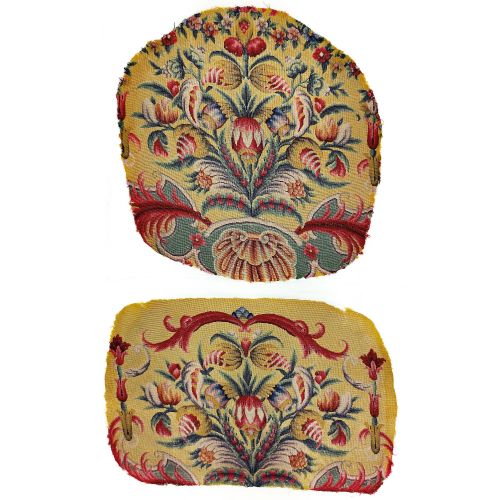
- An enclosed upholstered armchair with wooden framing popular during the eighteenth and nineteenth centuries. The style often incorporates cane work or needlepoint panels.
- Mashrabiya
- An architectural wooden screen made from turned pieces joined into geometric lattices. Such panels occasionally appear integrated into late nineteenth-century seating furniture.
Antique Panel Seat Chair: Frequently Asked Questions
What is an antique panel seat chair?
An antique panel seat chair is a rigid wooden seat, most commonly fashioned from oak during the seventeenth century or revived in later periods, featuring a solid wooden plank for sitting.
These pieces typically display carved wooden backs, armrests, and sturdy post-and-rail construction designed for durability rather than soft cushioning.
How were panel seat chairs used historically?
Historically, solid wooden chairs served as primary seating for heads of households or honoured guests in great halls before smaller dining chairs became common.
Over subsequent centuries, similar heavy chairs and settles moved into hallways, parlours, and window alcoves to provide sturdy, draught-resistant seating.
How do I care for an oak panel seat chair?
Care involves keeping the solid timber away from direct heat sources and sudden humidity shifts to prevent the dry wood from cracking.
Applying a traditional beeswax polish occasionally helps nourish the antique oak surface without building up synthetic residues.
How can I tell a 17th-century chair from a later revival?
Seventeenth-century originals display hand-carved joinery, pegged framing, and distinct tool marks consistent with early period hand tools and timber shrinkage.
Revival pieces from the Victorian era often show machine-sawn components, standardised dimensions, and stylistic borrowings from earlier centuries.