

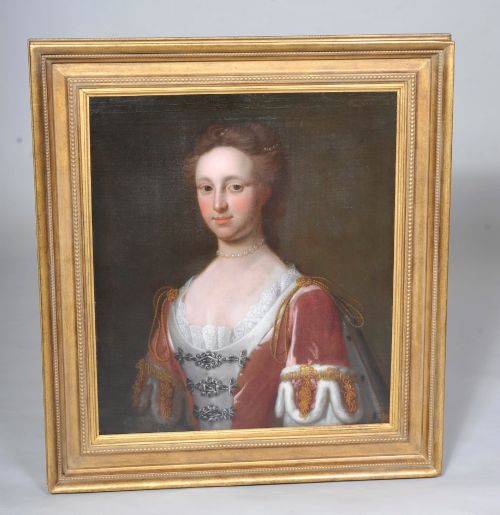
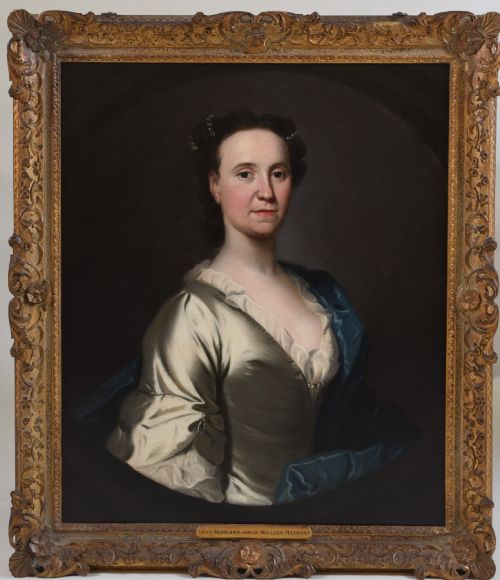
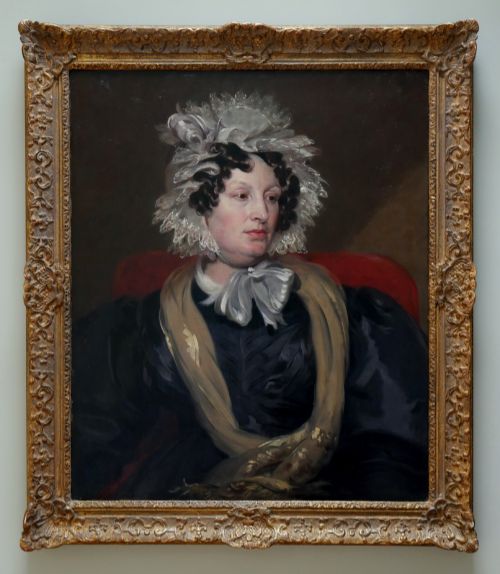
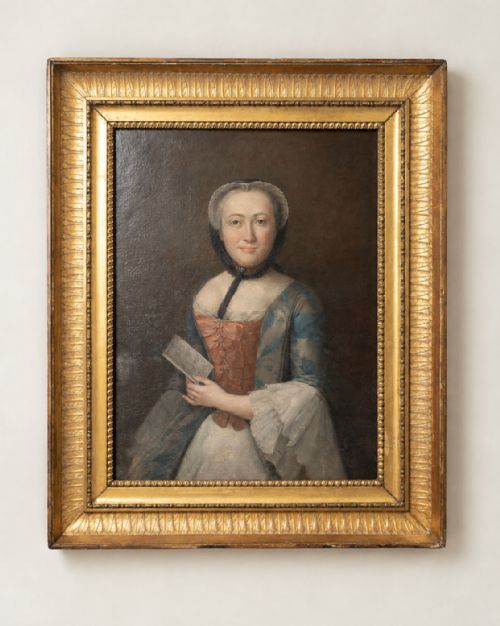
Antique Painting of Lady
When you search for an antique painting of lady, you encounter centuries of portraiture on canvas, panel and paper capturing individual identity with enduring skill.
Antique Painting of Lady
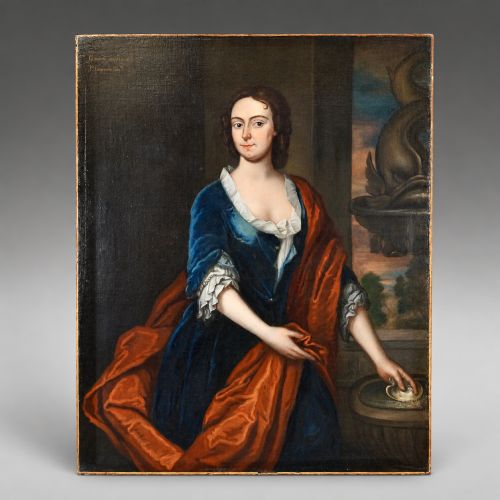
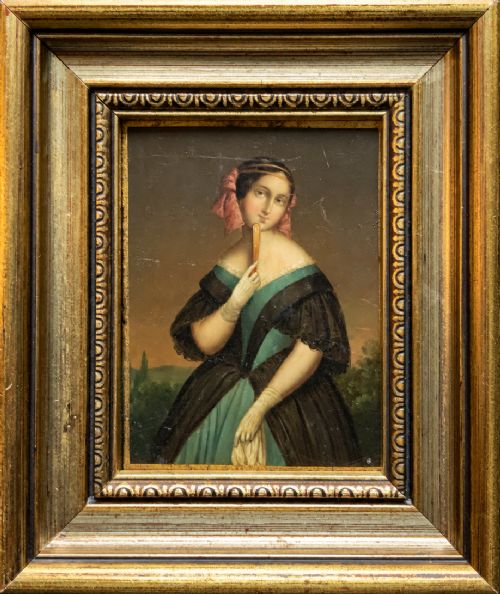
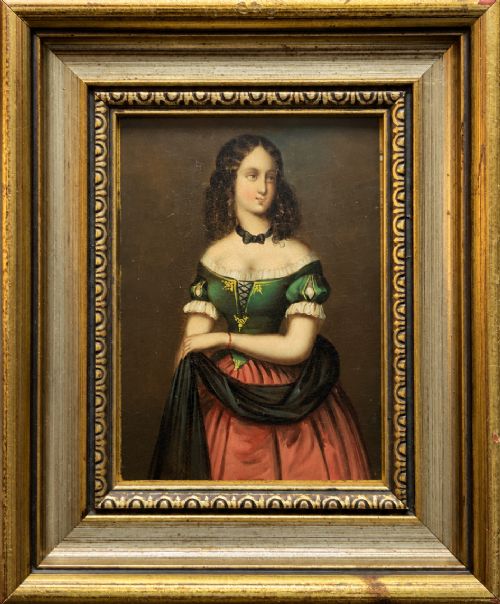
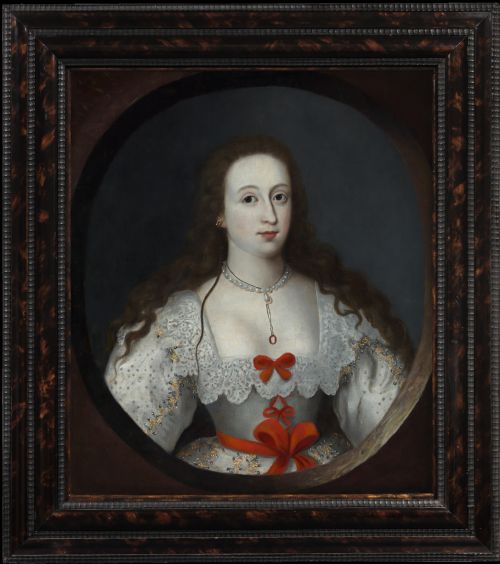
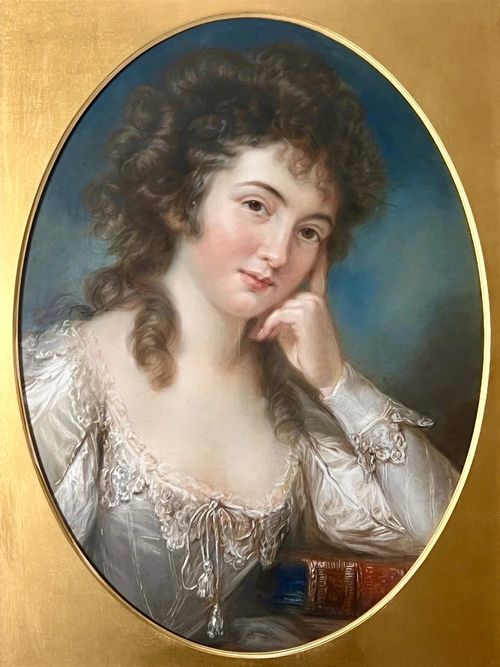
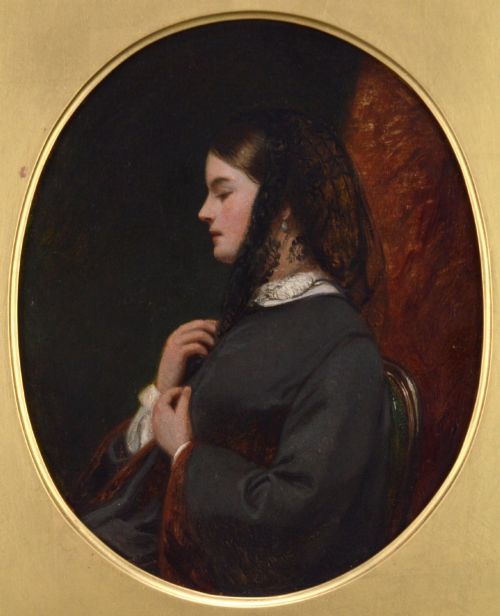
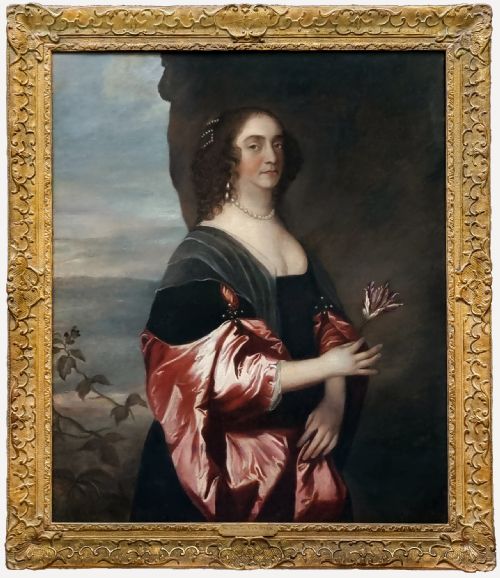
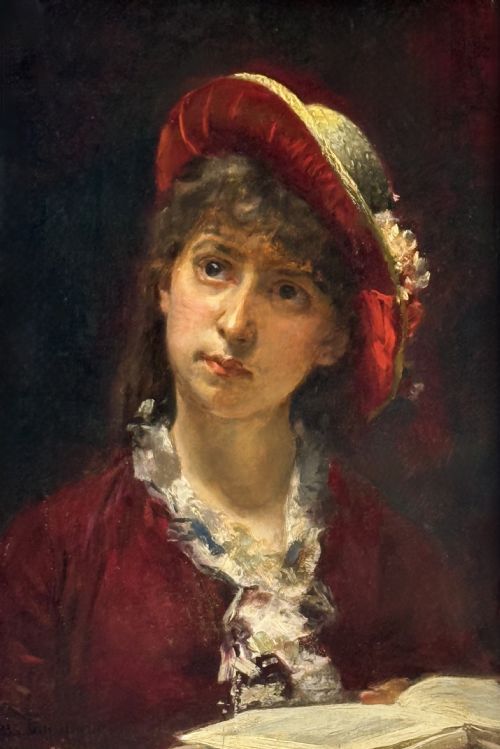
An antique painting of lady spans multiple centuries, reaching from the seventeenth century through the Georgian and Victorian eras into the twentieth century. These works depict noblewomen, family members and named historical figures rendered by studio painters, regional schools and named masters.
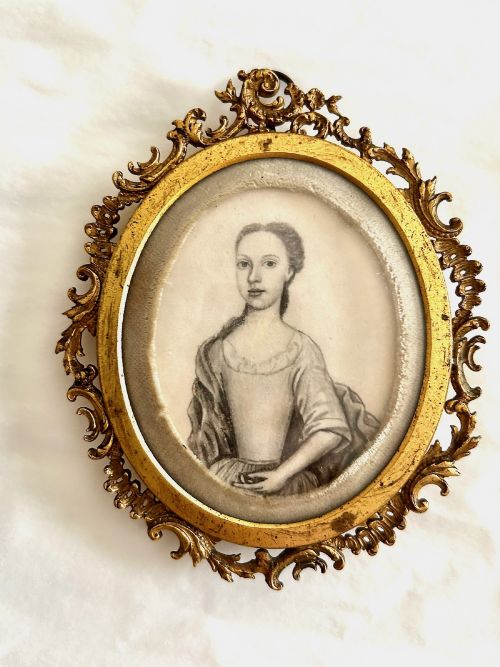
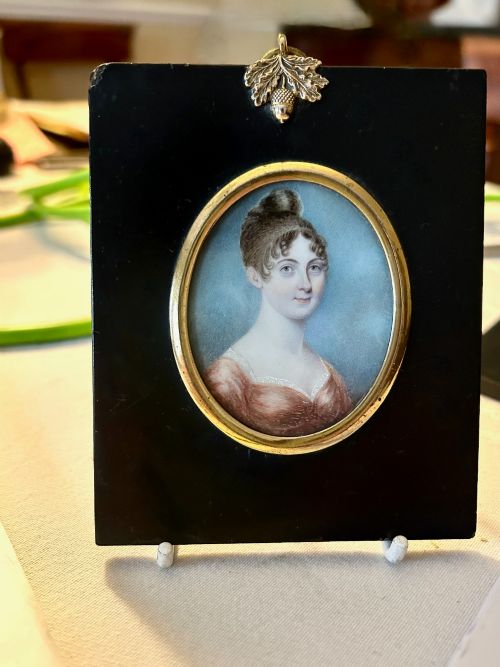
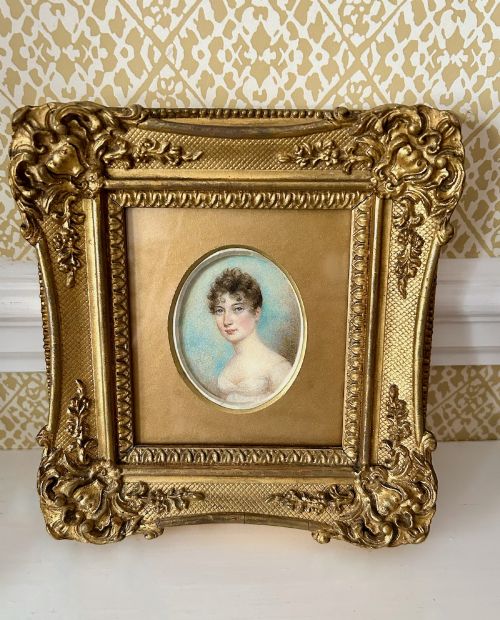
The assortment relies heavily on oil paintings executed on canvas or wood panel, alongside delicate watercolour portrait miniatures, pastels and reverse glass mezzotints. Subjects appear in formal interior settings, pastoral landscapes or intimate bust-length formats.
Materials and technique
Painters built their compositions using oil paint on stretched canvas or prepared wooden panels, occasionally employing copper or paper for miniature works. Grounds were applied to seal the support before pigments mixed with oil mediums were layered to build depth in drapery and skin tones.
Frames form an integral part of the physical object, often constructed from wood and finished with carved gesso and gold leaf. Miniature portraits frequently incorporate glass protection over delicate watercolours or painted paper.
Antique Painting of Lady Retail Price Guide 2026
Typical asking prices for painting of lady among the pieces listed under this phrase on Sellingantiques today, from the lower quarter to the upper quarter. They describe what is for sale here now, not the wider market.
Listings feature seventeenth-century British school portraits alongside eighteenth-century Georgian canvases and Edwardian watercolours.
Assessing execution
Excellence in these portraits rests upon the handling of facial anatomy, the convincing rendering of textiles such as satin and lace, and the psychological presence of the sitter. Works from the circle of established artists display confident brushwork and anatomical precision that lesser regional copies lack.
The preservation of the original pigment layers, minimal retouching, and the presence of period frames contribute substantially to the standing of a piece within its category.
Sir Peter Lely·Charles Jervas·Frederick Buck·Cornelius Johnson·Jeremiah Davison·Henry Pickering·Sir Godfrey Kneller·John Hayls·David Scougall·Sir Martin Archer Shee·George Willison·Pieter Borsseler
The Antique Painting of Lady Glossary
- Circle of
- A designation indicating that a painting was produced by an unidentified artist working closely within the style and workshop tradition of a master.
- Portrait miniature
- A small, highly detailed painting executed on vellum, paper, card or ivory, designed for intimate viewing or portable display.
- Oil on panel
- A painting technique utilising a wooden board as the primary support rather than woven fabric.
- Reverse glass mezzotint
- An intricate print transferred onto glass and hand-coloured from the reverse side to create a luminous pictorial effect.
- Giltwood
- Wood that has been coated with a thin layer of gold leaf or gold powder over a prepared gesso base, typical of period frames.
Antique Painting of Lady: Frequently Asked Questions
How do I identify the period?
Clothing styles, hairstyles and collar formations offer the most reliable clues for dating portraiture. Painters captured contemporary fashion, allowing viewers to match garments to specific decades.
Support materials also shift over time, with wood panels dominating earlier centuries before canvas became the standard substrate for larger works.
What is a studio piece?
A studio piece originates from the workshop of a master painter where assistants and pupils helped produce commissions under supervision. These works share the technical vocabulary of the primary artist.
Such paintings often record compositions originally designed by the head of the workshop for important patrons.
How were miniatures displayed?
Portrait miniatures were typically housed in protective cases, fitted into pocket watches or worn as lockets close to the body. Their small scale was intended for private contemplation among family members.
Later examples transitioned into framed wall art as tastes shifted toward domestic display.
Can I hang oil paintings in sunlight?
Direct sunlight accelerates the degradation of organic pigments and causes varnishes to discolour over decades. Placing works away from bright windows preserves the original colour balance.
Stable indoor humidity prevents the canvas from slackening and protects wooden panels from warping.