

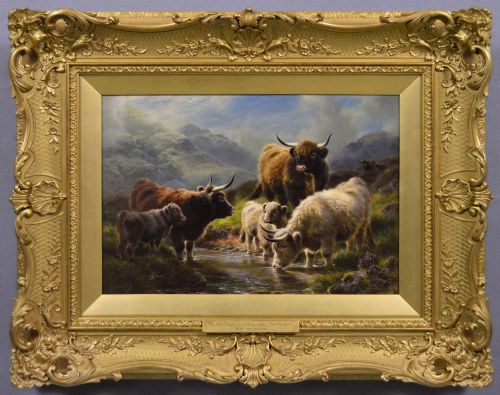
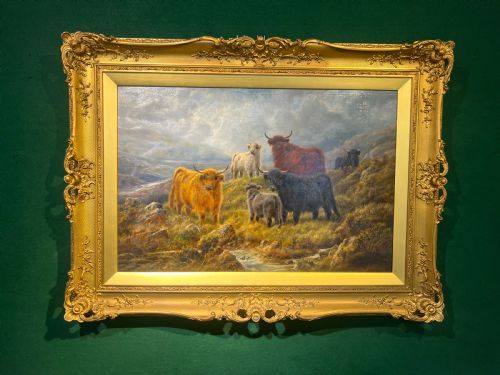

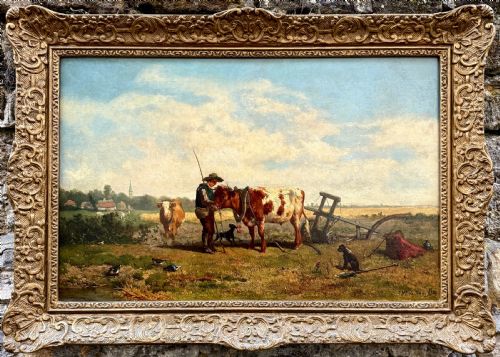


Antique Painting of Cows
An antique painting of cows captures the pastoral calm of rural life through the focused gaze of nineteenth-century artists.
Antique Painting of Cows
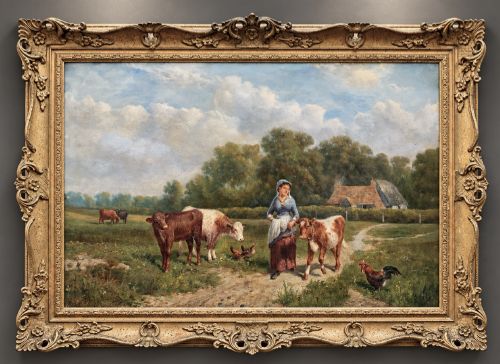
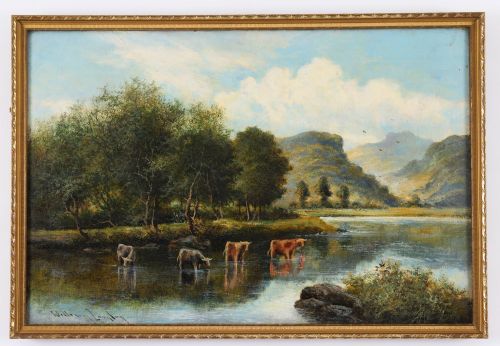
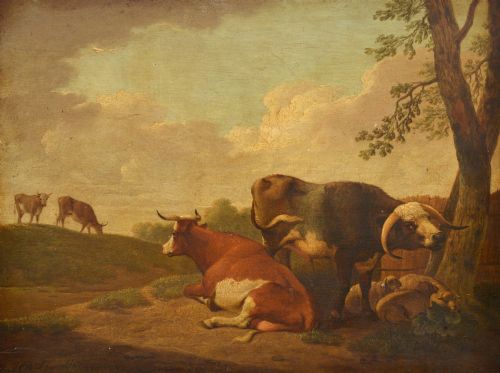
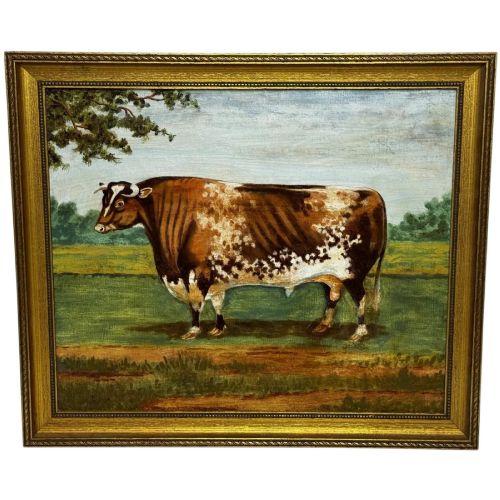
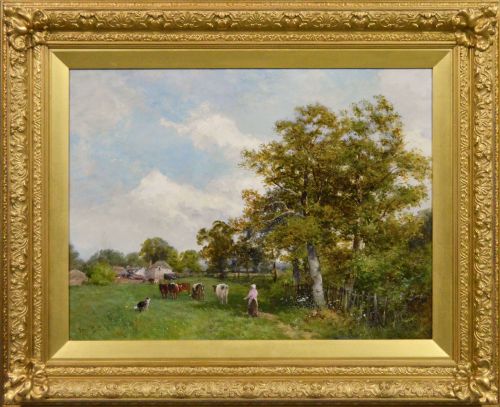
An antique painting of cows typically depicts cattle resting by rivers, grazing in lush fields, or navigating rugged highland terrain. These works record a rural past where livestock held central economic and domestic importance in British and European countryside life.
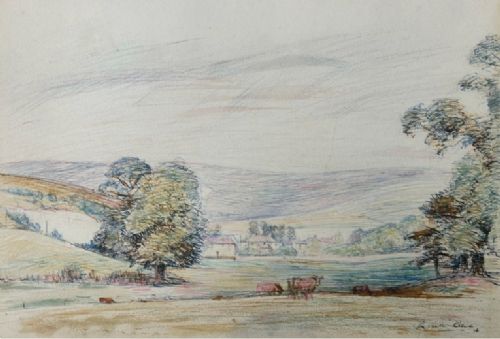
The versions most commonly met on this page are oil paintings on canvas and watercolours dating from the nineteenth century, including Victorian pastoral scenes and Scottish landscapes featuring Highland cattle. Painters rendered these subjects with varying degrees of academic precision, romanticism, and direct observation from nature.
How these works were constructed
Artists built these images using oil paint on stretched canvas or pigment on paper, frequently framing the finished pieces in ornate giltwood and gesso mouldings. Canvas supports allowed for layered brushwork and rich textures, while watercolours offered swift, luminous application on paper.
Makers applied gold leaf and carved wood to construct heavy decorative frames that protected the works and suited contemporary domestic display tastes during the Victorian and Edwardian periods.
Antique Painting of Cows Retail Price Guide 2026
Typical asking prices for painting of cows among the pieces listed under this phrase on Sellingantiques today, from the lower quarter to the upper quarter. They describe what is for sale here now, not the wider market.
What separates the finest works
Quality rests in the anatomical accuracy of the cattle, the subtlety of atmospheric light, and the assurance of the brushwork or watercolour wash. Master painters conveyed weight, muscle structure, and texture with convincing naturalism, whereas lesser works relied on stiff repetition and formulaic landscape backgrounds.
The integration of the animals into their surrounding environment also dictates distinction, as superior artists balanced the mood of the weather and landscape with the presence of the beasts.
Hendrik Willem Schweickhardt·David Bates·Russell Sidney Reeves·William Watson Jnr·Johannes de Haas·A M Gauci·Henry Robinson Hall·Thomas Sidney Cooper·J C Grey·Thomas Hunn·Robert Watson·Robert Thorne Waite·Ernest Higgins Rigg·Bernard Walter Evans·Basil Bradley·George Turner·John W Morris·Joseph Kirkpatrick·W A Clark·Gustave De Brianski·Harry Stinton·John R K Duff·Henry Cheadle·Frederick William Jackson·William Sidney Cooper
The Antique Painting of Cows Glossary
- Oil on Canvas
- A painting medium where pigments suspended in drying oils are applied to a woven fabric support. This technique permits extensive blending, luminous depth, and lasting durability.
- Watercolour
- A painting method using water-soluble pigments on paper. It produces transparent washes that capture delicate atmospheric effects and light.
- Giltwood
- Wood carved and coated with a thin layer of gold leaf or metallic powder. It provides a decorative and reflective border for traditional frames.
- Pastoral
- A genre of art depicting rural life, shepherds, and livestock in an idealized or peaceful natural setting. These scenes evoke a sense of simplicity and harmony.
- Gesso
- A paint mixture consisting of a neutral binder mixed with chalk, gypsum, or pigment. It prepares rigid surfaces and builds up decorative relief on frames.
Antique Painting of Cows: Frequently Asked Questions
How do I identify a Victorian cow painting?
Victorian works often display romanticized rural or highland settings with heavy giltwood frames. The cattle are usually rendered with careful attention to breed characteristics, such as the long horns of Scottish herds.
Examination of the canvas, stretcher bars, and framing materials further assists in confirming the nineteenth-century origin.
Were these paintings made as interior decoration?
Many of these pieces were created for middle-class and aristocratic homes to celebrate agrarian wealth and domestic tranquility. Pastoral scenes suited the Victorian taste for bringing idealized nature indoors.
Artists frequently exhibited these works at regional institutions before they entered private collections.
What is the difference between oil and watercolour versions?
Oil paintings on canvas offer richer texture and heavier impasto, allowing artists to build up the tactile quality of animal coats and muddy ground. Watercolours on paper provide a lighter, more transparent feel well suited to atmospheric weather and open skies.
Both mediums were popular concurrently throughout the nineteenth century.
How should I care for an antique painting?
These works require stable environmental conditions away from direct sunlight and excessive humidity. Maintaining moderate indoor temperatures prevents the canvas from slackening and protects fragile gesso frames.
Professional conservation should be sought for cleaning older varnish layers or repairing frame gilding.