



Antique Painting Collection
An antique painting collection gathers works and decorated objects spanning periods from the eighteenth century to the twentieth.
Antique Painting Collection
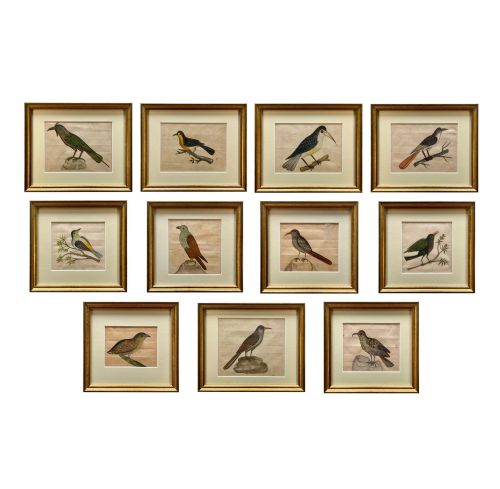
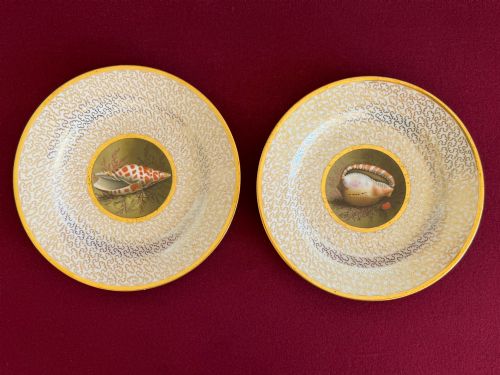
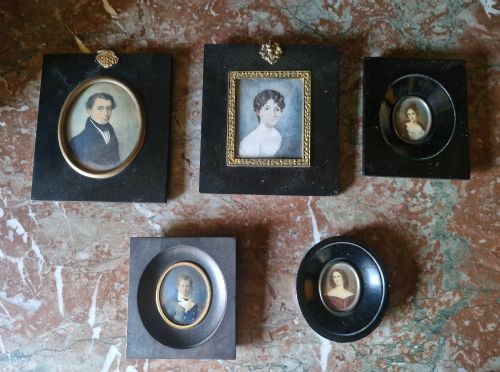
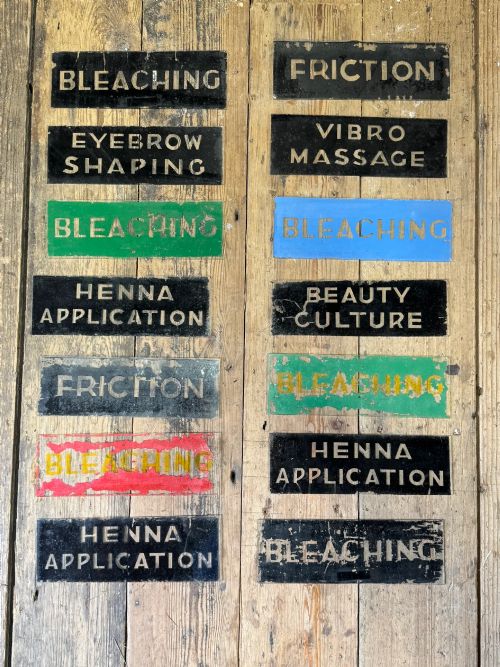
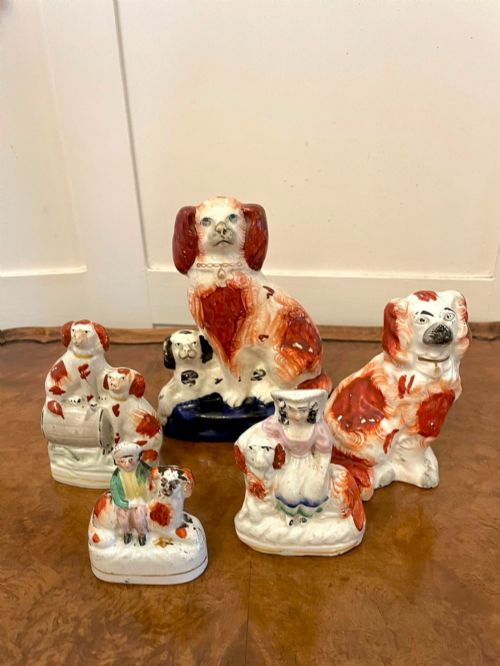
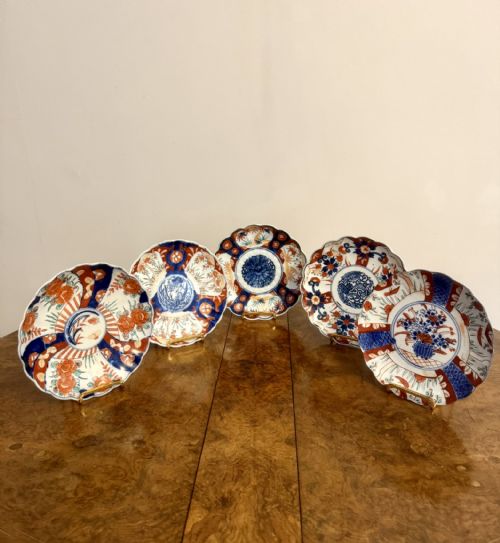
When you examine an antique painting collection on this page, you encounter assembled groups of painted items, portraits, and decorated ceramics rather than single canvases alone. The offerings range from miniature portraits on paper and reverse-painted glass signs to sets of Japanese Imari plates and Staffordshire dogs.
Most entries comprise grouped assemblies, such as sets of vases, plates, or letter racks, spanning Georgian, Victorian, and Art Deco periods. These multi-piece collections reflect historical tastes for matched sets and curated groupings.
Materials and Technique
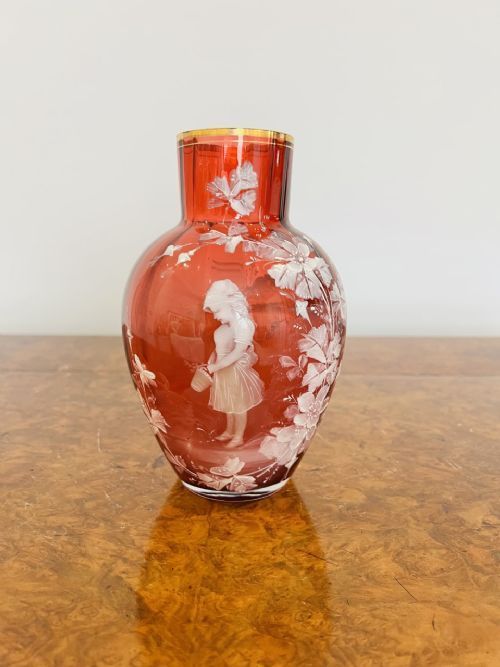
The objects combine paint, glaze, and gold leaf upon foundational materials like porcelain, earthenware, glass, and canvas. Artisans applied hand-painted details directly onto ceramic bodies, paper, or reverse glass panels.
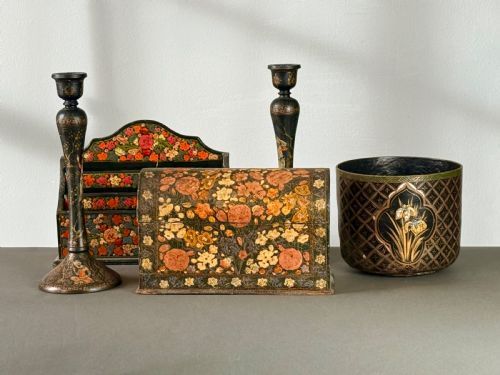
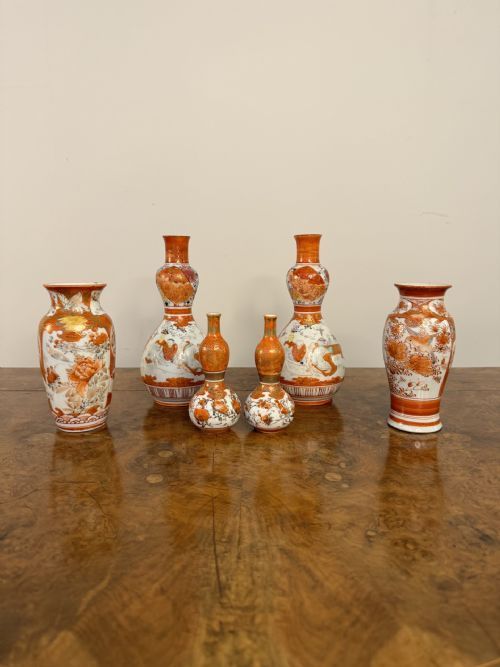
Techniques range from intricate overglaze decoration on Imari and Kutani wares to oil painting on canvas and delicate miniature portraiture. Lacquer work and horn back cases also appear among the constructed forms.
Antique Painting Collection Retail Price Guide 2026
Typical asking prices for painting collection among the pieces listed under this phrase on Sellingantiques today, from the lower quarter to the upper quarter. They describe what is for sale here now, not the wider market.
A hairdressing establishment once utilised a fourteen-piece collection of reverse-painted glass signs to adorn its walls.
Distinctions in Standard
Standard varies according to the precision of the hand-painting and the preservation of the original surface decoration. Pieces displaying finer brushwork and well-maintained glazes or gold leaf sit at the higher end of the range.
Completeness within a grouped set also determines the overall standing of the collection. Uniformity across matched plates or vases indicates careful preservation of the original assemblage.
Barr Flight and Barr·Thomas Wolfe·Herend·Doulton Lambeth·August Heinrich Riedell·Charlotte Rhead
The Antique Painting Collection Glossary
- Imari
- A style of Japanese export porcelain decorated in underglaze blue and overglaze red, gold, and green. This aesthetic proved highly popular in European interiors.
- Staffordshire
- Earthenware figures and pottery produced in the Staffordshire region of England. These pieces often include hand-painted dogs and spaniels from the nineteenth century.
- Reverse-painted glass
- A technique where paint is applied to the back of a glass panel so the image is viewed through the front. This method protects the pigment from dust and damage.
- Miniature portrait
- A small-scale painting executed with fine detail, frequently created on paper or ivory during the eighteenth and nineteenth centuries.
Antique Painting Collection: Frequently Asked Questions
What periods do these pieces date from?
The items span several centuries, with representation from the eighteenth, nineteenth, and early twentieth centuries.
Specific dates range from Georgian and Victorian eras through to Art Deco periods around the nineteen-thirties.
How were these painted items used originally?
Many objects served decorative purposes in period interiors, displayed on walls, cabinets, or mantelpieces.
Others, such as tea caddies, desk accessories, and shaving mugs, combined utilitarian functions with ornamental painted designs.
How do I care for antique painted surfaces?
Keep fragile painted items away from direct sunlight to prevent the fading of pigments and gold leaf.
Dust gently with a dry, soft cloth and avoid chemical cleaners that might damage delicate glazes or paper.
How are different regional styles identified?
Regional origins reveal themselves through distinct motifs, such as Japanese Imari or Kutani patterns on porcelain and earthenware.
British pieces often show characteristic Staffordshire modeling or Georgian and Victorian factory marks.