
Antique Painting Chest
An antique painting chest brings a rich layer of history and colour into a room, offering practical storage disguised beneath decorative brushwork.
Antique Painting Chest
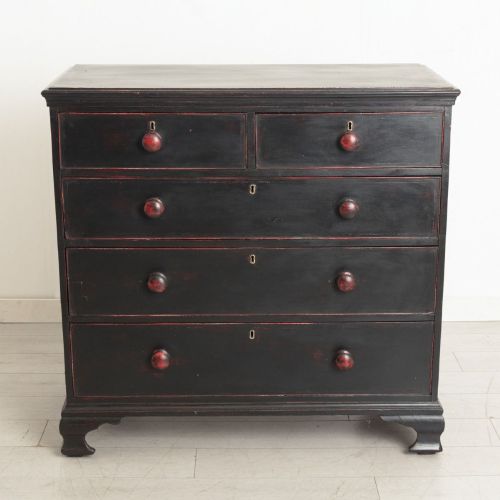
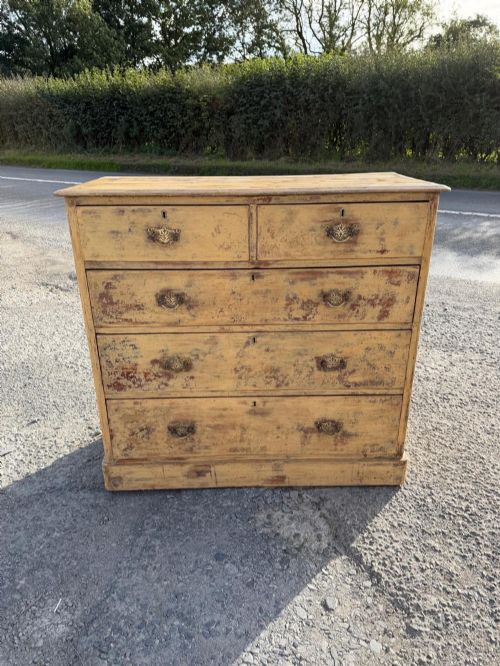
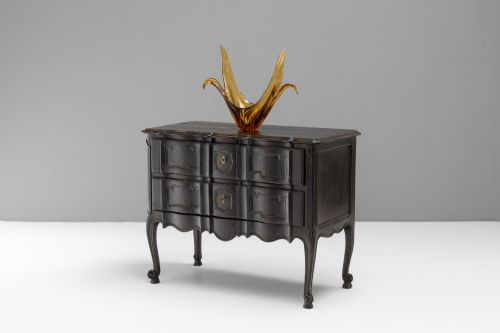
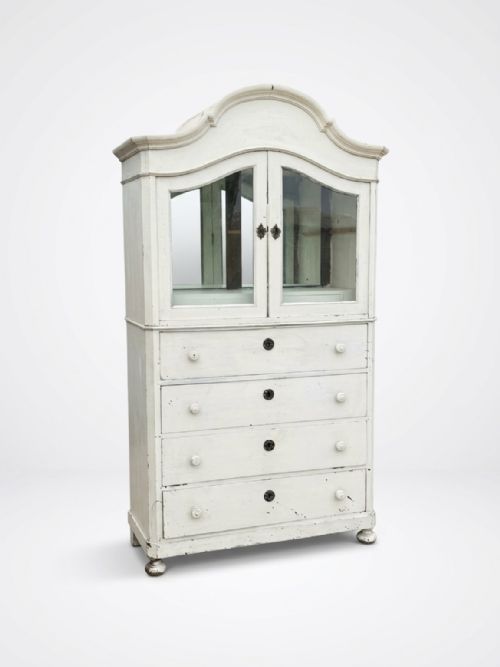
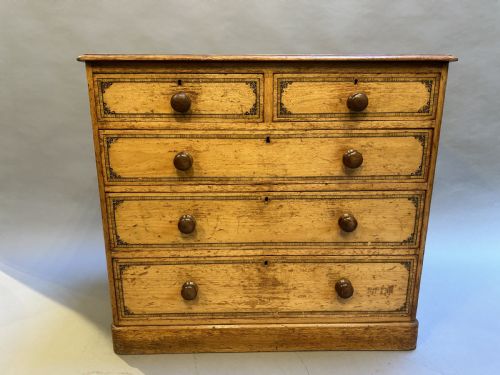
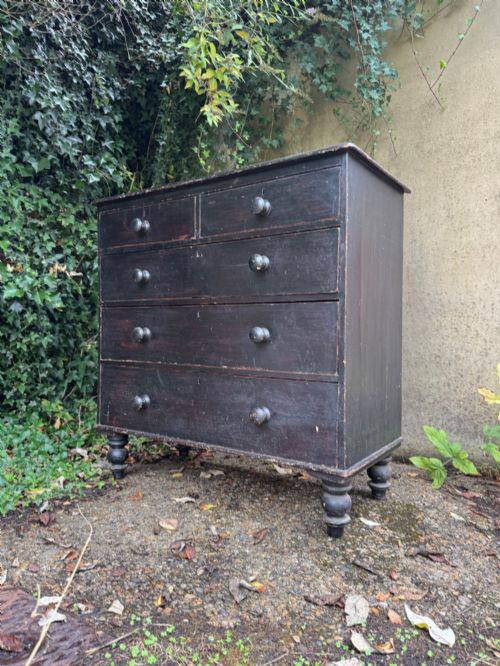
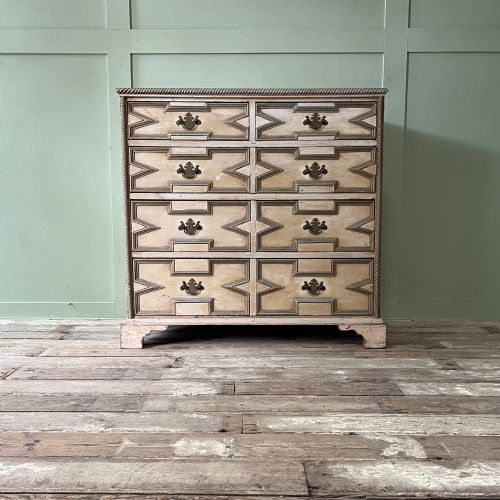
When searching for an antique painting chest, a buyer encounters a diverse group of storage pieces that share a decorative surface finish rather than a single structural form. These items range from sturdy pine chests of drawers and marriage trunks to sophisticated commodes and cabinets.
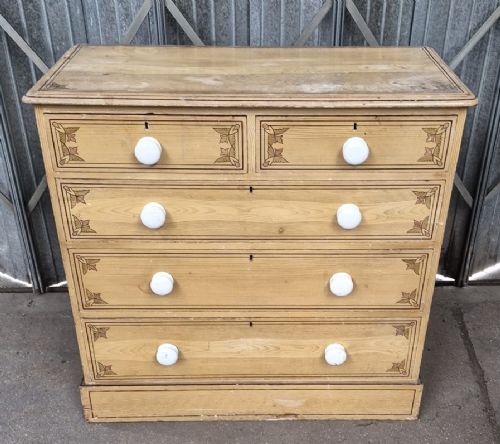
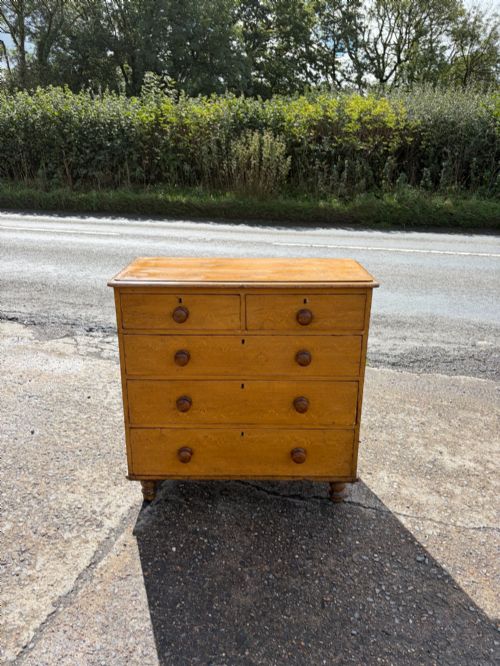
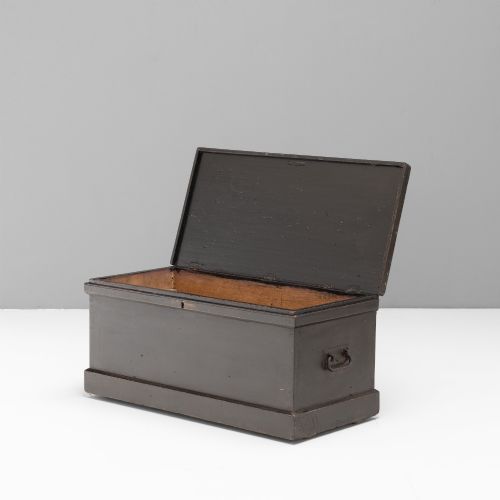
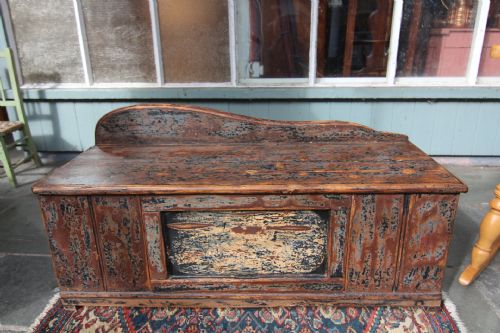
The pieces appearing on this page draw from several centuries, with nineteenth-century examples in pine and painted wood dominating the selection alongside regional styles. Alongside large drawer units, the category encompasses smaller boxes, blanket chests, and campaign cases.
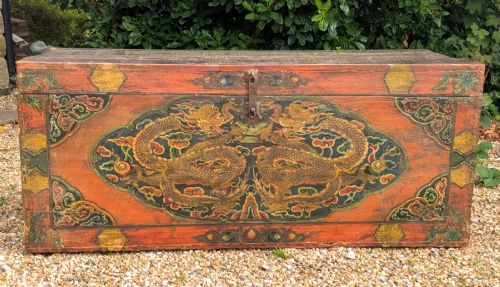
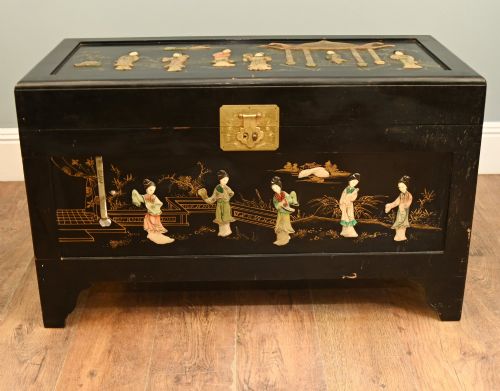
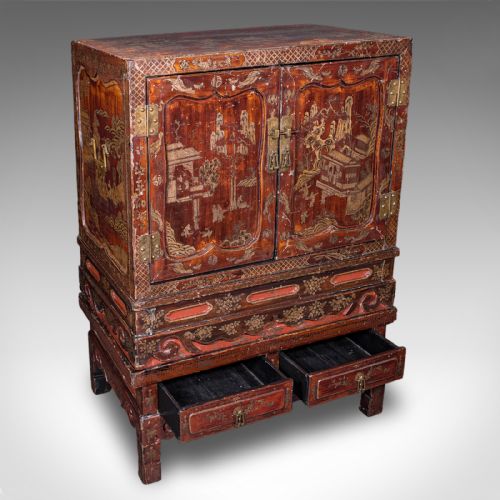
Originating from various domestic and international traditions, these items include English country pieces, French commodes, Scandinavian folk art, and Asian lacquer boxes. Each piece serves as both a functional receptacle and a canvas for decorative art.
Materials and technique
Constructed predominantly from timber such as pine, oak, and ash, these chests often utilise secondary woods for internal drawer linings and backing boards. Structural integrity depends on traditional joinery, complemented by metal components like hand-forged iron strapwork and brass handles.
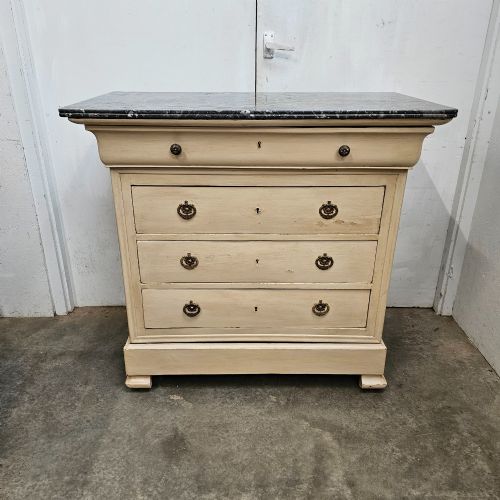
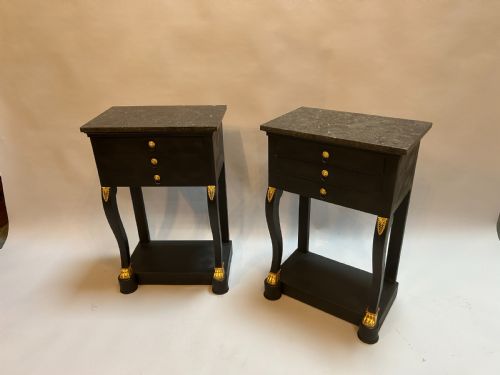
The defining characteristic is the surface treatment, which involves oil, distemper, or lacquer applied over wood or metal. Artisans employed techniques like original graining, stencilling, and polychrome decoration, sometimes pairing the wooden bodies with marble tops or gilt-bronze mounts.
Listings span multiple centuries, incorporating nineteenth-century pine, eighteenth-century folk art, and early twentieth-century office chests.
Assessing the standard
Quality in these decorated pieces rests upon the preservation of the original surface and the crispness of the hand-applied finish. A piece retaining its authentic period paint or lacquer holds greater visual integrity than one with later overpainting.
Construction methods also dictate standard, separating utilitarian transport trunks from finely proportioned commodes and cabinets. Dovetail joints, well-fitted drawers, and intact hardware distinguish superior cabinetmaking from basic carpentry.
Winsor and Newton·Sir Clough Williams-Ellis
The Antique Painting Chest Glossary
- Commode
- A low chest of drawers or cabinet, often of French origin, typically featuring decorative finishes or marble tops. These pieces frequently stand on elegant legs rather than resting directly on the floor.
- Graining
- A decorative painting technique used to imitate the appearance of more expensive timbers on a common base wood like pine. Painters utilised combs and specialised brushes to replicate natural wood patterns.
- Strapwork
- Ornamental metal bands, often in iron or brass, fixed across the exterior of a chest to reinforce corners and joints. This metalwork provides both structural strength and a distinct visual contrast to the painted wood.
- Vernis Martin
- A European imitation of Asian lacquerwork developed in the eighteenth century, utilising multiple layers of varnish. The technique creates a glossy, translucent finish adorned with painted scenes.
- Polychrome
- Multicoloured decoration applied to the surface of wood, metal, or plaster. This style appears frequently in folk art trunks and cabinet panels.
Antique Painting Chest: Frequently Asked Questions
What is an antique painting chest?
An antique painting chest is a storage piece, such as a drawer unit or trunk, distinguished by a painted, lacquered, or decorated wooden surface. These items combine utility with artistic expression.
They reflect the domestic tastes and decorative traditions of various periods, utilising finishes like folk art motifs, faux graining, or fine lacquerwork.
How do I care for original paint?
Preserving original painted surfaces requires stable indoor humidity and protection from direct sunlight, which can fade pigments over time. Dust gently with a dry, soft cloth.
Avoid chemical cleaners, abrasive cloths, and excess moisture, as these can strip or lift fragile nineteenth-century distemper and oil paints.
Where were these chests made?
The pieces originate from workshops across Britain, continental Europe, and beyond, encompassing English country workshops and Parisian cabinetmakers. Regional styles often dictate the choice of timber and decorative technique.
Scandinavian folk art, French commode design, and Asian export production all contribute distinct aesthetic qualities to the available selection.
How do I date a painted chest?
Dating relies on examining construction methods, hardware types, and the composition of the underlying wood alongside stylistic clues in the painted decoration. Hand-forged ironwork and traditional dovetailing point towards older manufacture.
Secondary woods and historical wear patterns help distinguish eighteenth-century and nineteenth-century examples from later revival pieces.