



Antique Painted Tin Tray
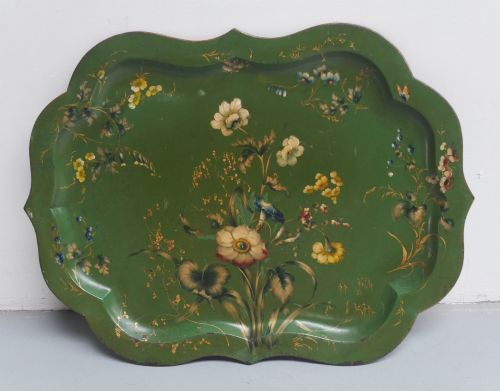
These antique painted tin tray examples bring durable nineteenth-century utility and hand-painted charm straight to a room.
Antique Painted Tin Tray
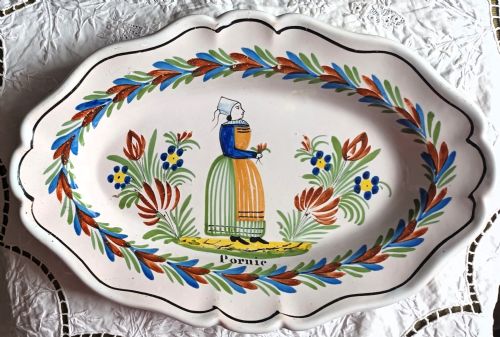
When you search for an antique painted tin tray, you encounter nineteenth-century painted metalwork, toleware, and tin-glazed earthenware items that served functional domestic roles. The selection on this page focuses on nineteenth-century pieces, spanning English toleware, French provincial objects, and Dutch Delft ceramics.
Most examples take the form of serving trays, oval trays, and decorative dishes or bowls designed for practical household use. These objects range from Pontypool toleware pieces to French faience dishes and lacquered boxes with trays.
How they were made
These items rely on paint applied to tin, tin-glazed earthenware, and lacquered metal bases during the nineteenth century. Makers utilised handpainting techniques to add pictorial scenes, motifs, and borders directly onto the prepared surfaces.
English toleware often involved japanning or painting on tinplate, while continental pieces incorporated faience, ceramic, and earthenware bodies finished with decorative glazes and gold leaf.
Antique Painted Tin Tray Retail Price Guide 2026
Typical asking prices for painted tin tray among the pieces listed under this phrase on Sellingantiques today, from the lower quarter to the upper quarter. They describe what is for sale here now, not the wider market.
Object forms on this page include trays, serving dishes, inkstands, platters, trinket dishes, and decorative bowls.
What varies in quality
The distinction between ordinary production and superior work lies in the execution of the handpainting and the retention of the original surface. Finer pieces display confident brushwork and detailed pictorial subjects rather than simple repetitive decoration.
The integrity of the painted finish and the stability of the underlying tin or earthenware base determine the overall character of the piece. Well-preserved surfaces retain their original depth of colour and decorative clarity.
H. Meeson·Pontypool
The Antique Painted Tin Tray Glossary
- Toleware
- Painted or japanned metalware, usually tinplate, produced extensively in England and America during the eighteenth and nineteenth centuries. This term covers trays, bowls, and boxes finished with decorative pigments.
- Faience
- Tin-glazed earthenware produced in France and other European regions. It provides a smooth white background suitable for painted designs.
- Japanning
- A European imitation of East Asian lacquerwork involving layered varnishes and heat curing. It created a dark, glossy surface on metal objects.
- Vide-Poche
- A small pocket-emptier dish used historically for holding coins, keys, or small personal items. These ceramic or metal dishes sit neatly on desks and tables.
Antique Painted Tin Tray: Frequently Asked Questions
What is toleware?
Toleware refers to painted or japanned metal objects, primarily formed from tinplate during the nineteenth century. Artisans decorated these practical household items with handpainted scenes and patterns.
These pieces were commonly used in domestic settings for serving, storage, and display. Their durable metal construction made them practical alternatives to fragile ceramics.
How do I care for a painted tin tray?
Painted tin surfaces require gentle maintenance to preserve the original nineteenth-century pigments and varnishes. Keep them away from direct moisture and clean them only with a soft, dry cloth.
Avoid using modern chemical cleaners or abrasive materials on the painted finish. Proper placement away from direct sunlight protects the colours from fading over time.
Were these trays used for serving food?
Many nineteenth-century metal trays and dishes served practical functions in the home, including carrying drinks or food. Others were purely decorative items meant for display on desks, sideboards, or tables.
Examining the surface wear helps indicate whether a specific piece saw active domestic use or remained primarily decorative. Most surviving examples now function as decorative accents rather than daily tableware.
What distinguishes French faience from English toleware?
French faience is a tin-glazed earthenware ceramic, whereas English toleware is painted metal. Faience utilises a clay body with a white glaze, while toleware uses a metal sheet base.
Both categories appear across nineteenth-century domestic settings but employ entirely different material techniques. Understanding this distinction clarifies the manufacturing origin of each piece.