
Antique Painted Sign
When you search for an antique painted sign, you look for authentic hand-lettered or pictorial boards that once marked trade, commerce or professional practice.
Antique Painted Sign
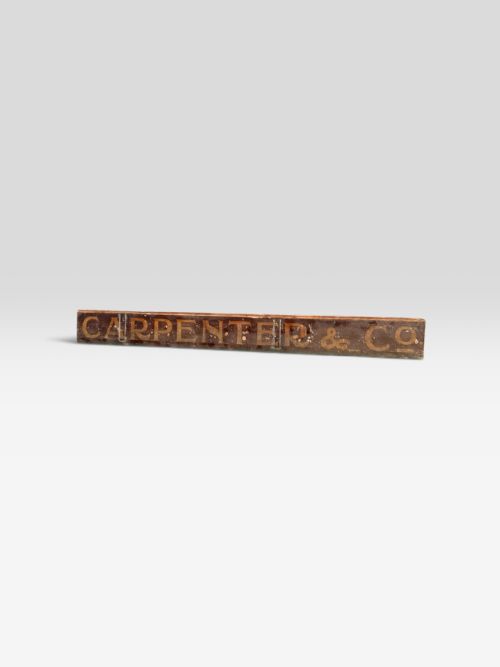
An antique painted sign brings historical trade and commerce directly into a modern interior through weathered lettering and imagery on timber or glass. When searching this phrase, you encounter heavy pine trade boards alongside professional practice markers from the nineteenth and early twentieth centuries.
The selections span larger wooden ironmonger boards from the nineteenth century to delicate Edwardian glass windows from dental surgeries. These pieces carry the utilitarian marks of their original working environments, preserved through decades of use.
How they were made
Makers utilised durable local timbers such as pine, building substantial backing boards designed to withstand external exposure. Surfaces received ground coats of oil paint before skilled signwriters applied lettering and pictorial elements by hand.
Glass variants, particularly from the Edwardian period, involved reverse painting and gilding techniques on window panes to create lasting professional designations for practices and surgeries.
Listings demonstrate that antique painted sign examples span nineteenth-century pine trade boards and Edwardian glass dentist practice windows.
What varies in quality
The distinction between ordinary and superior pieces rests entirely upon the confidence of the brushwork and the legibility of the hand-painted lettering. Signwriters with superior training achieved balanced proportions and crisp letter forms that retain visual strength despite surface wear.
Originality of surface finish dictates the desirability of a board, distinguishing pieces with undisturbed historic layers of paint from those subjected to later overpainting or aggressive cleaning.
The Antique Painted Sign Glossary
- Trade sign
- A board displayed outside a shop or business to advertise a specific trade or service. These items formed the visual streetscape before modern illuminated signage.
- Oil paint
- A slow-drying medium composed of pigments suspended in a drying oil, typically linseed. This material provided the durability required for signs exposed to changing weather conditions.
- Gilt
- A thin layer of gold leaf applied to a surface for decoration and lettering. Signwriters utilised gilding to catch sunlight and highlight important business titles.
- Pine
- A softwood commonly utilised for large backing boards due to availability and stability. Carpenters selected straight-grained planks to minimise warping over time.
Antique Painted Sign: Frequently Asked Questions
How do I hang a heavy wooden sign?
Heavy trade boards require direct fixing into structural wall studs using appropriate steel brackets suited to the weight of the timber.
Ensure the hanging method distributes the load evenly across the backing boards to protect the original construction.
Can glass signs be placed in direct sunlight?
Glass panels featuring historic paint and reverse gilding benefit from protection against intense, prolonged solar exposure.
UV light can degrade fragile nineteenth-century pigments and loosen delicate gold leaf applications over time.
How should I clean an antique painted sign?
Dust surfaces gently with a dry, soft cloth to remove everyday accumulation without disturbing loose or flaking pigment.
Avoid liquid cleaners, chemical solvents, or abrasive pads, as these easily strip historic oil paint and original lettering.
Are trade signs waterproof for outdoor display?
Historic painted signs were originally built for external use, but centuries of ageing leave them vulnerable to modern weather extremes.
Displaying them indoors preserves the remaining fragile paint layers and prevents further timber decay.